That relentless, high-pitched buzz filling the summer air? It’s the unmistakable sound of Sydney. But as the noise from the local cicadas reaches a crescendo, it’s natural to feel concerned. Is it just an annoyance, or could this insect chorus be harming your prized garden trees? You might be finding their creepy, empty shells clinging to your walls and wondering if these creatures pose any threat to your children or pets. When your peace of mind is at stake, you need clear, professional answers.
Rest assured, we’re here to cut through the noise. This guide provides everything you need to know about Sydney’s cicadas. We’ll uncover their fascinating life cycle, explain exactly why they are so loud, and most importantly, address whether they are a genuine pest you need to worry about. By the end, you’ll have the expert knowledge to protect your garden, understand our noisy summer neighbours, and gain the peace of mind that comes from knowing your home is safe.
What is That Noise? Sydney’s Iconic Summer Soundtrack Explained
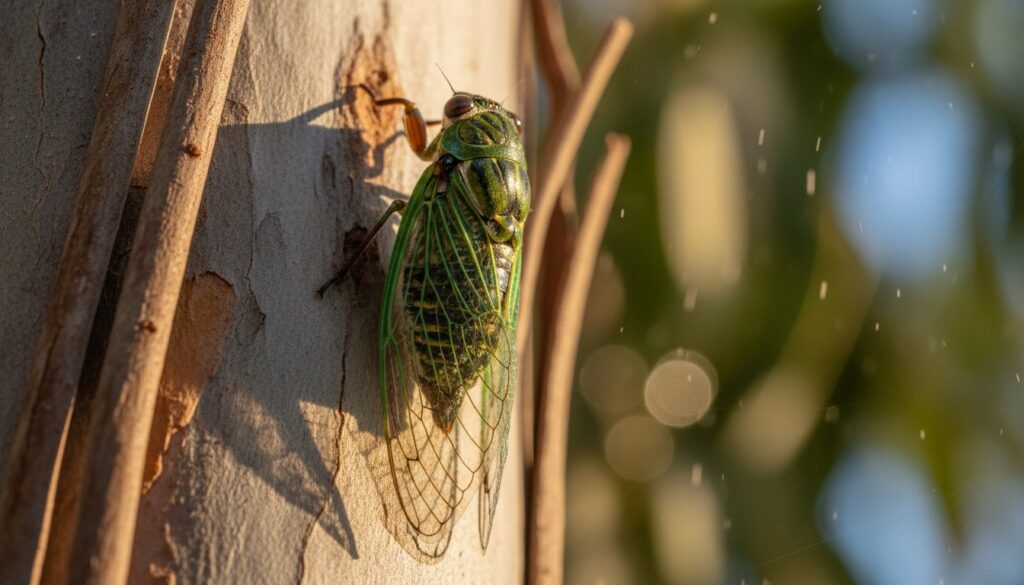
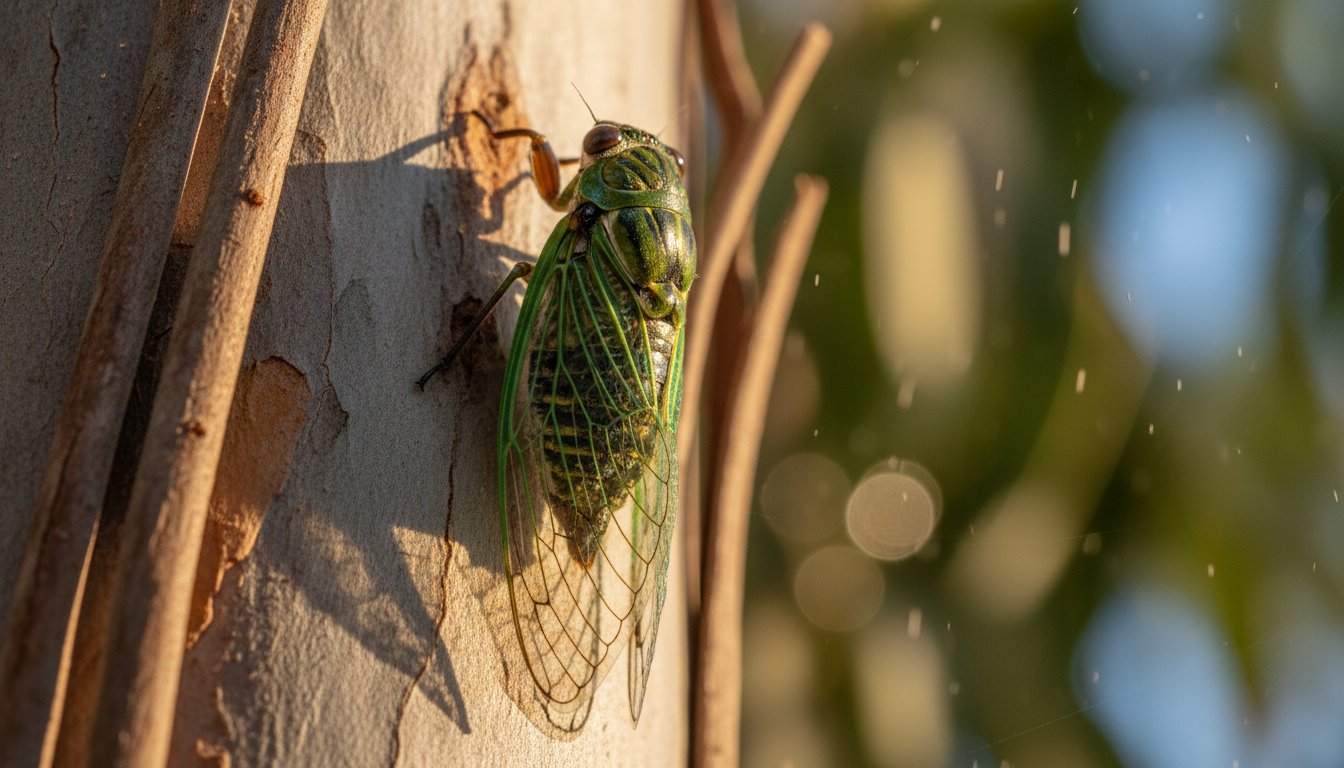
As the temperature rises across Sydney, a familiar, high-pitched buzzing fills the air. It’s the unmistakable soundtrack of an Australian summer. This powerful chorus comes from one of our most well-known insects: the cicada. While the sheer volume can be startling, rest assured that cicadas are generally harmless to people and pets. They are a vital, natural part of our local ecosystem, and that famous noise you hear is simply the male’s powerful mating call, designed to attract a female partner.
How and Why Cicadas Create Their Famous Song
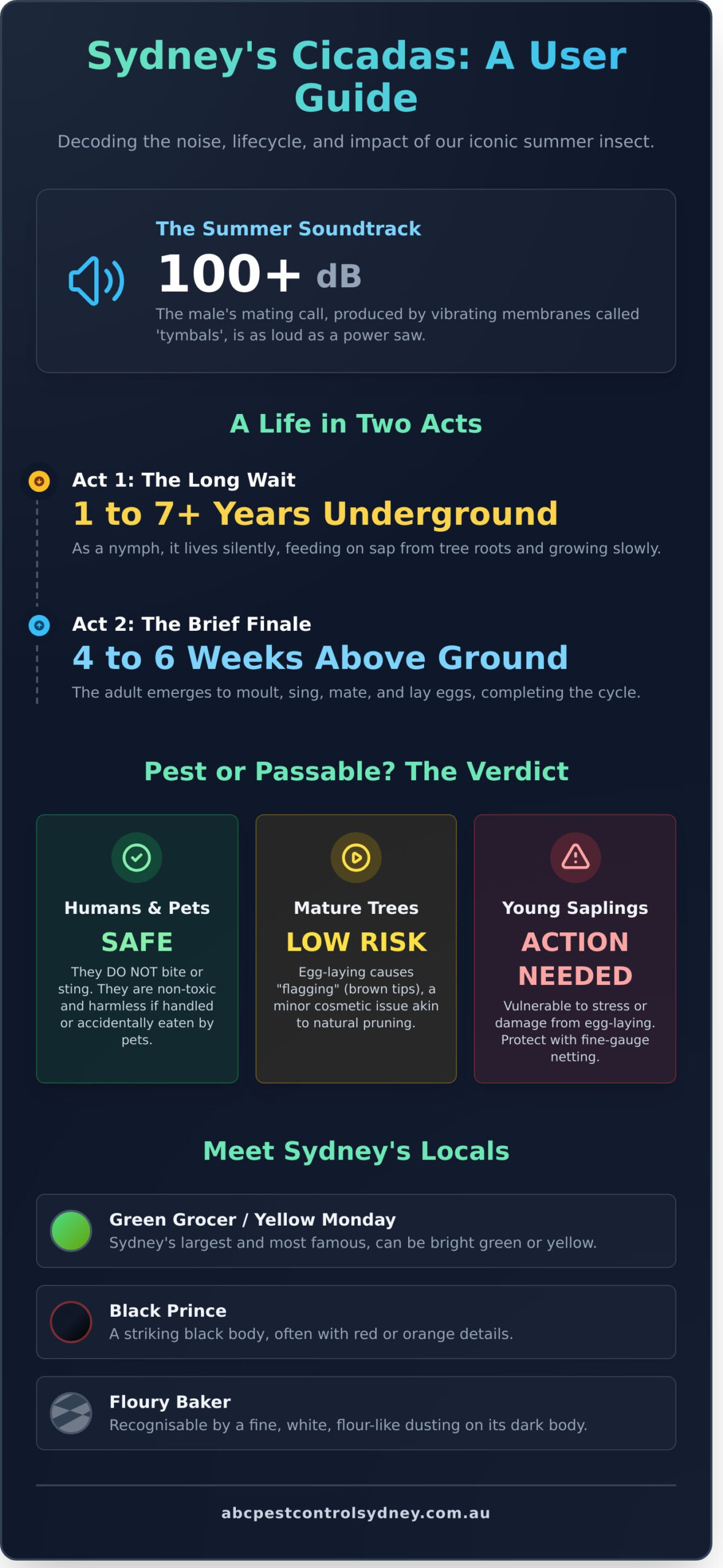
The cicada’s song isn’t produced like a cricket’s chirp. Instead, male cicadas have special, drum-like membranes on their abdomens called tymbals. By rapidly contracting and relaxing internal muscles, they cause these membranes to buckle and click, producing an incredibly loud sound. This intricate communication is just one part of The Fascinating Life Cycle of a Cicada, a process that can see them spend years underground. Some species can produce calls exceeding 100 decibels-among the loudest in the insect world. Each cicada species has its own unique song, ensuring they attract the correct mate during the busy summer season.
Common Cicada Species You’ll Find in Sydney
Sydney is home to a variety of cicada species, each with a distinct look and sound. Seeing them in your garden is not a cause for alarm; in fact, their presence is a positive indicator of a healthy local environment. Keep an eye out for these common types:
- Green Grocer / Yellow Monday: Scientifically known as Cyclochila australasiae, this is our largest and most famous cicada. They are typically bright green, but a yellow variation (the Yellow Monday) is also common.
- Black Prince: A striking species with a mostly black body, often featuring reddish or orange details on its wings and abdomen.
- Floury Baker: Recognisable by the fine, white, flour-like dust that covers its dark body, this cicada adds another layer to the summer chorus.
While these insects are a welcome sign of a thriving ecosystem, if you have concerns about other summer pests, it’s always best to contact a professional.
The Fascinating Life Cycle of a Cicada
The deafening summer chorus of cicadas is a classic Sydney sound, but it represents only a tiny fraction of their incredible life. For most of their existence, these insects live a hidden life, spending years silently developing right beneath our feet before their brief and noisy emergence.
This long underground period is followed by a short, frantic adult stage focused entirely on one thing: continuing the cycle. Understanding this journey from silent nymph to singing adult reveals one of nature’s most remarkable transformations.
From Hidden Nymph to Winged Adult
After spending anywhere from one to several years underground, the mature cicada nymph receives an environmental cue-often a change in soil temperature-to begin its journey to the surface. It tunnels upwards and emerges, usually under the cover of darkness to avoid predators like birds and lizards. The nymph then climbs the nearest vertical surface, be it a tree trunk, fence post, or brick wall, and anchors itself firmly. In a fascinating process, its exoskeleton splits down the back, and the winged adult laboriously pulls itself free. The empty brown shells you find clinging to trees are the remnants of this final moult.
What Do Cicadas Eat?
Both as nymphs and adults, cicadas are herbivores that feed on sap. Using specialised, piercing mouthparts, they tap into plants to draw out fluid. Underground, nymphs feed on the xylem sap from tree roots, a process that continues for years. Once they emerge as adults, they continue to feed on sap from trees and shrubs.
While this sounds potentially damaging, it’s crucial to understand the real impact. A common question we hear is, are cicadas pests? For healthy, established trees and plants in Sydney gardens, the feeding activity of cicadas rarely causes any significant harm. Their presence is a natural part of the ecosystem, not a threat to your garden’s health.
Are Cicadas Pests? Assessing the Risk to Your Family and Garden
The deafening chorus of cicadas can make any Sydney homeowner wonder if their property is under siege. While their noise is a nuisance, the truth is that these iconic summer insects pose a minimal threat. For the overwhelming majority of homes and gardens, cicadas are more of a temporary inconvenience than a destructive pest requiring professional control.
Do Cicadas Bite or Sting? Safety for Kids and Pets
Rest assured, your family is completely safe. Cicadas do not bite or sting. They lack the anatomy for either, possessing no stinger and having mouthparts designed only for sipping sap from trees, not for piercing skin. They are not aggressive and will try to fly away clumsily if handled. Occasionally, one might mistake your arm for a tree branch and land on you, but this is startling, not dangerous. If your dog or cat eats one, there’s generally no need to panic, though it’s best to discourage them from feasting on these insects.
Impact on Your Trees and Plants: The Truth About Damage
The primary concern for gardeners is the damage caused when female cicadas lay their eggs. Using a specialised organ called an ovipositor, a female will cut small, neat slits into young twigs and branches to deposit her eggs. This process can cause the tips of the branches to wither, turn brown, and die off-a condition known as “flagging.” While it can look alarming, this is typically a minor issue for healthy, mature trees and is often compared to a light, natural pruning that causes no long-term harm.
When You Might Need to Protect Young Plants
The only time for genuine concern is with very young, newly planted trees or delicate saplings. Their branches are smaller and weaker, and a high concentration of egg-laying can cause significant stress or damage. If you have vulnerable young plants, you can take a simple, preventative step:
- Use protective netting: Covering small trees with fine-gauge netting or cheesecloth during the peak cicada season can effectively block females from laying eggs.
For the average Sydney garden with established trees and shrubs, no action is needed. The cosmetic damage will be gone by next season. While cicadas don’t require treatment, if other summer pests are causing problems, our local Sydney experts are ready to provide safe and effective solutions for your home.
How to Manage Cicadas (and When to Call a Professional)
While the constant chorus of cicadas can be overwhelming, the good news is that direct control is rarely necessary. These insects are a temporary, natural part of a Sydney summer and pose no threat to your family, pets, or property. Instead of trying to eliminate them, the best approach is to manage their presence in your immediate outdoor living spaces. Simple actions like using a gentle spray from a garden hose can encourage them to move on from your patio furniture without causing any harm.
Why Pesticides Are Not the Answer
Reaching for a broad-spectrum pesticide to silence cicadas is not only ineffective but also harmful. It’s crucial to understand why this approach does more damage than good:
- Ineffective Application: The adult cicadas you see and hear are only a tiny fraction of the population. The vast majority are nymphs living safely underground, completely unaffected by surface sprays.
- Collateral Damage: These chemicals are non-selective and will kill beneficial insects, including vital pollinators like bees and pest-eaters like ladybugs.
- Ecological Impact: Cicadas are a key food source for native birds and other wildlife. Poisoning them disrupts the local food web.
- Modern Pest Control: Widespread spraying goes against modern, eco-friendly pest management principles, which focus on targeted, safe solutions.
Differentiating Cicadas from True Tree Pests
Although cicadas are harmless, it’s wise to know the difference between their presence and the signs of a genuine pest infestation that can destroy your trees. If you notice symptoms that go beyond the summer buzzing, you may have a more serious issue. Be on the lookout for destructive pests like termites or wood borers. Key warning signs include:
- Sawdust-like powder (known as frass) at the base of trees.
- Unexplained dead branches or sudden wilting and dieback.
- Wood that sounds hollow when tapped.
If you see these signs, it’s time to call an expert for a professional assessment.
When Professional Help is Needed for Real Pests
A cicada season is a temporary nuisance; a termite or borer infestation can cause permanent and costly damage to your property. Don’t leave it to guesswork. Our trained and certified technicians can correctly identify the pest causing you concern and provide a clear diagnosis. We deliver safe, targeted treatments that eliminate destructive pests without harming your family or the environment.
Worried it might be more than cicadas? Protect your property and gain peace of mind. Book a professional pest inspection today.
Embrace the Summer Buzz, But Keep Your Home Protected
As we’ve discovered, the deafening chorus of the cicada is the iconic soundtrack to a Sydney summer. These remarkable insects are a fascinating, and ultimately harmless, part of our local ecosystem. You can rest assured that their presence poses no real threat to your garden or your family, allowing you to simply enjoy this unique sign of the season.
However, while the noisy cicadas are welcome guests, other pests that arrive in the warmer months are not. Termites, spiders, and cockroaches can cause serious problems without making a sound. For complete peace of mind, you need a trusted, professional solution. With over 20 years of local Sydney experience, ABC Pest Control provides eco-friendly and family-safe treatments to eliminate genuine threats, all backed by our 100% Satisfaction Guarantee.
While cicadas are harmless, other pests aren’t. Get a free quote from our Sydney experts to protect your home. Enjoy the sounds of summer knowing your property is completely secure.
Frequently Asked Questions About Cicadas in Sydney
Why are cicadas so much louder in some years than others?
Some years are “boom” years for cicada populations, which is why the noise can be so intense. Their life cycles mean that large broods emerge from the ground simultaneously every few years. More cicadas mean more mating calls, creating that overwhelming summer chorus. While it can be deafening, rest assured this is a natural cycle. The population will naturally decline, bringing peace and quiet back to your garden and home.
How long do cicadas actually live for?
While it seems they’re only around for a few weeks, a cicada’s total lifespan is surprisingly long. Most of it is spent underground as a nymph, feeding on tree roots for several years-sometimes up to seven in Australia. The adult stage we see and hear is very short. They emerge to mate, lay eggs, and typically live for only four to six weeks above ground before their cycle ends and they die off naturally.
What are the empty, insect-like shells I find stuck to my trees and walls?
Those hollow shells are a harmless sign that a cicada has successfully grown up. It’s the exoskeleton left behind after a nymph crawls out of the ground, moults for the final time, and emerges as a winged adult. This process is called ecdysis. The shells are completely empty and pose no threat to you, your pets, or your property. They are simply a natural, and fascinating, part of the cicada life cycle in Sydney.
Is it safe for my dog or cat to eat a cicada?
We understand that keeping your pets safe is a top priority. Cicadas are not toxic to cats or dogs, so eating one or two is generally not harmful. However, their hard exoskeletons can be difficult to digest and may cause an upset stomach or vomiting if eaten in large quantities. We always recommend supervising your pets outdoors during peak cicada season to ensure their safety and your peace of mind.
What is the difference between a cicada and a locust?
It’s a common point of confusion, but cicadas and locusts are very different insects. Locusts are a type of grasshopper that can form destructive swarms and decimate crops. Cicadas, on the other hand, belong to a different insect order and are mostly harmless. While large numbers can damage very young trees, they do not swarm or pose the agricultural threat that locusts do, making them more of a noisy neighbour than a true pest.
Do cicadas only come out during the day?
Yes, you will almost exclusively hear and see cicadas during the daytime, especially on the hottest days of summer. They are attracted to sunlight and warmth, which gives them the energy they need for their famous mating calls. As the sun sets and temperatures cool, they become inactive and quiet down for the night, giving Sydney residents a welcome break from their powerful chorus until the next morning.
How can I get cicadas to leave my outdoor patio or BBQ area?
While cicadas are generally harmless, their constant noise can disrupt your outdoor entertaining. For a quick, temporary fix, you can gently spray them with water from a garden hose, which will encourage them to move along. However, they will likely return. If the sheer number and noise are ruining your ability to enjoy your property, don’t let them take over. Contact our team for professional advice on managing your outdoor spaces effectively.