That quiet sound in your walls, the tiny mud trail you dismissed-could it be more than just your house settling? For many Sydney homeowners, the fear of hidden, costly structural damage caused by termites is a major concern. These silent destroyers can compromise the safety of your home long before you notice any obvious problems, turning your greatest asset into a source of overwhelming stress. The uncertainty of not knowing if you have a problem, or what a safe and effective solution might cost, can be paralyzing.
This guide is here to give you peace of mind and put you back in control. We will walk you through the subtle, tell-tale signs of a termite infestation that are easy to miss but crucial to identify early. You will learn to confidently spot the clues, understand the urgency of the situation, and know the correct, immediate steps to take. Don’t wait for major damage to reveal itself. Learn how to protect your home and family today.
What Are Termites and Why Are They a Threat in Sydney?
Often called “silent destroyers,” termites are one of the most significant threats to your property’s structural integrity. They consume timber from the inside out, meaning extensive damage can occur long before you notice any visible signs. The most alarming fact for homeowners is that the devastating financial blow from termite damage is not covered by standard home insurance policies. This makes early detection absolutely critical to protecting your most valuable asset from costly, and often heartbreaking, repairs.
The Destructive Nature of a Termite Colony
A single termite colony can house millions of individuals, all working 24/7 with a single purpose: to find and consume cellulose, the main component of wood. While they play a vital role in nature by breaking down dead trees, they become a nightmare when your home is on their menu. For a comprehensive overview of termites and their complex social systems, it’s easy to see how their relentless efficiency makes them so destructive. Think of them as nature’s recyclers operating in the worst possible place-the timber frame of your house.
Why Sydney Homes Are Particularly at Risk
Sydney’s warm, humid climate creates a perfect breeding ground for these pests, making it one of the highest-risk areas in Australia. Destructive species like Coptotermes thrive here, causing millions of dollars in damage annually. While timber-framed houses are obvious targets, even brick or veneer homes are not safe. They contain numerous vulnerable wooden elements that termites seek out, including:
- Roof trusses and beams
- Internal wall framing
- Wooden floors and skirting boards
- Window and door frames
Furthermore, factors like leaking pipes, poor sub-floor ventilation, or inadequate drainage create the damp conditions that actively attract foraging termites to your property. Understanding these risks is the first step; the next is learning to spot the early warning signs.
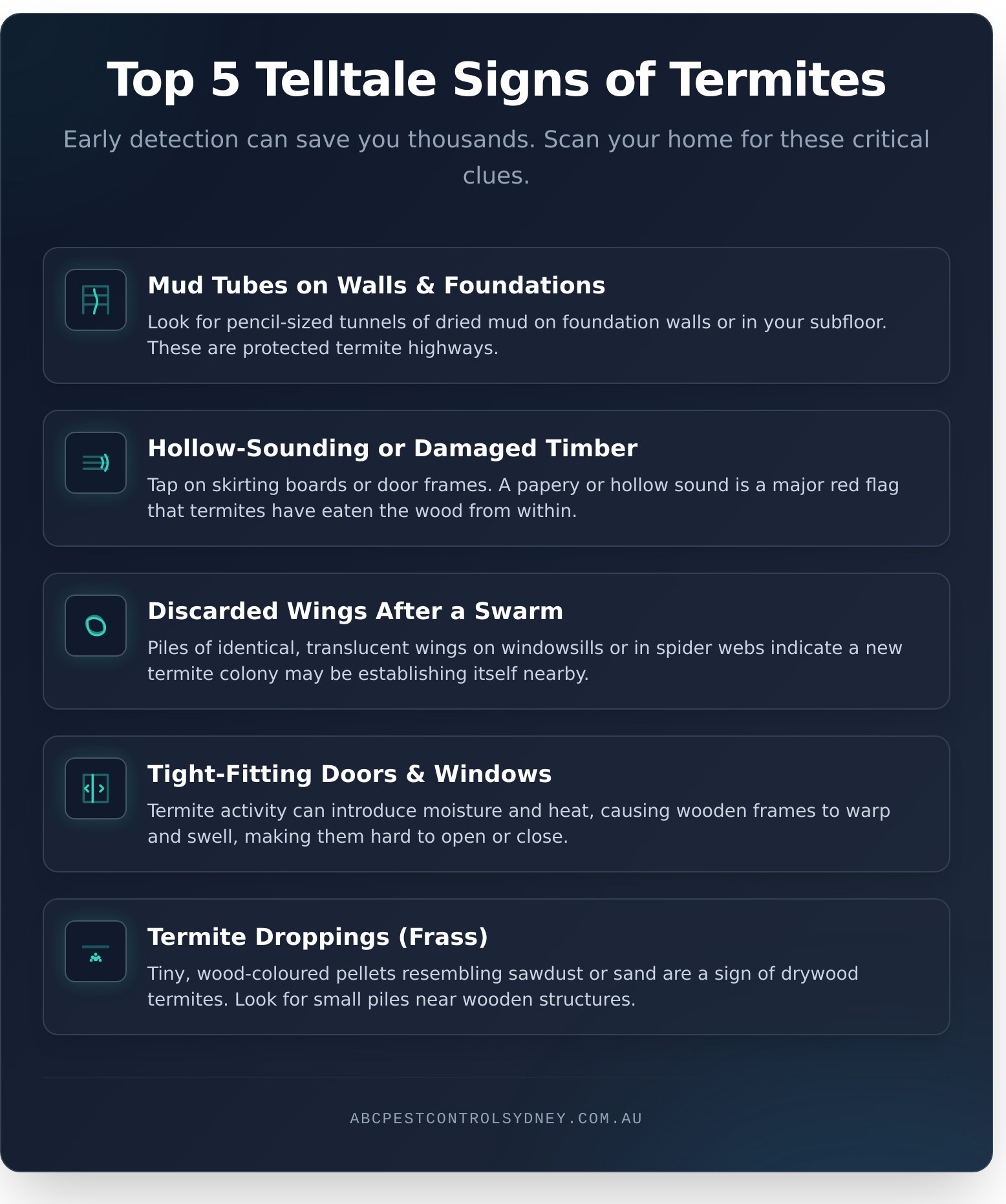
The Top 5 Telltale Signs of Termites in Your Home
Discovering termites early can save you thousands of dollars in costly repairs. If you’re worried about a potential infestation, use this checklist to inspect your property for the most common warning signs. These clues are often subtle, but they are clear indicators that you need a professional inspection immediately. Understanding the essentials of Termite detection and damage is the first step in protecting your home.
1. Mud Tubes on Walls and Foundations
Have you noticed pencil-sized tunnels of dried mud running up your foundation walls, piers, or even behind plasterboard? These are mud tubes, and they are undeniable proof of subterranean termites. These protected highways allow them to travel from their underground colony to the timber in your home, shielding them from open air and predators. Be sure to check your home’s subfloor, concrete slab edges, and internal foundation walls.
2. Hollow-Sounding or Damaged Timber
Gently tap along your skirting boards, door frames, and window architraves with the handle of a screwdriver. If the wood sounds papery or hollow, it’s a major red flag. Because termites eat timber from the inside out, they often leave only a thin, fragile veneer on the surface. You might also see unexplained cracks, rippling wallpaper, or bubbling paint, which are all signs of damage happening just beneath.
3. Discarded Wings After a Swarm
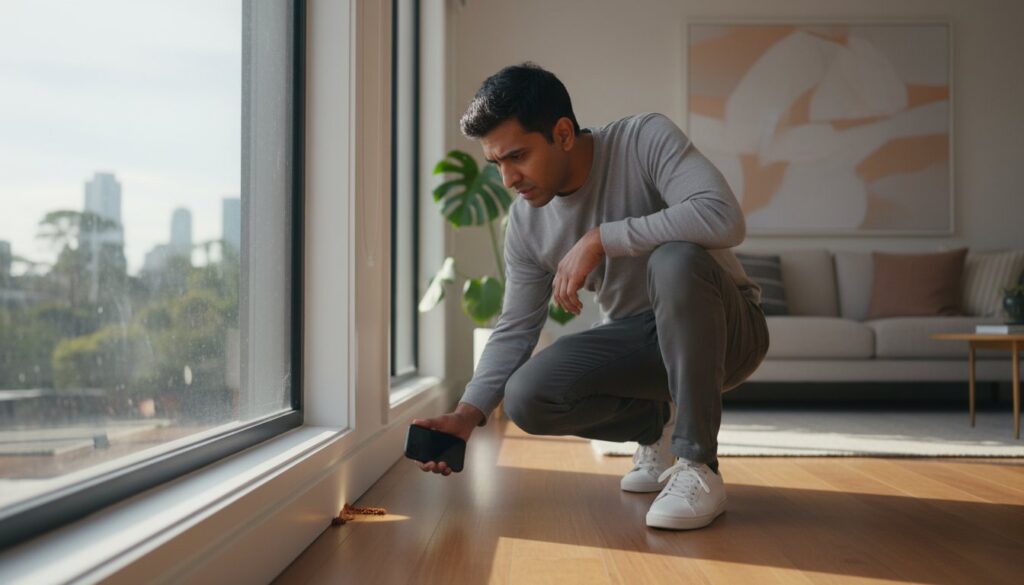
Finding a single insect wing is normal, but finding a small pile of identical, translucent wings is a serious warning. When reproductive termites (known as alates) find a suitable place to start a new colony, they land and twist off their wings. These discarded wings are often found on windowsills, in spider webs, or near light sources, indicating a new termite colony may be establishing itself in or around your home.
4. Tight-Fitting Doors and Hard-to-Open Windows
If a door suddenly starts jamming or a window becomes difficult to open, don’t just blame the humidity. As termites tunnel through timber frames, they introduce moisture and their activity generates heat. This combination can cause the wood to warp and swell. While it can be a subtle sign often mistaken for weather changes, it should not be dismissed, especially if it occurs alongside other symptoms.
5. Termite Droppings (Frass)
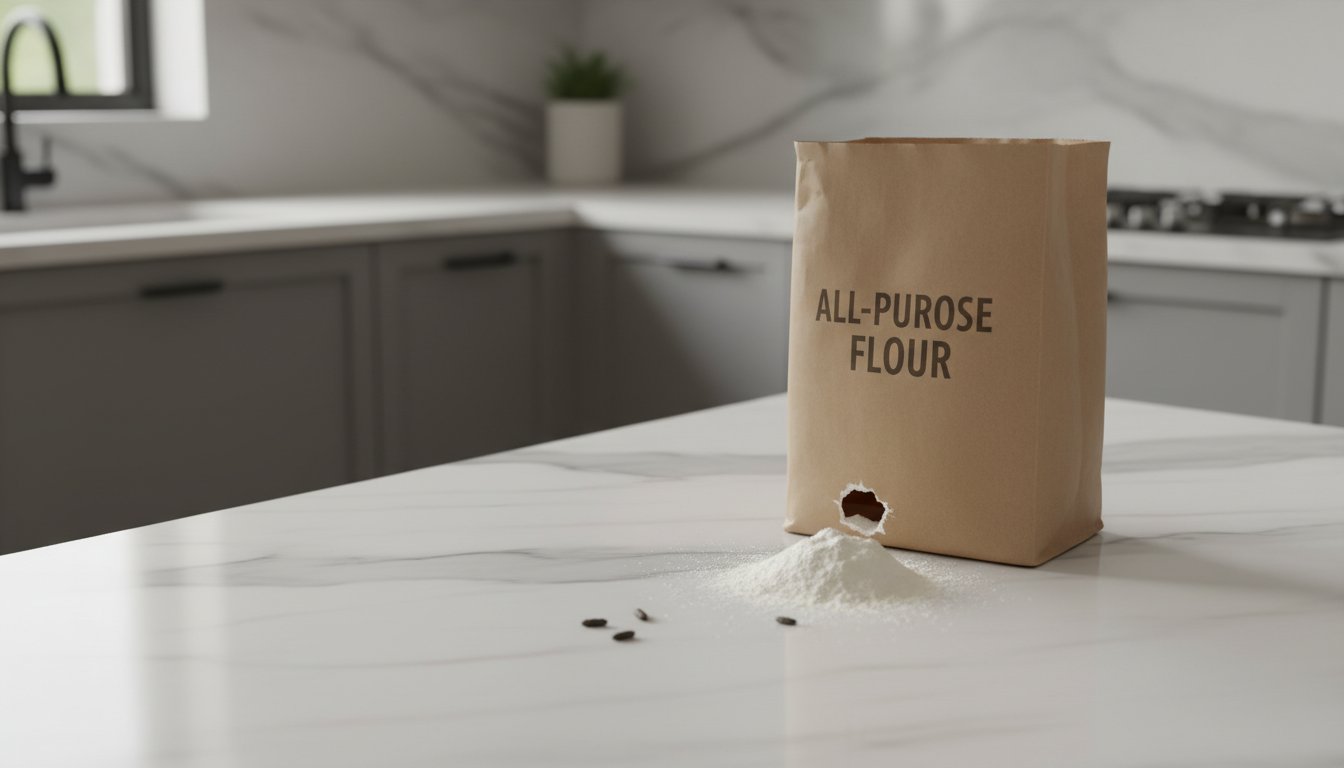
Unlike subterranean termites that use mud, drywood termites leave behind a very different clue: frass. These are tiny, wood-coloured pellets that look like small piles of sand or sawdust. As they consume timber, they push their droppings out of small kick-out holes in the wood. Look for these mysterious piles near furniture, window frames, or directly below any exposed wooden beams in your roof void.
Termites vs. Ants: How to Tell the Difference
It’s one of the most common mistakes a homeowner can make: dismissing a swarm of winged insects as “just flying ants.” This simple error can lead to devastating structural damage if the pests are actually swarming termites. Knowing the key physical differences is your first line of defence in protecting your property. While both are complex social insects, as detailed in this comprehensive overview of termites, their bodies tell very different stories.
To help you identify the threat correctly, focus on these three distinct features.
Antennae: Bent vs. Straight
Take a close look at the antennae. Flying ants have distinctly “elbowed” or bent antennae that look like a jointed hinge. In contrast, a termite’s antennae are straight and may appear beaded, resembling a tiny, straight string of pearls. This is a subtle but consistent difference.
Waist: Pinched vs. Broad
This is often the easiest way to tell them apart. Ants have a very thin, pinched waist (a petiole) connecting their thorax and abdomen, giving them a clearly segmented look. Termites have a broad, straight-sided body with no visible “waist” at all, making their body appear as one solid, cigar-shaped piece.
Wings: Unequal vs. Equal Size
If the insect has wings, compare their size. Flying ants have two pairs of wings of unequal size-the front pair is noticeably larger than the back pair. Swarming termites have two pairs of wings that are almost identical in size and shape. These wings are also very fragile and are often shed after their short flight, so finding discarded, identical wings on a windowsill is a major red flag.
| Feature | Swarming Termite | Flying Ant |
|---|---|---|
| Antennae | Straight and beaded | Bent or “elbowed” |
| Waist | Broad, no defined waist | Narrow, pinched waist |
| Wings | Two pairs of equal-sized wings | Two pairs of unequal-sized wings |
Still unsure what you’re looking at? Don’t risk the safety of your home on a guess. The potential for damage is too high. If you have any suspicion of termites, the most critical step is to get a professional identification. Our certified technicians can provide a definitive answer and recommend a safe, effective solution to give you complete peace of mind.
Common Places to Find Termites in and Around Your Property
Knowing where to look is the first step in protecting your home from costly damage. Termites are masters of concealment, but they leave clues in predictable places. By performing a systematic inspection of these high-risk zones, you can spot the early signs of an infestation before it gets out of control. Use this checklist to guide you through a thorough inspection of your property.
Interior Hotspots: Where to Look Inside Your Home
Inside your home, termites seek out dark, undisturbed areas with a reliable source of timber. Pay close attention to points where timber meets the ground or areas with excess moisture.
- Skirting Boards, Architraves, and Window Frames: Gently press on these timber elements. If they feel papery, sound hollow, or crumble easily, it’s a significant red flag. Look for small holes or cracked paint.
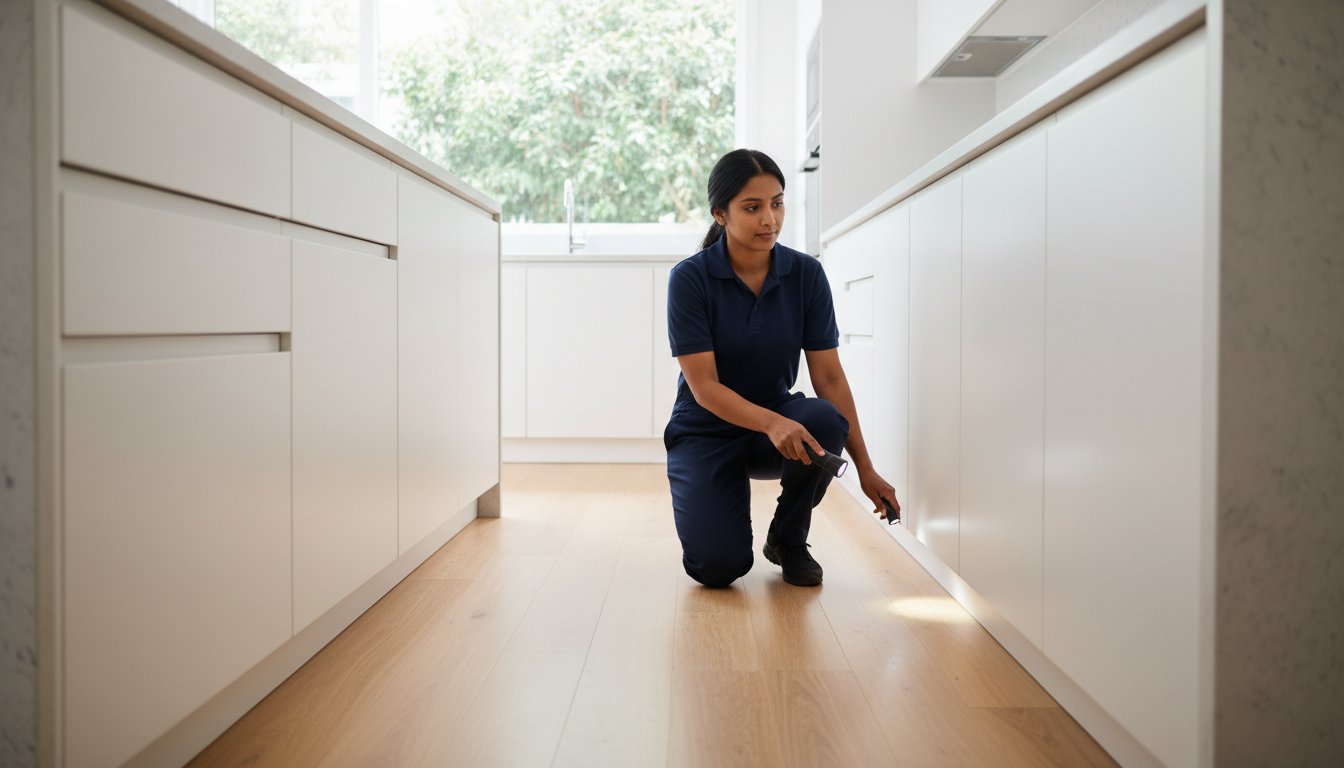
- Subfloor Areas: If you have a subfloor with piers and bearers, this is a critical inspection point. Armed with a powerful torch, check for mud tubes running up the piers and look for any damage to the timber bearers and joists.
- Roof Void: Termites can travel all the way to the top of your home. In the roof void, inspect timber trusses and rafters for hollowing, mud packing, or visible damage.
- Wet Areas: Bathrooms, laundries, and kitchens are prime targets due to moisture from plumbing. Check around pipes, behind toilets, and under sinks for any signs of water damage, which can attract destructive termites.
Exterior Hotspots: Checking Your Yard and Foundation
An infestation almost always begins from outside the home. Creating a clear, inhospitable zone around your property’s foundation is one of the most effective preventative measures you can take.
- Foundation Walls: Carefully walk the perimeter of your home and inspect the foundation slab and brickwork for mud tubes-the superhighways termites build for protection.
- Garden Beds and Mulch: Piling mulch, soil, or garden beds against your home’s foundation provides a hidden bridge for pests to enter. Ensure there is a clear gap between any garden materials and your walls.
- Firewood and Timber Debris: Stacks of firewood, old tree stumps, timber retaining walls, and discarded wood are a feast for termites. Store firewood off the ground and away from the house.
- Moisture Sources: Leaking outdoor taps, faulty drainage, and dripping air conditioning units create the damp conditions termites need to thrive. Repair leaks promptly to make the area less attractive.
While this checklist is a powerful tool, some signs are invisible to the untrained eye. If your inspection reveals anything suspicious, don’t hesitate. For a guaranteed professional assessment by certified Sydney experts, contact our team for a comprehensive inspection today.
What NOT to Do If You Find Termites (And Your Immediate Next Steps)
Discovering what you suspect to be termite damage can be incredibly stressful. Your first instinct might be to grab a can of bug spray or start poking at the area to see how bad it is. This is the single biggest mistake you can make. The moments after you find potential signs of termites are critical, and your actions will directly impact the success of a professional treatment.
Critical Mistake: Do Not Disturb Them or Use DIY Sprays
Store-bought sprays are designed to kill on contact, but they will only eliminate a tiny fraction of the worker termites you can see. This doesn’t affect the queen or the heart of the colony. Instead, it acts as a loud alarm, causing the colony to retreat from the area. They will seal off their tunnels and simply reappear in a different, often harder-to-find, part of your home. This scatters their activity and makes it extremely difficult for a professional to track the colony to its source and treat it effectively.
Your Action Plan: What to Do Right Now
Instead of reacting with panic, follow this simple and effective plan to protect your property and ensure a successful outcome. Taking a calm, measured approach is the best way to get the situation under control.
- Take Photos: Carefully take clear pictures of the suspected damage, mud tubes, or insects from a distance. This provides valuable documentation for when you speak to a professional technician.
- Avoid All Disturbance: Do not touch, break, or clean the area. Do not spray any chemicals. Leave the damaged timber exactly as you found it. The goal is to keep the termite activity patterns intact for an accurate assessment.
- Call a Professional Immediately: Your most important step is to contact a licensed and insured termite control expert. They have the specialised equipment and knowledge to inspect, identify, and create a targeted eradication plan that is safe for your family and pets.
Acting correctly from the moment of discovery is key to eradicating the problem efficiently. By staying calm and calling for expert help, you are taking the best possible step to protect your home. Don’t panic. Our experts are ready to help. Get a free quote.
Don’t Let Termites Win: Secure Your Sydney Property Today
Recognising the subtle signs of an infestation-from mud tubes snaking up your foundation to hollow-sounding timber-is your first and most critical line of defence. As we’ve covered, knowing what to look for and understanding that DIY treatments can often make the problem worse are key to protecting your home from thousands of dollars in structural damage.
When it comes to protecting your most valuable asset, there is no room for guesswork. The threat of termites in Sydney is real, but you don’t have to face it alone. With over 20+ years of dedicated local experience, the certified team at ABC Pest Control provides the professional expertise you need. We use advanced, eco-friendly treatments that are safe for your family and pets, all backed by our 100% Satisfaction Guarantee for your peace of mind.
Don’t wait for the damage to get worse. Book a professional termite inspection today!
Take the definitive step towards protecting your property and enjoy the confidence of a secure, termite-free home.
Frequently Asked Questions About Termites
How much damage can termites actually cause to a house?
Termites can cause catastrophic structural damage, often silently from within your walls. A single colony consumes timber 24/7, compromising structural beams, flooring, and window frames. In Australia, repair bills frequently exceed A$10,000 and are typically not covered by standard home insurance. This “silent destruction” is why professional intervention at the first sign of termites is critical to protecting your most valuable asset from devastating financial loss.
Can you hear termites moving in your walls?
Yes, in a quiet environment, you may hear faint clicking or soft, rustling sounds. This is often the noise of soldier termites tapping their heads as a warning signal or worker termites chewing through the timber. While not always audible, hearing any unusual noise from your walls is a significant red flag. If you suspect activity, it’s crucial to book a professional inspection immediately to confirm their presence and prevent further damage.
How often should I get a professional termite inspection in Sydney?
For complete peace of mind in a high-risk area like Sydney, we strongly recommend a professional termite inspection at least once every 12 months, as per the Australian Standard. This annual check-up allows our certified technicians to identify early signs of termite activity that are invisible to the untrained eye. Regular inspections are the most effective and affordable way to protect your home before a colony can establish and cause costly damage.
Are professional termite treatments safe for my children and pets?
Absolutely. Your family’s well-being is our highest priority. We use advanced, family-friendly termite treatments that are specifically formulated to be safe for people and pets when applied by our certified professionals. Our technicians are expertly trained to apply these solutions precisely and safely, targeting termites directly while minimising any exposure to your living areas. You can rest assured our methods are both highly effective and completely safe for your home.
What are the most common types of termites found in Sydney?
Sydney’s biggest threat comes from subterranean termites, which build large, hidden nests underground. The most destructive species we encounter is Coptotermes acinaciformis, notorious for its aggressive nature and ability to cause rapid, widespread damage. Another common species is Schedorhinotermes. As local Sydney experts, our team has the specialised experience to identify and implement the most effective eradication strategy for these specific threats to your property.
Does seeing one termite mean I have an infestation?
Seeing a single termite, particularly one with wings (known as a swarmer or alate), is a serious warning. These are reproductive termites sent from a large, mature colony to establish a new one-potentially in your home. While it doesn’t guarantee an active infestation inside your walls, it confirms a dangerous colony is nearby. You cannot afford to dismiss this sign. An urgent professional inspection is essential to assess the risk and protect your property.