
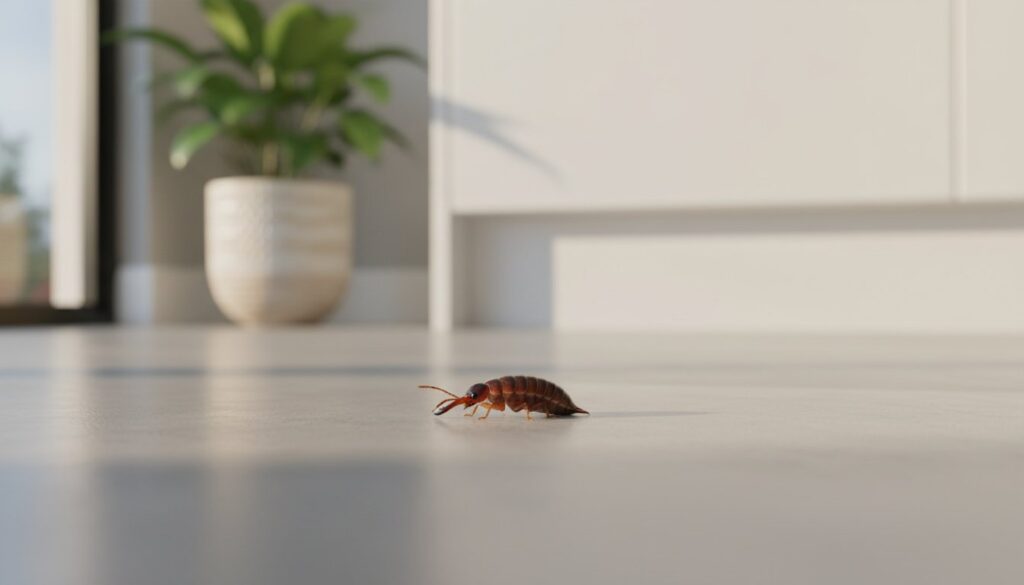
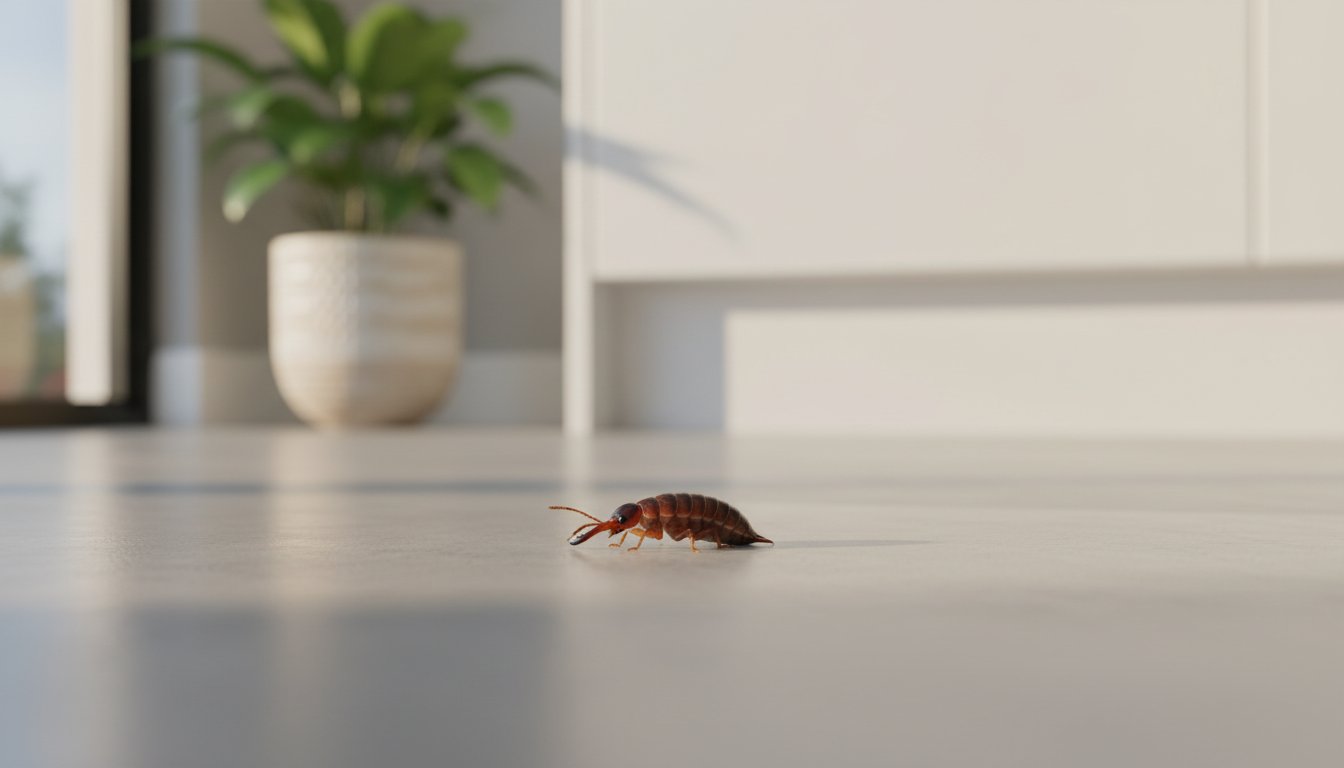
That strange, pincer-tailed insect you just found scurrying across your kitchen floor isn’t as menacing as it looks. And despite the unsettling myths, it has no interest in crawling into your ears. What you’ve likely found is an earwig, a common pest that often seeks shelter inside Sydney homes, especially during damp weather. Finding any unwanted insect can be stressful, leaving you worried about your family and unsure of the best way to handle the problem.
Rest assured, you’ve come to the right place. This guide is your complete, practical resource for taking back control. We will show you how to confidently identify an earwig, understand why they are mostly harmless, and provide safe, effective methods to remove them from your home and garden. You’ll learn simple prevention strategies and know exactly when an infestation requires a professional, guaranteed solution to protect your peace of mind.
What Are Earwigs? An Identification Guide for Sydney Residents
Finding an insect with a pair of menacing pincers in your home can be unsettling. However, if it’s an earwig, you can rest assured that they are mostly harmless to humans and pets. These common Sydney pests are more of a nuisance than a danger, and understanding what they are is the first step to effectively removing them from your property.
Despite old myths, earwigs do not crawl into human ears. Their prominent pincers, or cerci, are used primarily for defence against predators and during courtship rituals. To understand their behaviour, it helps to know the basics of What Are Earwigs? in a biological sense. In Australia, the most common species you’ll encounter is the European Earwig (Forficula auricularia), an introduced species that thrives in our climate. They prefer to live outdoors but will venture inside looking for food or shelter.
Key Identifying Features
Correctly identifying an earwig is simple once you know what to look for. Our professional team relies on these key characteristics to confirm an infestation:
- Body: They have a distinctive elongated, flattened body that is typically reddish-brown to black and measures between 5-25mm in length.
- Pincers (Cerci): Their most notable feature. You can distinguish the sexes by their pincers: males have large, curved pincers, while females have smaller, straighter ones.
- Antennae: Look for a pair of long, thread-like antennae on their head, which they use to navigate and find food.
- Wings: Earwigs possess a set of wings but are very reluctant flyers. You are far more likely to see them scurrying across a floor than flying through the air.
Where to Find Earwigs Around Your Property
As nocturnal insects, earwigs hide during the day and become active at night. They are drawn to damp, dark, and sheltered environments, which is crucial information for locating their hiding spots.
Outdoors, check in and under garden mulch, leaf litter, compost bins, firewood piles, and beneath paving stones or pot plants. Indoors, they seek out areas with high moisture. Common indoor hotspots include laundries, bathrooms, kitchens (especially under sinks), and damp basements. If you spot one, there are likely more hiding nearby.
Earwig Myths vs. Facts: Are They Really Dangerous?
The sight of an earwig can be unsettling, largely due to its menacing-looking pincers and a name that fuels some rather disturbing folklore. But are these pests actually a danger to you, your family, or your home? The short answer is no. It’s time to separate fact from fiction and give you peace of mind.
Let’s address the most common concerns and debunk the myths surrounding this common household insect. Rest assured, the reality of an earwig is far less alarming than its reputation suggests.
Debunking the ‘Ear-Crawling’ Myth
The most persistent myth is that earwigs crawl into human ears to lay eggs in the brain. This is completely false. This centuries-old tale has no scientific basis and is believed to have originated because the insect’s hind wings resemble the shape of a human ear. While they do seek out dark, moist crevices to hide, your ear canal is not an environment they find attractive or suitable.
Do Earwigs Bite or Sting?
Earwigs do not bite or sting. Those intimidating pincers on their abdomen, called cerci, are used for defence against predators and for sparring with other earwigs, not for attacking humans. If you were to handle one roughly, it might give you a light pinch in self-defence. This pinch is very unlikely to break the skin and is generally less painful than a mosquito bite.
Are They a Threat to Your Home or Garden?
While finding any pest in your home is a nuisance, it’s important to understand the actual risk they pose. Here’s a clear breakdown:
- Structural Damage: Unlike termites, earwigs do not eat wood or cause any structural damage to your property. They are simply seeking shelter.
- Health Risks: Earwigs are not known to transmit any diseases to humans or pets. They pose no direct health threat.
- Garden Damage: In the garden, earwigs can be both helpful and harmful. They are beneficial predators that eat aphids, mites, and insect eggs. In large numbers, however, they can chew on seedlings and soft fruits. If you’re seeing this damage, learning more about how to get rid of earwigs in garden areas can protect your plants.
Ultimately, an earwig is a nuisance pest. They don’t cause harm, but their presence indoors is a clear sign that it’s time to take action to protect your home.
Why Are Earwigs Invading Your Home? Common Attractants
To effectively eliminate an earwig problem, you must first understand what attracts them. Prevention is always the most effective strategy, and it starts with making your property less inviting. Contrary to old wives’ tales, which you can learn about in this guide on Earwig Myths vs. Facts, these pests aren’t looking to bother you; they are simply searching for specific conditions to survive. Sydney’s humid climate often creates the perfect environment for them, but by managing these key attractants, you can protect your home.
The Number One Attractant: Moisture
More than anything else, earwigs need moisture to survive and reproduce. A damp environment is a paradise for them. If your home offers a source of moisture, you’re rolling out the welcome mat. Common problem areas include:
- Leaking pipes under sinks or in walls
- Poor drainage around your home’s foundation
- Damp basements, subfloors, and laundry rooms
- Overwatered gardens or thick, wet mulch right against the house
Pro Tip: Regularly check for leaks and consider using a dehumidifier in damp areas like basements. This simple step is your first line of defence.
Food Sources Inside and Out
While earwigs are primarily scavengers outdoors, they will take advantage of available food sources inside your home. A clean property is a less attractive property. Be aware of what they eat:
- Outside: Decaying organic matter like leaf litter, rotting wood, garden debris, and other insects like aphids.
- Inside: Greasy or sweet food spills, crumbs, pet food left out overnight, and even house plants.
–
Keeping your kitchen clean and storing pet food in sealed containers will help eliminate these indoor temptations.
Shelter and Entry Points
An earwig seeks dark, tight, and undisturbed spaces to hide during the day. Outdoors, this could be under rocks, logs, or thick ground cover. When they move inside, they are looking for the same thing. They gain access to your home through tiny openings you might not even notice.
Seal these common entry points to block their path:
- Cracks in the foundation
- Gaps around water pipes and utility lines
- Damaged weather stripping on doors
- Torn window and door screens
Don’t let your home become a haven. A thorough inspection and sealing of these gaps is a critical step in professional pest prevention.

How to Get Rid of Earwigs: DIY Prevention & Control
The most effective long-term strategy to manage an earwig problem is to make your home and garden less inviting to them. Prevention is always the best defence. By focusing on simple habitat modification, you can significantly reduce their numbers without immediately turning to chemicals. These proactive, family-safe steps create a powerful and lasting barrier against these unwelcome pests, giving you peace of mind.
Outdoor Prevention Strategies
Your garden is the first line of defence. Earwigs thrive in damp, dark, and sheltered areas, so eliminating these conditions is the key to stopping an infestation before it reaches your door. Focus on creating a clean, dry perimeter around your home’s foundation.
- Create a Dry Zone: Pull mulch, dense ground cover, and piles of dead leaves at least 30-50cm away from your foundation. This removes the moist shelter that earwigs need to survive.
- Adjust Sprinklers: Ensure your irrigation system isn’t over-saturating garden beds right next to the house. Water in the morning so the soil has a chance to dry out during the day.
- Clean Gutters and Drains: Clogged gutters overflow, creating damp patches along your walls and foundation. Keeping them clear of debris eliminates a perfect breeding ground.
- Relocate Wood and Compost: Move firewood piles, compost bins, and other garden debris as far from the house as possible, as these are prime habitats.
Indoor Control Measures
If you’ve already spotted earwigs inside, don’t panic. The immediate goal is removal, followed by blocking any potential entry points to prevent more from getting in. A dry, well-sealed home is your best protection.
- Vacuum Them Up: For a quick, chemical-free solution, simply vacuum up any earwigs you see. Be sure to dispose of the vacuum bag or empty the canister outside immediately.
- Seal Entry Points: Meticulously inspect your foundation, walls, and window frames for cracks. Use caulk or sealant to close any gaps, paying close attention to where utility pipes enter the home.
- Check Weather Stripping: Ensure the seals around your doors and windows are intact and create a tight fit. Damaged weather stripping acts as an open invitation for pests.
- Fix Leaks Promptly: Address any sources of moisture indoors, such as leaky pipes under sinks, in the laundry, or in the bathroom.
Taking all these steps can be time-consuming, and it’s easy to miss a hidden entry point. If you’re finding it difficult to get on top of the problem, it’s time to call in the professionals. Feeling overwhelmed? Let our Sydney experts handle it for you. Our certified technicians will create a guaranteed, family-safe plan to eliminate your pest problem for good.
When to Call a Professional for an Earwig Infestation
While preventative measures and DIY treatments can manage the occasional stray earwig, a persistent presence often signals a more significant issue. Knowing when to escalate to a professional pest control service can save you time, frustration, and protect your home from a widespread infestation. If you’re feeling overwhelmed, it’s a clear sign you need expert help.
Over-the-counter chemical sprays often provide only temporary relief. They may eliminate visible pests but fail to address the hidden breeding grounds where the core of the problem lies. Furthermore, improper use of these chemicals can pose unnecessary risks to the health of your family and pets.
Signs You Need Expert Help
It’s time to call in the professionals when you notice these clear indicators of a larger problem:
- Consistent Sightings: You are seeing large numbers of earwigs indoors on a daily or near-daily basis, not just one or two every few weeks.
- Widespread Presence: You’re finding them in multiple rooms, including dry areas like bedrooms and living rooms, far from their typical damp hiding spots.
- Garden Damage: Your seedlings, flowers, or vegetable plants are showing significant damage from feeding, such as ragged holes in leaves and petals.
- Failed DIY Efforts: You have diligently applied home remedies and preventative measures, but the earwig population has not decreased or has gotten worse.
The ABC Pest Control Advantage
Don’t let pests take over your home. When you choose ABC Pest Control, you are choosing a reliable, local Sydney team dedicated to restoring your peace of mind. We provide a swift, effective, and guaranteed solution.
- Expert Identification: Our certified technicians are trained to accurately identify the source of the infestation, targeting earwigs where they live and breed for complete eradication.
- Safe & Effective Treatments: Your family’s safety is our top priority. We use advanced, family- and pet-safe treatments that are highly effective against pests but gentle on your home environment.
- Comprehensive Solutions: We don’t just eliminate the current problem. We provide you with a comprehensive plan and expert advice to prevent future infestations from occurring.
- 100% Satisfaction Guarantee: We stand behind our work. All our pest control services are backed by a satisfaction guarantee, ensuring the job is done right.
If you’re ready to get rid of your earwig problem for good, contact the trusted local experts. Book an inspection with ABC Pest Control Sydney today and let us protect your home.
Reclaim Your Home and Peace of Mind
Navigating an earwig problem is now straightforward. You’ve learned how to identify these pests, debunk the myths surrounding them, and take practical DIY steps to make your home less inviting. The key is managing moisture and sealing entry points. But when a small nuisance turns into a persistent infestation, a professional solution is the most reliable path forward to truly eliminate the earwig population and prevent their return.
With over 20 years of dedicated experience serving Sydney residents, the certified team at ABC Pest Control is here to help. We specialise in family- and pet-safe treatment options that are both powerful and responsible. Your peace of mind is our priority, which is why every service is backed by our unwavering 100% Satisfaction Guarantee.
Take the final step towards a pest-free home. Don’t let earwigs take over. Book your safe & effective pest control service today! Let us restore the comfort and safety you deserve.
Frequently Asked Questions About Earwigs
Do earwigs bite humans or pets?
This is a common concern, but rest assured, earwigs do not bite. The intimidating pincers at the end of their abdomen are used for defence and capturing prey, not for attacking humans or pets. If handled, an earwig might give a light pinch, but it is very rare for them to break the skin. Their presence is more of a nuisance than a physical threat, so you can have peace of mind knowing your family is safe from bites.
What is the fastest way to get rid of earwigs inside my house?
For immediate removal of a few visible earwigs, vacuuming them up is a quick fix. However, the fastest and most effective way to eliminate an infestation is with a professional pest control treatment. Our certified technicians can identify and treat the source of the problem, targeting entry points and damp areas where they hide. This ensures a comprehensive solution, not just a temporary one, and guarantees your home is protected.
Do earwigs lay eggs in your house?
Earwigs strongly prefer to lay their eggs in moist soil, typically outdoors under mulch, logs, or leaf litter. While it is not their preferred location, they may lay eggs indoors if they find a persistently damp and sheltered area, such as in a basement, under a leaking sink, or in the soil of indoor pot plants. Generally, seeing an earwig inside means it has wandered in from an outdoor nest rather than being born in your home.
What smells do earwigs hate?
Earwigs are repelled by certain strong scents, which can be used as a temporary deterrent. Smells they dislike include peppermint oil, lavender oil, cinnamon, and basil. You can try applying essential oils mixed with water to potential entry points like window sills and door frames. While this can help discourage them, it is not a guaranteed method for eliminating an established population and should be seen as a supplementary measure.
Why am I suddenly seeing so many earwigs in my home?
A sudden increase in earwigs indoors is almost always driven by weather changes. Heavy rain can flood their outdoor shelters, forcing them to seek higher, drier ground inside your home. Conversely, during very dry or hot periods in Australia, they will move indoors searching for moisture. If you are suddenly seeing a lot of earwigs, it indicates they have found a way in while escaping unfavourable outdoor conditions.
Are earwigs a sign of other pest problems?
While earwigs themselves don’t cause other pest issues, the conditions that attract them certainly can. Earwigs thrive in high-moisture environments with decaying organic matter. These same conditions are also highly attractive to other pests like cockroaches, millipedes, silverfish, and even termites. Therefore, an earwig problem can be a red flag, signalling underlying moisture issues that could lead to more serious infestations if left unaddressed.