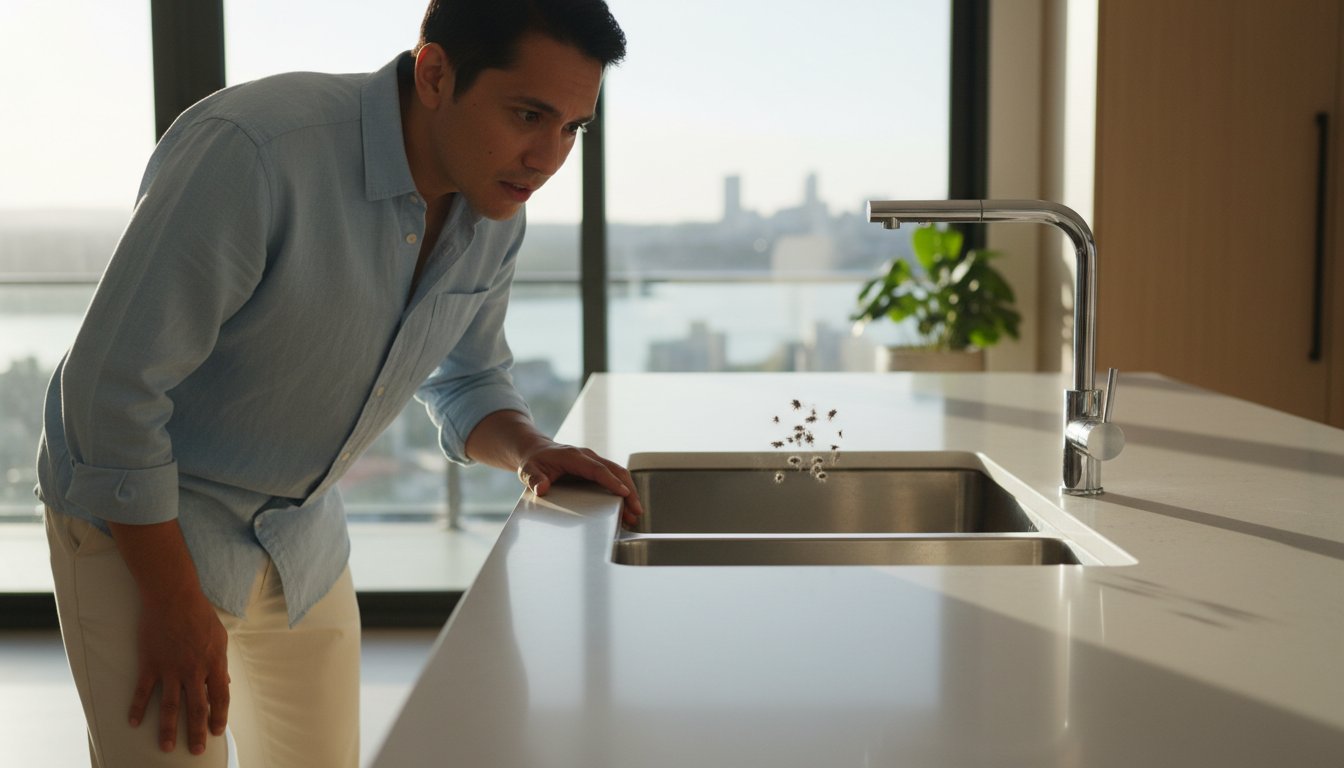
That persistent cloud of tiny black flies hovering over your kitchen sink or bathroom drain is more than just an annoyance. You clean and scrub, but they keep coming back, leaving you frustrated and worried about your home’s hygiene. These stubborn pests are **drain flies**, and they are a common problem for Sydney homeowners. But you don’t have to live with them. A clean, fly-free home is possible, and you don’t need to fight this battle alone.
This complete guide gives you the expert knowledge to reclaim your space. We’ll show you exactly how to identify the source of the infestation, use effective and safe methods to eliminate them for good, and implement crucial steps to prevent them from ever returning. You’ll also learn the clear signs that show when a DIY approach isn’t enough and it’s time to call a professional for a guaranteed solution, ensuring your family’s safety and restoring your peace of mind.
What Are Drain Flies? Identifying the Pests in Your Pipes
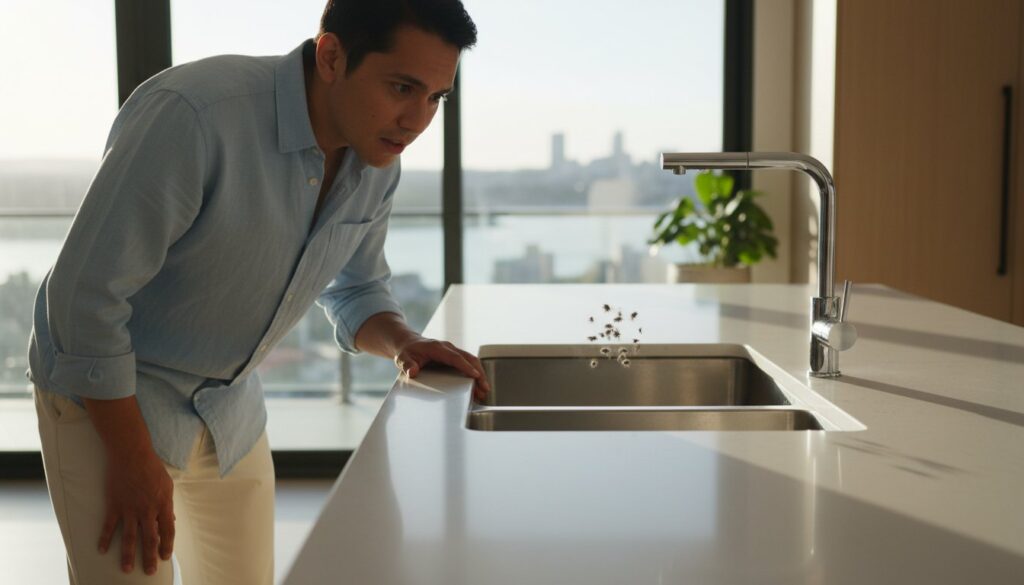
If you’ve noticed small, fuzzy, moth-like insects hovering around your kitchen sink, bathroom shower, or laundry drains, you’re likely dealing with a common Sydney pest. These are drain flies, also known as sewer flies or moth flies. Their presence is more than just an annoyance; it’s a clear signal of a problem lurking inside your pipes. To get a handle on the situation, it’s important to understand what drain flies are and why your home is a breeding ground for drain flies.
Unlike fruit flies that are attracted to rotting produce, these pests thrive on the organic sludge, grime, and bacteria that accumulate deep within your plumbing. This environment is the perfect breeding ground for drain flies. Spotting them is the first step-acting fast is the next.
Drain Fly Identification: What to Look For
For effective treatment, it’s crucial to correctly identify that your problem is drain flies. They are often confused with gnats or fruit flies, but have distinct features. Here’s how to be sure:
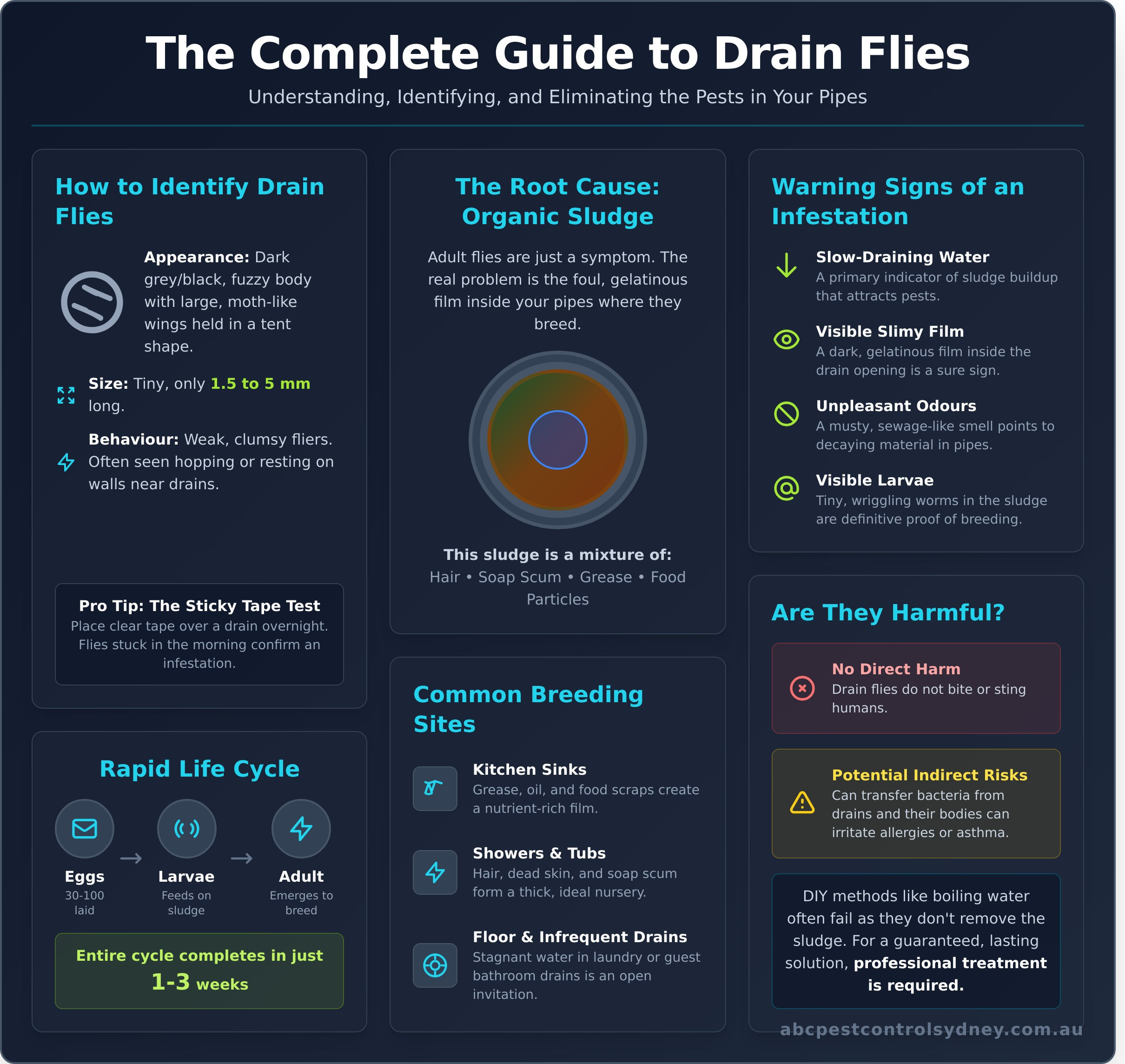
- Appearance: They have a dark grey or black, fuzzy body with large, round, moth-like wings. A key feature is how they hold their wings in a tent-like shape over their body when at rest.
- Size: Drain flies are small, typically measuring between 1.5 to 5 mm long.
- Behaviour: They are weak, clumsy fliers, often seen hopping or resting on walls and ceilings near sinks, showers, and floor drains.
- Simple Test: To confirm an active infestation, place a piece of clear sticky tape (sticky side down) over the drain opening overnight. If you find flies stuck to it in the morning, you have confirmed an infestation of drain flies.
The Drain Fly Life Cycle: From Egg to Adult
Understanding the life cycle explains why a small problem can escalate so quickly. An adult female can lay 30 to 100 eggs at a time directly in the organic film lining your pipes. The entire cycle has four stages and can be completed in as little as one to three weeks in warm, moist conditions. The real issue lies with the larvae, which are tiny, worm-like creatures that feed on the decomposing sludge in your drains. This rapid breeding cycle means that ignoring a few flies will quickly lead to a full-blown infestation of drain flies.
Are Drain Flies Harmful to Humans?
The good news is that you won’t get a bite or sting from drain flies. They are not considered a major health threat in the same way as cockroaches or mosquitoes. However, because they breed in unsanitary environments like drains and sewers, they can pick up bacteria and potentially transfer it to surfaces in your home. For individuals with asthma or severe allergies, the tiny hairs and dust from their bodies can become airborne and act as a minor irritant. The primary issue remains what they represent: poor sanitation in your pipes that needs urgent attention from a professional.
The Root Cause: Why Drain Flies Are Invading Your Home
Swatting the fuzzy, moth-like flies you see in your bathroom or kitchen might feel productive, but it won’t solve your problem. The adult flies are just the symptom; the real issue is hidden deep inside your pipes. Drain flies don’t just appear out of nowhere-they breed in the damp, decaying organic matter that lines your plumbing.
This ‘sludge’ is a foul mixture of everything that goes down your drains: hair, soap scum, grease, food particles, and other waste. To permanently stop an infestation, you must eliminate this breeding ground. As detailed in expert guides on how to get rid of drain flies, these pests thrive and lay their eggs in the stagnant water and slimy film that builds up over time. Killing the adults is only a temporary fix if you don’t destroy the nest.
Common Breeding Sites in Your Drains
In a typical Sydney home, these pests have several favourite spots to lay their eggs. Your first step is to identify which drains are harbouring the infestation. The most common culprits include:
- Kitchen Sinks: Grease, oil, and tiny food scraps create a perfect, nutrient-rich sludge in the P-trap and pipes.
- Bathroom Showers and Tubs: A combination of hair, dead skin cells, and soap scum forms a thick film that traps water and provides an ideal nursery for drain fly larvae.
- Floor Drains: Drains in laundries, basements, or garages are often neglected. If they dry out, the sludge remains, and the lack of flowing water makes it a prime breeding location.
- Infrequently Used Drains: A guest bathroom sink or utility tub that isn’t used often can develop stagnant water in the P-trap, inviting pests to move in.
Signs of a Drain Fly Breeding Ground
Not sure where they’re coming from? Your drains will give you clear warning signs. Don’t wait until you have a full-blown infestation. Look for these red flags:
- Slow-Draining Water: If your sink or shower is draining slower than usual, it’s a strong indicator of a clog or sludge buildup that attracts pests.
- A Slimy Film: Look inside the drain opening with a torch. A visible, gelatinous, dark film is a sure sign of the organic matter where drain flies lay eggs.
- Unpleasant Odours: A musty, sewage-like smell coming from a drain points to decaying material inside the pipes.
- Visible Larvae: In severe cases, you may see tiny, worm-like larvae wriggling in the sludge around the drain opening. This is definitive proof of an active breeding site.
How to Get Rid of Drain Flies: DIY vs. Professional Treatment
When you spot a swarm of tiny flies hovering over your kitchen sink or shower drain, the first instinct for most Sydney homeowners is to try a quick DIY fix. While the effort is understandable, these home remedies rarely provide a lasting solution because they fail to address the root of the problem: the breeding ground.
Common DIY Steps (And Why They Often Fail)
Many popular at-home methods only kill a few adult flies or larvae, leaving the core infestation intact. This approach leads to a frustrating cycle where the pests disappear for a day or two, only to return in full force.
- Boiling Water: Pouring boiling water down the drain might kill some larvae on the surface, but it won’t penetrate or remove the thick, gelatinous sludge lining your pipes where drain flies lay their eggs.
- Vinegar & Baking Soda: This combination creates a fizzing reaction that can help with minor cleaning and odours. However, it is not powerful enough to break down the stubborn organic film that sustains the infestation. While many online sources suggest this, as detailed in this University of Arkansas Extension guide on drain flies, eliminating the breeding material is the most critical step, which this method fails to do.
- Bleach: Using bleach is not only a safety risk due to harsh fumes, but it’s also ineffective. Bleach flows too quickly over the organic sludge to break it down, providing minimal impact on the breeding site.
These methods offer temporary relief at best, but they never eliminate the source.
The Professional Pest Control Advantage
A professional treatment is the only way to guarantee the complete removal of drain flies. At ABC Pest Control, our experienced technicians don’t just treat the symptoms; we eradicate the cause with a proven, systematic approach.
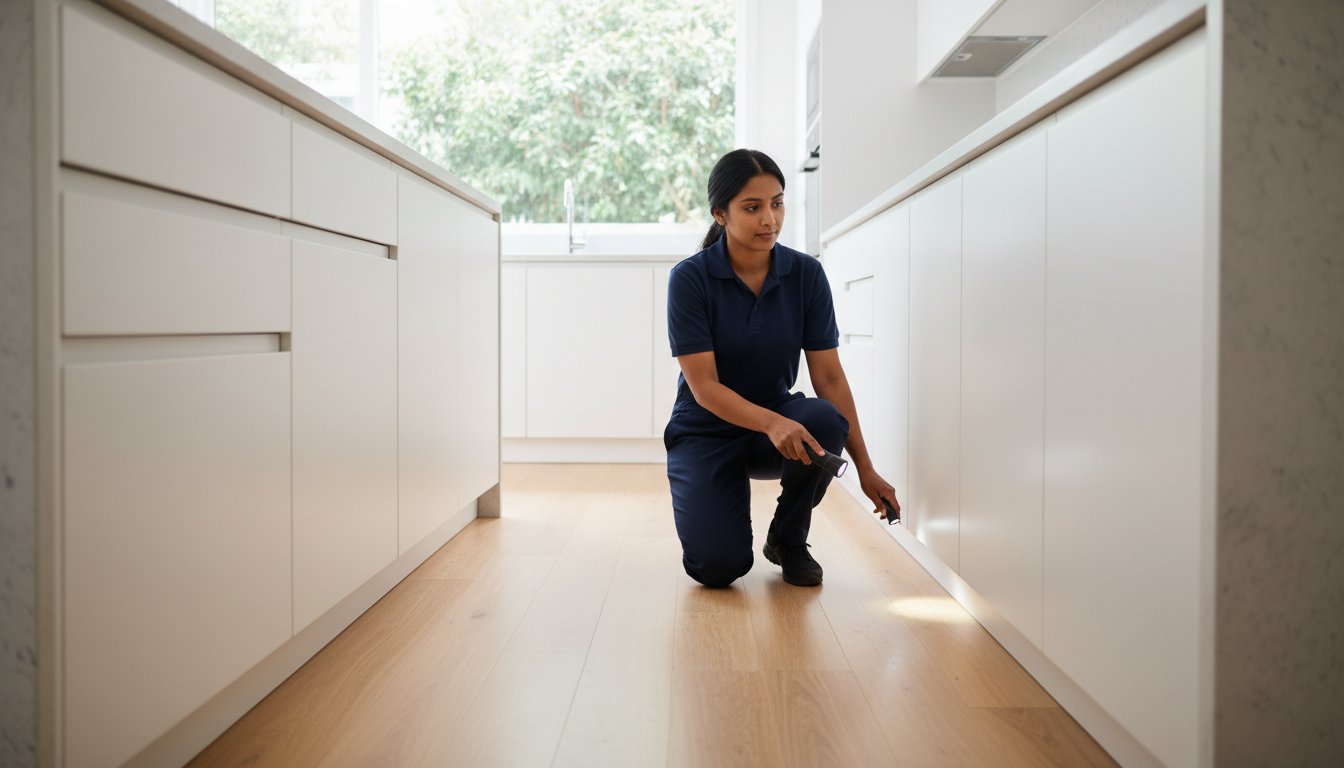
- Expert Inspection: We start by accurately identifying all breeding sources. An infestation might originate in a forgotten floor drain or a leaky pipe, not just the obvious kitchen sink.
- Specialised Tools & Treatments: We use professional-grade equipment to break down and flush out the organic sludge. This is followed by targeted bio-remediation products that contain microbes designed to digest the remaining organic waste, completely eliminating the flies’ food source and breeding ground.
- Guaranteed Results: Our methods target the entire life cycle-from eggs to adults-ensuring the infestation is eliminated for good.
Why You Shouldn’t Use Chemical Drain Cleaners
Reaching for a harsh, off-the-shelf chemical drain cleaner can make the problem worse. These products are highly corrosive and can damage your plumbing, leading to costly repairs. They are also generally ineffective against the specific sludge that drain flies thrive in and pose a significant health risk if handled improperly. Don’t risk your pipes or your health on a product that won’t work.
Tired of DIY failures? Get a professional solution today!
Long-Term Prevention: Keeping Drain Flies Away for Good
You’ve eliminated the immediate infestation, but the job isn’t finished. Winning the battle against drain flies requires ongoing vigilance. The key is to make your drains completely inhospitable for breeding. A simple, consistent maintenance routine is your best defence against a future invasion.
Don’t wait for them to return. By taking these proactive steps, you can secure your Sydney home and ensure these pests don’t become a recurring problem. This isn’t about harsh chemicals; it’s about smart, regular cleaning.
Your Weekly Drain Maintenance Checklist
Integrate these simple tasks into your weekly cleaning schedule to keep drain sludge-the primary breeding ground-at bay:
- Scrub Your Drains: Use a stiff, long-handled pipe brush to manually scrub the inside of drain openings and pipes. This physically removes the organic film where eggs are laid.
- Flush with Hot Water: Once a week, flush every drain in your home (including showers and floor drains) with very hot water. This helps dissolve grease and wash away any remaining gunk.
- Use Enzyme Cleaners: Monthly, use a bio-enzyme drain cleaner. Unlike corrosive chemicals, these products use natural enzymes to safely digest organic waste without damaging your pipes.
- Clean Stoppers and Covers: Wipe down sink stoppers and drain covers, as sludge can accumulate on the underside.
Identifying and Fixing Problem Areas
Drain flies thrive on moisture. A small plumbing issue can quickly become a major pest problem. Routinely inspect your property for these common trouble spots:
- Check for Leaks: Look under sinks and around appliances for slow drips or condensation. Fix any leaks immediately.
- Clear Outdoor Drains: Ensure gutters and outdoor drains are free from leaves and debris that can cause blockages and standing water.
- Clean the Garbage Disposal: If you have one, run it regularly with cold water and clean it using ice cubes and citrus peels to grind away sludge.
- Address Standing Water: Eliminate any sources of persistent moisture, such as condensation pans under refrigerators or pot plant saucers.
Consistent maintenance is the most effective way to prevent drain flies from returning. However, if you have persistent issues or hidden plumbing problems, a professional approach is essential. For complete peace of mind and expert advice, the team at ABC Pest Control Sydney offers professional maintenance plans to keep your home pest-free for good.
When to Call ABC Pest Control for Drain Flies in Sydney
While DIY methods can offer temporary relief, some situations demand professional expertise. A recurring or widespread infestation often points to a deeper issue that simple cleaning can’t resolve. Don’t let a minor nuisance turn into a major problem. Knowing when to call in an expert is key to getting rid of drain flies for good and protecting your home.
Signs Your Infestation Requires an Expert
If you’re feeling frustrated by a persistent fly problem, it’s time to let a professional take over. You’re in expert hands when you notice these clear warning signs:
- The flies keep returning: You’ve thoroughly cleaned your drains, but the flies are back within a week. This indicates the breeding source hasn’t been eliminated.
- The problem is getting worse: Despite your efforts, the number of flies is increasing and they’re appearing in multiple rooms, like the kitchen and laundry.
- The source is out of reach: You suspect the breeding ground is in a broken sewer line under your foundation or another inaccessible area.
- You need a fast, guaranteed solution: You simply want the problem gone now, without the stress and guesswork of trial-and-error methods.
What to Expect From Our Drain Fly Service
When you choose ABC Pest Control, you’re choosing a proven, professional process designed for fast and effective results. Our technicians will conduct a thorough inspection to locate every breeding site, not just the obvious ones. We then provide a clear explanation of our findings and outline a targeted treatment plan. Using industry-approved, family-safe products, we eliminate the infestation at its source and provide you with expert advice to prevent it from coming back.
Your Local Sydney Drain Fly Experts
For over 20 years, ABC Pest Control has been the trusted name for eliminating pests across Sydney. Our highly trained and licensed technicians have the expertise to handle even the most stubborn infestations. We understand that your family’s safety is the top priority, which is why we offer effective eco-friendly treatment options. Stop the cycle of recurring drain fly problems today.
Book your drain fly inspection in under 60 seconds!
Your Final Step to a Drain Fly-Free Home
Dealing with these pests starts with understanding their breeding ground-the organic buildup in your pipes. While DIY methods can offer temporary relief, a persistent infestation of Drain flies. often requires professional intervention to completely eliminate the problem at its source and prevent their return.
Don’t let these unsanitary pests take over your kitchen or bathroom. When you need a fast and effective solution, trust the experts at ABC Pest Control. With over 20 years of dedicated experience in Sydney, we use advanced, eco-friendly, and family-safe treatments to ensure your home is protected. You’re in expert hands.
Why wait for the problem to get worse? Get Rid of Drain Flies Today! Book Your Sydney Service Online. You can book in under 60 seconds for fast, reliable service. A clean, pest-free home is just a click away.
Frequently Asked Questions About Drain Flies
Are drain flies and fruit flies the same thing?
No, they are different pests that require different treatments. Drain flies have fuzzy, dark wings and resemble tiny moths, breeding in the organic sludge inside pipes. In contrast, fruit flies are typically tan with red eyes and are attracted to overripe fruit, sugary spills, and rubbish bins. Correctly identifying the pest is the first step to eliminating it effectively, as the source of the infestation will be in a completely different place.
Can drain flies come up through the toilet?
Yes, drain flies can emerge from a toilet, especially one that is not used often. Organic waste can build up in the toilet’s S-bend or around the wax ring at its base, creating a perfect breeding ground. While sinks and floor drains are more common sources, an unused guest bathroom toilet can easily become the epicentre of an infestation. Regular flushing and cleaning is the best way to prevent this specific problem.
How long does it take to get rid of a drain fly infestation professionally?
A professional treatment provides fast results. The initial service typically takes less than an hour to apply. You will notice a dramatic reduction in adult flies within 24 hours. However, completely breaking the life cycle can take 1-2 weeks, as existing pupae may still hatch. Our expert treatment ensures that once these last few flies emerge, they have nowhere to breed, ending the infestation for good.
Do drain flies mean my house is dirty?
Not at all. The presence of drain flies is not a reflection of your home’s cleanliness. These pests thrive on the slimy, organic film that builds up deep inside pipes, an area that standard cleaning products cannot reach. This sludge can accumulate in any home, new or old, regardless of how spotless your kitchen and bathroom surfaces are. It is a sign of a hidden issue within your plumbing, not poor housekeeping.
What is the cost of professional drain fly treatment in Sydney?
In Sydney, the cost for a professional drain fly treatment generally ranges from A$180 to A$350. The final price depends on factors like the severity of the infestation and the number of drains that require treatment throughout your property. For a precise and transparent quote, we recommend a professional inspection to assess the unique conditions of your home and provide a guaranteed solution.
Can I get drain flies even if I have a new home?
Yes, it is entirely possible to get drain flies in a brand new home. During construction, debris like grout or sawdust can be washed into pipes, creating an obstruction where sludge quickly forms. Furthermore, if a sink or shower in a new build isn’t used for a while, the water in the P-trap can evaporate, allowing pests to enter and breed. The condition inside the drain is what matters, not the age of the house.
Are the treatments you use safe for my pets and children?
Your family’s safety is our highest priority. Our expert technicians use professional-grade, eco-friendly treatments that are approved for use in residential homes. The products are applied directly into the drains to target the source, which minimises exposure. We always advise on simple precautions, like keeping pets and children away from the immediate area during treatment, to ensure a completely safe and effective result.