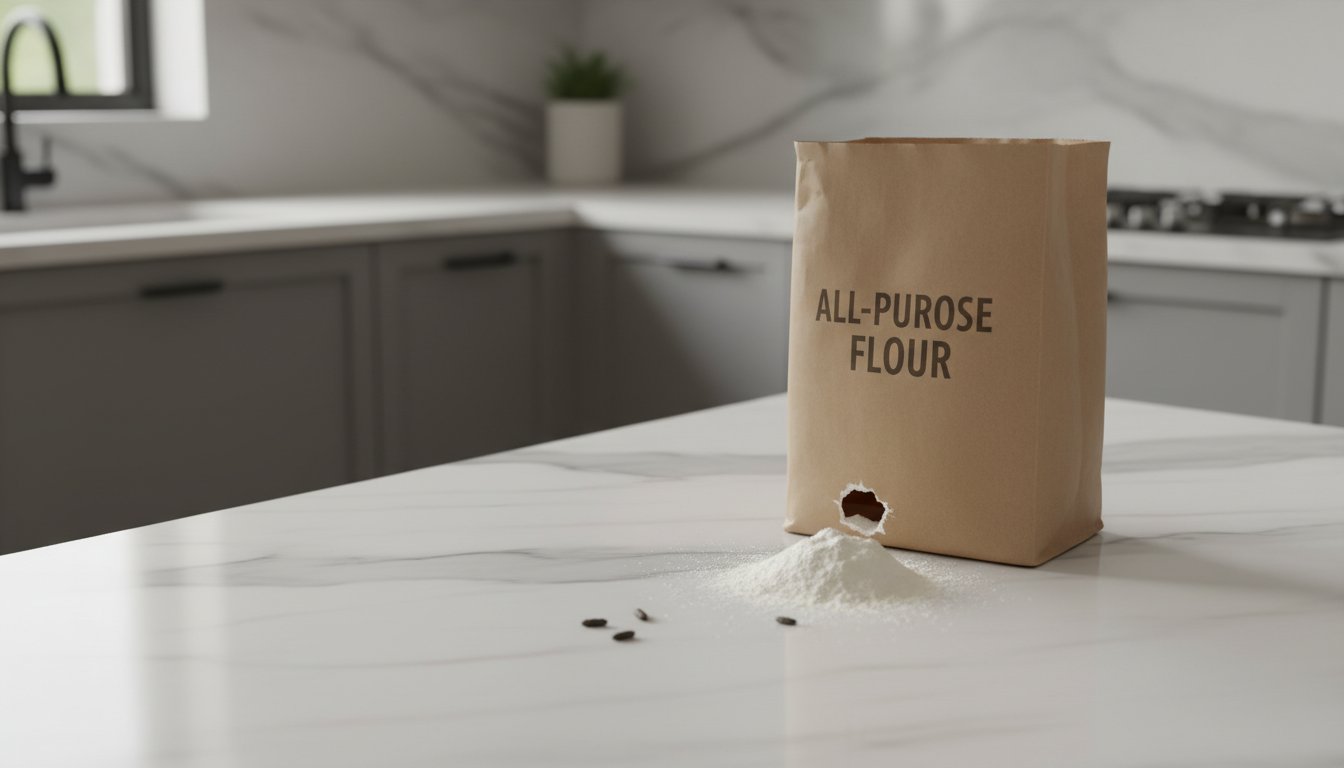


You reach into the pantry for a box of cereal, only to find delicate, silky webbing and tiny, unwelcome intruders. That sinking feeling is all too familiar for many Sydney homeowners: another bag of flour ruined, more groceries in the bin, and the frustrating question of where these pests keep coming from. This isn’t just a nuisance; it’s a full-blown infestation by the common kitchen moth, and the constant battle can leave you feeling worried about your food and fed up with cleaning that never seems to work.
But you don’t have to live with this pantry pest. Rest assured, a permanent, safe solution is within reach. As Sydney’s trusted pest control experts, we’ve created this guide to give you the power to fight back effectively. We’ll show you exactly how to identify these invaders, completely eliminate the entire lifecycle from egg to adult, and implement guaranteed strategies to protect your pantry for good. It’s time to secure your food, stop wasting money, and get the peace of mind you deserve.
Identifying the Enemy: Is It Really a Kitchen Moth?
If you’ve noticed small moths fluttering around your pantry, your first step is correct identification. It’s easy to confuse a pantry pest with a clothes moth, but they are entirely different problems. A kitchen moth infests food products-think flour, cereal, grains, and spices-not your valuable wool or silk garments. Getting this right is crucial, as the treatment methods are completely different.
The pest you’re likely dealing with is the Indianmeal moth, one of Sydney’s most common and frustrating pantry invaders. They can quickly turn expensive groceries into a contaminated mess. Don’t wait. Learning to spot the tell-tale signs is the first step toward protecting your food and eliminating the problem before a small issue becomes a major infestation.
What the Adult Moths Look Like
While the adults are the most visible sign, they are not the primary source of damage. However, recognising them is key to catching an infestation early. Here’s what to look for:
- Size and Shape: They are small, with a wingspan of about 1-2 cm.
- Distinctive Wings: Their most recognisable feature is their wing pattern. The front half near the head is a pale grey or tan, while the outer half is a distinct coppery-brown or bronze colour.
- Behaviour: You’ll often see them flying in a zig-zag, erratic pattern, especially at night around lights or near the pantry itself.
Remember, the flying adult moth is annoying, but its only purpose is to reproduce. The real destruction is caused by their larvae.
Spotting the Larvae and Webbing
Finding larvae or their webbing is definitive proof of an active infestation that requires immediate action. You must inspect your stored food products carefully for these signs. Look inside and around packaging for:
- Small Larvae: Keep an eye out for small, off-white or creamy-coloured “worms” with brown heads. They are often found inside packages of flour, rice, pasta, dried fruit, and even pet food.
- Silky Webbing: The larvae produce sticky, silk-like webbing as they eat and move. This webbing often clumps food particles together, creating noticeable clusters in your containers.
- Unpleasant Odour: A severe infestation can produce a faint, unpleasant smell and an unusual “caked” texture in your dry goods.
If you find any of these signs, it’s time to act. This is not a pest problem that will resolve itself.
The Kitchen Moth Lifecycle: Why They Keep Coming Back
Swatting the one or two moths you see flying around your pantry feels like a victory, but it’s a short-lived one. The real problem is the one you can’t see. A single female moth can lay the groundwork for a full-blown infestation that explodes in just 30 to 60 days. To truly protect your food and family, understanding their rapid four-stage lifecycle is the first step to taking back control.
Simply killing the flying adults is not enough. The real damage is being done by the hidden stages of the kitchen moth lifecycle, which are likely already established in your cupboards.
Stage 1 & 2: The Hidden Eggs and Hungry Larvae
The infestation begins silently and out of sight. A female moth lays hundreds of tiny, almost invisible eggs directly on or near food sources like flour, cereal, grains, pasta, and spices. These soon hatch into larvae (small, white caterpillars), the most destructive stage of the lifecycle. For several weeks, these larvae feast on your stored goods, contaminating far more than they consume with webbing, droppings, and shed skins. Their powerful jaws can even chew through cardboard and thin plastic, allowing them to spread from one container to the next with ease.
Stage 3 & 4: The Pupae and Flying Adults
Once they’ve eaten enough, the larvae leave their food source to find a safe place to transform. They spin silken cocoons (pupate) in dark, undisturbed places like shelf corners, wall crevices, or even under the lids of jars. After a week or two, the adult moth emerges. These are the moths you see fluttering around your kitchen. It’s crucial to understand that adult moths do not eat or cause direct damage to your food. Their single, urgent purpose is to reproduce and start the entire destructive cycle all over again.
This is why simply swatting the adults will never solve the problem. For every moth you see, there could be hundreds of eggs and larvae hidden away. To truly eliminate an infestation, you must break the cycle. A comprehensive strategy is essential for effective pantry moth prevention and control, ensuring that the hidden larvae and pupae are dealt with, not just the visible adults. Don’t let this rapid cycle take over your pantry.
Your Step-by-Step DIY Guide to Eliminating Kitchen Moths
Discovering moths in your pantry can be unsettling, but you can take immediate, effective action. This professional-grade checklist is your first and most critical line of defence. Eliminating a kitchen moth infestation requires meticulous attention to detail and a ruthless approach-when in doubt, throw it out. Follow these steps precisely to reclaim your pantry and ensure your food is safe.
Step 1: Empty and Inspect Everything
First, you must assess the full extent of the problem. This means completely emptying your pantry, cupboards, and any other food storage areas. Leave no stone unturned.
- Take every single item out. Place all food products, containers, and even appliances on a clear countertop or table.
- Inspect all packages meticulously. Look for adult moths, tiny white larvae (caterpillars), and the distinctive silk webbing they produce. Check inside folds, seams, and lids.
- Focus on high-risk foods: Pay close attention to grains, flour, cereal, pasta, baking mixes, dried fruit, nuts, seeds, spices, and even pet food and birdseed.
- Don’t skip sealed packages. Pantry moth larvae are notorious for chewing through cardboard and thin plastic. An unopened box is not a guarantee of safety.
Step 2: Dispose and Deep Clean
Once you’ve identified contaminated items, you must eradicate every trace of the infestation. This cleaning phase is non-negotiable for long-term success.
- Immediately discard infested food. Place all contaminated products into a heavy-duty rubbish bag, seal it tightly, and take it to your outside bin straight away to prevent re-infestation.
- Vacuum all surfaces. Use a vacuum with a crevice tool to thoroughly clean all shelves, walls, corners, cracks, and shelf pin holes. This is crucial for removing hidden eggs and larvae.
- Wipe everything down. Clean all shelves and surfaces with a 50/50 solution of white vinegar and warm water or warm, soapy water. This removes any remaining food residue and helps deter moths.
Step 3: Consider Freezing Potentially Affected Items
For expensive or un-opened items that show no signs of infestation but were stored near contaminated goods, freezing offers an extra layer of protection. This non-chemical method is a key part of an integrated pest management approach, as detailed in the comprehensive University of California guide to pantry pests. Simply place the items in your freezer at -18°C or lower for 4 to 7 days to effectively kill any hidden eggs or larvae. Remember, this is an optional precaution and not a substitute for discarding clearly infested food.
Prevention: How to Keep Kitchen Moths Away for Good
You’ve done the hard work of cleaning out your pantry, but eradication is only half the battle. To achieve lasting peace of mind, your long-term goal must be prevention. The key is to make your pantry an unattractive and inaccessible environment for pests. By adopting a few simple, powerful habits immediately after your deep clean, you can protect your food and your home from a future kitchen moth infestation.
Invest in Airtight Storage
The single most effective preventative measure is to eliminate access to food sources. Transfer all dry goods-flour, pasta, cereal, grains, and even pet food-from their original cardboard or paper packaging into airtight containers made of glass or hard plastic. Moth larvae can easily chew through thin bags and boxes, but these sturdy materials create an impenetrable barrier. This simple step also contains any potential new infestation to a single jar, preventing a widespread problem.
Maintain a Clean Pantry
A spotless pantry offers no incentive for pests to stay. Crumbs and spills are an open invitation for moths to lay their eggs. To keep your storage areas clean and pest-free:
- Clean spills immediately: Wipe up any spilled flour, sugar, or crumbs as soon as they happen.
- Wipe down shelves regularly: Use a simple vinegar and water solution to clean shelves and remove unseen food residue.
- Rotate your stock: Implement a ‘first in, first out’ system to ensure older items are used before new ones.
- Don’t let food linger: Avoid letting old, forgotten packages sit in the back of your cupboard for months.
Inspect New Groceries
Often, pantry moths hitch a ride into your home directly from the grocery store. Before putting new items away, take a moment to inspect them. Check sealed bags of flour, rice, or oats for any signs of clumping or fine, silk-like webbing. Be especially cautious with products from bulk food bins. For an extra layer of protection, consider freezing new grains or flours for 3-4 days to kill any potential eggs or larvae before transferring them to your airtight containers.
By transforming your pantry into a secure and clean environment, you build the best possible defence against pantry pests. However, if you’re concerned that an infestation is already established, don’t wait for it to get worse. For a fast, effective, and family-safe solution, contact the certified professionals at ABC Pest Control Sydney today.
When DIY Fails: Signs You Need Professional Pest Control
You’ve followed all the steps: you’ve cleaned your pantry, sealed your grains, and set out traps. Yet, despite your best efforts, the moths persist. Sometimes, a pantry moth infestation becomes too widespread or deeply embedded for DIY solutions to handle effectively. Don’t let a frustrating problem become a permanent one. Recognising when you need professional help is the key to reclaiming your kitchen for good.
Signs Your Infestation is Out of Control
A small moth problem can quickly spiral. If you notice any of the following signs, it’s a clear signal that the infestation has moved beyond a simple DIY fix:
- The Moths Keep Coming Back: You perform a deep clean and discard contaminated food, only to see moths reappear a few weeks later. This indicates that you haven’t eliminated the source or the eggs.
- They Are Spreading: You start finding larvae, webbing, or adult moths in other rooms like the living room or bedrooms, far from the initial kitchen source.
- You Can’t Find the Source: You’ve searched every bag of flour and box of cereal, but the moths continue to emerge. The source could be hidden in wall voids, under appliances, or in non-food items like dried flowers.
- The Sheer Number is Overwhelming: If you see dozens of moths at once, the breeding cycle is well-established and requires a more aggressive approach to break.
What a Professional Technician Does Differently
When you call in the experts from ABC Pest Control, you get access to tools, training, and a strategic approach unavailable to the public. Our certified technicians tackle a stubborn kitchen moth problem with precision and expertise.
- Detailed Inspections: We conduct a thorough, professional inspection to locate every single hiding spot and breeding ground, ensuring we find the true source of the infestation.
- Targeted, Safe Treatments: We use specialised, low-toxicity treatments that are safe for your family and pets. These are applied directly to cracks and crevices where pests hide, not broadcast throughout your home.
- Targeting All Life Stages: Our methods are designed to eliminate moths at every stage of their lifecycle-eggs, larvae, pupae, and adults-to break the breeding cycle completely.
- A Guaranteed Solution: We don’t just treat the problem; we solve it. Our services come with a 100% satisfaction guarantee for your total peace of mind.
Get Your Sydney Home Pest-Free, Guaranteed
Stop the endless cycle of cleaning, stress, and throwing away expensive groceries. Our expert team of local Sydney technicians provides fast, effective, and lasting results to protect your family and your pantry. We eliminate the current infestation and help you implement strategies to prevent a future one.
Ready to get rid of pantry moths for good? Book a professional inspection today for total peace of mind.
Reclaim Your Pantry: Your Final Step Against Kitchen Moths
Armed with the knowledge from this guide, you can confidently face a pantry pest problem. You now understand how to identify the common kitchen moth, disrupt its frustrating lifecycle, and implement the DIY steps needed to clear your cupboards. The key to lasting success lies in prevention-maintaining airtight storage and a clean environment to deny these pests a place to breed.
When a stubborn infestation requires a definitive solution, our local Sydney team is ready to step in. Don’t risk contaminated food or endless frustration. With over 20 years of experience, we deliver professional, effective treatments that are completely safe for your family and pets. We are so confident in our ability to eliminate your moth problem that we back every job with a 100% Satisfaction Guarantee.
Don’t let moths take over your pantry. Get a free quote from our Sydney experts now! Take back your kitchen and enjoy the peace of mind that comes with a professionally protected home.
Frequently Asked Questions About Kitchen Moths
Are kitchen moths harmful if I accidentally eat them?
Rest assured, accidentally ingesting a pantry moth, its larvae, or eggs is not considered directly harmful, as they are not known to be toxic or transmit diseases. However, their presence indicates that a food source is contaminated with webbing, casings, and waste. For the health and safety of your family, it is crucial to immediately discard any contaminated food items to prevent the infestation from spreading and ensure your pantry remains hygienic.
Can pantry moths chew through plastic bags and cardboard?
Yes, they absolutely can. The larvae of pantry moths possess surprisingly strong jaws that allow them to chew through thin plastic bags, cellophane, and cardboard boxes with ease. This is why simply closing a package is often not enough to protect your food. To guarantee protection, we recommend storing all dry goods like grains, flour, and cereals in airtight containers made of glass, metal, or thick, durable plastic to create an impenetrable barrier.
How long does it take to get rid of a kitchen moth infestation?
The time it takes to eliminate a kitchen moth problem depends heavily on the severity of the infestation. A DIY approach involving deep cleaning and trapping can take several weeks or even months to fully break the moth life cycle. For a swift, guaranteed solution, a professional pest control treatment is the most effective option. Our certified technicians can eradicate the active infestation and provide preventative strategies, restoring your peace of mind much faster.
Do commercial pantry moth traps actually solve the problem?
Pantry moth traps are an excellent tool for monitoring an issue, but they do not solve the root problem. These sticky traps use pheromones to attract and catch the adult male moths, which helps confirm you have an infestation and can reduce breeding. However, they do nothing to eliminate the destructive larvae feasting inside your food packages. To fully eradicate a kitchen moth infestation, you must locate and remove all contaminated sources.
What is the most common cause of a kitchen moth infestation?
The most common cause of a kitchen moth infestation is unknowingly bringing them home from the store. Eggs and larvae can be hidden inside packaged dry goods such as flour, cereal, pasta, grains, spices, and even pet food. Once inside the ideal environment of your pantry, they hatch and the life cycle begins. A small, unnoticed issue in one package can quickly escalate into a widespread infestation affecting your entire kitchen.
Is it safe to eat food from a package that had moths in it?
No, it is not safe and we strongly advise against it. Any food product that shows signs of moth activity-including webbing, larvae, or the moths themselves-is considered contaminated. For the health of your family, you must immediately seal the infested product in a bag and dispose of it in an outside bin. This prevents the risk of consuming insect waste and stops the pests from spreading to other food items in your pantry.
Do bay leaves or other natural remedies really repel pantry moths?
While natural remedies like bay leaves, lavender, and cedar may have a mild repellent effect on adult moths, they are not a solution for an active infestation. These methods will not kill the existing eggs or the destructive larvae that are already contaminating your food. To effectively eliminate a kitchen moth problem and guarantee your pantry is protected, a comprehensive approach of thorough cleaning combined with a professional, targeted treatment is necessary.