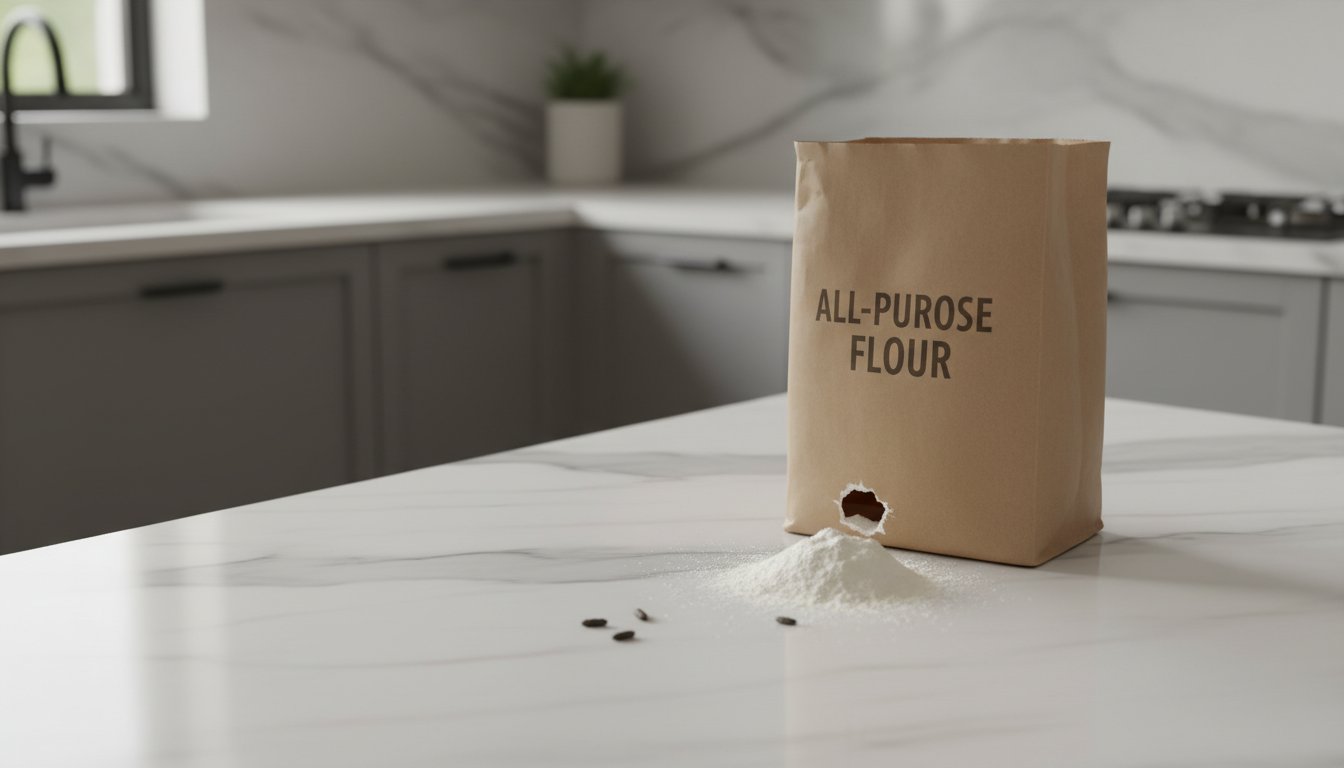
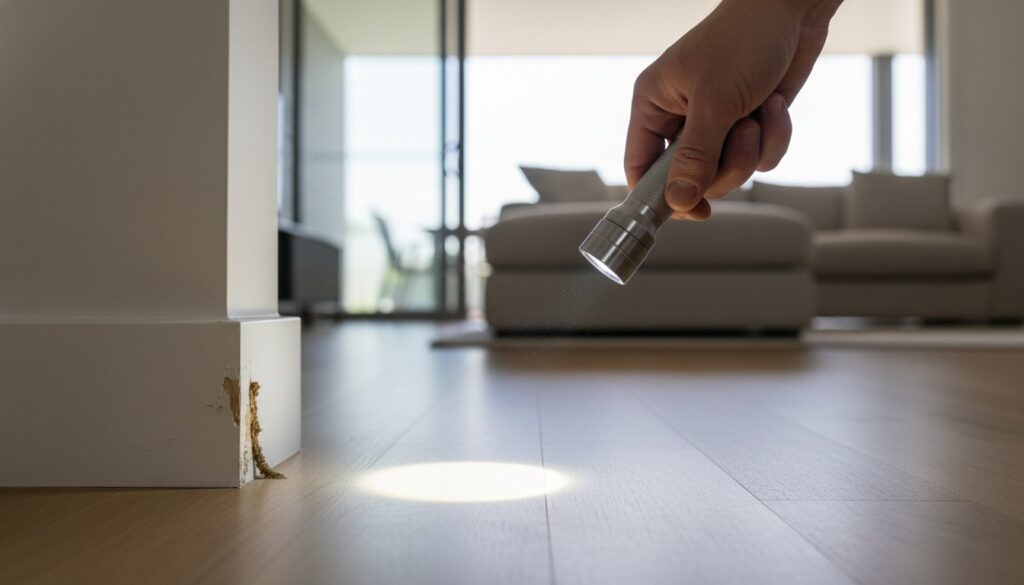
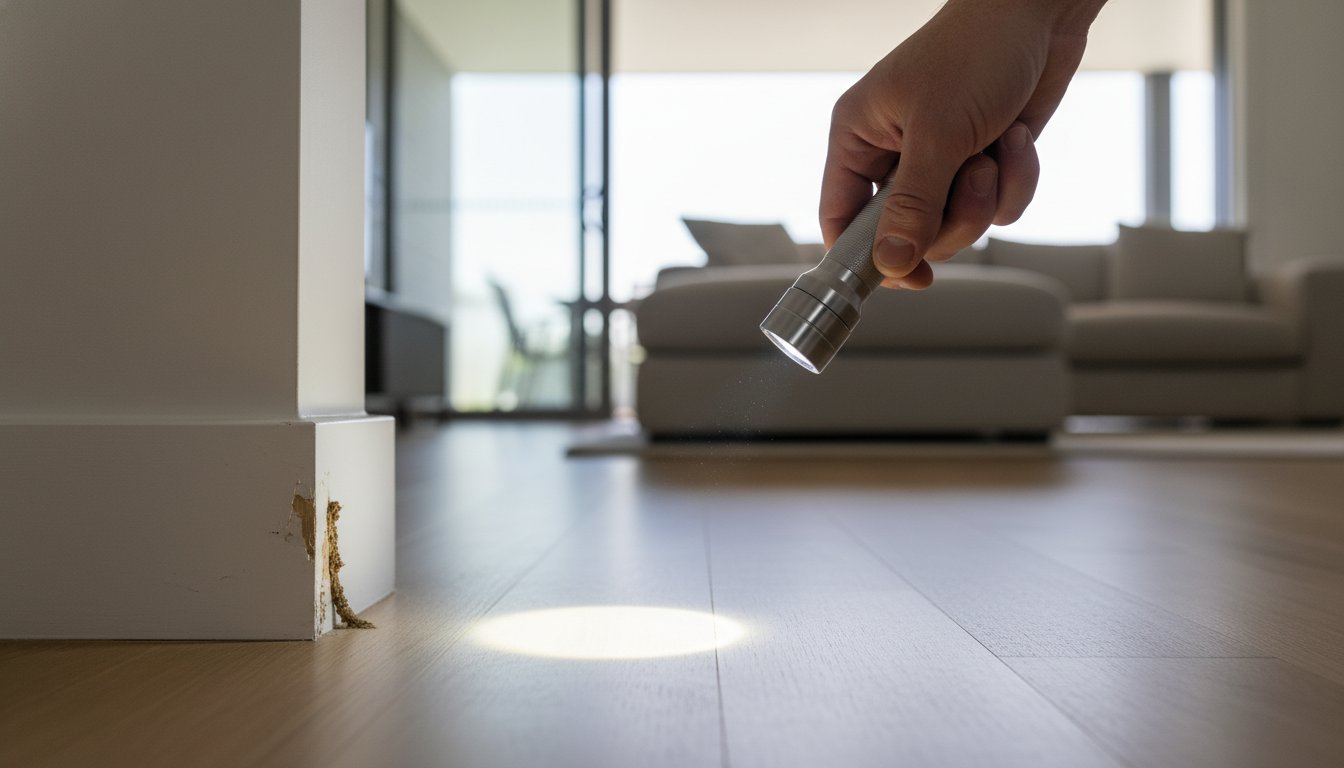
That strange, papery texture on a window frame. The faint, hollow sound when you tap a skirting board. For a Sydney homeowner, these small discoveries can spark a huge wave of anxiety. You’re immediately left wondering, what does termite damage look like, and is this it? Distinguishing the subtle signs of a termite infestation from common issues like water damage can be incredibly difficult, leaving you to worry about the silent destruction that could be happening within your walls.
Don’t let that uncertainty grow. You’re in the right place. This visual guide is your first step to taking back control. Using clear photos and expert descriptions, we will show you exactly what to look for-from mud tubes and sagging floors to blistered paint and discarded wings. By the end of this article, you will be able to confidently identify the warning signs, understand the potential severity, and know the immediate next steps to protect your home. Let’s get you the answers you need, fast.
Key Takeaways
- Learn to spot the top visual signs of termites, from mud tubes on your walls to hollow-sounding timber, before the damage gets out of control.
- This guide answers what does termite damage look like with clear photos of the damage commonly found inside and outside Sydney homes.
- Discover the key differences between termite damage and water damage so you can correctly identify the true threat to your property.
- Understand the immediate, expert-recommended steps you must take if you suspect termites to protect your home and connect with professional help fast.
The 7 Telltale Signs of Termite Damage (With Pictures)
Termites are silent destroyers, often causing significant damage long before you notice them. For Sydney homeowners, understanding the early warnings is crucial to protecting your property. Because they operate out of sight, the initial signs are often subtle. So, what does termite damage look like before it becomes a major problem? Termites are a group of eusocial insects that consume wood from the inside out, making visual confirmation difficult at first. This guide, with clear pictures, will show you exactly what to look for. We urge you to check these key areas in your home today.
1. Hollow-Sounding or Papery Timber
Termites devour timber from the inside, leaving a thin, brittle veneer on the surface that may look completely intact. This damaged wood will feel papery or thin when pressed. A simple and effective test is to tap along your skirting boards, door frames, and window sills with the handle of a screwdriver. If you hear a hollow, dull thud instead of a solid sound, it’s a serious red flag.

Caption: The layered, hollowed-out appearance of timber eaten by termites from the inside.
2. Mud Tubes on Walls and Foundations
Subterranean termites, the most common threat in Sydney, build protective tunnels from soil, wood, and saliva. These ‘mud tubes’ act as highways, protecting them from open air as they travel between their underground nest and their food source-your home. Look for pencil-sized, branching mud lines running up your foundation walls, piers, or in your subfloor. Finding these is a definitive sign of an active termite infestation that requires immediate professional attention.

Caption: Classic termite mud tubes on an external brick foundation.
3. Tight-Fitting Doors and Hard-to-Open Windows
If your doors or windows suddenly become difficult to open or feel tight in their frames, it could be more than just humidity. As termites tunnel through wood, their activity introduces moisture which causes the timber to swell and warp. While seasonal changes can cause this, termite-related warping is persistent and often accompanied by other signs like hollow-sounding frames.
4. Unexplained Cracks and Bubbling Paint
Termite activity behind your walls can damage the integrity of plasterboard and wallpaper. This often appears as bubbling, peeling, or blistering paint, which can easily be mistaken for water damage. You might also notice fine, unexplained cracks on internal walls or ceilings. This is often what termite damage looks like when an infestation is hidden from view. Gently press on the suspect area-if it feels soft or crumbles, termites are a likely cause.

Caption: Termite damage (left) often causes subtle bubbling, unlike the distinct staining of water damage (right).
Termite Damage Indoors vs. Outdoors: A Home Inspection Checklist
Knowing what does termite damage look like is the first step, but the second-and most critical-is knowing exactly where to find it. Termites are experts at staying hidden, a fact well-documented in resources like the comprehensive U.S. EPA guide to termite control. They can cause extensive structural damage long before you see any obvious signs.
Don’t wait for the problem to become a catastrophe. Use this professional inspection checklist to systematically search your home’s high-risk areas and catch an infestation early. Your safety is our priority, and a proactive check is your best defence.
Key Indoor Hotspots
Termites need moisture and a food source (wood), making certain parts of your home prime targets. Grab a torch and check these areas carefully:
- Skirting boards, architraves, and window frames: Press firmly on these timber structures. Damaged wood will often feel soft, crumble easily, or sound hollow when tapped.
- Subfloors and ceiling voids: Look for sagging or dipping floors and ceilings. Unexplained damp spots or stains on your gyprock can also indicate termite activity in the spaces you can’t see.
- Kitchen and bathroom cupboards: Pay close attention to cupboards under sinks. Leaky pipes create the damp, dark conditions that termites love. Check for warped wood or fine, dirt-like debris.
- Walls and plasterboard: Tap along your walls. A hollow, papery sound can reveal that termites have eaten the timber studs behind the gyprock. Also, look for bubbling, peeling, or cracked paint, which may hide their tunnels.
Critical Outdoor Areas to Check
Your home’s exterior and yard are the frontline in termite defence. An inspection here can stop them before they get inside.
- Foundations and stumps: Carefully inspect the entire foundation, concrete slab edges, and any piers or stumps. Look for the distinctive mud tubes termites build for safe passage from the soil into your home.
- Garden sleepers, retaining walls, and fences: Any wood in direct contact with soil is at extreme risk. Probe these structures with a screwdriver to test for soft spots or internal damage.
- Dead trees, stumps, or firewood piles: These are a natural food source. If located close to your house, they can act as a staging ground for an attack on your property. Keep firewood stacked away from the home and off the ground.
- Decking and pergolas: Check where timber posts and supports meet the ground or are fixed to the house. These contact points are common entryways for subterranean termites.
Is It Termites, Water Damage, or Wood Rot? Key Differences
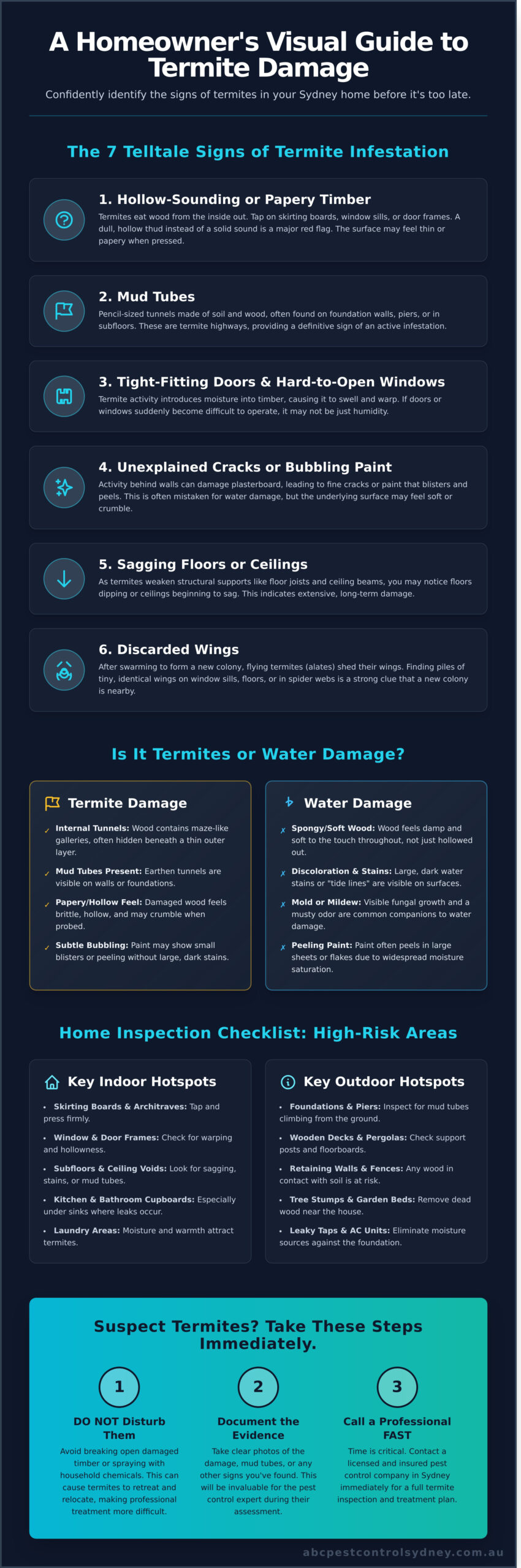
One of the most common questions we hear from concerned homeowners is, “Is this termites, or something else?” Finding damaged wood is alarming, but not all damage is caused by pests. Understanding the key differences between termites, water damage, and wood rot can save you from unnecessary panic while ensuring you take the right action. This guide will help you distinguish between these common issues, so you know exactly what you’re dealing with.
Identifying Termite Damage
So, what does termite damage look like up close? Termites eat wood from the inside out, often leaving a thin, paper-like veneer of timber or paint on the surface. When you tap on it, the area will sound hollow. If you break open the damaged wood, you’ll discover a network of tunnels and channels, known as galleries, which typically run with the grain. These galleries are often filled with soil, mud, and termite droppings. For a more detailed look, the University of California’s guide to termite identification provides excellent visual examples of these destructive habits.
Recognising Water Damage
Water-damaged wood feels very different from timber affected by termites. It is typically soft, spongy, and may sag under pressure. You will often see dark stains or discolouration spreading from the source of the moisture, such as a leaky pipe or a faulty roof seal. A distinct musty smell from mould or mildew is another key indicator. On painted surfaces like walls or window frames, water damage causes paint to bubble, peel, or blister, with the surface behind it feeling damp.
Spotting Wood Rot (Fungal Decay)
Wood rot is damage caused by fungi that thrive in persistently damp conditions. It presents differently from both termite and water damage. The most common type, brown rot, causes the wood to shrink, darken, and crack into small, cube-like pieces (a pattern known as cubical rot). The wood becomes extremely brittle and will easily crumble into dust when dry. Another type, white rot, can make the wood feel stringy or look bleached.
Here is a quick comparison to help you tell the difference:
While these signs help you understand what termite damage looks like compared to other issues, an untrained eye can still miss critical details. If you notice any of these signs, don’t wait for the problem to get worse. A professional inspection is the fastest, most reliable way to identify the cause and protect your property. Your home is your most valuable asset-let our experts ensure it stays safe.
Beyond Sight: The Sounds and Smells of a Termite Infestation
While knowing what does termite damage look like is crucial, some of the earliest and most definitive signs of an infestation are completely invisible. Termites are not silent invaders. In the quiet moments, when your house is still, you can often detect their presence using your other senses. These subtle clues-faint sounds and strange smells-are often the first indication that a colony is actively at work behind your walls.
Ignoring these signs is a mistake that can cost thousands in repairs. They are not just strange quirks of an old house; they are active distress signals that your property is under attack. Learning to identify them provides you with a powerful advantage in spotting an infestation before widespread structural damage occurs.
The Faint Clicking Sounds in Your Walls
Have you ever laid in bed at night and heard a quiet, rhythmic clicking or head-banging sound coming from within the walls? This isn’t your imagination. This faint noise is created by soldier termites. When the colony perceives a threat or disturbance, soldier termites bang their heads against the timber tunnels to create vibrations, sending a warning signal to the hundreds of thousands of other termites. It’s most audible at night when ambient noise is at a minimum. If you press your ear to the wall and hear this, it’s a clear sign of a large, active colony.
A Mildew or Mouldy Smell
Another subtle but significant sign of termites is a persistent, musty odour with no clear source. This smell, often described as being similar to damp soil, mildew, or mould, is a direct result of termite activity. Termites create a specific microclimate within their tunnels, which requires moisture to keep their bodies from drying out. This combination of moisture, wood, and termite droppings (frass) produces a distinct scent. If you notice a musty smell that won’t go away, especially in an area with no history of water leaks, it could be a sign that termites are tunnelling nearby.
These auditory and olfactory clues are serious red flags. They don’t just suggest the possibility of termites-they often confirm an active and growing infestation. While these signs help you understand what does termite damage look like in its hidden stages, they demand immediate action. If your senses are telling you something is wrong, trust them. Don’t wait for visible damage to appear. A professional termite inspection from an experienced specialist is the only way to confirm what’s happening behind your walls and protect your property fast.
What to Do Immediately if You Suspect Termite Damage in Sydney
Finding signs of termites in your home can be alarming, but your next steps are crucial for protecting your property. Acting quickly and correctly can save you significant stress and thousands in potential repairs. Don’t panic. Follow this simple, three-step action plan to take control of the situation with expert help.
Step 1: Don’t Disturb the Area
Your first instinct might be to break open damaged timber or spray the area with a store-bought insecticide. Resist this urge. Disturbing active termites causes them to retreat and relocate, often spreading deeper into your home’s structure. This not only masks the problem but also makes it much harder for a professional to track, assess, and eliminate the entire colony effectively. For a successful treatment, it’s vital to leave the area completely untouched.
Step 2: Document What You’ve Found
While you shouldn’t touch anything, you can gather essential information for the pest expert. Use your phone to take clear, well-lit photos of any mud tubes, damaged wood, or other signs you’ve spotted. Make a precise note of the location(s)-for example, “along the skirting board in the master bedroom” or “on a door frame in the garage.” Documenting what the termite damage looks like provides our technicians with crucial evidence before they even arrive.
Step 3: Call a Professional for an Urgent Inspection
This is the most critical step. Only a licensed and experienced termite specialist can accurately identify the termite species, determine the size of the infestation, and assess the full extent of the damage, much of which is often hidden from view. Our professional inspections go beyond what the eye can see, using advanced tools like thermal imaging cameras and moisture meters to detect activity inside your walls. As Sydney-based experts, we understand the aggressive local species and know exactly what to look for.
Seeing what termite damage looks like is the warning sign; taking decisive action is what protects your investment. Don’t wait. Book your urgent termite inspection with our Sydney experts now.
Protect Your Sydney Home: Your Next Steps Against Termites
Knowing the key signs of a termite infestation-from hollow-sounding timber and blistering paint to telltale mud tubes-is your first line of defence. This guide has shown you exactly what does termite damage look like, helping you distinguish it from simple wood rot or water issues. Remember, what you can see is often just the tip of the iceberg.
But spotting potential damage is only half the battle. Termites work silently and can cause thousands of dollars in structural repairs before you realise the full extent of the problem. Don’t risk your biggest investment on a guess. For definitive answers and complete protection, you need a professional assessment.
With over 20 years of experience protecting Sydney properties, the expert team at ABC Pest Control Sydney is ready to help. Our fully licensed and insured technicians use eco-friendly and safe treatment options to ensure your family’s safety. Found signs of damage? Protect your property and book a professional termite inspection today!
Take control now and secure your peace of mind.
Frequently Asked Questions About Termite Damage
How quickly can termites destroy a home?
The speed depends on the colony’s size, species, and location. A large, aggressive subterranean termite colony can cause significant structural damage in as little as 1 to 2 years. Because they work silently from within your walls, the destruction can be extensive before you notice any signs. This is why annual professional inspections are critical to catch infestations early and prevent costly repairs. Don’t wait for the damage to become severe.
Can termite damage be repaired?
Yes, termite damage can almost always be repaired. The crucial first step is to have a professional pest control expert completely eradicate the active termite colony. Once the threat is eliminated, you can hire a qualified builder to assess the structural integrity and replace or reinforce the damaged timber. Acting fast is key to minimising the extent of the damage and the cost of repairs, ensuring your home is safe and secure once more.
Are the signs of termite damage always visible?
No, and this is what makes termites so dangerous. They consume wood from the inside out, meaning extensive damage can occur within your walls, subfloor, or roof void without any obvious external signs. By the time you see visible issues like sagging floors or crumbling skirting boards, the infestation is often well-established. This is why you can’t rely on visual checks alone; a professional inspection using specialised equipment is essential for true peace of mind.
What’s the difference between subterranean and drywood termite damage?
Subterranean termites are the most common threat in Sydney. They build distinctive mud tubes to travel from the soil to the timber in your home, and their damage often looks layered or “papery” along the wood grain. In contrast, drywood termites live inside the wood they infest and don’t need soil contact. A key sign of their presence is the tiny, hard fecal pellets (frass) they push out of small “kick-out” holes in the timber.
Does finding termite damage mean my house is going to collapse?
Finding damage can be alarming, but a total collapse is extremely rare. This would only occur after a massive, untreated infestation has been active for many, many years. However, any termite damage compromises your home’s structural integrity and should be addressed immediately. Don’t panic, but don’t delay. An urgent professional inspection will determine the extent of the problem and the necessary steps to make your home safe again.
How much does a professional termite inspection cost in Sydney?
For an average-sized home in Sydney, a comprehensive termite inspection conducted to Australian Standards typically costs between A$250 and A$500. The final price can depend on the size of your property, its construction type, and ease of access to areas like the subfloor and roof void. This inspection is a small but vital investment to protect your property from tens of thousands of dollars in potential repair bills. Contact our expert team for a firm quote.