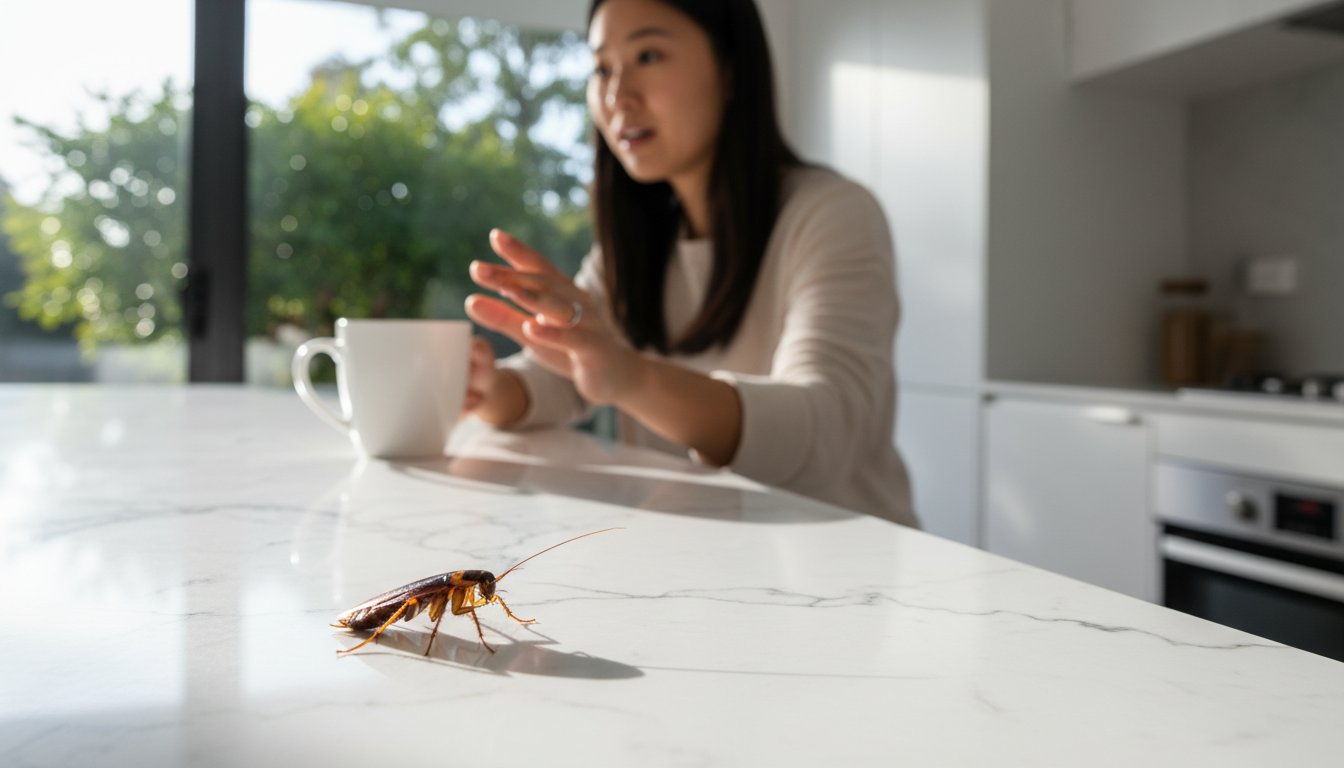
That strange scurrying in the ceiling. The unfamiliar bug on the kitchen counter. For many Sydney homeowners, the moment you suspect an uninvited guest, a wave of anxiety hits. Is it dangerous? Is it causing damage you can’t see? Not knowing what kind of pest you’re dealing with can be incredibly stressful, leaving you worried about the health of your family and the safety of your property.
You don’t have to live with that uncertainty. This guide is designed to restore your peace of mind by empowering you with professional knowledge. We will help you confidently identify the most common pests found in Sydney homes, from termites and cockroaches to rodents and spiders. You’ll learn the crucial early signs of an infestation, understand the specific risks each one poses, and discover safe, effective strategies to protect your home. Get the clarity you need to know when to act and when it’s time to call for a guaranteed solution.
What Truly Defines a ‘Pest’ in Your Home?
While a dictionary offers a simple definition, the true meaning of a pest for a homeowner is all about context. A spider spinning a web in your garden is a natural part of the ecosystem, but that same spider in your child’s bedroom is an immediate problem. Essentially, a pest is any unwanted organism that invades your space, threatening your health, property, or peace of mind. The official answer to What is a pest? confirms this, defining it by its harmful impact on humans or human concerns.
In Sydney, these unwelcome visitors create problems that fall into three main categories. Understanding these threats is the first step toward protecting your home and family.
Health Risks and Disease Transmission
Pests are not just an unsightly nuisance; they are significant carriers of disease and health hazards. Your family’s well-being is our top priority, and it’s crucial to eliminate these risks quickly and effectively.
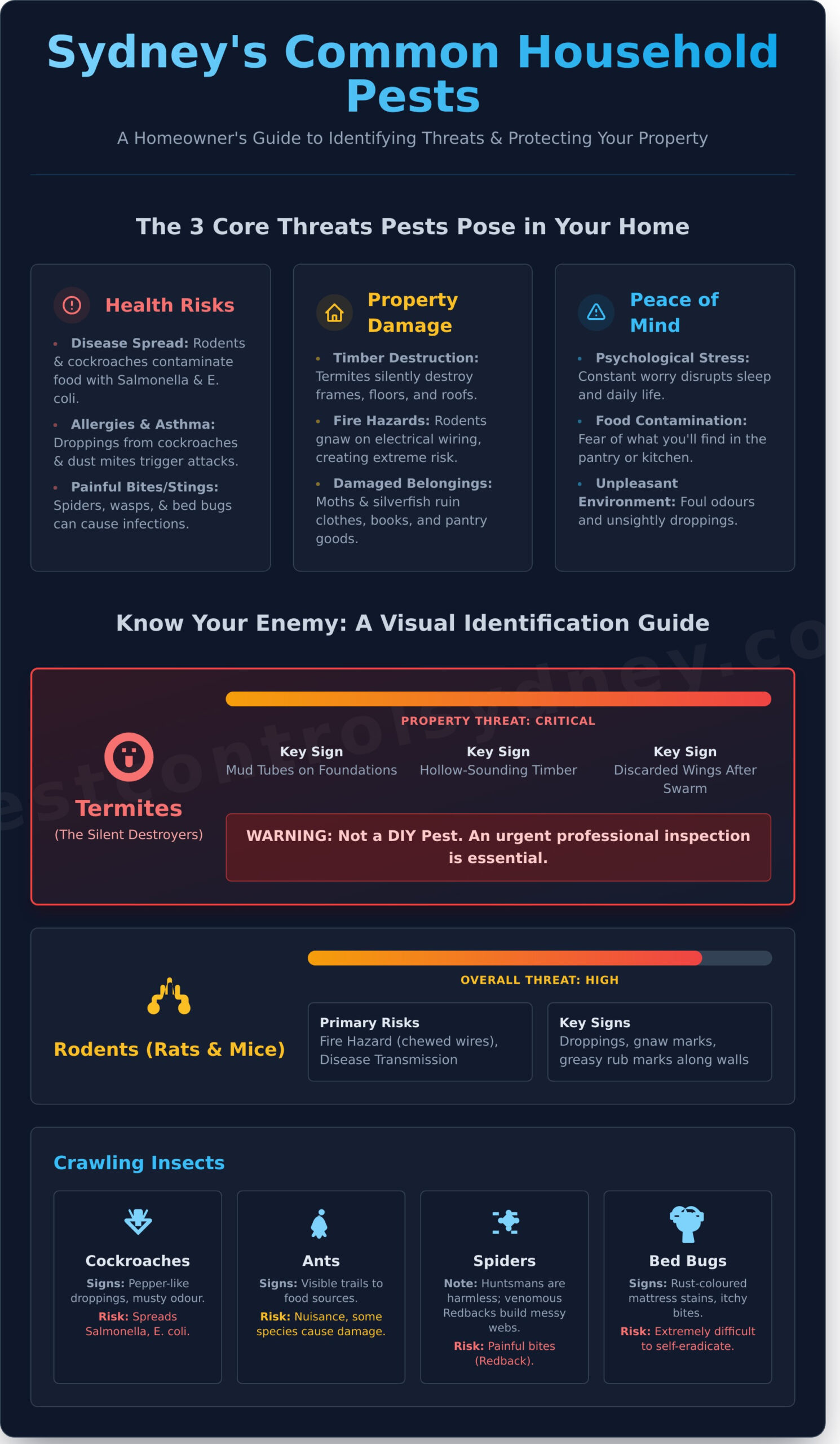
- Disease Spread: Rodents and cockroaches can contaminate food and surfaces with dangerous bacteria like Salmonella and E. coli.
- Allergies and Asthma: Droppings, saliva, and shed skin from cockroaches and dust mites can trigger severe allergic reactions and asthma attacks, especially in children.
- Painful Bites and Stings: Spiders, wasps, bees, and bed bugs can inflict painful bites and stings, leading to allergic reactions and secondary infections.
Structural and Property Damage
Beyond health concerns, pests can cause devastating and costly damage to the very structure of your home. A small problem left untreated can quickly escalate, compromising your property’s safety and value.
- Timber Destruction: Termites are infamous in Sydney for silently eating away at timber frames, floorboards, and roof structures, causing thousands of dollars in repairs.
- Fire Hazards: Rats and mice constantly gnaw on materials to file down their teeth, including electrical wiring. This creates a serious fire risk hidden within your walls.
- Damaged Belongings: Moths, silverfish, and carpet beetles can destroy valuable clothes, fabrics, books, and stored pantry goods.
The Nuisance Factor and Peace of Mind
An infestation takes a significant toll on your mental well-being. Your home should be a safe sanctuary, but the presence of pests turns it into a source of stress and anxiety.
- Psychological Stress: The constant worry of encountering pests, hearing scratching in the walls, or finding droppings can disrupt your sleep and daily life.
- Food Contamination: Pests in the kitchen and pantry contaminate food, forcing you to throw out groceries and live with the fear of what you might find.
- Unpleasant Environment: Foul odours, unsightly droppings, and persistent webs create an unclean and uncomfortable living space for you and your family.
A Guide to the Most Common Pests in Sydney
Identifying which pest has invaded your home is the first step toward effective and safe eradication. As local Sydney experts, we know that each unwanted guest requires a unique strategy. Understanding the signs and risks associated with each creature empowers you to act quickly. While our professional team is always ready to help, familiarising yourself with basic Proactive Pest Prevention can help protect your home between treatments. This guide details the most common intruders we eliminate from Sydney properties.
Crawling Insects: The Unwanted Houseguests
These pests are notorious for contaminating food, causing allergic reactions, and creating general distress. They thrive in Sydney’s climate and can multiply rapidly if left unchecked.
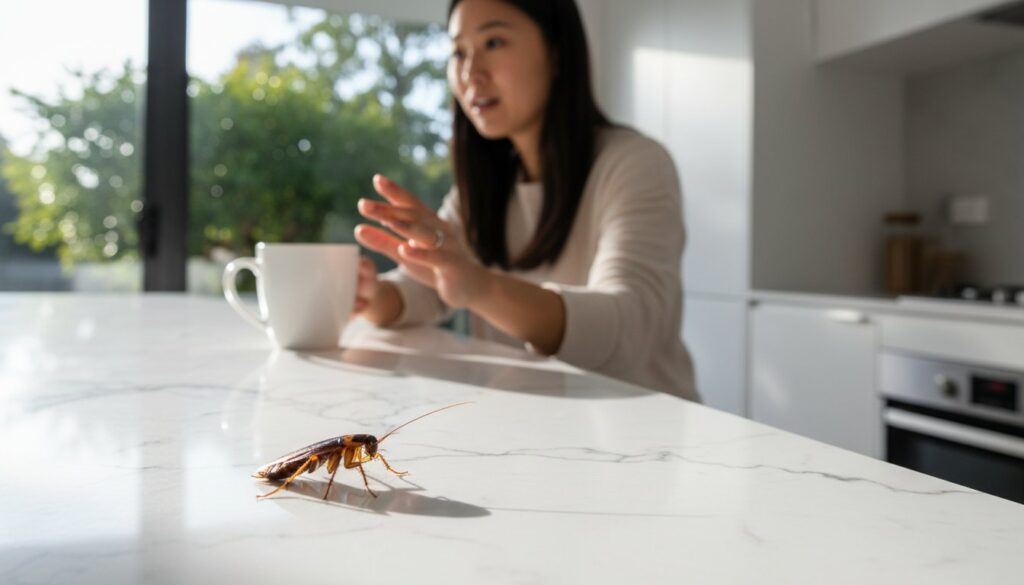
- Cockroaches (German, American): Often found in kitchens and bathrooms, they hide in dark, damp spaces during the day. Look for droppings resembling black pepper and a distinct, musty odour. They are known carriers of bacteria like Salmonella.
- Ants (Black, Carpenter): You’ll spot them in trails marching to and from a food source. Nests can be found in wall voids, under pavers, or in decaying wood. While a nuisance, some species can cause structural damage.
- Spiders (Huntsman, Redback): Huntsmans are large and fast but generally harmless, whereas the venomous Redback builds messy, tangled webs in dry, sheltered spots like mailboxes and outdoor furniture.
- Bed Bugs: Signs include tiny, rust-coloured stains on mattresses, shed skins, and small, itchy bites on your skin. They are notoriously difficult to eliminate without professional help.
Rodents: Destructive and Unhygienic Intruders
Rats and mice pose a significant risk to both health and property. Their constant gnawing can damage electrical wiring, creating a fire hazard, and their droppings can transmit serious diseases. They breed incredibly fast, meaning a small problem can quickly become a major infestation.
- Mice: Smaller than rats, they leave behind small, pellet-like droppings. They build nests from shredded paper or fabric in hidden areas.
- Rats (Roof Rat, Norway Rat): Larger rodents that leave bigger, capsule-shaped droppings. Look for greasy rub marks along walls and significant gnaw marks on wood or plastic.
Termites: The Silent Destroyers
Subterranean termites are the single greatest threat to Sydney homes, causing millions of dollars in structural damage annually. They live in underground colonies and need moisture to survive, often entering buildings undetected from the soil.
Key signs include mud tubes on foundations, hollow-sounding timber, and piles of discarded wings after a swarm. Termites are not a DIY pest. Attempting to treat them yourself can worsen the problem. An urgent, professional inspection is essential if you suspect their presence.
Other Common Pests
Beyond the major offenders, Sydney residents also frequently deal with a range of other annoying and potentially harmful pests. We provide targeted, family-safe solutions for:
- Flying Insects: Including disease-carrying flies, disruptive wasps, and moths that damage fabrics.
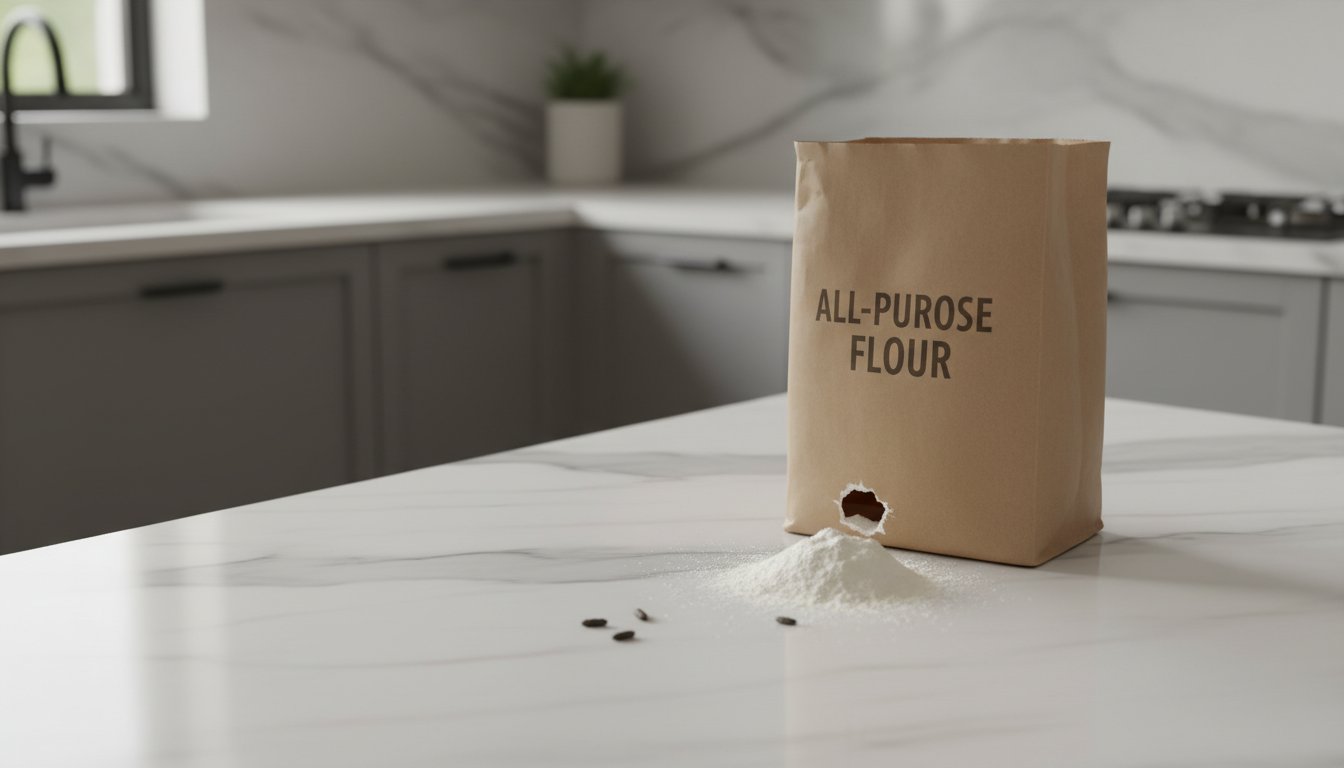
- Stored Product Pests: Pantry moths and weevils that infest and contaminate flour, grains, and other dried goods.
- Wildlife: Possums and birds nesting in roof voids can cause property damage and create significant noise and hygiene issues.
Early Warning Signs: How to Spot a Pest Infestation
Catching a pest problem early is the key to preventing a full-blown infestation. Think of yourself as a detective in your own Sydney home, looking for subtle clues that something is wrong. Seeing a single cockroach or mouse is rarely an isolated incident; it’s often a sign that a much larger population is hiding just out of sight. By knowing what to look for, you can take swift, effective action to protect your property and your family’s health.
Physical Evidence Left Behind
Pests are messy tenants and almost always leave a trail. Keep a sharp eye out for these tell-tale signs in your kitchen, pantry, and dark corners:
- Droppings: Small, dark specks that resemble coffee grounds or black pepper are a classic sign of cockroaches. Larger, pellet-shaped droppings indicate the presence of rats or mice.
- Gnaw Marks: Rodents need to constantly chew to wear down their teeth. Check for small bite marks on food packaging, furniture, skirting boards, and even electrical wiring.
- Nests or Nesting Materials: Look for shredded paper, fabric, insulation, or dried plant matter collected in secluded areas like behind appliances, inside cabinets, or in your roof void.
Unusual Sights, Sounds, and Smells
Engage all your senses. Often, the first sign of a hidden pest problem is something that just seems out of place. Pay attention to:
- Strange Noises: Can you hear scratching, scurrying, or squeaking sounds in your walls or ceiling? These noises are most common at night when rodents and other pests are most active.
- Odd Smells: A persistent musty, oily, or sweet odour can indicate a cockroach infestation. A stale, ammonia-like smell is often linked to rodent urine.
- Live or Dead Pests: Spotting a nocturnal pest like a cockroach during the day is a major red flag. It often means their hiding spots are overcrowded, forcing them out in the open to find food.
Property Damage and Outdoor Signs
The evidence isn’t always inside. Your home’s exterior and garden can also reveal a brewing infestation. Be on the lookout for:
- Holes and Cracks: Unexplained holes in walls, floors, or food packages are clear entry points and signs of activity.
- Damaged Plants: Check your garden for damaged plants or vegetables and disturbed soil around the foundations.
- Termite Mud Tubes: One of the most critical signs for Sydney homeowners is the presence of thin mud tunnels running up foundation walls or piers. For more help identifying insect-related damage, the NSW Government guide to pest control is an excellent resource.
See any of these signs? Don’t wait for the problem to get worse. Book a professional inspection today.
DIY Methods vs. Calling a Professional Exterminator
When you spot an unwanted pest in your home, the first instinct for many Sydney homeowners is to reach for a store-bought spray or trap. While these products can offer a temporary fix for a minor issue, it’s crucial to understand their limitations before a small problem escalates into a full-blown infestation.
When DIY Might Be Enough
Do-it-yourself methods can be effective for isolated incidents. Seeing a few ants on your kitchen counter or catching a single mouse in a trap might solve the immediate problem. However, these solutions typically only address the pests you can see, not the hidden nest or colony. They are a bandage, not a cure.
The Risks of Ineffective DIY
Relying on DIY treatments for a persistent issue can make the problem worse. Incorrectly used baits can cause pests like rodents to become “bait-shy,” while improper spray applications can scatter cockroaches into other areas of your home. More importantly, misusing chemical products can pose a significant health risk to your family and pets. You can end up wasting hundreds of dollars on products that fail to eliminate the source, allowing the infestation to grow.
Why Professionals Offer a Better Solution
Calling a certified exterminator isn’t just about convenience; it’s about long-term effectiveness and safety. A professional service provides what store-bought products cannot:
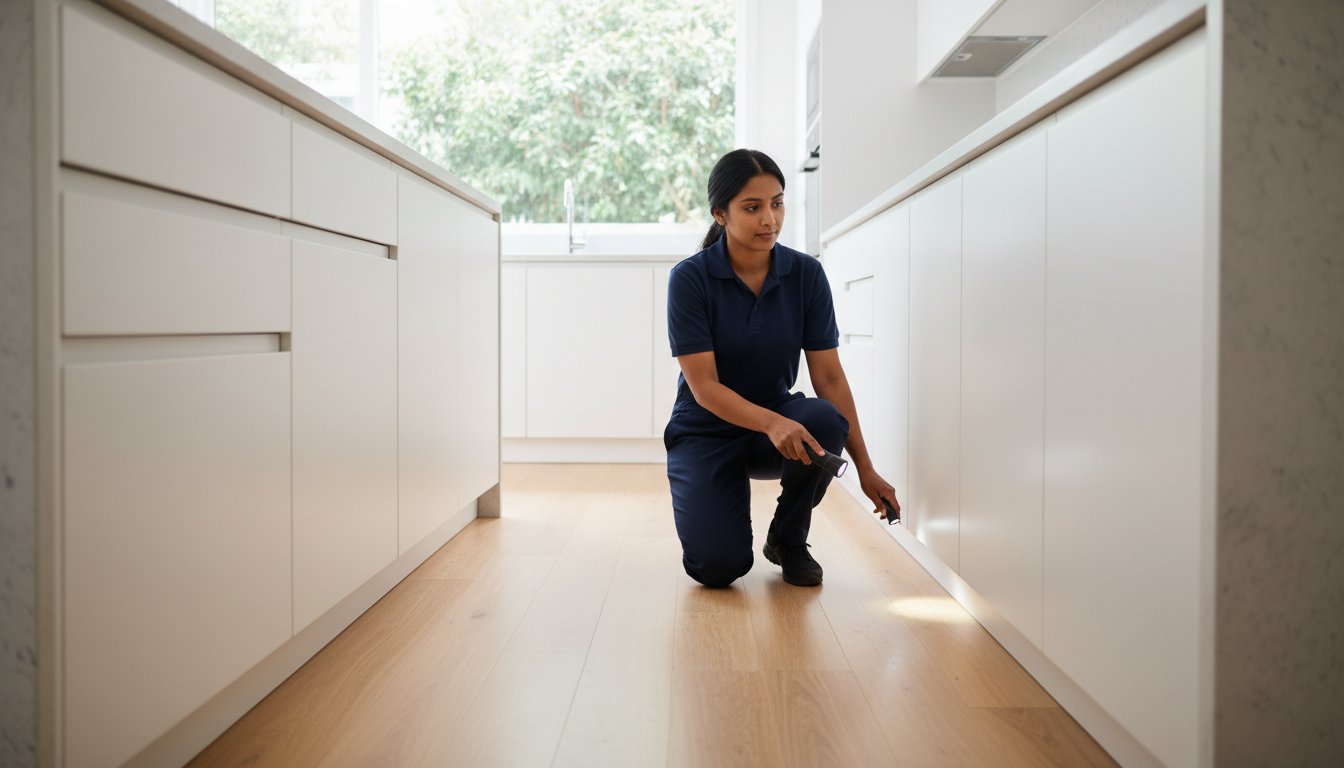
- Accurate Identification: A trained technician will correctly identify the specific pest and the extent of the infestation, ensuring the right treatment is used.
- Commercial-Grade Products: We have access to highly effective, specialised treatments that are not available to the public, applied in a way that is safe for your family and pets.
- Targeting the Source: Our expertise lies in finding and eliminating the source-the nest, the colony, the entry points-to prevent pests from returning.
- Guaranteed Peace of Mind: We stand by our work. Professional services come with a guarantee, ensuring the problem is solved for good.
Don’t risk your family’s health or waste money on ineffective solutions. For a guaranteed and safe solution to your pest problem, trust the team at ABC Pest Control Sydney.
Proactive Pest Prevention: Your First Line of Defence
The most effective and cost-efficient form of pest control is preventing an infestation before it begins. By taking a few simple, proactive steps, you can make your Sydney home significantly less appealing to unwanted visitors. The key is to eliminate the three things every pest needs to survive: food, water, and shelter. Taking control now protects your property and gives your family lasting peace of mind.
Empower yourself with these expert-recommended strategies to fortify your home.
Seal Entry Points
Don’t give pests an open invitation. Even the smallest gap can be a doorway for insects and rodents. A thorough inspection and sealing of your home’s exterior is a critical first step in a successful prevention plan.
- Inspect and Seal: Carefully check your foundation, walls, and roofline for cracks and holes. Use a quality sealant or caulking to fill any gaps you find.
- Secure Doors and Windows: Install weather stripping on the bottom of doors and ensure window screens are free of tears or holes.
- Cover Openings: Use durable, fine-gauge mesh to cover vents, chimneys, and any pipes leading into the home.
Eliminate Food and Water Sources
A pest will always follow the path to its next meal. By removing easy access to food and water, you force them to look elsewhere. Meticulous kitchen and home hygiene is non-negotiable for a pest-free environment.
- Store Food Securely: Keep all food, including pet food, in airtight glass or hard plastic containers.
- Clean Diligently: Wipe up spills and crumbs immediately, wash dishes promptly, and regularly clean under appliances.
- Cut Off Water Supply: Fix leaky taps and pipes without delay. Ensure your property has proper drainage to prevent standing water.
- Manage Bins: Keep all rubbish bins tightly sealed and, if possible, store them away from the house walls.
Maintain Your Yard and Exterior
Your garden can act as a bridge, giving pests easy access to your home. A well-maintained yard creates a buffer zone that makes it much harder for insects and rodents to get inside.
- Trim Vegetation: Cut back tree branches, vines, and shrubs so they do not touch your home’s walls or roof.
- Store Firewood Properly: Keep firewood stacks elevated off the ground and at least five metres away from the house.
- Clear Debris: Remove piles of leaves, wood, or general clutter from your yard, as these offer perfect shelter for pests.
While these steps create a powerful defence, some properties face unique challenges. If you need a comprehensive strategy tailored to your home, our team of local Sydney experts can provide a professional assessment to guarantee your protection.
Don’t Let Pests Win: Secure Your Sydney Home Today
Understanding what makes an unwanted creature an intruder in your home is the first step to taking control. By recognising the early warning signs and implementing the proactive prevention strategies we’ve discussed, you create a powerful first line of defence for your property and family.
While DIY methods can offer temporary relief, a persistent infestation requires professional expertise. A single pest sighting can often signal a much larger, hidden problem that demands a targeted solution. For complete eradication and lasting peace of mind, trusting a certified expert is the safest and most effective choice.
With over 20 years of experience serving Sydney, ABC Pest Control offers a 100% satisfaction guarantee. Our treatments are safe and eco-friendly, ensuring your family and pets are protected. Don’t wait for the problem to escalate. Protect your home from pests. Get a free, no-obligation quote today!
Take the definitive step towards a clean, safe, and comfortable home. Rest assured, a pest-free environment is within your reach.
Frequently Asked Questions About Pests in Sydney
How often should I have a professional pest inspection in Sydney?
For complete peace of mind, we recommend a professional pest inspection at least once a year for all Sydney homes. This is the most effective way to detect destructive pests like termites before they cause significant damage. If your property is in a high-risk area, such as near bushland or water, or has a history of infestations, a six-monthly inspection provides an even stronger layer of protection for your home and family. Proactive prevention is always the best solution.
Are professional pest control treatments safe for my children and pets?
Absolutely. Your family’s safety is our number one priority. We use advanced, low-toxicity, and environmentally friendly treatments that are specifically designed to be safe for children and pets once dry. Our certified and experienced technicians are expertly trained in the safest application methods to target pests effectively while protecting your loved ones. We provide clear instructions to ensure you can rest assured your home is in safe, professional hands.
What’s the difference between a general pest spray and a specific termite treatment?
A general pest spray is a surface treatment designed to eliminate common crawling insects like cockroaches, ants, and spiders. It’s a broad-spectrum solution for immediate control and seasonal prevention. In contrast, a termite treatment is a highly specialised, long-term defence system. It involves creating a complete protective barrier in the soil around your home’s foundation to eradicate the entire termite colony and protect your property’s structure for years to come.
Do ‘eco-friendly’ or ‘natural’ pest control methods actually work?
Yes, when implemented by certified professionals, modern eco-friendly pest control is highly effective. These treatments often use products derived from natural sources or Integrated Pest Management (IPM) strategies that target pests with minimal environmental impact. While some DIY natural remedies offer limited results, our professional-grade, eco-friendly solutions are formulated for maximum effectiveness, giving you a powerful and responsible way to protect your home from unwanted intruders.
Which pests are more common in summer versus winter in Sydney?
In Sydney’s hot and humid summers, you will see a surge in activity from cockroaches, ants, spiders, and mosquitoes. These pests thrive in the warmth and are far more active. During the cooler winter months, pests like rats and mice will actively seek warmth, food, and shelter inside your home. Some cockroach species also move indoors for refuge from the cold. Termites, however, remain a destructive threat all year round, regardless of the season.
What should I do to prepare my home for a pest control visit?
To ensure the most effective treatment, a little preparation is key. Please clear floors of clutter and toys, and vacuum or mop all floors before our arrival. Moving furniture about 30cm away from the walls allows our technicians to treat skirting boards thoroughly. It is also important to cover or store all exposed food, food preparation surfaces, and pet bowls. This simple preparation allows us to provide the comprehensive protection your home deserves.