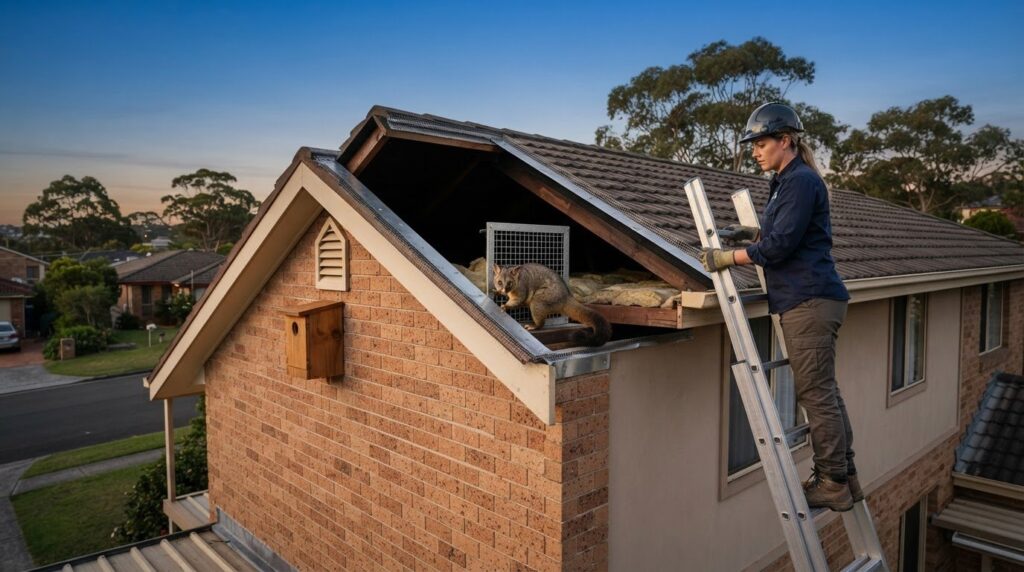
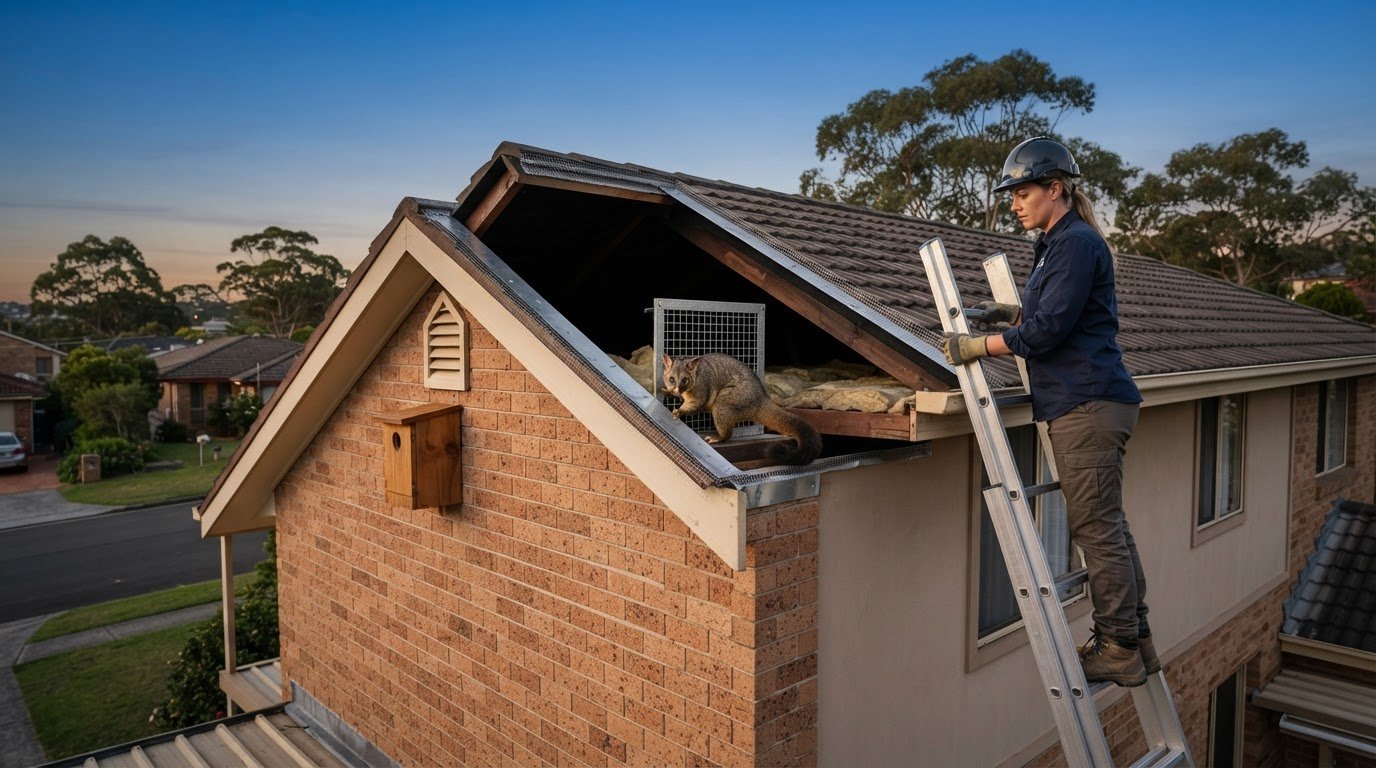
Roughly one in four Sydney households encounter native wildlife in their ceiling each year, but trapping and dumping an animal down the road can attract state fines of up to $22,000. When heavy nocturnal thuds and scratching shatter your sleep, securing safe possum in roof removal sydney residents can rely on becomes an urgent priority.
Living with pungent ammonia odours, yellow ceiling stains, and the fire hazard of chewed electrical wires is exhausting. You want silence back immediately, but strict regulations under the NSW Biodiversity Conservation Act 2016 leave zero room for DIY mistakes. In this complete guide, you’ll discover how to legally evict possums from your Sydney roof cavity, repair damage, and keep them out permanently.
We’ll walk you through the distinct signs of native intruders, essential legal protections, and proven structural proofing steps that guarantee lasting peace of mind.
Key Takeaways
- Understand NSW wildlife protection laws to ensure full legal compliance while addressing Common Brushtail and Ringtail roof invasions.
- Follow a proven five-step method for the humane possum in roof removal Sydney homes need, balancing dusk exit timing with alternative nesting boxes.
- Distinguish rhythmic, heavy nocturnal steps from erratic rodent scurrying to prevent dangerous, illegal poison baiting mistakes.
- Decontaminate toxic urine and nesting residue properly to safeguard your household against ceiling plasterboard rot and secondary parasite hazards.
- Implement permanent exclusion techniques using heavy-gauge galvanised mesh and flashing rather than unreliable expanding foam.
Possum in Roof Cavities: Signs, Risks, and NSW Protection Laws
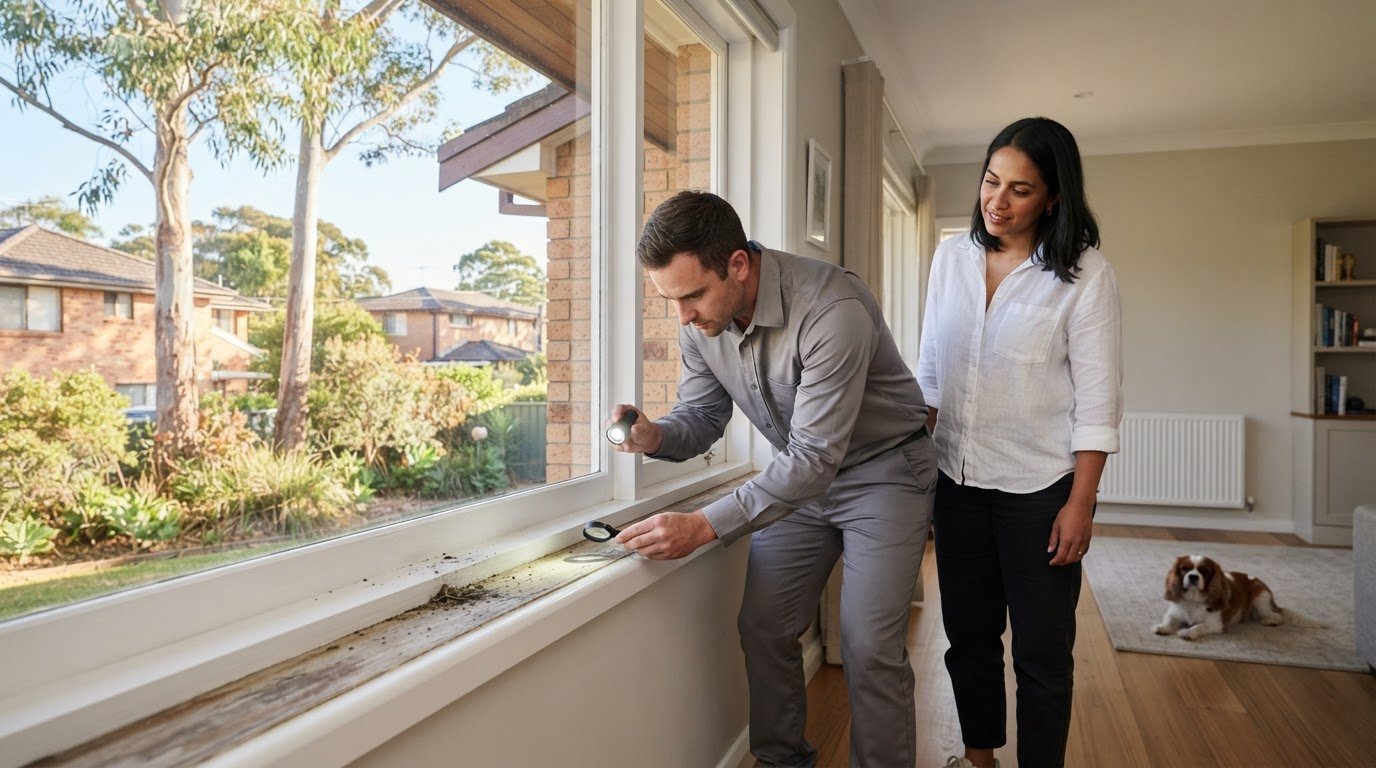
Urban development across metropolitan Sydney has steadily depleted mature tree hollows, forcing native marsupials to seek alternative shelter. Warm, dry, and elevated roof cavities offer the ideal substitute. Once inside, their presence is impossible to ignore. Homeowners usually detect rhythmic, heavy footsteps overhead after dark, vigorous scratching along gutters, and pungent ammonia odours leaking through light fixtures.
Ignoring the problem creates severe residential hazards. Possums trample and compress insulation batts, significantly reducing home thermal efficiency. Worse, their habit of gnawing on structural timber and chewing through 240-volt electrical wiring creates a genuine house fire threat. Unchecked urine pools also seep into plasterboard, causing unsightly ceiling rot. In New South Wales, all possum species are strictly protected native wildlife under the Biodiversity Conservation Act 2016. Fast, compliant possum in roof removal sydney homeowners schedule stops structural degradation before repair bills spiral out of control.
Common Brushtail vs. Ringtail Possums in Sydney Homes
Two primary marsupial species colonise local properties. The solitary, cat-sized Common Brushtail Possum is responsible for the loudest disruptions, generating heavy, stomping thuds as it navigates ceiling joists. Ringtail possums are smaller, social animals that build communal drey nests out of shredded roof insulation and travel in close-knit family units.
Despite size differences, both species exploit the exact same architectural defects:
- Slipped, cracked, or broken concrete roof tiles
- Weather-damaged timber eaves and rotted fascia joins
- Uncapped ridge capping and gaps around lead flashing
- Unscreened weep holes and open plumbing vents
NSW Wildlife Regulations: Why Relocating Possums Is Illegal
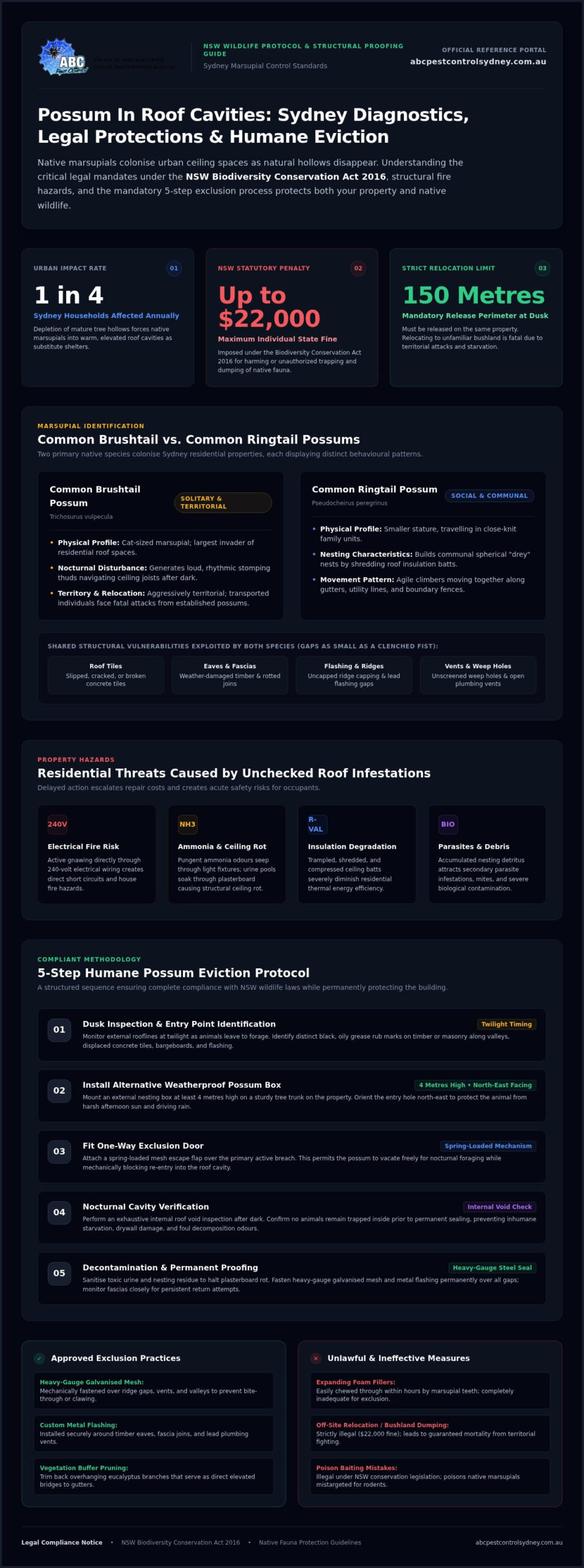
Trapping an animal and releasing it in bushland several suburbs away is illegal. The Biodiversity Conservation Act 2016 imposes individual fines of up to $22,000 for harming or unauthorised trapping of native fauna. State regulations mandate that any trapped marsupial must be released at dusk within 150 metres of the capture site, directly on the same property.
Dumping animals into unfamiliar bushland is almost always fatal. Brushtails are aggressively territorial, meaning relocated animals are attacked by established possums, driven out of shelter, and rapidly killed by predators or starvation. Achieving lasting possum in roof removal sydney properties require demands humane exclusion and roof sealing, not unlawful displacement.
How to Remove a Possum from Your Roof: 5-Step Humane Eviction
Evicting protected wildlife demands a systematic approach that balances legal compliance with structural security. Rushing to board up holes often traps animals inside, resulting in slow starvation, foul decomposition odours, and severe drywall damage. To achieve successful possum in roof removal sydney residents must follow five precise steps:
- Step 1: Dusk Inspection. Monitor external rooflines at twilight to pinpoint exact entry points as the animal leaves to forage.
- Step 2: Install Alternative Housing. Mount an external, weatherproof possum nesting box nearby to give the displaced marsupial an immediate alternative home.
- Step 3: Fit a One-Way Exclusion Door. Attach a spring-loaded mesh escape flap over the primary breach, allowing the animal out while blocking re-entry.
- Step 4: Verify Eviction. Check the roof void thoroughly after dark to confirm no animals remain trapped inside before permanently sealing the gap.
- Step 5: Sanitise and Secure. Decontaminate soiled insulation and monitor surrounding fascias for persistent re-entry attempts.
Following this sequence guarantees complete compliance with state wildlife protocols while keeping your home intact.
Locating Hidden Entry Points Across Tiles, Gutters, and Fascias
Possums can compress their bodies through gaps as small as a clenched fist. Focus your search along valleys, displaced concrete tiles, bargeboards, and plumbing vent flashing. Look for distinct black, oily grease marks rubbed onto timber or masonry, which are left behind by natural body oils along frequent transit paths. Trim back any overhanging eucalyptus branches that act as elevated walkways straight to your guttering.
Installing One-Way Exclusion Doors and External Possum Boxes
Effective exclusion hinges on providing a smooth transition. Mount an external possum box at least four metres high on a sturdy tree trunk, orienting the entrance hole north-east to shelter it from harsh afternoon sun and driving rain. Next, install a temporary one-way exclusion door over the active ceiling portal. This heavy-gauge wire tunnel features a hinged flap that swings outward under gentle pressure but locks firmly against external return attempts.
Never install exclusion devices during breeding seasons without verifying that the nest is free of pouch young. Trapping dependent joeys inside leads to tragic outcomes and immediate structural contamination. If you suspect an active nursery or encounter complex roof geometries, arranging an expert inspection through licensed pest control specialists in Sydney ensures safe, legally compliant wildlife handling.
Possum vs. Rat in the Roof: Diagnostic Comparison
Accurate identification protects both your home and local wildlife. Misidentifying the intruder in your roof cavity often leads to dangerous mistakes, such as placing rodenticides that illegally poison protected native marsupials or attempting eviction tactics that fail against introduced vermin. Successful possum in roof removal sydney homeowners require starts with diagnosing who is actually living overhead.
Timing provides the first diagnostic clue. Possums operate on an internal clock, creating significant disturbance at dusk as they wake, followed by a loud return before dawn. In contrast, roof rats stay active erratically throughout the night, frequently scurrying behind drywall during daylight hours if the infestation is severe.
Sound and Behaviour Diagnostic Checklist
Pay close attention to acoustic patterns. Possums are heavy marsupials that produce deliberate, rhythmic stomping across plasterboard, accompanied by territorial vocalisation like guttural coughing, abrasive hissing, or loud screeching. Rodents sound completely different:
- Rats: Rapid, frantic scurrying, light scratching inside narrow wall cavities, and persistent gnawing on timber framing or PVC conduits.
- Possums: Heavy, resonant steps, rolling fruit or debris across ceiling joists, and heavy thumps near the eaves.
If you notice light scratching running vertically through wall studs at noon, review rodent control in Sydney immediately, as native marsupials rarely move within internal wall cavities during daylight.
Droppings, Odour, and Chewing Evidence
Physical evidence left behind in the ceiling space confirms the species without guesswork. Check the following indicators carefully:
- Dropping Morphology: Possum droppings measure 15 to 20 millimetres in length, resemble dark olives, and accumulate in concentrated latrine piles near corners. Rat pellets remain thin, under 10 millimetres, taper at the ends, and scatter continuously along runs.
- Odour Signature: Possums establish strong, pungent territorial zones using heavy ammonia-rich urine pools that seep deep into timber beams. Rodent odours carry a stale, musky oil scent rather than overwhelming ammonia fumes.
- Gnawing Marks: While possums chew structural timbers to widen access points, rats leave paired chisel tooth marks along electrical wire sheathing, cardboard boxes, and stored plastics.
Recognising these specific differences prevents costly delays and ensures your property receives the correct exclusion or eradication strategy straight away.
How to Clean Ceiling Stains from Possum Urine and Decontaminate Roofs
Evicting the animal resolves only half the battle. Possum urine contains exceptionally high concentrations of uric acid, which seep directly into plasterboard to create unsightly, dark yellow watermark rings and persistent ammonia vapours. Left untreated, these deposits rot drywall sheets from the top down and act as chemical beacons attracting new animals. Executing thorough possum in roof removal sydney homeowners trust requires swift remediation of the biohazards left behind.
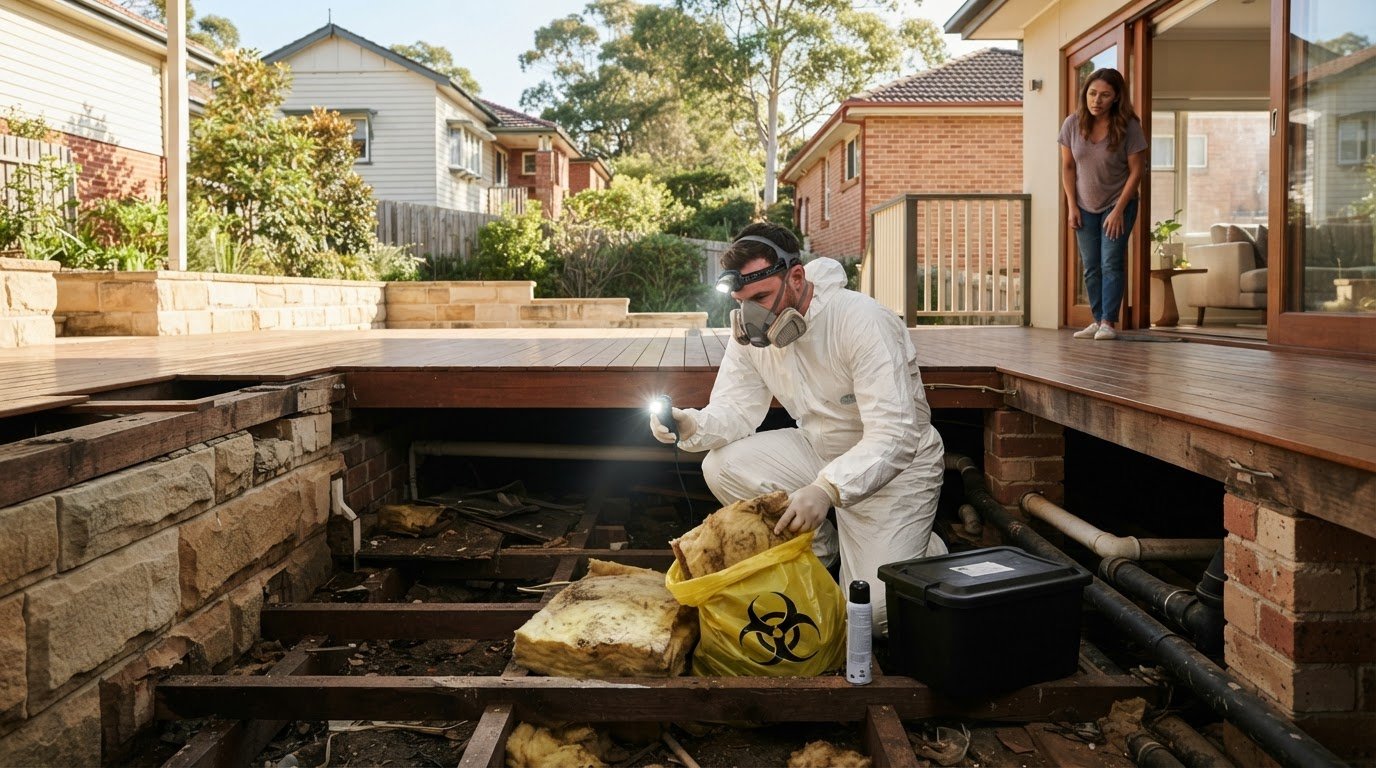
Before entering any contaminated roof void, safety is paramount. Dried droppings and urine host serious pathogens, including leptospirosis, salmonella, and roundworm spores. Secondary pests like bird mites, fleas, and ticks also linger in nesting materials. Always equip yourself with a fitted P2 respirator mask, heavy nitrile gloves, disposable coveralls, and wrap-around eye protection before handling contaminated materials.
Removing Yellow Watermarks and Neutralising Ammonia Odours on Plasterboard
Standard household bleach won’t permanently fix urine-soaked ceilings; water-based bleaches simply reactivate dried uric acid crystals and cause gypsum to crumble. Instead, spray an enzymatic cleaner or a warm 50/50 white vinegar and water solution directly onto the stained plasterboard. The enzymes break down the crystallised uric salts that generate stubborn odours. Allow the area to dry thoroughly, apply a heavy coat of oil-based stain-blocking primer to lock in residual pigments, and finish with matching ceiling paint.
Decontaminating Roof Insulation and Eliminating Secondary Pests
Long-term roof nesting destroys surrounding insulation. Saturated, sagging fibreglass batts positioned beneath established latrine corners lose their R-value completely and must be removed in heavy-duty waste bags. Once the framing is exposed, apply hospital-grade antimicrobial solutions to timber ceiling joists to eliminate lingering bacterial colonies.
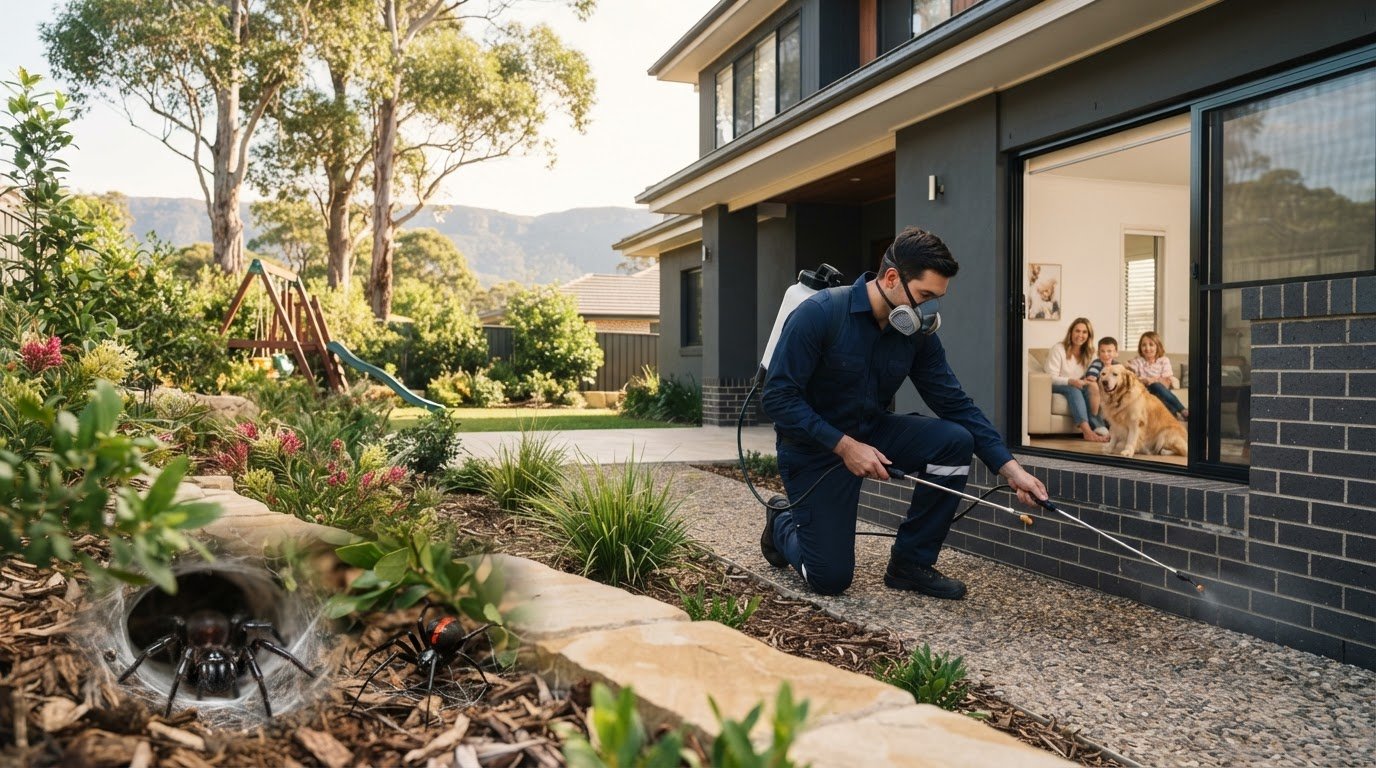
Once their native host departs, hungry external parasites quickly migrate downward into living areas through recessed downlights and cornice gaps. You should treat the entire roof void with residual insecticides to eradicate ticks, lice, and fleas before they infest carpets or bedrooms. Review our comprehensive guide on pest control in Sydney to protect your living areas against opportunistic secondary invaders.
Don’t let lingering pests and toxic contaminants compromise your family’s living environment. Book a comprehensive pest control package with ABC Pest Control Sydney to sanitise your home and eliminate parasite risks for good.
Permanent Possum Proofing: Securing Your Sydney Home for Good
Evicting an intruder solves the immediate crisis, but permanent structural proofing transforms temporary relief into a lasting resolution. Long-term possum in roof removal sydney properties rely on requires physical exclusion hardware rather than makeshift fixes. Never rely on expanding polyurethane foam. Possums easily chew straight through hardened foam in minutes to reclaim their nesting territory. Instead, install heavy-gauge galvanised steel mesh or tailored aluminium flashing over every structural void.
Landscape management plays an equal role. Prune surrounding tree canopies back at least two to three metres from gutter lines. This simple boundary cuts off aerial access routes and forces animals onto ground paths exposed to suburban predators. Schedule an annual roof inspection before winter to identify loose tiles and weathered timber before wildlife moves back in.
Structural Proofing: Sealing Roof Valleys, Eaves, and Weep Holes
Possums exert surprising leverage against weak architectural features. Fasten hot-dipped galvanised mesh beneath corrugated metal ridge capping and along open tile valleys to block common entry points. Inspect timber fascias, replacing brittle boards and securing metal valley irons firmly with exterior-grade screws. Install stainless steel weep hole guards along external brickwork to maintain continuous cavity airflow while preventing small ringtails from squeezing inside. Identifying how native species interact with domestic structures helps you protect your boundary; explore our guide to common pests in Sydney to learn more about suburban animal behaviours.
When to Book Professional Possum Removal Services in Sydney
DIY management becomes dangerous when dealing with multi-storey roof lines, aggressive territorial males, or nursing mothers with pouch young. Sealing a joey inside a wall cavity violates state animal welfare laws and creates severe structural biohazards. Professional wildlife technicians possess specialised licensing under NSW National Parks wildlife handling frameworks, ensuring every animal is evicted legally and without injury.
With over 20 years of metropolitan experience, ABC Pest Control Sydney delivers rapid inspections, humane eviction protocols, and comprehensive exclusion strategies to secure your property permanently. Protect your home and restore quiet nights today. Contact ABC Pest Control Sydney for swift, expert wildlife management.
Restore Silence and Reclaim Your Home Today
Nocturnal scratching and ceiling urine stains don’t have to disrupt your household any longer. Resolving the issue safely requires a decisive approach: accurately identify the intruder, execute a humane dusk eviction, and permanently seal structural vulnerabilities with heavy-gauge mesh. Taking shortcut solutions or attempting illegal relocation risks severe state fines and guarantees repeat invasions.
When you need reliable possum in roof removal sydney homeowners can trust, professional intervention delivers genuine peace of mind. Backed by over 20 years of trusted local pest and wildlife control experience across Sydney, ABC Pest Control Sydney provides specialised handling for resilient infestations. Our technicians deploy eco-friendly, humane methods adhering strictly to NSW wildlife conservation standards, ensuring native marsupials are handled ethically while your roof void is protected.
Don’t wait for chewed electrical wires or ceiling stains to escalate into costly structural hazards. Take decisive action now. Contact ABC Pest Control Sydney for Rapid, Compliant Possum Eviction through our rapid, stress-free booking system, and enjoy quiet, worry-free nights once again.
Frequently Asked Questions
Can I trap and relocate a possum myself in Sydney?
You cannot legally trap and relocate a possum to a new area yourself. Under the NSW Biodiversity Conservation Act 2016, possums are protected native wildlife. If you trap an animal on your property, state regulations require you to release it within 150 metres of the capture point at dusk on that same property. Dumping an animal in distant bushland incurs fines up to $22,000 and usually proves fatal due to territorial attacks.
Why do possums choose roof cavities instead of trees?
Possums seek roof cavities primarily due to significant urban tree hollow loss across metropolitan Sydney. Natural hollows take over a century to develop in native eucalypts. Ceiling cavities replicate these optimal environments by providing dry, temperature-controlled, elevated shelters that protect them against suburban predators like foxes, domestic dogs, and owls. Insulated roof spaces offer superior winter warmth, making residential structures irresistible to territorial adults searching for stable nesting sites.
How much does possum in roof removal cost in Sydney?
Professional pricing depends directly on your property’s architecture, accessibility, and the level of structural exclusion required. Multi-storey homes, steep tile pitches, and extensive perimeter gaps require more labor and specialized hardware than single-level properties with isolated entry points. For accurate possum in roof removal sydney homeowners should book an on-site property inspection. This inspection assesses the infestation severity, determines necessary proofing materials, and establishes a clear, transparent scope of work.
Will a possum in the ceiling chew through electrical wiring?
Yes, possums frequently chew on 240-volt electrical cables, creating severe short circuits and structural house fire risks. Marsupials gnaw on wiring insulation, timber beams, and plastic conduits to establish resting pockets and hone their growing teeth. If you experience flickering ceiling lights, intermittent power outages, or tripping safety switches alongside roof thumping, treat the situation urgently. You must evict the animal and arrange a licensed electrical inspection to replace exposed wires.
How do you get rid of possum urine smell from ceiling plaster?
Eliminate foul ammonia odours by treating the plasterboard with specialised enzymatic cleaners rather than standard bleach. Bleach only reacts with dried uric acid crystals, worsening the stench and breaking down ceiling plaster. Spray an enzyme solution or warm vinegar mixture directly onto the stain to dissolve the crystallised deposits. Once completely dry, coat the ceiling with an oil-based stain-blocking primer before applying fresh ceiling paint to seal away residual odours permanently.
What should I do if a possum has babies in my roof?
Leave the nesting site undisturbed and contact a licensed wildlife specialist immediately. Sealing entry points or installing one-way doors while dependent young remain inside is illegal under NSW animal welfare legislation. Trapped joeys will perish within the walls, creating devastating welfare issues and horrific decomposition odours. Professional operators evaluate the joey’s maturity, timing the eviction carefully until the young possum can exit safely into a mounted external nesting box.
Can I use rat poison to get rid of possums in my roof?
No, using rodenticide or any poison against possums is strictly illegal across Australia. Possums are protected native marsupials, and poisoning them carries severe criminal penalties, including massive statutory fines and potential imprisonment. Beyond legal repercussions, poison baits cause a slow, agonizing death and often lead to animals dying in inaccessible roof crevices. Compliant possum in roof removal sydney residents need relies strictly on humane exclusion doors and permanent structural mesh proofing.