Why are you still waking up with itchy welts after emptying an entire can of supermarket spray? It’s a nightmare scenario many Sydney residents face. You’ve spent the money and followed the instructions, yet the infestation persists. The reality is that your efforts aren’t failing because of a lack of care. • The Problem: Explain that bed bugs have developed severe genetic resistance to traditional pyrethroid chemical sprays. Chemical sprays try to attack the bug’s nervous system, but many modern populations have evolved thicker outer shells and internal enzymes that neutralize these poisons instantly.
We understand the anxiety of sleeping in a bed that doesn’t feel safe. It’s natural to feel like you’re losing the battle when DIY methods fall short. Discover the scientific reason why common chemicals no longer kill bed bugs and how modern, professional strategies can finally clear your home. This guide explains the biology behind this 5200-fold resistance and provides a clear path to a bug-free house. You’ll learn why “spray and pray” methods are a thing of the past and how specialized, surgical interventions provide the peace of mind you deserve.
Key Takeaways
- Understand • The Problem: Explain that bed bugs have developed severe genetic resistance to traditional pyrethroid chemical sprays. Chemical sprays try to attack the bug’s nervous system, but modern mutations allow these pests to survive direct exposure.
- Learn why supermarket “bug bombs” and retail sprays often fail, frequently driving infestations deeper into wall voids and electrical outlets.
- Discover the shift toward Integrated Pest Management (IPM) and how non-repellent insecticides act as a “Trojan Horse” to bypass evolved defenses.
- Identify why professional expertise and specialized service tiers are essential for clearing high-difficulty infestations in Sydney’s high-density residential units.
The Bed Bug Crisis: Why Sydney’s Infestations Are Breaking the Rules
Bed bug sightings in Sydney have reached a decade-high in 2026. This isn’t just a minor nuisance; it’s a city-wide challenge that is changing the way we think about home hygiene. If you’ve been waking up with itchy welts despite using every spray available at the local shop, you aren’t alone. “Old school” pest control methods are failing across New South Wales. Stop blaming your cleaning habits or the age of your home. The reality is that your frustration is completely valid. It is not your fault; it is the result of rapid, localized evolution.
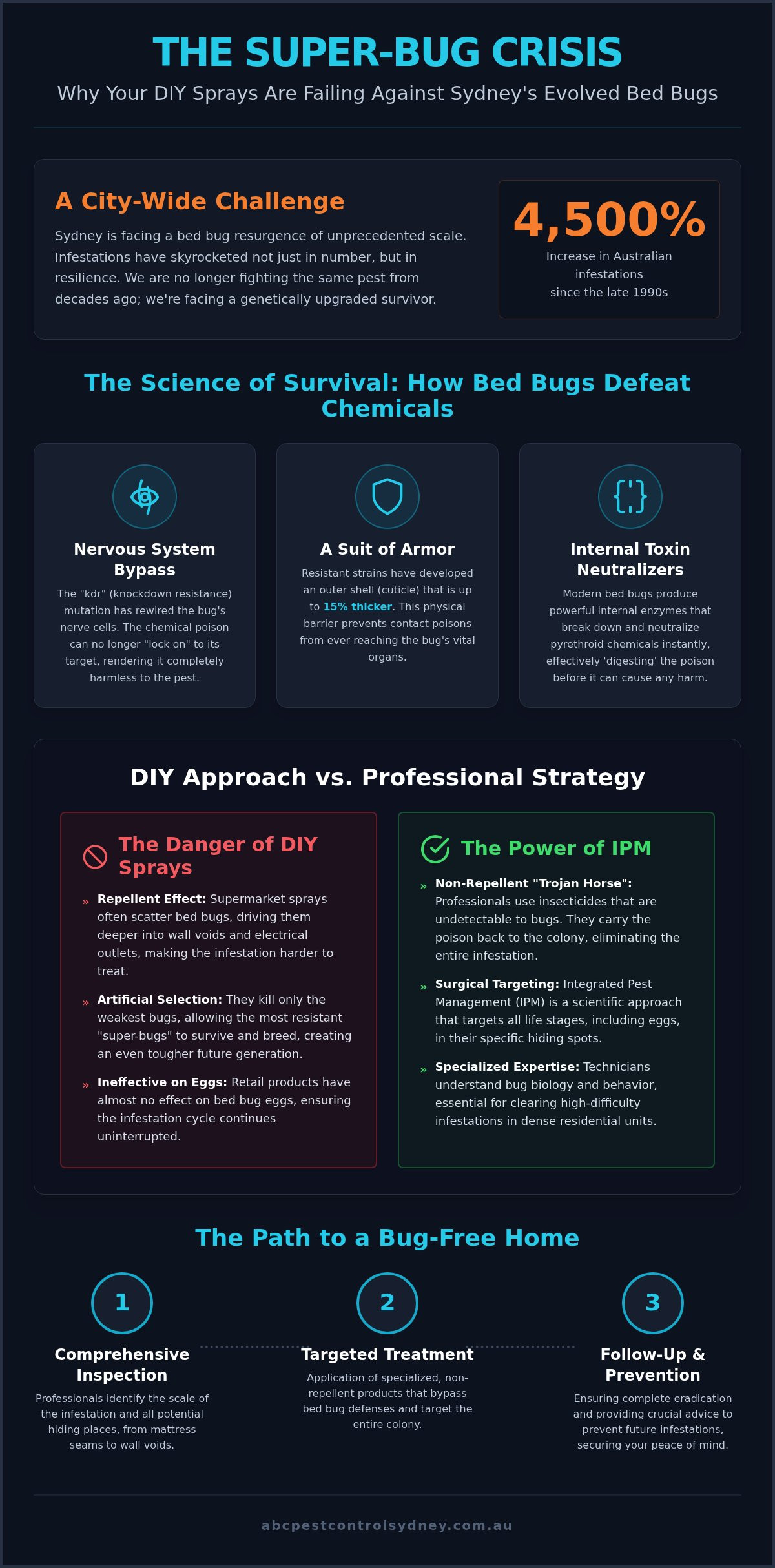
In the past, a simple treatment would suffice. Today, the bugs have changed the rules of engagement. Statistics from the mid-2020s show that infestations in Australia have increased by 4,500% since the late 1990s. This massive surge isn’t just because there are more bugs. It’s because the bugs we have are much harder to kill. Traditional “spray and pray” tactics no longer work on these modern populations. We are dealing with a biological upgrade that requires a professional response. You can’t fight a 2026 problem with 1990s tools.
The Resurgence of the Super-Bug
Sydney is a global hub. Our constant international travel and high-density living fuel the rapid spread of these pests. In suburbs like the Inner West or the CBD, bed bugs move effortlessly between apartments and units. What was once a rare occurrence has become a common household nightmare for many families. These “super-bugs” thrive in shared living spaces where they can hitchhike from one room to the next through wall cavities and floorboards. Resistance to pesticides has increased significantly, which means the strains we encounter in 2026 are far more resilient than those from previous decades. High-density buildings are particularly vulnerable because one untreated unit can re-infest an entire floor in weeks.
What is Pyrethroid Resistance?
Most supermarket sprays rely on pyrethroids. These chemicals are the active ingredients in 90% of retail pest products. They were designed to be fast-acting toxins that provide a quick “knockdown.” However, their over-use has created a massive problem. • The Problem: Explain that bed bugs have developed severe genetic resistance to traditional pyrethroid chemical sprays. Chemical sprays try to attack the bug’s nervous system, but modern bed bugs have evolved to survive the assault. This happens through selective pressure. When a weak spray is used, only the most resilient bugs survive to breed. Genetic resistance is a permanent physiological shield against common toxins. It’s a biological “rewiring” that makes standard supermarket chemicals almost entirely useless in a modern Sydney home. Understanding this shift is the first step toward reclaiming your bedroom.
The Science of Survival: How Bed Bugs Defeat Chemical Sprays
Bed bugs are masters of biological adaptation. They haven’t just survived our chemical attacks; they’ve thrived under them. To solve an infestation, you must first acknowledge • The Problem: Explain that bed bugs have developed severe genetic resistance to traditional pyrethroid chemical sprays. Chemical sprays try to attack the bug’s nervous system, but these pests have built a biological wall that stops the poison in its tracks. They aren’t just hiding from your treatments. They are actively defeating them at a cellular level. This isn’t just about the bugs running away; it is about their bodies changing to withstand the assault.
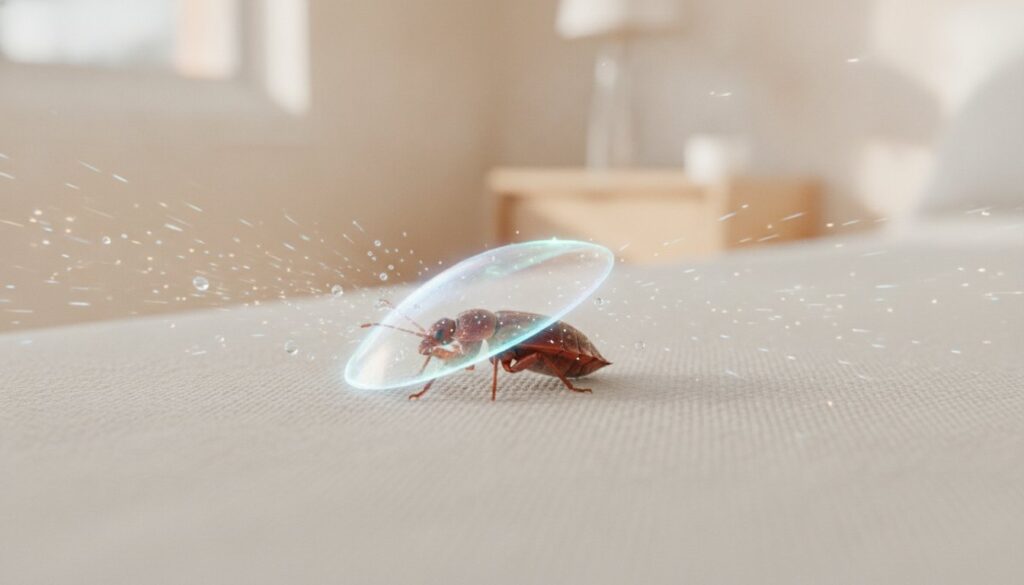
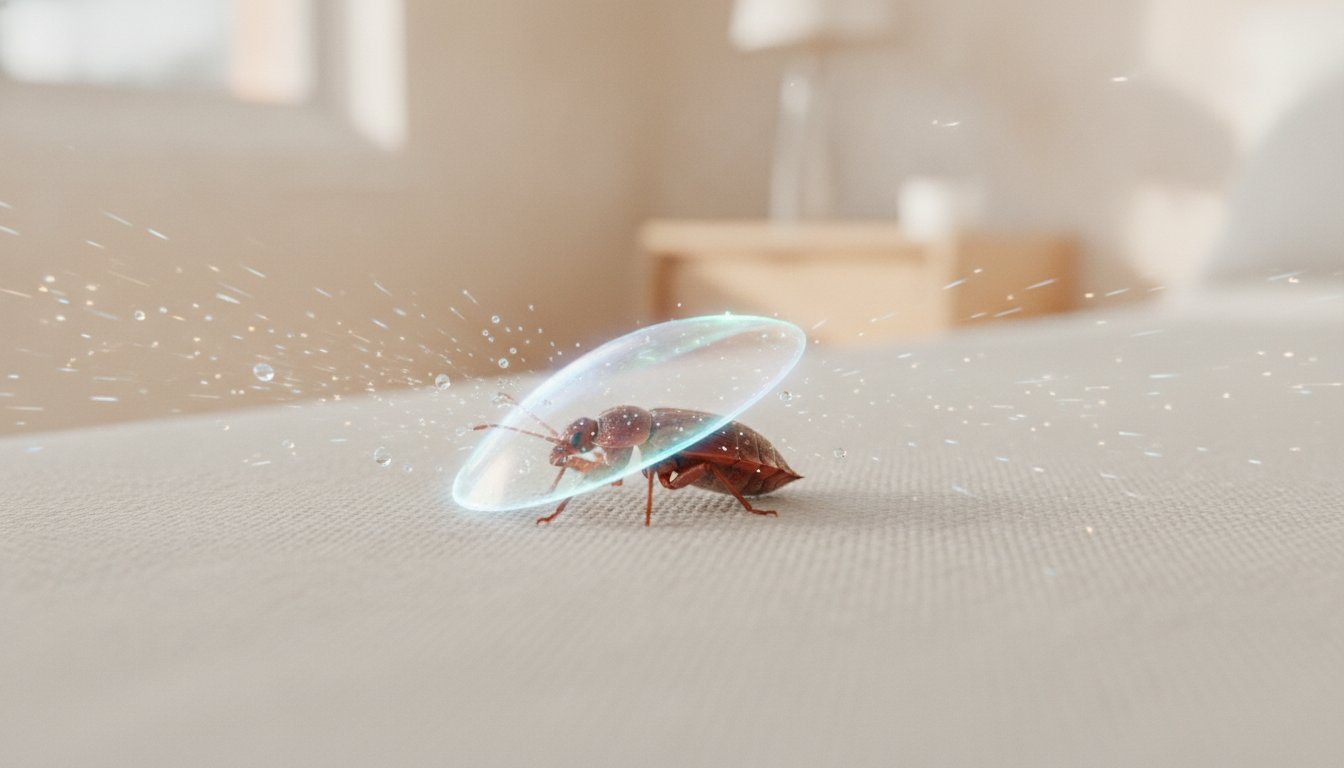
Research confirms that many modern bed bug populations in Sydney have developed a physical defense alongside their genetic changes. Their outer shell, known as the cuticle, has thickened by up to 15% in resistant strains. This creates a literal suit of armor. It prevents contact toxins from ever reaching the bug’s vital organs. If the poison can’t get in, it can’t do its job. This physical barrier is the first line of defense in a complex survival strategy that makes standard residential treatments far less effective than they were a decade ago.
The Nervous System Bypass
The most common way these pests survive is through the “kdr” or knockdown resistance mutation. This is a genetic rewiring of their nerve cells. It changes the shape of the specific proteins where the insecticide is supposed to bind. Because the chemical can no longer “lock” onto the nerve, the bug remains completely unaffected. This issue has deep roots. There is a documented cross-resistance between DDT and other pesticides like modern pyrethroids. Because both types of chemicals attack the nervous system in similar ways, the bugs that survived DDT decades ago passed down the blueprints for surviving today’s sprays. You could spray a bug directly, and it might simply walk away.
Detoxification at a Cellular Level
Even if the chemical manages to penetrate the shell and reach the bloodstream, the bug has another trick. Metabolic resistance is a sophisticated internal defense system. Bed bugs have upregulated their production of P450 enzymes. These enzymes act like a biological waste treatment plant. They identify the poison and break it down into harmless components before it can cause any damage. It’s a high-speed internal cleaning process that neutralizes toxins in real-time.
The scary truth is that what used to kill a bed bug in seconds now takes days, or in many cases, never happens at all. This is why professional intervention is no longer optional. If you’re struggling with a persistent infestation, you need a strategy that bypasses these genetic shields. Our team at ABC Pest Control Sydney uses specialized protocols designed for these high-difficulty challenges. We focus on methods that these evolved defenses cannot stop.
The Danger of DIY: Why Supermarket Sprays Make Infestations Worse
Picking up a $20 can of spray from the supermarket feels like a quick fix. It isn’t. In fact, it’s often the catalyst for a much larger, more expensive disaster. When you use these products, you aren’t just wasting money; you’re actively training the pests to survive. • The Problem: Explain that bed bugs have developed severe genetic resistance to traditional pyrethroid chemical sprays. Chemical sprays try to attack the bug’s nervous system, but when the dose is sub-lethal or the bug is already resistant, the chemical acts as a repellent rather than a killer. This creates a false sense of security. You see fewer bugs on the mattress and assume the treatment worked. In reality, the survivors have simply moved deeper into your home.
The financial impact of DIY failure is significant. A cheap spray might cost very little upfront, but it frequently leads to a $2,000 bill for professional remediation and furniture replacement later. This happens because amateur treatments rarely reach the source of the infestation. The Science of Bed Bug Resistance confirms that these insects have evolved multiple layers of defense, including mutations in their nerve cells that prevent common sprays from functioning. By the time homeowners realize the DIY approach has failed, the population has often tripled in size and spread to multiple rooms.
The Scattering Phenomenon
Sub-lethal doses of supermarket chemicals trigger a violent flight response in bed bugs. This is known as scattering. Instead of dying, the bugs migrate away from the treated area. They crawl through wall voids, behind skirting boards, and into electrical outlets. In Sydney apartment blocks, this is a major concern. One resident’s attempt to “bug bomb” their unit can drive resistant strains into neighboring apartments. Once the bugs leave the primary zone, they become significantly harder to track and eradicate. You’ve turned a localized problem into a building-wide crisis.
DIY Chemical Hazards
Amateur pesticide use carries real risks for Sydney families. Over-application is common when people get desperate. This leads to lingering chemical residues that can cause respiratory issues and skin irritation. “Bug bombs” or total release foggers are the single worst tool for bed bug management. They coat the top of your belongings in poison but never reach the cracks and crevices where bed bugs actually hide. Don’t risk your health on a method that doesn’t work. Learn how to get rid of bed bugs safely without the dangers of DIY chemical exposure. Professional intervention is the only way to ensure total elimination without compromising your indoor air quality.
Beyond Chemicals: Modern Strategies for Resistant Bed Bugs
If chemical sprays are failing, how do you actually win the battle? The answer lies in Integrated Pest Management (IPM). This is a surgical approach that moves beyond the old “spray and pray” mentality. We have to move beyond the old ways because • The Problem: Explain that bed bugs have developed severe genetic resistance to traditional pyrethroid chemical sprays. Chemical sprays try to attack the bug’s nervous system, but modern Sydney strains have built biological walls against them. Our strategy combines physical removal, biological growth inhibitors, and undetectable chemistry to ensure total eradication.
Integrated Pest Management focuses on the entire life cycle of the pest. We use Insect Growth Regulators (IGRs) to act as biological “birth control” for the colony. Even if a few nymphs survive the initial treatment, the IGR prevents them from reaching reproductive maturity. This effectively breaks the cycle of re-infestation. We also utilize high-grade HEPA vacuuming to mechanically remove live bugs and allergens from deep within carpets and furniture. This multi-layered defense is the only way to handle a 2026 infestation.
Non-Repellent Technology
Modern professional-grade treatments use non-repellent technology. Unlike supermarket sprays that bugs can sense and avoid, these chemicals are completely invisible to their sensory organs. Think of it as a “Trojan Horse.” A bug walks through the treated area without knowing it has been exposed. It then returns to the colony and spreads the active ingredient to others through the “Transfer Effect.” This is the gold standard for treating resistant Sydney strains because it eliminates the scattering problem entirely. It allows us to kill the bugs that are hiding deep inside your walls without them ever realizing they are under attack.
The Power of Heat and Steam
No insect can evolve a genetic defense against extreme temperatures. While genes can adapt to toxins, they cannot survive being cooked at 60 degrees Celsius. We use targeted, high-grade steam to penetrate mattress seams, bed frames, and furniture joints where eggs are hidden. Most chemicals cannot penetrate egg shells, but heat destroys them on contact. Thermal treatment provides an instant kill regardless of chemical resistance levels. This approach also applies to your linens; utilizing professional services like laundrybreeze.com for high-heat washing ensures that fabrics are completely cleared of any hitchhiking pests. By combining this mechanical destruction with modern non-repellents, we provide a solution that is both eco-friendly and incredibly effective.
Don’t waste another night in a compromised bed. Contact ABC Pest Control Sydney to implement a modern, multi-layered defense that actually works.
Professional Eradication: Why ABC Pest Control Sydney is the Solution
You need a specialist who understands the biology of the modern Sydney bed bug. We’ve spent over 20 years in the Sydney metropolitan area watching these pests adapt. Our team has documented the shift from simple treatments to the complex biological challenges we face today. • The Problem: Explain that bed bugs have developed severe genetic resistance to traditional pyrethroid chemical sprays. Chemical sprays try to attack the bug’s nervous system, but our protocol bypasses these defenses through a surgical approach. We don’t just treat your home; we eliminate the threat using the most advanced science available in 2026. This isn’t a job for amateurs or generalists.
Our “Specific Pest Extermination” tier is designed for high-difficulty challenges. It’s a comprehensive package that prioritizes your family’s safety while ensuring no bug is left behind. We use eco-friendly and safe methods tailored specifically for residential units and apartments. This is a necessity in Sydney’s high-density suburbs where infestations spread quickly between walls. Sydney’s humid climate and unique housing structures, from historic terraces to modern glass towers, create perfect microclimates for bed bugs. Our local expertise allows us to identify how these pests move through specific Sydney building types. We know the shortcuts they take. This localized knowledge is what separates a successful eradication from a temporary fix.
Our Multi-Stage Treatment Plan
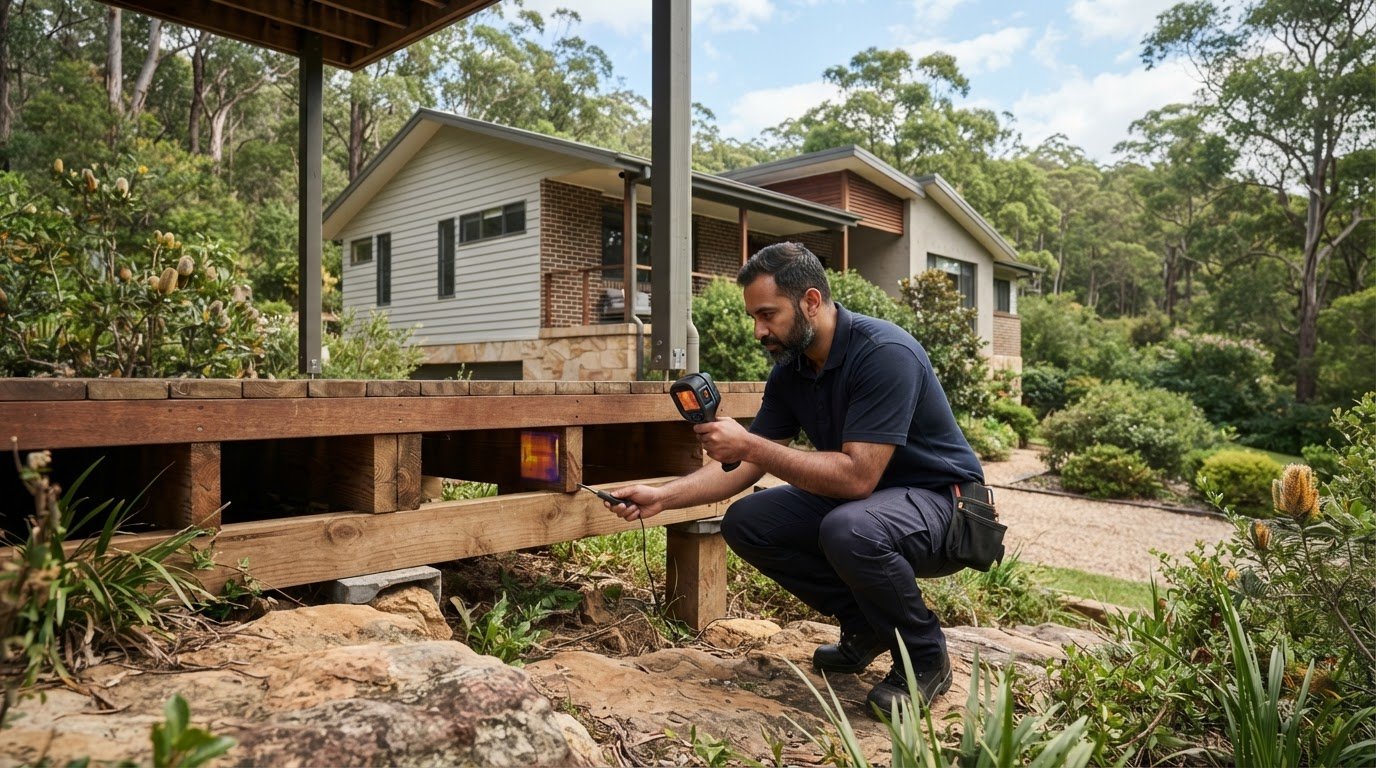
Eradication starts with a meticulous inspection. We use high-intensity tracking tools to find hidden harborages that amateur eyes miss. Once we’ve mapped the infestation, we deploy a three-pronged attack. This includes mechanical removal, targeted thermal application, and non-repellent chemical barriers. We don’t stop after one visit. Our technicians schedule follow-up appointments to ensure the breeding cycle is permanently broken. This ensures that any late-hatching eggs are neutralized before they can restart the colony. We focus on total resolution, not just surface-level suppression.
Peace of Mind for Sydney Residents
Sleeping in your own bed shouldn’t cause anxiety. We follow all Australian standards and NSW health regulations to provide a service that’s as safe as it is effective. If you’re dealing with a high-stress infestation, our team provides urgent response times to stop the spread. We focus on tangible outcomes and total resolution. For broader protection against other resilient Sydney pests, explore our guide to pest control sydney. Take back your home today. Stop the bites and start sleeping soundly again with the help of seasoned experts. Your peace of mind is our primary goal.
Take Back Your Home from Resistant Bed Bugs
Stop the cycle of failed treatments and wasted money. You now understand why those supermarket sprays haven’t worked. It isn’t your fault. • The Problem: Explain that bed bugs have developed severe genetic resistance to traditional pyrethroid chemical sprays. Chemical sprays try to attack the bug’s nervous system, but the pests in your home have likely evolved to ignore these toxins completely. Continuing with ineffective DIY methods only scatters the colony and increases your long-term costs.
ABC Pest Control Sydney brings over 20 years of local experience to your doorstep. We are specialists in handling high-difficulty pests that others can’t kill. Our eco-friendly and safe residential packages ensure your family is protected while the bugs are eliminated. We focus on total resolution, using modern strategies that bypass evolved genetic shields.
You deserve a peaceful night’s sleep in a bug-free home. Let the experts handle the science so you can get back to your life. We are ready to help you reclaim your space and your peace of mind.
Frequently Asked Questions
Why are bed bugs so hard to kill in 2026?
Bed bugs are difficult to kill in 2026 because they have developed a multi-layered defense system against traditional toxins. This includes a 15% thicker cuticle that blocks contact poisons and internal enzymes that neutralize chemicals in the bloodstream. These biological adaptations mean that older methods no longer provide the total resolution required for modern infestations. You need a specialized approach to bypass these evolved defenses.
Can I kill resistant bed bugs with bleach or rubbing alcohol?
Bleach and rubbing alcohol are not effective or safe solutions for a bed bug infestation. While they might kill a bug on direct contact, they have no residual effect and cannot reach the pests hiding deep in wall voids or furniture. Using these substances also creates significant fire hazards and respiratory risks for your family. Stick to professional-grade methods to ensure safety and effectiveness.
Do bed bugs in Sydney have a specific resistance to pyrethroids?
Yes, Sydney populations are among the most resilient in Australia. • The Problem: Explain that bed bugs have developed severe genetic resistance to traditional pyrethroid chemical sprays. Chemical sprays try to attack the bug’s nervous system, but local strains have developed a “knockdown resistance” mutation. This genetic rewiring allows them to survive direct exposure to common supermarket sprays that would have been lethal decades ago.
How do I know if the pest controller I hired is using the right chemicals?
Ask your pest controller if they are using non-repellent insecticides and Insect Growth Regulators (IGRs). A professional should be able to explain why they are avoiding traditional pyrethroids in favor of chemistry that bugs cannot detect. If they only offer a single treatment without a multi-stage plan, they are likely using outdated methods that won’t solve a resistant infestation.
What is the best non-chemical way to kill bed bugs?
High-temperature steam is the most effective non-chemical method for killing bed bugs at all life stages. No bug can develop resistance to heat above 60 degrees Celsius. This method is particularly useful for mattresses and delicate furniture where chemical application might be limited, as it destroys eggs that many insecticides cannot penetrate. It provides an instant kill that chemicals often miss.
How long does it take to get rid of a resistant bed bug infestation?
Eliminating a resistant infestation typically takes between two to four weeks with professional intervention. This timeline includes the initial intensive treatment and at least one follow-up visit to break the breeding cycle. Because eggs hatch every 7 to 10 days, a single visit is rarely enough to guarantee that the problem is permanently resolved. Persistence and expert monitoring are key.
Are bed bug sprays from the supermarket completely useless?
Supermarket sprays are often counterproductive because they lack the potency to kill resistant strains and trigger a flight response. • The Problem: Explain that bed bugs have developed severe genetic resistance to traditional pyrethroid chemical sprays. Chemical sprays try to attack the bug’s nervous system, but since retail products fail to kill the survivors, the bugs simply migrate to other rooms. This turns a localized issue into a building-wide crisis.
Can bed bugs move between apartments through the walls?
Bed bugs frequently move between apartments by traveling through wall cavities, electrical outlets, and plumbing penetrations. This is a major concern in high-density Sydney units. If one apartment is treated with a repellent spray, the bugs will often flee into the adjacent units. This makes it essential to use non-repellent professional treatments that kill the bugs without alerting them to the danger.