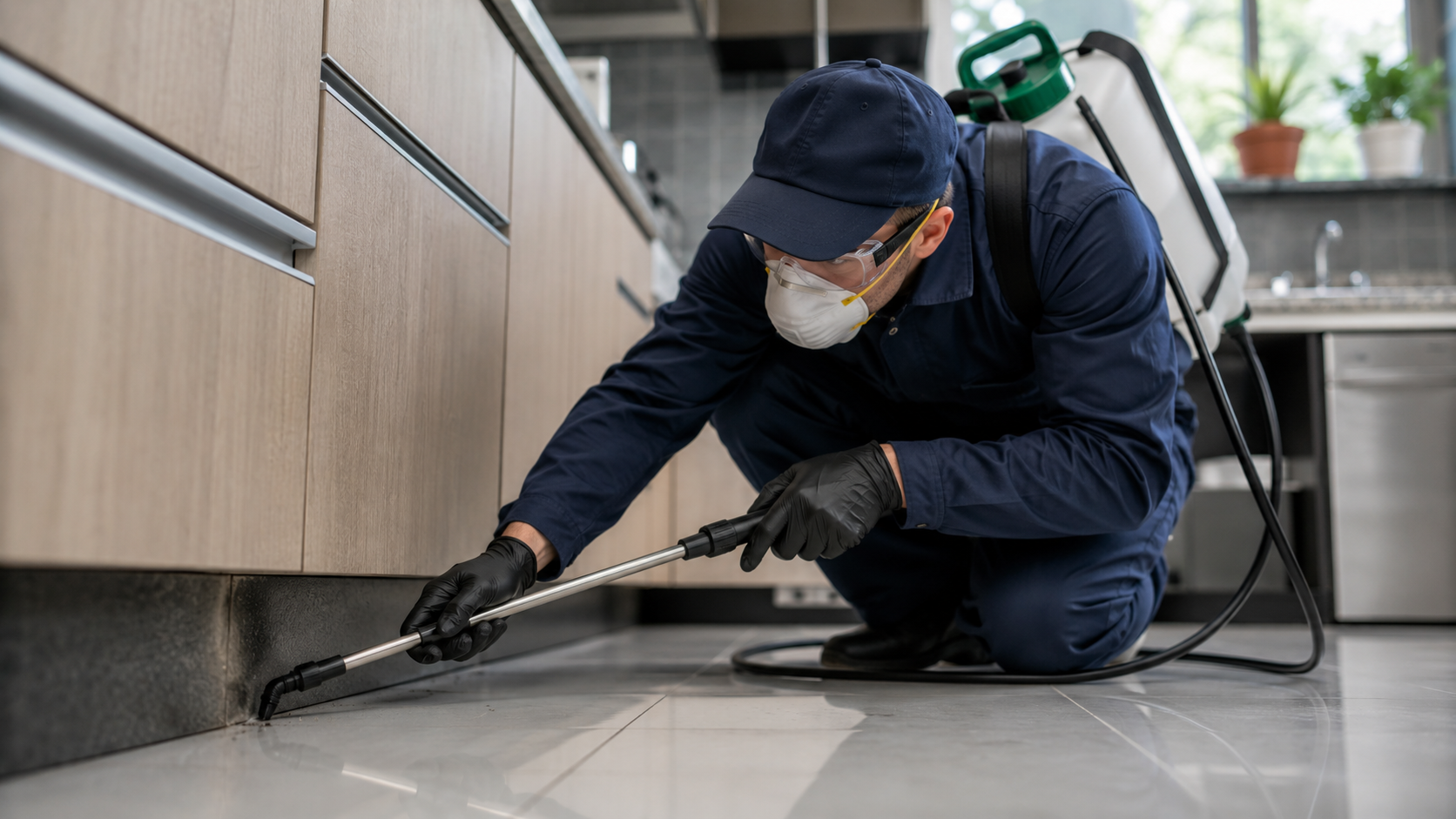
Professional pest control delivers lasting results when three conditions align: treatment reaches the actual breeding sites, the timing accounts for the pest’s reproductive cycle, and follow-up is built into the plan from the start. Miss any one of those, and you’re not solving the problem. You’re buying yourself a few quiet weeks before it returns.
Key Takeaways
• German cockroaches and bed bugs are the two pests where DIY approaches most consistently fail, because both require professional-grade products and timed follow-up to break the breeding cycle
• In apartment buildings, treating one unit while neighbouring units stay untreated almost always leads to re-infestation, since pests travel through shared wall cavities and plumbing chases
• Treatment preparation is the biggest variable within your control and directly affects how much product reaches the pest’s harbourage zones
• Maintenance packages covering up to three treatments per year produce stronger long-term outcomes than reactive, one-off visits for most Sydney properties
• The real cost of waiting isn’t the treatment fee. It’s the structural damage, compliance risk, or compounding infestation that grows while you delay
Why Do So Many Pest Treatments Produce Disappointing Results?
Weak results almost always trace back to three failures: wrong product for the pest, wrong timing relative to the breeding cycle, or incomplete coverage of where the pest actually lives and breeds.
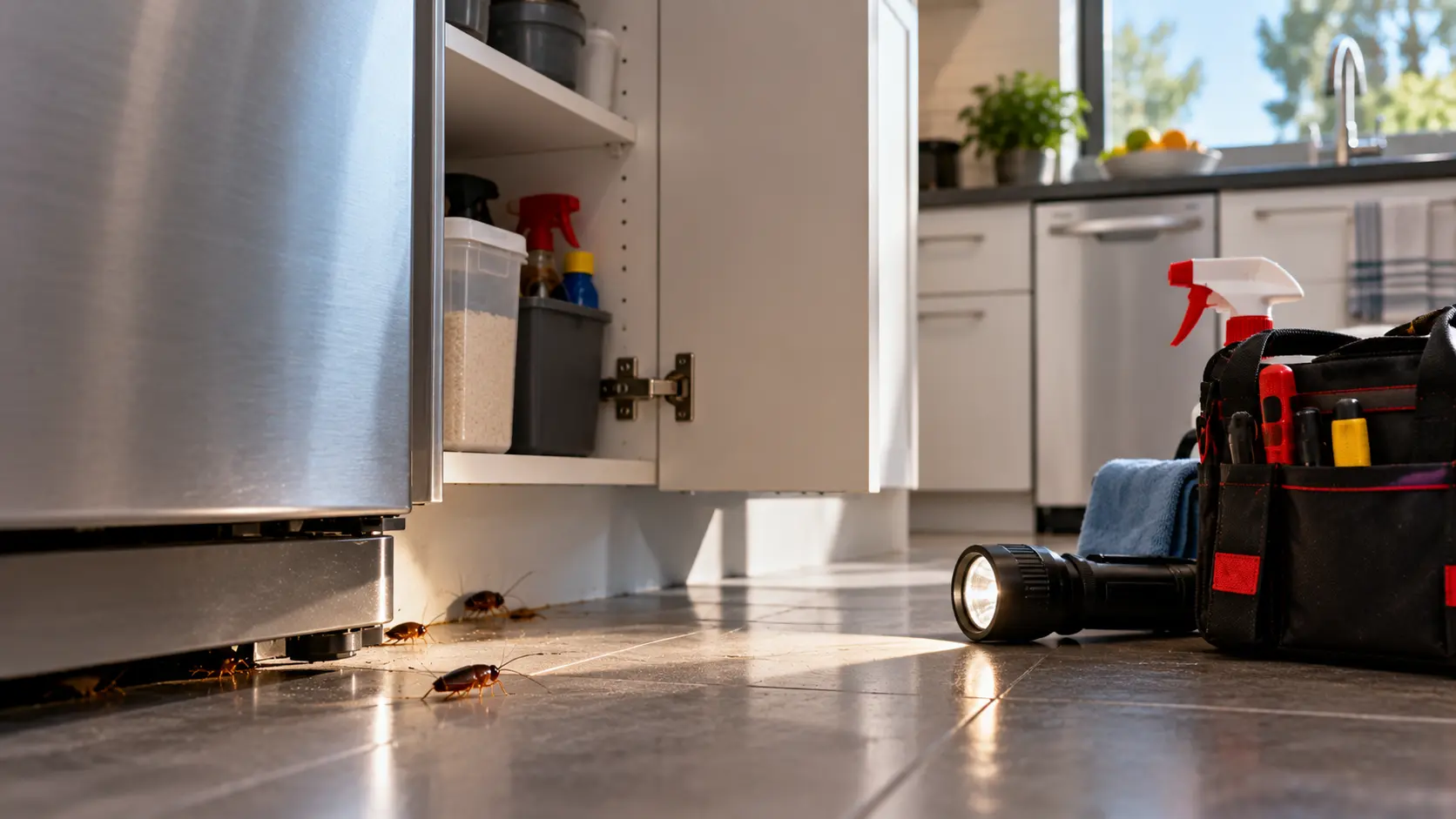
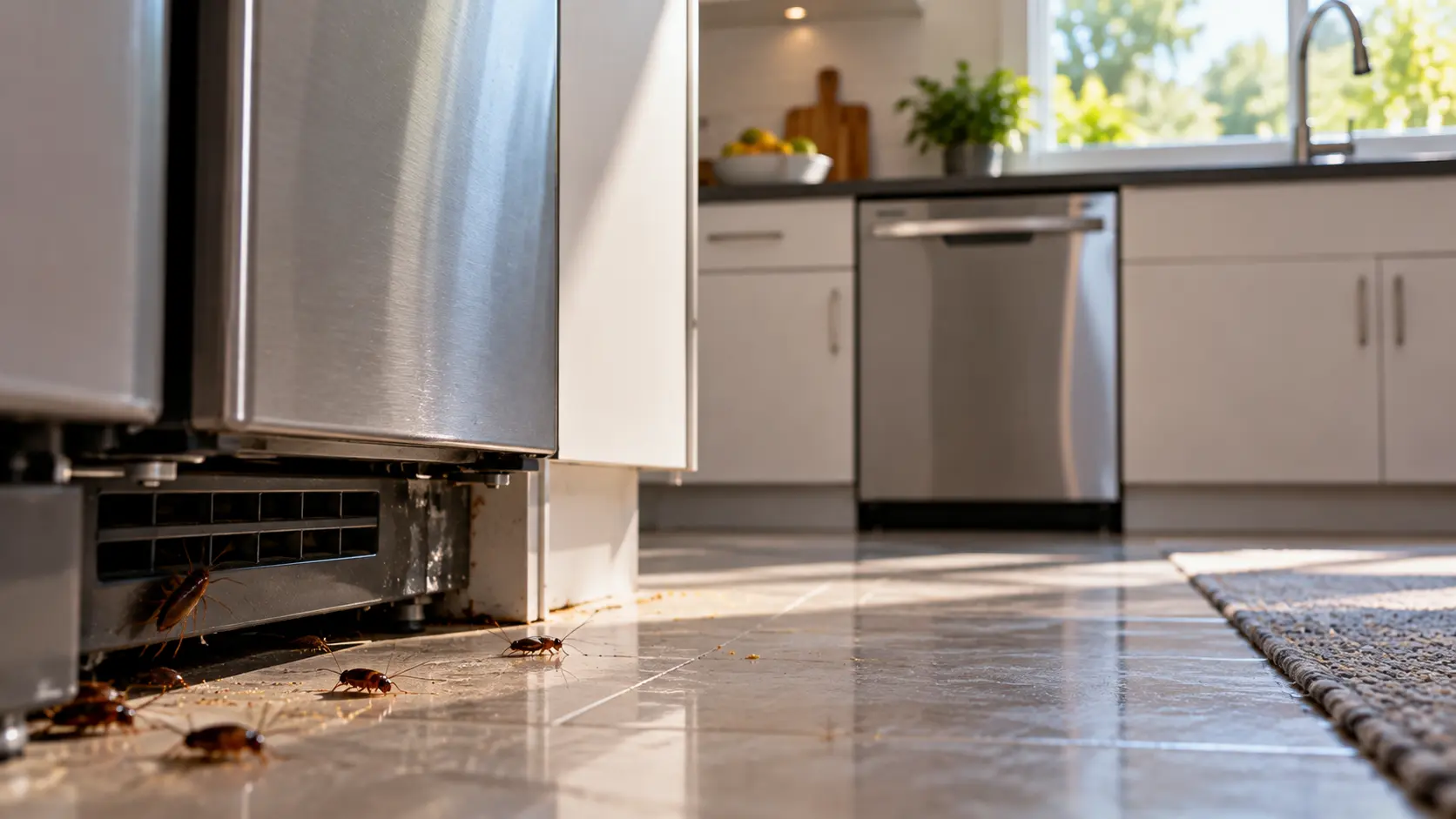
A typical scenario plays out like this. A resident treats visible cockroaches with a supermarket spray, the surface population drops, and the problem looks resolved. What’s actually happened is the spray has pushed the colony deeper into wall cavities and appliance motors, areas the spray can’t physically reach, where the breeding population sits entirely untouched. Within weeks the infestation resurfaces, usually larger than before.
The pest you see is rarely the pest that matters. Visible individuals represent a fraction of the colony. The breeding core is hidden, protected, and completely unaffected by surface-level treatment.
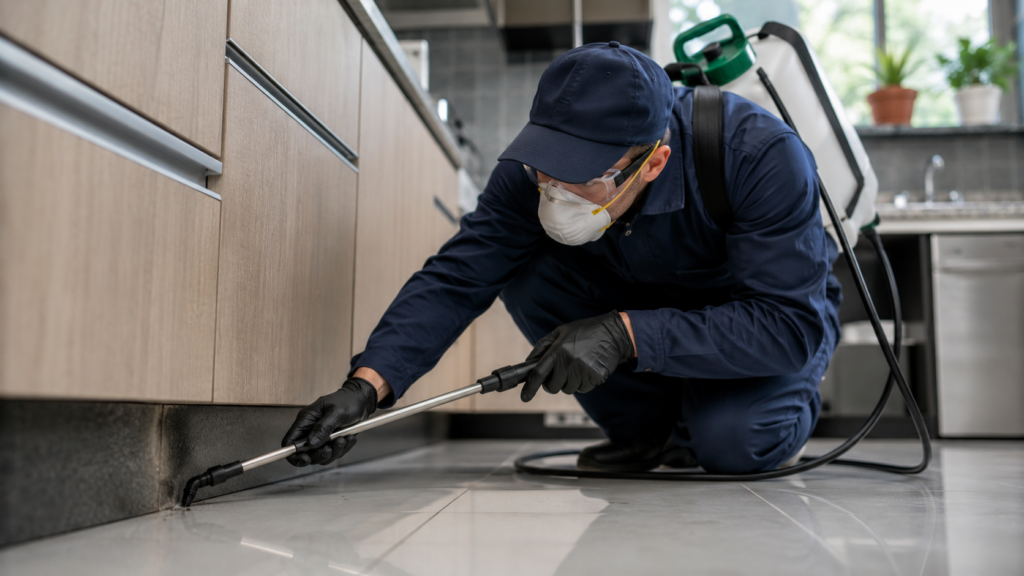
Professional pest management works differently, not because the products are always stronger, but because application is designed around the pest’s biology and your specific property layout. If you’re not sure what you’re dealing with, correctly identifying the pest is the right starting point before any treatment decision is made.
What Honest Treatment Timelines Look Like
The pests that consistently require multiple visits are German cockroaches and bed bugs. They’re also the ones where people most often misread “it’s quieter” as “it’s done.”
The reason comes down to pest biology. A single treatment that eliminates active adults leaves eggs and hidden colonies intact. Those eggs hatch on their own schedule. That’s why professional German cockroach removal is structured around follow-up visits timed to the hatching cycle, not a single application followed by waiting.
Here’s a realistic picture of what to expect when you act with qualified help versus when you delay or go it alone:
| Pest | Acting with ABC Pest Control Sydney | Waiting, DIY, or Unqualified Treatment |
| German cockroaches | Gel bait targets harbourage zones; follow-up visits timed to hatching cycle; systematic eradication across multiple visits | Supermarket spray displaces colony deeper; breeding cycle continues untouched; problem resurfaces larger |
| Bed bugs | Specialist treatment reaches harbouring sites including wall voids and furnishing seams; timed follow-up accounts for egg survival | Resistance to conventional sprays leaves populations intact; eggs hatch on schedule; problem compounds over weeks |
| General cockroaches | Visible reduction typically within days; ongoing access points identified and treated | Partial knockdown; re-entry through drains and gaps; problem returns without addressing the source |
| Rodents | Baiting and entry-point strategy targets the population and the access route | Entry points remain open; population rebuilds; structural damage and hygiene risk continue |
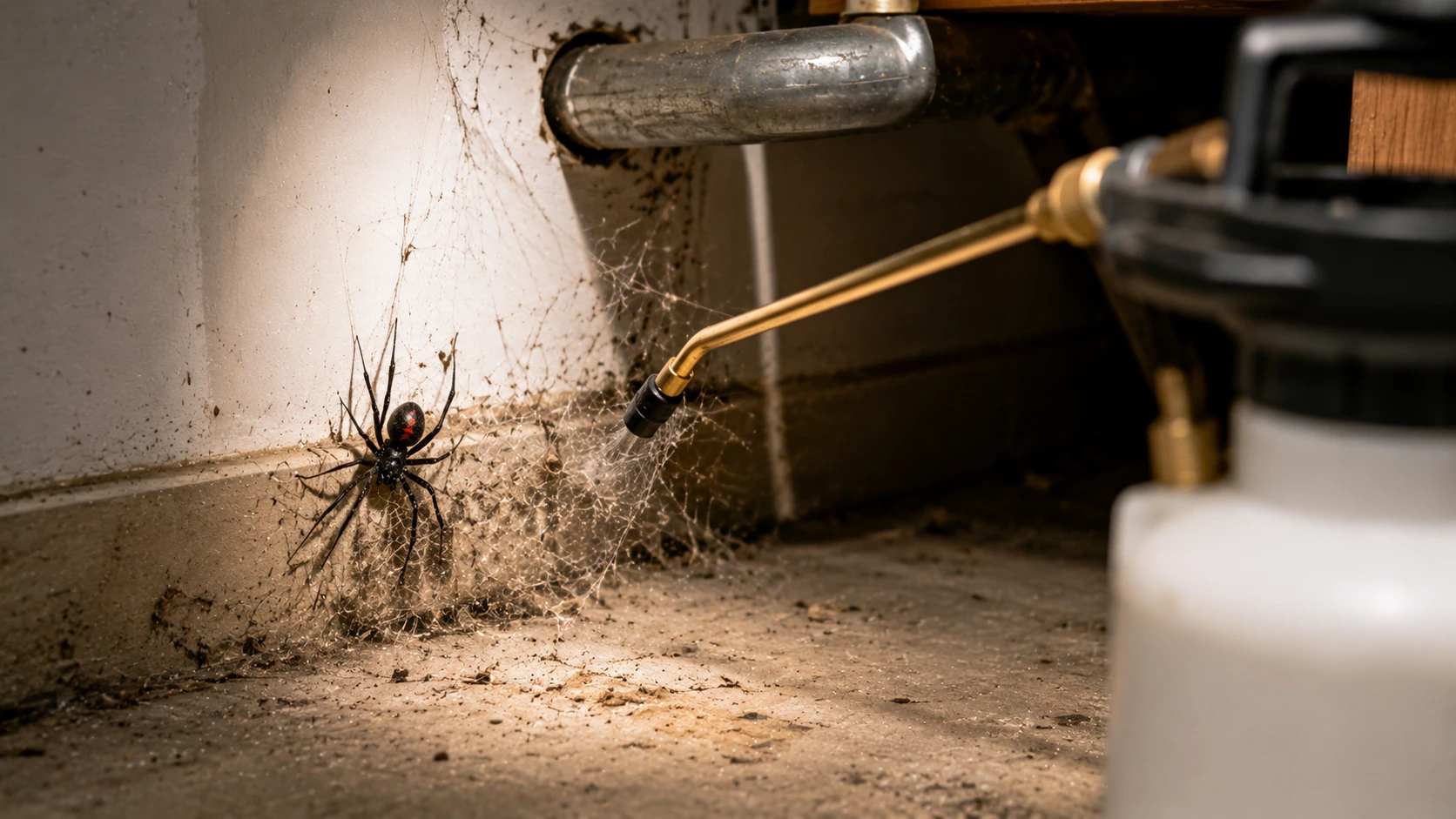
| Spiders | Rapid visible reduction; seasonal maintenance prevents reinfestation | Temporary knockdown; warm months bring return without ongoing treatment |
These outcomes reflect pest biology, not just product speed. Practitioners using a biology-based treatment protocol consistently report better long-term outcomes than those applying a single blanket spray and closing the job.
Why Single-Unit Apartment Treatment Often Isn’t Enough
If you’re managing or living in an apartment building, treating one unit in isolation is almost always insufficient. That’s a structural reality, not a sales pitch.
German cockroaches move through shared wall cavities, plumbing chases, and electrical conduits. Treat one unit thoroughly while neighbouring units remain untreated and the colony relocates through those shared pathways and returns. The same principle applies to bed bugs, which spread through wall gaps, shared laundry facilities, and furniture moved between units.
It’s worth understanding how responsibility is typically divided. In strata buildings, the owners’ corporation is generally responsible for common areas, while individual unit occupants carry responsibility for their own space. Treating your unit reduces the active problem there, but if pests are entering from a neighbouring unit, that treatment won’t eliminate the source. In those situations, ongoing maintenance manages re-entry, but the fuller solution requires the source unit to be treated as well.
The most effective approach, where coordination is possible, is treating multiple units in a single visit. This covers the shared pathways that isolated treatments miss and is considerably more cost-efficient per unit when organised through strata management or a property manager. The full detail on how unit and apartment pest control works at a building level is worth reading if you’re responsible for a complex.
ABC Pest Control Sydney works across apartments, houses, and commercial premises throughout Sydney. The pattern across those jobs is consistent: coordinated treatment across multiple units produces outcomes that isolated reactive treatments can’t match.
How ABC Pest Control Sydney Approaches Bed Bugs
Bed bugs are among the most treatment-resistant pests Sydney pest professionals encounter. Practitioners working in urban environments consistently note that conventional pyrethroid-based sprays frequently fail to eliminate established populations, particularly those that have had time to spread into wall voids and furnishing seams.
ABC Pest Control Sydney uses a specialist treatment approach that targets actual harbouring sites, not just the surfaces where bed bugs occasionally appear. The methodology is designed to reach cracks, crevices, wall voids, and electrical outlets, the areas that liquid surface sprays can’t reliably penetrate.
Bed bug treatment is a specialist service, entirely separate from general pest packages. It requires a different protocol, different products, and a different follow-up structure. A provider quoting a single general visit for bed bugs isn’t working from a protocol designed around how this pest actually survives and reproduces. Understanding what bed bug treatment involves and costs before you book puts you in a much better position to evaluate what you’re actually being offered.
Warren, ABC Pest Control Sydney’s Operations Manager, has been featured in media coverage specifically for his work with bed bugs and other hard-to-treat pests. That recognition reflects a body of experience with species where technique matters as much as product choice.
What Treatment Preparation Actually Does to Your Results
Preparation is the single biggest variable within your control. It directly determines how much product reaches the pest’s harbourage zones, and that directly affects how completely the treatment works.
Before a cockroach or general pest treatment, clear the area under sinks and lower shelves, pull appliances away from walls where you can, empty pet food bowls, and make sure the technician can access roof voids, subfloor areas, and the garage.
Before a bed bug treatment, strip all bedding and wash it on the hottest cycle, clear clutter from floors and under beds, and bag clothing from affected rooms. Don’t move furniture between rooms before the technician arrives. Moving furniture spreads bed bugs into areas that haven’t yet been treated.
Before a rodent treatment, seal food in hard containers, clear debris from garden areas adjacent to the building, and flag any known entry points to the technician.
The principle is straightforward. Pest treatments work by placing product in the pest’s travel paths and breeding zones. Clutter and inaccessible areas reduce effective coverage. A well-prepared property shortens the treatment timeline and strengthens the result.
One-Off Treatment or Maintenance Package: What You’re Really Choosing Between
A one-off treatment resolves an active infestation. A maintenance package prevents the next one.
For most Sydney properties, the conditions that caused the first infestation don’t disappear after treatment. Cockroaches re-enter through drains and gaps. Rodents follow the same entry paths. A single treatment resets the clock without changing the property’s underlying vulnerability.
Maintenance packages covering up to three treatments per year are built around this reality. The cost of a scheduled maintenance plan is almost always lower than treating a re-infestation that’s had several months to grow.
One-off treatments make strong sense for clearly defined, isolated problems, such as a single rodent issue or an end-of-lease pest treatment before a bond inspection. For ongoing residential or commercial properties, particularly in high-density areas, scheduled maintenance is the stronger financial call.
ABC Pest Control Sydney’s Deluxe package covers up to 15 different pests. Note that bed bugs are a specialist service handled separately and aren’t included in the general packages. Full details on available packages are at abcpestcontrolsydney.com.au.
Who Gets the Most Value from Professional Pest Management
ABC Pest Control Sydney’s treatment structure produces the strongest results for apartment residents dealing with recurring German cockroach problems, commercial kitchen operators where hygiene compliance isn’t optional, homeowners who’ve tried DIY approaches and found them short-lived, property managers handling end-of-lease treatments or repeat tenant complaints, and strata managers coordinating building-level treatment across multiple units in a single visit.
One honest limitation worth stating clearly: no pest treatment carries a permanent guarantee, regardless of who provides it. Pests re-enter through the same structural conditions that allowed the original infestation. Treatment addresses the active problem and reduces re-entry risk. Ongoing maintenance is what closes that gap over time.
Before you book, the Sydney pest control pricing guide covers what different treatment types cost and what questions to ask before committing.
Frequently Asked Questions
How quickly will I see results after professional pest treatment?
For most common pests including cockroaches, ants, and spiders, visible activity typically drops within a few days. German cockroaches and bed bugs take longer because their breeding cycles require multiple timed visits to fully interrupt. Infestation severity, property layout, and preparation quality all affect the timeline, so expect the process to take several weeks for the harder species rather than a single rapid result.
Why do German cockroaches keep coming back even after treatment?
German cockroaches breed inside appliance motors, wall cavities, and plumbing voids, areas that surface sprays can’t reach. A single treatment can reduce visible adults while leaving eggs and hidden colonies intact. Effective eradication requires gel bait applied precisely into harbourage zones, followed by follow-up visits timed to the hatching cycle. For apartments specifically, the German cockroaches in apartments guide covers this in practical detail.
Is it worth treating the whole building, or just my unit?
Treating a single unit in a multi-unit building frequently leads to re-infestation because pests travel through shared wall cavities, plumbing risers, and conduits. If the source is within your unit, a thorough treatment resolves it. If pests are entering from a neighbouring unit, you’ll need ongoing treatment to manage re-entry until the source unit is treated as well. Coordinating treatment across multiple units in a single visit is both more effective and more cost-efficient per unit.
Are bed bugs included in the general pest packages?
No. Bed bug treatment is a specialist service requiring a different protocol, different products, and a separate follow-up structure. It’s handled entirely separately from general pest control packages, including the Deluxe package. If you’re dealing with bed bugs, book a dedicated bed bug assessment rather than a general treatment. You can get a clear picture of what’s involved at the bed bug exterminator cost guide.
How do I know if a pest control company is actually qualified?
In NSW, pest control operators must hold a current licence under the Pesticides Act 1999. Ask for the technician’s licence number before work begins. Beyond licensing, look for documented experience with your specific pest. For bed bugs and termites in particular, technique and product selection matter as much as each other. Warren, ABC Pest Control Sydney’s Operations Manager, is a media-featured specialist in hard-to-treat pests precisely because experience with these species isn’t interchangeable with general pest knowledge.
Does eco-friendly pest control work as well as conventional treatment?
Yes, when applied correctly. Eco-friendly treatments use lower-toxicity active ingredients that are safer for children, pets, and sensitive environments, and they operate through the same biological mechanisms as conventional products. Application method and coverage area matter more than the product category. ABC Pest Control Sydney’s treatments are compliant with Australian Pest Standards and designed to be effective without unnecessary chemical load.
How often does a Sydney property actually need professional pest treatment?
Most Sydney properties benefit from two to three professional treatments per year, timed around seasonal pest activity. Properties with outdoor access, food preparation areas, or shared walls see the clearest benefit from scheduled maintenance rather than reactive treatment. One-off treatments suit isolated incidents. Recurring problems need a recurring solution.
ABC Pest Control Sydney works with homeowners, apartment residents, property managers, strata managers, and commercial operators across the Sydney metro area, from the Northern Beaches to Parramatta, Penrith, and Blacktown. Over 20 years of experience treating the full range of residential and commercial pest problems. Start your booking at abcpestcontrolsydney.com.au and get a specific treatment recommendation rather than a generic quote.