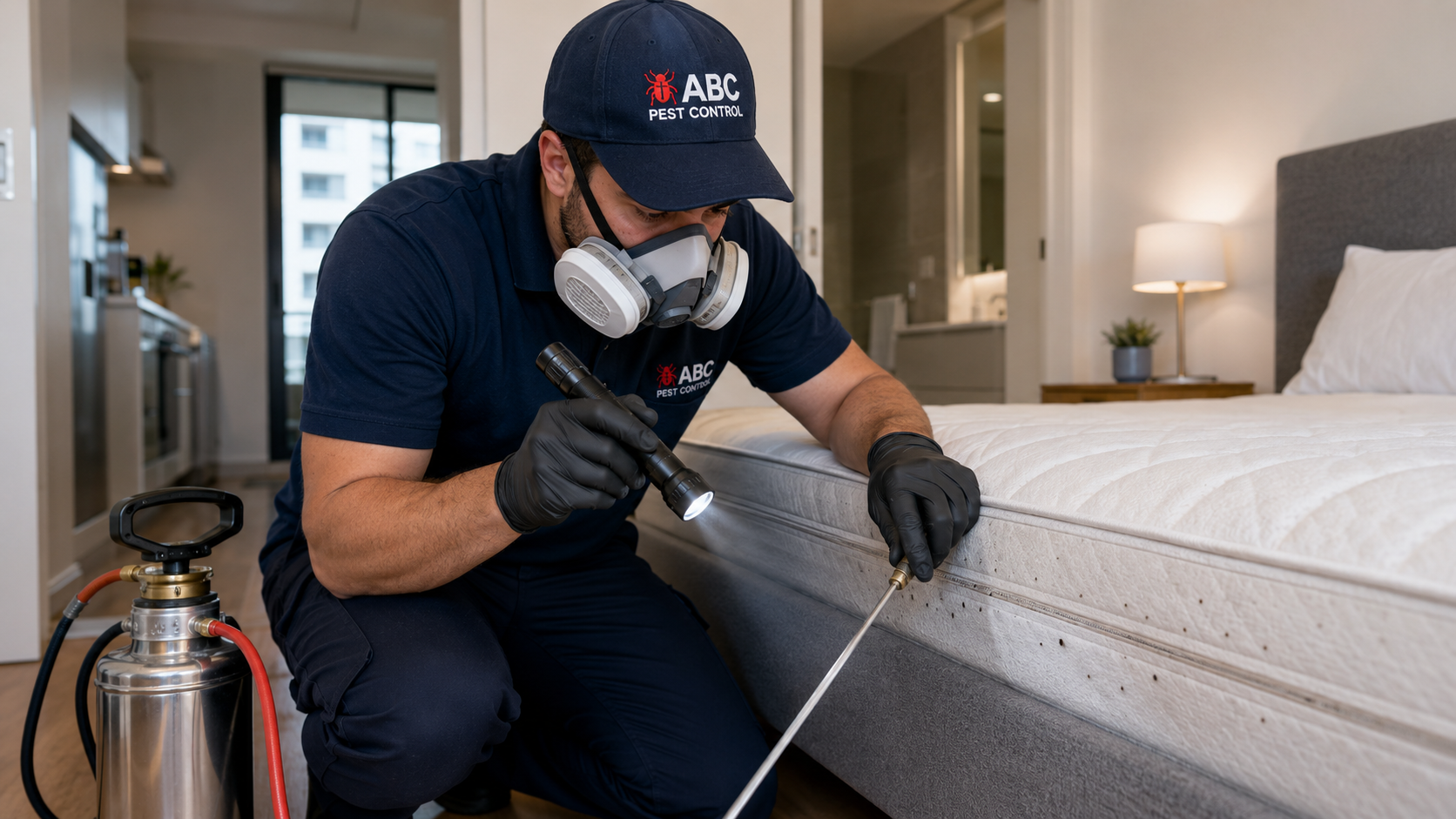
German cockroaches and bed bugs are the two pests most likely to turn a single apartment problem into a building-wide crisis. They spread silently through shared infrastructure over weeks, and by the time residents notice the problem has grown, it usually already has. If you’re dealing with either pest right now, the building itself is part of the picture.
Key Takeaways
• German cockroaches and bed bugs travel between units through plumbing penetrations, electrical conduits, and wall voids, not just through open doors
• DIY surface sprays typically scatter cockroach colonies rather than eliminate them, making the next treatment harder and more expensive
• Bed bugs require a completely separate treatment protocol from cockroaches and are not included in the Deluxe package or general pest packages
• ABC Pest Control Sydney’s Deluxe package covers up to 15 different pests across residential, apartment, and commercial properties throughout Sydney (termites are not included and require a separate assessment)
• Acting early in an apartment building costs far less than responding to a fully spread infestation across multiple units months later
Why Do German Cockroaches Keep Coming Back After Treatment?
The most persistent misconception is that cockroaches mean a dirty home. That’s not accurate, and it’s not why they keep returning.
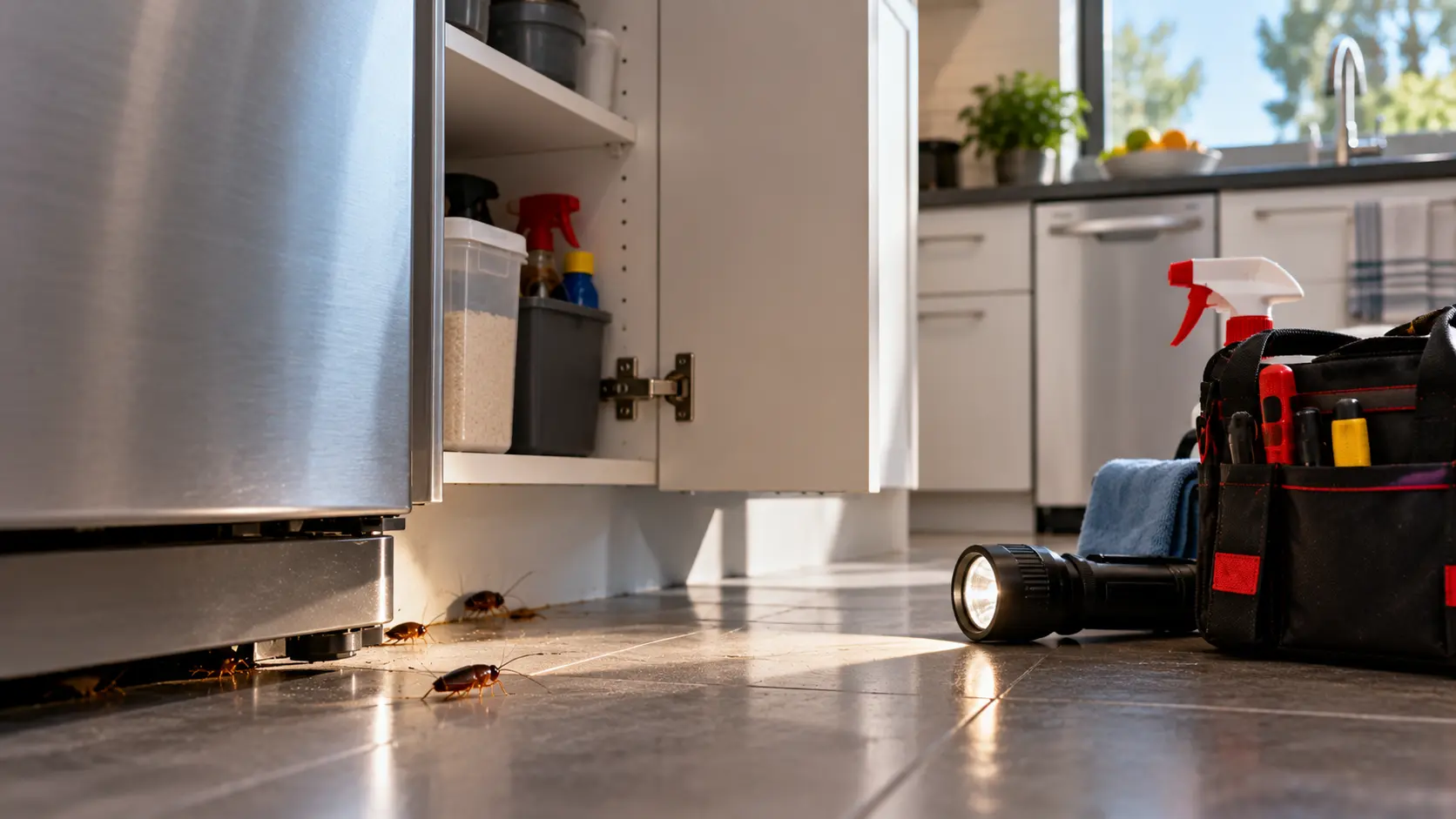
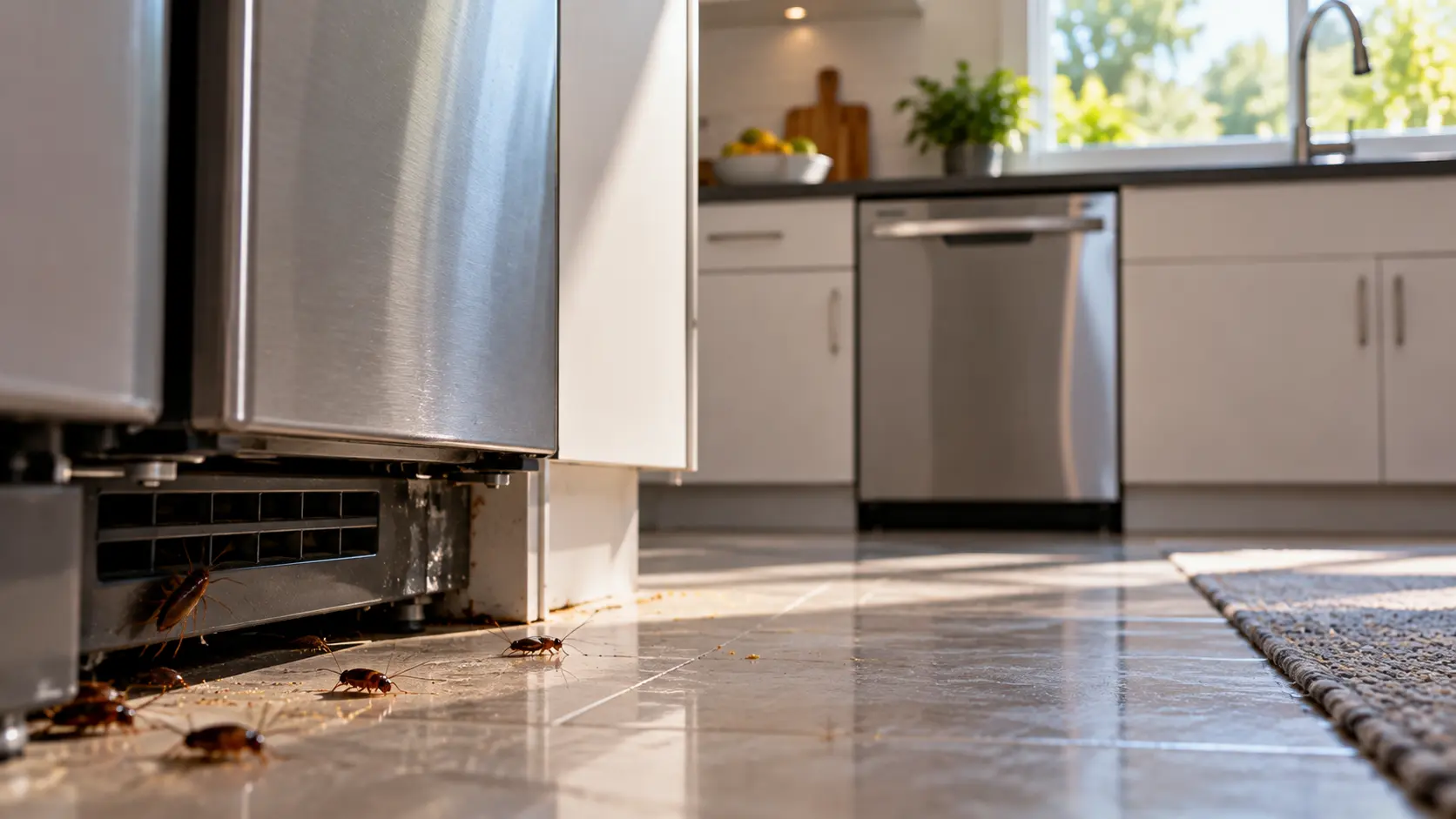
German cockroaches survive failed treatments because they don’t stay put. When a surface spray disrupts part of a colony, the survivors relocate through wall cavities, behind appliances, under skirting boards, and into adjacent units. A few weeks later, the treated apartment is reinfested from a satellite colony the original product never reached.
Pest management professionals refer to this dispersal response as scatter effect: a partial treatment that produces short-term visible improvement while pushing the surviving population deeper into harborage zones that are harder to access on the next visit. It’s the single biggest reason supermarket sprays fail to hold in apartment buildings.
Consider a typical scenario in a Sydney apartment block. A resident spots cockroaches near the stove, treats the visible surfaces with a retail spray, and sees activity drop for two weeks. By week four, the population has recovered, and it now includes individuals displaced from adjacent units that were disturbed by the original treatment. What started as a contained kitchen issue has quietly become a building problem.
The important detail for residents and property managers is this: treating your unit alone rarely resolves a German cockroach infestation if the building’s shared infrastructure is already involved. That doesn’t mean you need to wait for your neighbours to act. It means a professional assessment needs to account for structural spread, not just what’s visible in your kitchen. You can read more about how German cockroach infestations spread through apartments and why single-unit treatments so often fail.
What’s the Most Effective Treatment for German Cockroaches?
Gel bait, placed correctly, in the right locations. That’s the short answer.
Gel bait works through a secondary kill mechanism. A cockroach consumes the bait, returns to the harborage zone, and other colony members that come into contact with it also die. This cascade reaches individuals that never touched the original product. Surface sprays can’t replicate this because they only affect what they physically contact.
Placement is everything. Gel bait applied to open bench surfaces is largely wasted. Placed precisely inside hinges, behind appliance motor housings, under sink plumbing, and at electrical conduit entry points (the actual harborage zones), it produces a fundamentally different outcome.
For apartment buildings, treating common areas and individual units during the same visit is where the real efficiency gain appears. It targets the satellite colonies that single-unit treatments always leave behind, and it costs less per unit than multiple separate callouts spread across weeks. ABC Pest Control Sydney’s expert German cockroach treatment approach is designed around exactly this kind of harborage-zone methodology.
This approach applies equally to houses and commercial premises. Whether it’s a terrace in the Inner West, a restaurant in the CBD, or a strata building in Blacktown, the core methodology doesn’t change. The scale does.
How Do Bed Bugs Spread Between Apartments, and What Actually Stops Them?
Bed bugs don’t need a gap under a door. They travel through electrical conduits, plumbing penetrations, and wall voids. In a mid-rise building in Marrickville or Blacktown, an established infestation can reach multiple adjacent units within weeks without anyone moving furniture or sharing belongings.
The initial introduction is usually luggage or second-hand furniture. Once bed bugs are inside a building’s structure, though, they spread through that structure. Treating only the source unit while leaving adjacent units uninspected is the single biggest reason infestations persist for months despite repeated attempts.
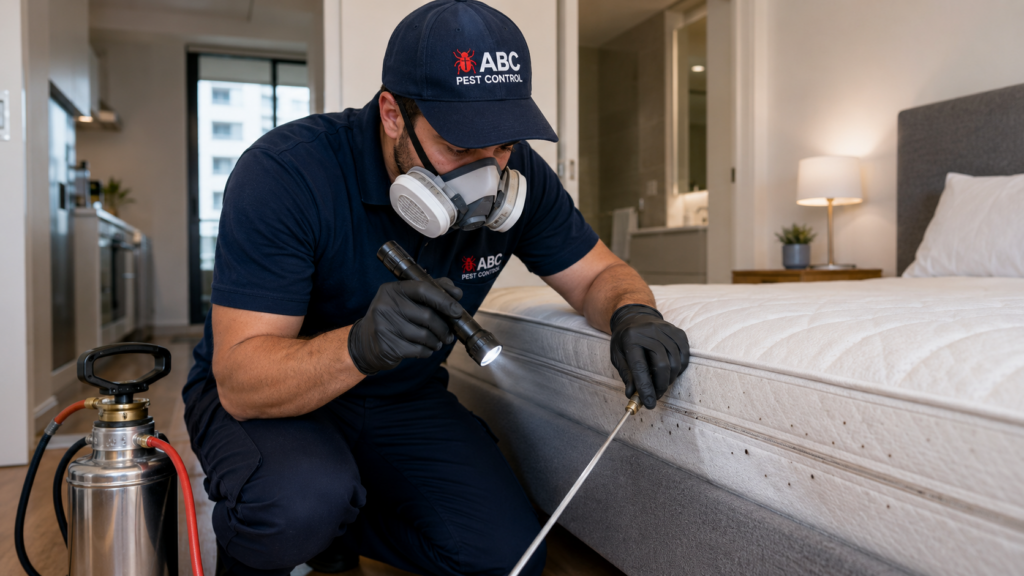
Recognising the early signs of bed bugs matters enormously here. Cast skins, dark fecal spotting on mattress seams, and unexplained bites that appear overnight are frequently dismissed for weeks. That’s exactly the window in which a problem moves from one unit to three or four.
One thing worth stating clearly: bed bugs require a completely separate treatment protocol from German cockroaches. They’re not included in general pest packages, and they’re not included in the Deluxe package. If you’re dealing with both, you’re looking at two distinct treatment programmes, not one combined visit. Understanding what professional bed bug treatment costs in Sydney before a problem escalates lets you plan properly rather than managing emergency multi-unit costs later.
For property managers, the cost logic is straightforward. A professional treatment across two affected units early in an infestation is far cheaper than managing an escalating problem across eight units over six months.
The Strata Reality: Who’s Responsible, and What It Means for You
Strata committees are generally responsible for common areas, including shared corridors, laundries, and basement car parks. Individual unit owners or tenants are responsible for their own apartments.
When someone contacts ABC Pest Control Sydney about a pest problem in their apartment, what they want is to fix their own problem. Not the building’s problem in the abstract. Their unit, today.
That’s a reasonable starting point, and it’s exactly where a professional treatment begins. A thorough inspection of your unit, targeted treatment of harborage zones, and an honest assessment of whether structural spread through shared infrastructure is a likely factor. If the assessment suggests the problem is entering through an adjacent unit or a common area, that’s information your strata manager needs, and ABC Pest Control Sydney can help with that communication.
The honest limitation here: treating one unit won’t permanently resolve a recurring infestation if the source is in shared infrastructure or an untreated neighbouring unit. Ongoing maintenance across the building is the realistic long-term solution for strata properties with a documented history of German cockroach or bed bug problems. The unit and apartment pest control service at ABC Pest Control Sydney is structured around exactly this, including the ability to service multiple units in a single visit.
Acting Now vs. Waiting: What the Choice Actually Costs You
| Scenario | Waiting, Going It Alone, or Using Unqualified Help | Acting With ABC Pest Control Sydney |
| German cockroaches in the kitchen | Scatter effect pushes the colony deeper; population rebounds within weeks | Gel bait targeted to harborage zones; secondary kill mechanism reaches hidden colony members |
| Bed bugs in one unit | Adjacent units go uninspected; infestation spreads through wall voids undetected | Separate bed bug protocol; structural spread assessed; adjacent units inspected as needed |
| Recurring infestation in a strata building | Each failed treatment makes the next harder; resistant populations can develop | Root cause and re-entry pathways identified; treatment adjusted accordingly |
| Cost over 12 months | Repeated product purchases plus ongoing disruption and potential damage | Single professional treatment with maintenance options; packages prevent recurrence |
| Commercial or shared premises | Unmanaged infestation risks health compliance, reputational harm, and stock damage | Full Sydney metro coverage for residential and commercial clients, tailored to scale |
DIY products aren’t built for harborage-zone access. They’re designed for surface contact, and that’s precisely where German cockroaches and bed bugs aren’t spending most of their time.
What Sydney Residents and Property Managers Should Do Right Now
Sydney’s summer conditions accelerate both German cockroach breeding cycles and the movement of bed bugs through buildings. Warmer temperatures mean faster reproduction and more active dispersal through shared infrastructure. A contained problem can become a building problem quickly if it isn’t addressed at the right time.
For residents: if you’ve seen German cockroaches in your kitchen more than once in recent weeks, or noticed unexplained bites or dark spotting on mattress seams, don’t wait for the problem to confirm itself. The signs of bed bug bites are frequently mistaken for mosquito bites or allergic reactions, and a professional inspection is the only reliable way to know what you’re dealing with.
For property managers and strata committees: maintenance packages from ABC Pest Control Sydney cover up to three treatments per year. The Deluxe package targets up to 15 different pests (excluding termites, which require a separate inspection) and is designed for buildings that want to stay ahead of recurring infestation rather than just respond to it. Servicing multiple units in a single visit makes this approach both practical and cost-efficient for buildings of any size.
ABC Pest Control Sydney covers the full Sydney metro area, from the Northern Beaches to Penrith, Blacktown, Parramatta, and the Southern Suburbs.
Frequently Asked Questions
How do I know if I have German cockroaches rather than another species?
German cockroaches are small, roughly 12 to 15 millimetres, with two dark parallel stripes running behind the head. They’re found almost exclusively in kitchens and bathrooms, close to heat and moisture. If you’re seeing small cockroaches near your stove, dishwasher, or under the sink, treat it as a German cockroach problem until a professional inspection confirms otherwise.
Can German cockroaches travel between apartments without anyone carrying them?
Yes. German cockroaches move actively through plumbing penetrations, electrical conduits, and wall voids. A colony under pressure from a partial treatment will disperse, and adjacent units can develop established satellite populations within weeks. This is why single-unit treatments so often fail to hold in older apartment buildings with shared infrastructure.
Are bed bugs covered under the Deluxe package?
No. Bed bugs require a completely separate treatment protocol and are not included in the Deluxe package or in general pest packages. If you’re dealing with both German cockroaches and bed bugs at the same time, that means two distinct treatment programmes. Contact ABC Pest Control Sydney to discuss the right approach for your situation.
Does the Deluxe package cover termites?
No. Termites require a dedicated inspection and treatment programme and are not included in the Deluxe package. If you’re concerned about termite activity, a separate assessment is the right starting point. ABC Pest Control Sydney offers termite inspections across the Sydney metro area.
Do I need to organise my neighbours before booking a treatment for my own unit?
No. You don’t need to wait for neighbours or a strata committee to act before treating your own apartment. A professional treatment of your unit is the right starting point. If the assessment suggests the problem is likely entering through shared infrastructure or an adjacent unit, your technician will advise on the next steps and what to communicate to your strata manager.
What’s the difference between a one-off treatment and a maintenance package?
A one-off treatment resolves the current infestation. A maintenance package, covering up to three visits per year, addresses ongoing re-infestation risk, which is a real and persistent concern in apartment buildings with shared plumbing and electrical infrastructure. For strata properties with a documented history of German cockroach problems, a scheduled programme is almost always more cost-effective than repeated emergency callouts.
Is it worth getting a professional assessment if I’ve only seen one or two cockroaches?
For German cockroaches, yes. By the time you’re seeing them in the open, the harborage population is almost always much larger. German cockroaches are nocturnal and stay hidden when a colony is small and undisturbed. A visible individual during daylight hours is typically a sign of an established colony, not an early one. An early assessment costs far less than treating an infestation that’s had another month to grow.