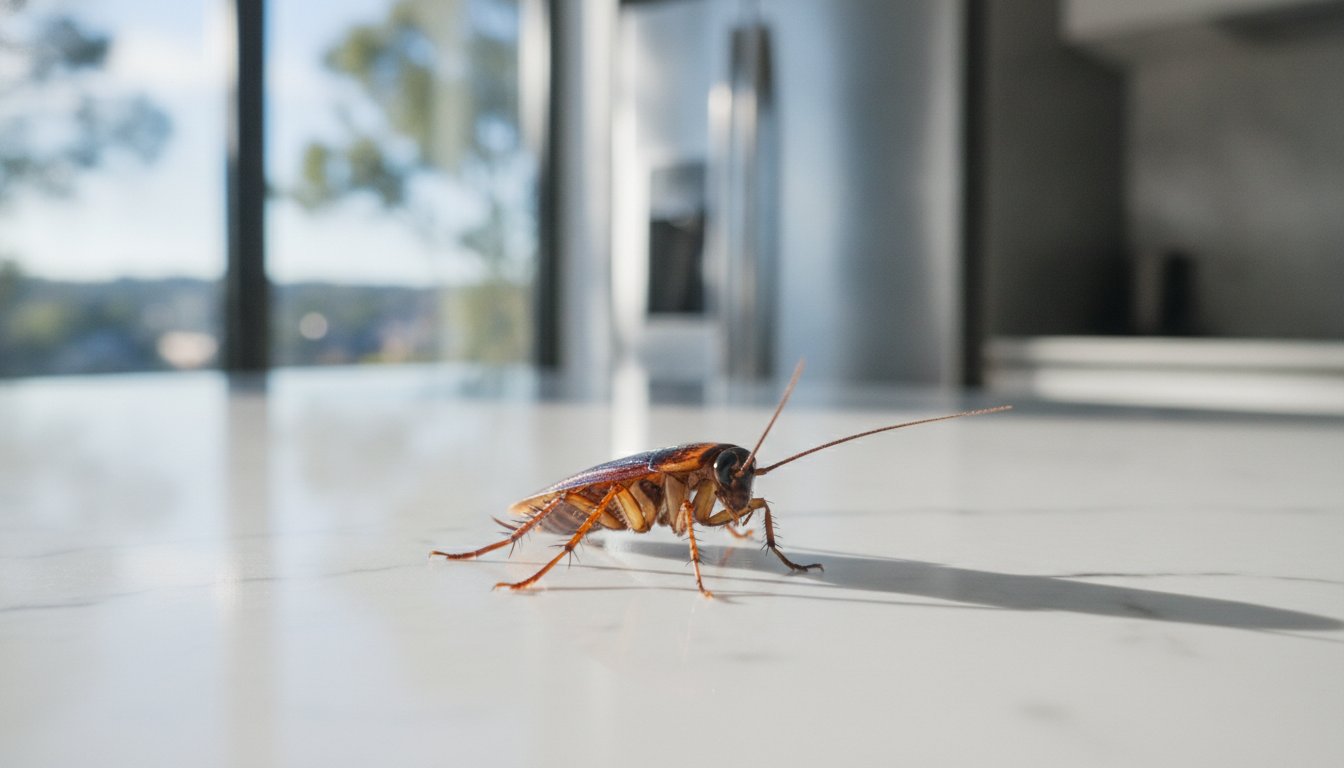
What if the pest you fear most is actually obsessed with its own cleanliness? It’s a question that leaves many Sydney homeowners confused: Are cockroaches clean? While it’s true that these insects spend a significant portion of their lives grooming, this behavior doesn’t make them safe. You’re right to feel anxious about a kitchen infestation. A bug that looks clean on the outside is often just a vessel for dirty diseases.
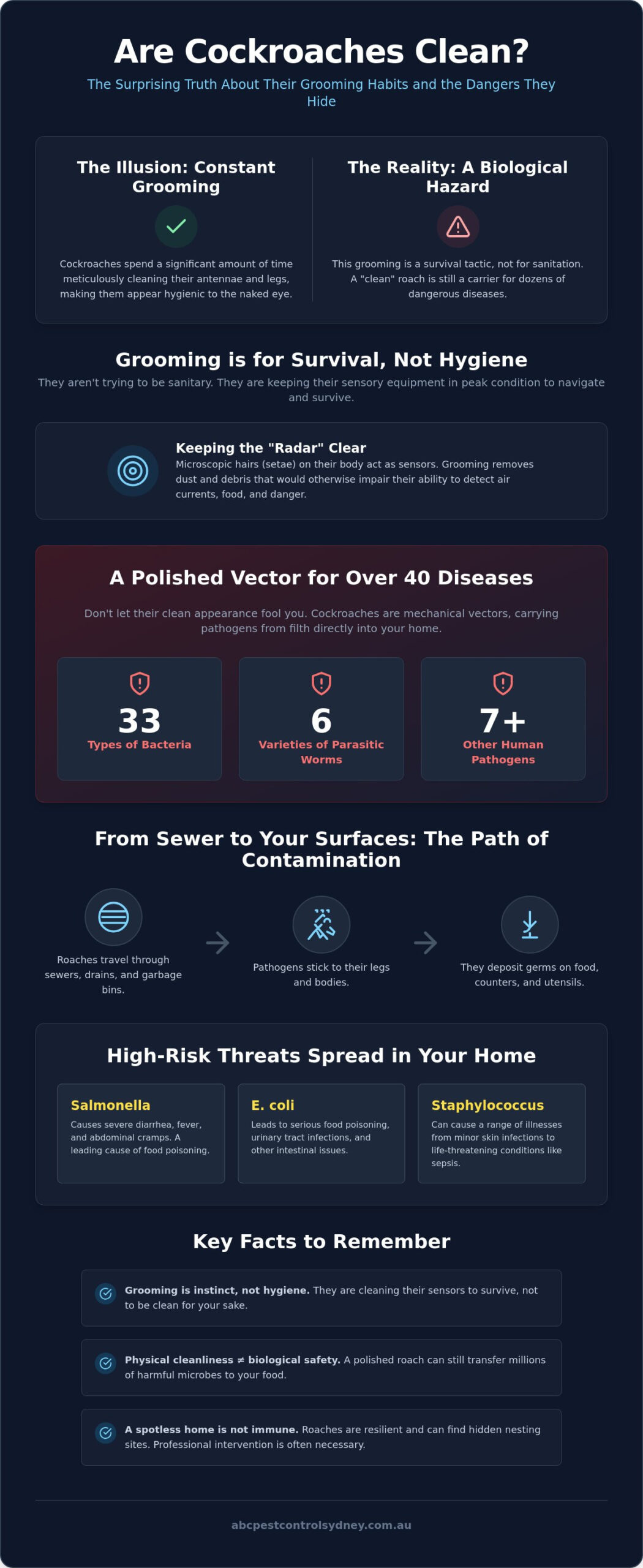
This article reveals the scientific truth about cockroach hygiene and why their grooming habits are a survival tactic, not a sign of purity. You’ll learn how they mechanically transmit 33 types of bacteria, six varieties of parasitic worms, and seven other human pathogens into your living spaces. We’ll examine the real health risks these resilient pests pose and provide the professional steps you need to take to clear them out of your home. Understanding the difference between a groomed insect and a hygienic environment is the first step toward reclaiming your peace of mind.
Key Takeaways
- Understand why you might ask, “Are cockroaches clean?” and learn how their obsessive grooming is a survival tactic rather than a sign of true hygiene.
- Identify the dangerous pathogens, including Salmonella and E. coli, that these pests mechanically transport from sewers directly onto your food preparation surfaces.
- Discover why German cockroaches in Sydney apartments are becoming more resilient and how professional treatments exploit their grooming rituals to eliminate the colony.
- Learn why a spotless home is not a guarantee of safety and how expert intervention identifies hidden nesting sites to protect your family’s health.
The Science of Cockroach Grooming: Are They Really Clean?
Many homeowners are surprised to see a roach meticulously scrubbing its legs or antennae. This behavior often leads to the confusing question: Are cockroaches clean? To the naked eye, their constant preening looks like a commitment to hygiene. However, science tells a different story. Cockroaches are insects of the order Blattodea, and their grooming is a cold, calculated survival tactic. They aren’t trying to be sanitary. They are keeping their sensory equipment in peak condition to avoid your flypaper and detection.
Their entire exoskeleton is covered in tiny, microscopic hairs called setae. These hairs act as sophisticated sensors that detect air currents, humidity, and chemical signals in your home. When dust, grease, or debris builds up on these hairs, the cockroach loses its ability to navigate and sense danger. To survive, they must whisk away these physical particles. It’s a mechanical reset that allows them to remain the most elusive pests in Sydney. Without this obsessive ritual, their primary defense mechanism fails.
The Anatomy of a Grooming Ritual
The process is incredibly thorough. A cockroach uses its forelegs to grab an antenna and pull it down into its mouthparts. It then uses its mandibles to scrape off every microscopic speck of grit along the entire length of the sensory organ. They repeat this for their legs and wings. This ritual happens dozens of times a day. In fact, roaches groom themselves more frequently than most humans wash their hands. Don’t mistake this for a sign of purity. This behavior is a primitive instinct designed to keep their “radar” clear so they can continue scavenging in the filthiest corners of your property.
Grooming vs. Hygiene: The Critical Difference
There is a massive gap between mechanical grooming and biological hygiene. Grooming is simply the act of removing physical debris from the exterior. Hygiene refers to the absence of harmful pathogens and bacteria. Think of a cockroach like a garbage truck. The truck might be freshly hosed down on the outside, but it’s still carrying a load of rotting waste. Roaches spend their time in sewers, drains, and bins, picking up millions of microbes. Are cockroaches clean just because they scrub their legs? Absolutely not. They are merely polishing the surface of a biological hazard.
A groomed cockroach is simply a polished vector for pathogens, as physical cleanliness does not equal biological safety.
The Biological Hazard: How “Clean” Insects Spread 30+ Diseases
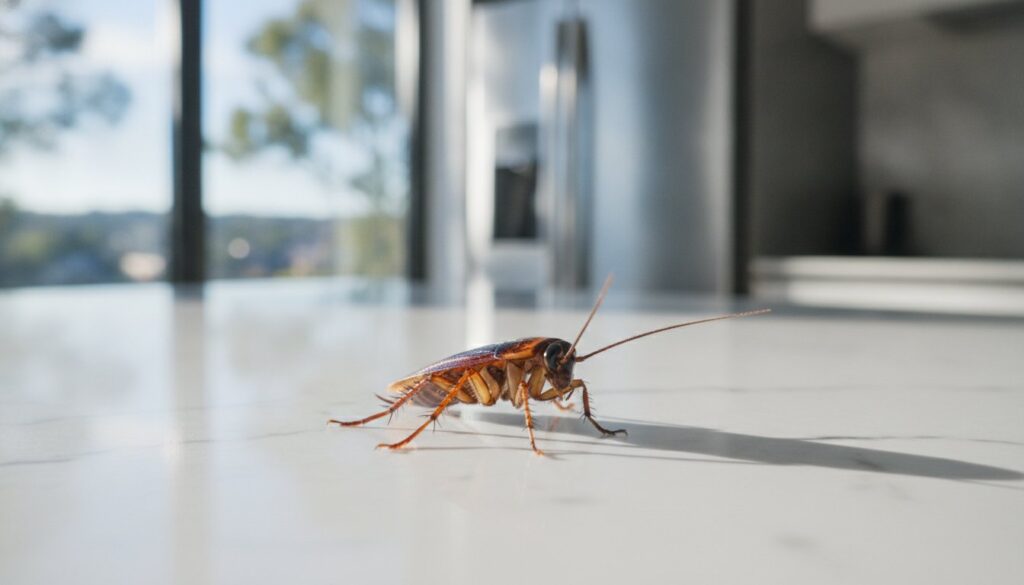
People often ask, “Are cockroaches clean?” simply because they see them grooming. Don’t let their surface-level scrubbing fool you. While a roach might remove dust from its antennae, it’s simultaneously depositing dangerous pathogens across your kitchen. These insects are mechanical vectors. They pick up filth on their legs and bodies as they crawl through Sydney’s sewer systems and storm drains. When they enter your home, they unload this biological baggage onto your cutlery, plates, and food preparation surfaces.
The risk is especially high in high-density areas like Sydney’s apartment complexes. A single roach can travel between units, carrying contaminants from one neighbor’s drain directly into your pantry. This movement creates a constant cycle of reinfection that surface cleaning alone cannot stop.
Pathogens Carried by Sydney Cockroaches
Research confirms that roaches spread a range of diseases that can cause severe illness. They are responsible for the transmission of 33 types of bacteria, six varieties of parasitic worms, and at least seven other human pathogens. In your home, this translates to a high risk of food poisoning and intestinal infections. The primary pathogens identified in cockroach infestations include:
- Salmonella: Known to cause severe diarrhea, fever, and abdominal cramps.
- E. coli: Leads to serious food poisoning and urinary tract infections.
- Staphylococcus: Can cause skin infections and more serious systemic issues if it enters the bloodstream.
These germs don’t just sit on the insect’s skin. Pathogens survive in their digestive tracts for weeks. This means every time a roach defecates or regurgitates on your counter, it creates a potential infection point. If you notice signs of an infestation, securing professional pest sprays Sydney homeowners rely on is the most effective way to break this biological chain.
Allergens and Respiratory Risks
The danger isn’t limited to what they carry on their feet. Cockroaches are a primary source of potent indoor allergens. Their saliva, feces, and shed skins contain specific proteins that trigger allergic reactions in many people. As these materials dry out and break down, they become microscopic airborne particles.
In New South Wales, these allergens are a documented trigger for childhood asthma and chronic sinus issues. You and your family can inhale these particles without ever seeing a live bug. This is why the question “Are cockroaches clean?” is so misleading. An insect that looks “clean” still produces waste and debris that can cause chronic respiratory distress. Protecting your family requires more than just hiding the pests; it requires total elimination of the nesting sites that produce these invisible hazards.
Cockroaches vs. Humans: Comparing Hygiene Standards
When you wash your hands, you use soap and water to kill microscopic pathogens. You do it for the sake of health. When a roach drags its antennae through its mouth, it’s doing something entirely different. The question “Are cockroaches clean?” often stems from observing these leg-pulling rituals. However, this isn’t hygiene. It’s maintenance. Humans clean with the intent of sanitation, while roaches clean only to ensure their survival equipment works. They don’t use disinfectants; they use saliva that is already teeming with bacteria.
Some people argue that roaches are cleaner than humans because they don’t wear dirty shoes inside. This is a dangerous myth. A roach’s feet are covered in specialized structures designed to grip almost any surface, from vertical glass to oily pipes. These same structures are perfect for trapping grease, fecal matter, and sewer sludge. While you leave your shoes at the door, a cockroach brings the entire history of its last visit to a rubbish bin directly onto your dinner plate. Their anatomy is a magnet for the very filth you try to keep out of your home.
Environmental Factors
Consider the stark difference in habitat. Humans invest time and money into keeping their living spaces sanitary. Cockroaches, by contrast, seek out the most contaminated environments possible. They thrive in grease traps, damp drains, and rotting rubbish. Even if a roach managed to achieve some level of surface cleanliness, its environment ensures constant re-contamination. A “clean” kitchen roach is an impossibility. If it’s in your home, it has already traveled through the filthiest parts of the building’s infrastructure to get there. They move from the sewer to your fruit bowl in a matter of minutes.
The Role of Intentional Sanitation
True hygiene requires intentionality. Human cleaning involves the use of chemical agents to break down viruses and bacteria. A cockroach lacks the biological capacity or the tools to perform this task. Its grooming process might remove a large grain of sand, but it leaves behind the microscopic germs that cause Salmonellosis or Typhoid. This is why professional pest control Sydney services become essential. We bridge the gap between the roach’s ineffective grooming and the real safety your family deserves.
Our methods don’t just move filth around; they eliminate the source of the contamination entirely. Don’t rely on an insect’s instincts to keep your kitchen safe. Take command of your home’s hygiene with expert intervention today. Professional treatment ensures that your surfaces are truly sanitized, rather than just appearing clear of visible pests. We provide the peace of mind that a simple “clean” insect never can.
Sydney’s Resilient Roaches: Why Grooming Makes Them Harder to Kill
Grooming isn’t just a survival habit; it’s a sophisticated defense mechanism against chemical threats. When homeowners ask, “Are cockroaches clean?” they usually don’t realize that this obsessive scrubbing is exactly why DIY treatments fail. If a roach walks through a standard supermarket spray, its first instinct is to scrub the toxin off its exoskeleton. By the time the chemical can penetrate their shell, the insect has often cleaned itself, surviving to breed another generation of resistant offspring.
This resilience is a growing crisis in urban environments. A 2025 review of 102 studies found that German cockroaches have reported resistance to 60 different insecticidal active ingredients. They are especially good at avoiding pyrethroids, which are the most common ingredients in store-bought cans. Their grooming behavior doesn’t just keep them “clean” from dust; it helps them stay clear of the very chemicals you use to stop them. If you are struggling with a persistent infestation, you need professional German cockroaches Sydney services to break the cycle of resistance.
The German Cockroach Challenge in Sydney
German cockroaches are the primary threat to Sydney units and apartments. They are smaller, faster, and more secretive than other species. Because they live in high-density areas, they easily travel between walls and pipes to escape localized cleaning efforts. Their rapid breeding cycle means a single female can lead to thousands of descendants in just a few months. To effectively clear an apartment building, you must look beyond basic sprays. Discover the most effective how to get rid of cockroaches tactics used by seasoned experts to manage these high-difficulty cases.
How Professionals Exploit Grooming Habits
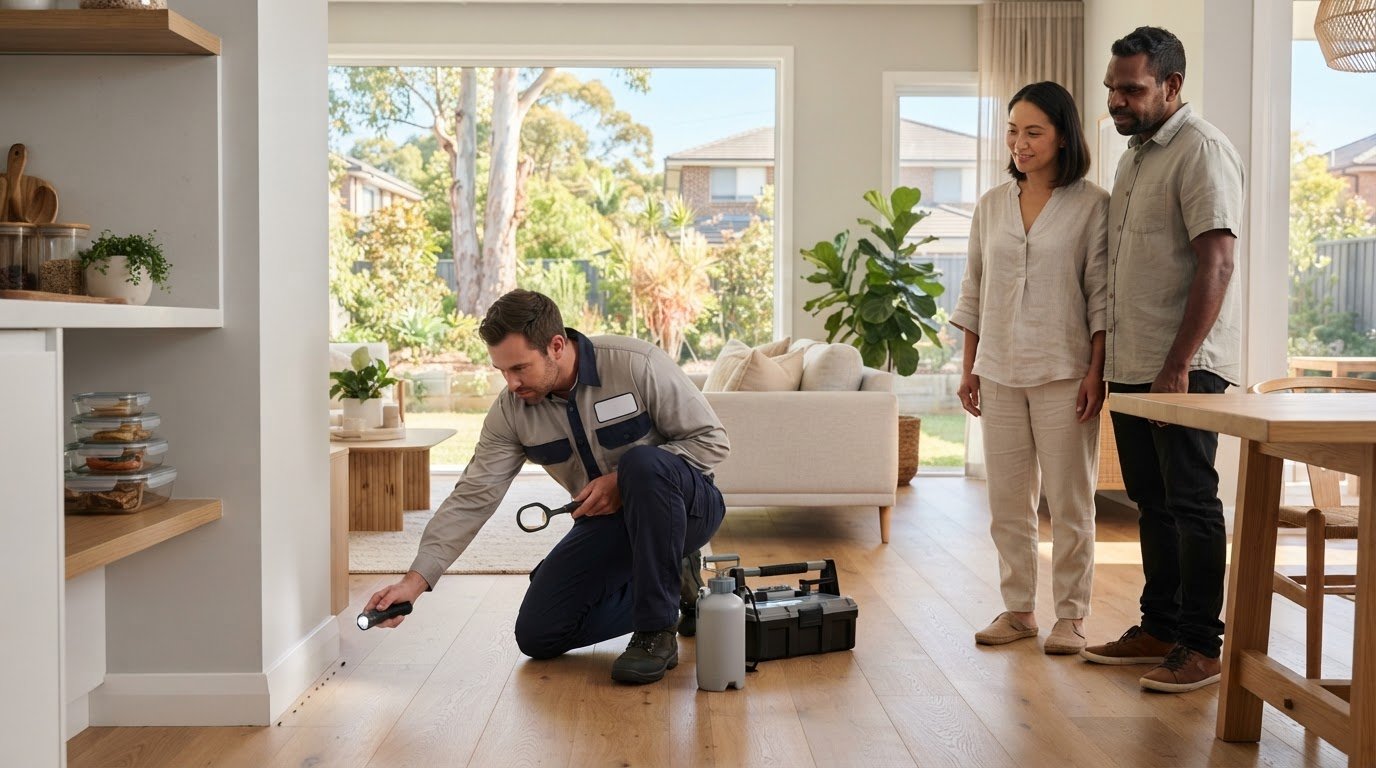
We don’t fight the roach’s instincts; we use them as a weapon. Professional-grade treatments often involve non-repellent baits and specialized powders. The roach doesn’t realize it has touched a toxin because the product doesn’t trigger its flight response. Once the insect returns to the nest, it begins its usual grooming ritual. As it pulls its legs and antennae through its mouth, it ingests the bait. This method is far superior to supermarket sprays for several reasons:
- Ingestion over Contact: Grooming ensures the toxin is swallowed, leading to a much higher kill rate.
- Nest Transfer: Roaches share the bait with the rest of the colony through their droppings and social interactions.
- Targeted Precision: We place baits in hidden cracks where roaches feel safe to groom, ensuring they spend time with the product.
Modern populations are also developing “bait aversion,” where they learn to avoid sweet-tasting gels. This is why our technicians use a variety of modes of action to stay ahead of their evolution. Stop wasting money on ineffective sprays that the roaches simply wash off. Secure your home with a comprehensive treatment plan that targets the heart of the infestation today.
Professional Cockroach Management: Beyond Surface Cleanliness
You might keep a spotless kitchen, but that won’t stop a cockroach infestation. These pests don’t need a dirty house to thrive; they only need a tiny gap and a water source. Many homeowners ask, “Are cockroaches clean enough to ignore if I only see one?” The answer is always no. A single sighting usually points to a hidden colony nesting deep within your walls, cupboards, or appliances. No amount of surface scrubbing will reach the heart of a German cockroach nest.
The ABC Pest Control Sydney Approach
We bring over 20 years of experience to every Sydney property. Our team understands the unique challenges of local units and high-density commercial spaces. We use eco-friendly, professional-grade treatments that prioritize the safety of your family and pets. You don’t have to choose between a pest-free home and a healthy environment. Our methods are precise, effective, and compliant with all national regulatory standards.
Consistency is the key to long-term prevention. Our general pest control packages provide year-round protection, ensuring that once the roaches are gone, they stay gone. We build a defensive perimeter around your home. This stops new invaders from Sydney’s drains and sewers before they can establish a nest in your pantry. We focus on tangible outcomes that give you back your peace of mind.
Protecting Your Sydney Home or Business
Delaying treatment is a massive risk. In a home, it means ongoing exposure to the respiratory triggers and pathogens we discussed earlier. For a business, a single roach sighting can lead to rapid brand damage and severe health code violations. Cockroaches reproduce so quickly that a small issue becomes a crisis in just a few weeks. We provide long-term barriers and specialized solutions that protect your reputation and your health.
Don’t wait for the infestation to spread through your entire building. Take decisive action now to secure your property and protect your family. Book your professional cockroach treatment today and reclaim your home with Sydney’s trusted experts. Our booking process is fast, modern, and designed to respect your time. Get the expert intervention you need to ensure your home is truly clean, from the inside out.
Protect Your Family from Hidden Health Risks
Understanding the reality behind cockroach behavior is the first step toward a safer home. We’ve seen that while grooming is a fascinating survival trait, it does nothing to protect your family from the 33 types of bacteria these pests carry. The answer to “Are cockroaches clean?” is a resounding no. They are simply polished vessels for disease that require expert intervention to remove. Don’t let a “clean” looking insect compromise your kitchen’s safety or trigger respiratory issues in your children.
Take decisive action against resilient infestations. With over 20 years of Sydney pest expertise, our team uses eco-friendly and family-safe methods to eliminate nests at the source. Our proven results have been featured on major Australian media outlets, providing you with the peace of mind that comes from industry-leading service. Stop the cycle of DIY failure and secure your property with a professional barrier that lasts.
Eliminate cockroaches from your Sydney home today—Get a Free Quote!
You deserve a home that is truly hygienic and free from the anxiety of hidden pests. Let us help you reclaim your space today.
Frequently Asked Questions
Are cockroaches actually cleaner than humans?
No, cockroaches are not cleaner than humans despite their frequent grooming rituals. Human hygiene involves intentional disinfection to kill microscopic pathogens. Roach grooming only removes physical dust and debris. Because they spend their time in sewers and grease traps, their bodies are constantly re-contaminated with dangerous bacteria that grooming cannot eliminate.
Can you get sick from a “clean” cockroach?
Yes, you can certainly get sick from a roach that appears clean on the surface. The question “Are cockroaches clean?” ignores the fact that they carry pathogens internally and on their legs. They spread 33 types of bacteria and at least seven human pathogens by walking over your food and surfaces, regardless of how much they groom.
Do cockroaches clean themselves after a human touches them?
Yes, cockroaches often groom themselves immediately after coming into contact with a human. They do this because the natural oils on human skin can clog their microscopic sensory hairs. This behavior isn’t about being “disgusted” by humans. It’s a mechanical necessity to keep their sensors functional so they can navigate and survive.
Why do cockroaches groom themselves so often?
Cockroaches groom to maintain their sensory organs, which are vital for their survival in your home. Their antennae detect air currents, humidity, and chemical signals that help them find food and avoid predators. Without constant cleaning, these organs become less effective. This makes the insect vulnerable to danger and unable to find resources.
What diseases do cockroaches carry in Sydney?
In Sydney, cockroaches are known to carry Salmonella, E. coli, and Staphylococcus. They also transport parasitic worms and pathogens that cause dysentery and typhoid fever. These risks are higher in high-density urban areas like apartments. Roaches easily move between sewer systems and residential kitchens, bringing these diseases with them.
How do I know if my Sydney home has a cockroach infestation?
Look for small, dark droppings that resemble ground pepper or coffee grounds in cupboards and corners. You might also find oval-shaped egg cases, known as oothecae, or notice a distinctive, musty odor. Seeing even one roach during the day often indicates a large, hidden infestation nearby that requires immediate professional attention.
Is professional cockroach control safe for my pets?
Professional treatments are designed with safety in mind for your family and pets. We use targeted baits and eco-friendly products that minimize risk while maximizing effectiveness against the colony. Our technicians provide clear instructions on how to keep your pets safe during and after the application process to ensure total peace of mind.
How long does it take to get rid of cockroaches for good?
Complete elimination typically takes a few weeks to ensure the entire breeding cycle is broken. While you’ll see a significant reduction in sightings quickly, it’s vital to target hidden nests and egg cases. Professional management provides long-term barriers to prevent the infestation from returning to your home or business.