Imagine lying in bed at 2 AM in your Sydney home, listening to the frantic scratching of claws directly above your head. It’s a sound that keeps many homeowners awake, and you’re right to wonder: are roof rats dangerous? While the noise alone is enough to cause significant anxiety, the reality of an infestation is much more serious than a simple nuisance in the ceiling. These pests are a direct threat to your family’s health and your property’s structural safety.
At ABC Pest Control, we’ve seen how quickly a small problem can turn into a crisis during our 20 years of experience. These agile climbers are a dual threat because they carry harmful pathogens and constantly chew through electrical wiring, which is a known cause of house fires. In this article, you’ll discover the hidden risks they pose and how to spot the signs of an infestation before the damage becomes expensive. We’ll also provide a clear, professional plan to remove them safely using our expert, eco-friendly methods that follow Australian Pest Standards.
Key Takeaways
- Understand the dual threat these rodents pose and discover exactly why are roof rats dangerous to both your family’s health and your home’s electrical safety.
- Learn to distinguish roof rats from Norway rats by identifying the unique climbing behaviors and physical traits common in Sydney’s older suburbs.
- Pinpoint the specific “tree-to-roof” bridges and architectural vulnerabilities that make your property an easy target for a rodent invasion.
- Discover why generic supermarket baits often backfire and how professional Integrated Pest Management (IPM) ensures a safe, permanent result for your home.
Are Roof Rats Dangerous? Understanding the Dual Threat
Yes, roof rats are highly dangerous to both your health and your property. At ABC Pest Control, we see the damage these pests cause every single day across Sydney. They represent a dual threat: biological hazards that spread serious diseases and structural hazards that can lead to house fires. The Black rat (also known as the roof rat) is an incredibly agile climber, often nesting in high ceiling voids or wall cavities. This makes them significantly harder to catch than ground-dwelling Norway rats. They easily avoid floor-level traps, which means you need professional expertise to eliminate them effectively.
Beyond the physical risks, the psychological impact of an infestation is severe. Hearing nocturnal scratching and scurrying sounds directly above your bed leads to sleep deprivation and heightened anxiety. Your home should be a safe sanctuary, but a rat invasion makes it feel compromised and unclean. If you hear movement in your rafters, don’t wait for the problem to grow. Your safety is our priority, and our highly trained technicians have over 20 years of experience handling these tough pests.
Health Risks: Diseases Carried by Roof Rats
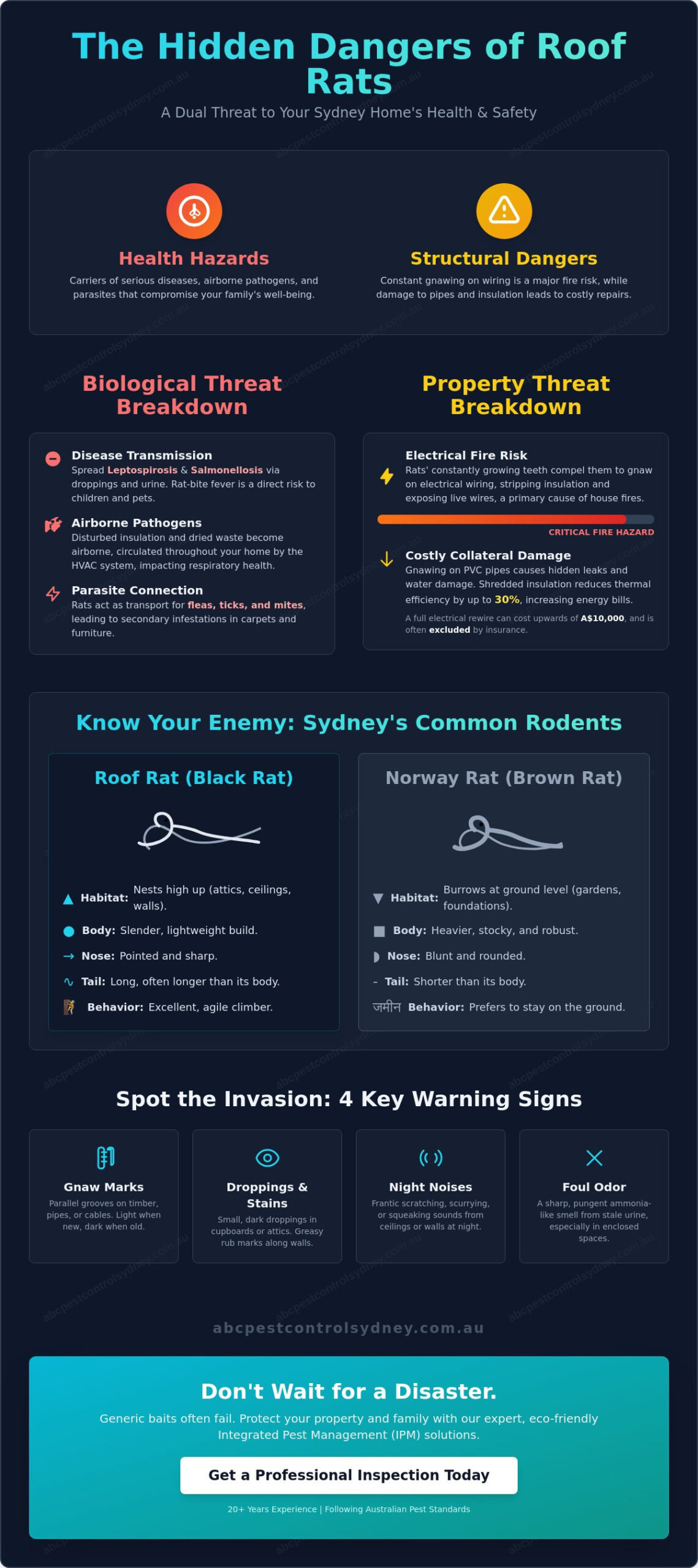
Roof rats are mobile disease vectors that contaminate everything they touch. They spread Leptospirosis and Salmonellosis through their droppings and urine, which often accumulate in Sydney ceiling insulation. When rats move into kitchen areas or pantries, the risk of Rat-bite fever increases for curious pets and small children. Perhaps the most hidden danger involves aero-pathogens. When rats disturb old insulation, bacteria and dried urine particles become airborne. Your HVAC system then circulates these pathogens throughout every room, directly compromising your family’s respiratory health.
The Parasite Connection
A roof rat rarely travels alone. They act as transport for fleas, ticks, and mites that quickly move into your carpets and furniture. This creates a secondary infestation that often persists even after the rats are gone. You might also notice more Huntsman spiders entering your home as they hunt these smaller pests. Ectoparasites are organisms that live on the skin or hair of a host and frequently trigger secondary home infestations by migrating to humans once the rat population is disturbed. We use eco-friendly, non-toxic treatments to ensure your home is safe from both the rats and the parasites they bring with them.
Structural Destruction: Why Roof Rats are a Fire Risk
Roof rats possess a biological drive that directly threatens your property’s safety. Their front incisors never stop growing, often reaching lengths of 12cm in a single year if left unchecked. To prevent these teeth from becoming unmanageable, rats must gnaw on hard materials daily. In a typical Sydney roof cavity, your electrical wiring is the most attractive “chew toy” available. When homeowners ask are roof rats dangerous, the immediate risk of a house fire is the most critical factor to consider.
The plastic coating on electrical cables provides the perfect texture for a rat to trim its teeth. Once the insulation is stripped away, live copper wires are exposed. This leads to arcing, short circuits, and “mysterious” fires that start deep within wall voids. Beyond the electrical hazards, these rodents target PVC plumbing pipes. A single night of chewing can result in unexplained water leaks, causing ceiling stains and structural rot that costs thousands to repair. They also shred expensive insulation batts to create nests, which can reduce your home’s thermal efficiency by up to 30% and send your energy bills soaring.
The Cost of “Waiting and Seeing”
Delaying treatment is a gamble that rarely pays off. A small rodent problem can quickly escalate into a full electrical rewire, which in Sydney can cost upwards of A$10,000. It’s also vital to check your PDS, as most standard Australian home insurance policies exclude “gradual” damage caused by vermin. Beyond the physical chewing, rat urine eventually soaks into timber beams and plasterboard. This creates a permanent, foul odor and weakens the structural integrity of your ceilings. If you suspect activity, booking a professional inspection early is the only way to prevent these mounting costs.
Signs of Structural Damage
You don’t always need to see a rat to know they are destroying your home. Look for these specific warning signs:
- Gnaw Marks: Look for distinct, parallel grooves on timber beams or plastic conduits. New marks appear light in color, while older ones are dark and greasy.
- The Ammonia Smell: A sharp, pungent odor suggests that your insulation is saturated with waste. This environment often harbors pathogens and parasites that can migrate into your living spaces.
- Electrical Glitches: Flickering lights, tripped safety switches, or outlets that suddenly stop working are often the first signs that are roof rats dangerous to your home’s wiring.
Don’t wait for a spark to turn into a catastrophe. Our team can assess the damage and secure your home before the situation worsens. You can even book your service in under 60 seconds to get an expert on-site today.
Roof Rats vs. Norway Rats: Identifying the Sydney Threat
To solve a pest problem, you must first know your enemy. In Sydney, homeowners often deal with two distinct species: the Roof Rat and the Norway Rat. While both are pests, their habits are worlds apart. Roof rats are the acrobats of the rodent world. They are slender, sleek, and built for climbing. You can identify them by their tails, which are always longer than their head and body combined. Norway rats, by contrast, are heavy-set burrowers with shorter tails and blunt snouts.
Understanding these differences is vital because your rodent control strategy has to change based on the species. If you place traps only on the ground, you’ll likely miss the roof rats nesting in your ceiling. These pests prefer the high ground, using eaves and attics to stay safe from predators. Their diet also sets them apart. While Norway rats scavenge through trash, roof rats prefer the fresh citrus, macadamia nuts, and seeds common in Sydney gardens. According to the Victorian Department of Health, these climbing rodents require specific management techniques that account for their ability to enter buildings at height.
Are roof rats dangerous to your property? Absolutely. Their preference for high places means they often chew through electrical wiring located in wall voids, creating a significant fire risk. Our team has over 20 years of experience tracking these pests through the most difficult-to-reach areas of a home. We don’t just guess; we use professional-grade detection to ensure your safety is the priority. If you suspect an infestation, don’t wait for the damage to spread. CALL US NOW to secure your home.
Roof Rat Identification Checklist
- Physical Features: Look for large, nearly hairless ears and a sharp, pointed snout.
- Droppings: These are approximately 12mm long with tapered, pointed ends. This differs from the blunt, capsule-shaped droppings of Norway rats.
- Grease Marks: Check for dark, oily rub marks along high-level beams, rafters, or pipes. These are “smudge marks” from the oils in their fur as they travel the same paths daily.
Common Hiding Spots in Sydney Homes
Roof rats are highly adaptable and seek out warmth and height. You’ll frequently find them inside wall voids and buried deep within ceiling insulation. In modern Sydney homes, they often hide behind solar panel arrays on the roof, which provide a sheltered, warm environment. They also use the dense foliage of overhanging trees as bridges, creating “rat runs” along power lines to gain easy access to your roof. Our experts specialise in these tough pests, ensuring every hiding spot is treated with safe, eco-friendly methods. You can book a professional inspection in under 60 seconds to protect your family today.
Risk Assessment: Is Your Property a Roof Rat Magnet?
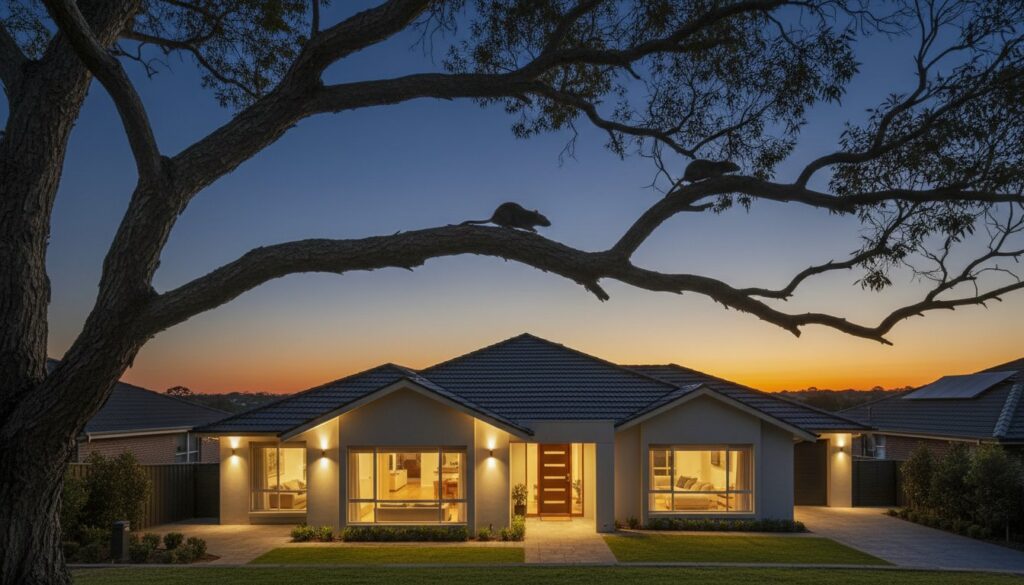
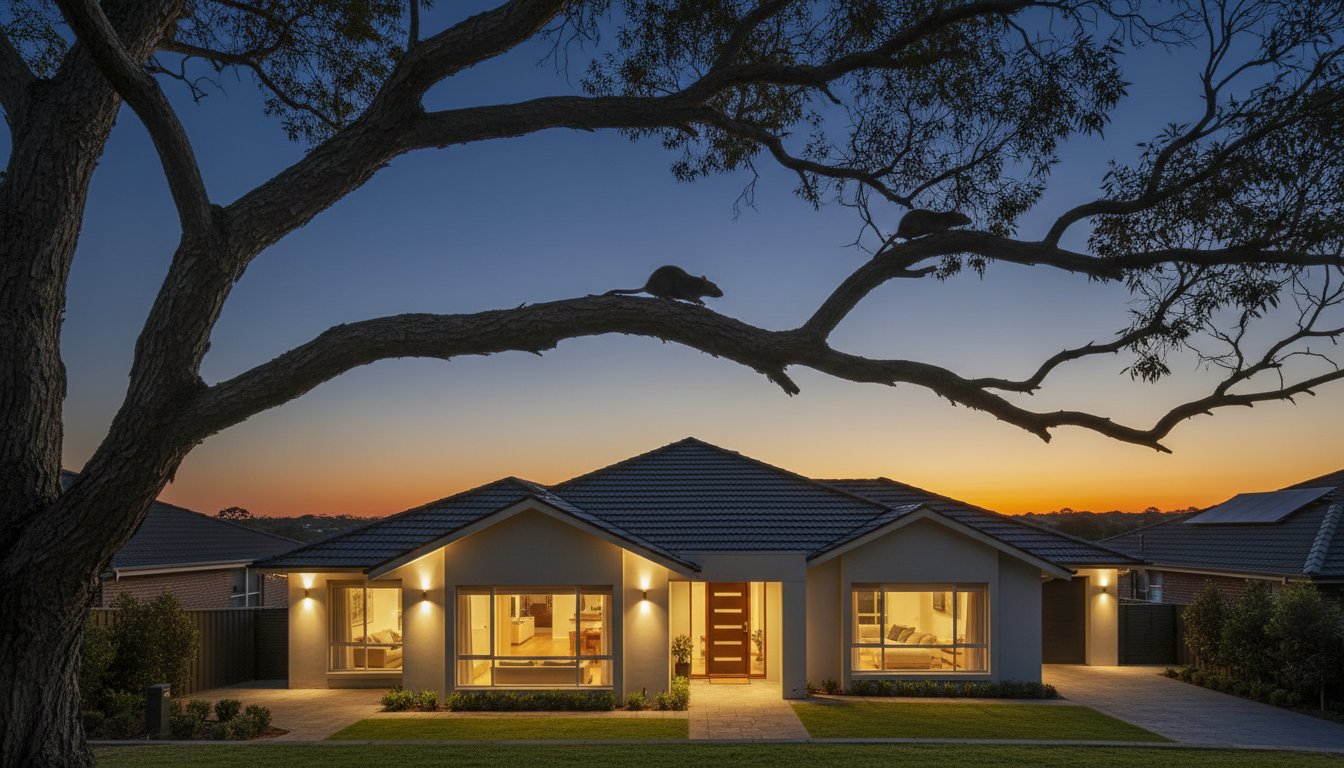
Roof rats are expert climbers. They don’t need a front door to enter your home. Instead, they use a “Tree-to-Roof” pipeline. If you have branches within 2 metres of your roofline, you’ve essentially built a bridge for these agile rodents. They can jump up to 1.2 metres horizontally, making overhanging trees the primary entry route for Sydney properties. Once they reach your gutters, they’ll find even the smallest gap to squeeze inside and begin nesting.
Architectural flaws often hide in plain sight. In older Sydney suburbs like Surry Hills or Glebe, shifted roof tiles and aging eaves provide easy access. Even modern homes aren’t immune to these pests. Builders leave weep holes for ventilation and drill large holes for air conditioning conduits. A roof rat only needs a 12mm gap, roughly the size of a thumb, to enter. They’ll chew through plastic or wood to widen these holes in minutes. People often ask, are roof rats dangerous to the structure of a house? Yes, because their constant gnawing on electrical wires and timber creates significant fire risks and structural instability.
Your garden might also be the primary culprit. Palm trees provide perfect nesting material and shelter. Unpicked fruit from citrus or stone fruit trees acts as a high-calorie buffet that keeps colonies thriving year-round. If you leave garden debris or piles of wood near the house, you’re inviting them to stay. Eliminating these food sources is the first step in protecting your property.
The 5-Point Home Vulnerability Check
- Check your roofline: Look for branches within 2 metres of the gutters. Trim them back immediately to break the bridge.
- Inspect vents: Ensure “whirlybird” vents and mesh screens are intact and made of metal. Rats chew through plastic screens easily.
- Identify smudge marks: Look for dark, oily rub marks on external walls or near pipe entries. These are “grease marks” from rat fur.
- Scan the ground: Clear away fallen fruit and palm fronds. These provide the cover and food rats need to multiply.
- Seal the gaps: Check AC conduits and weep holes for signs of chewing. Use stainless steel mesh to block these entry points.
Sydney-Specific Risk Factors
Living near leafy corridors in the Northern Suburbs or the Inner West increases your risk significantly. These areas provide natural habitats that often overflow into residential streets. Local construction also plays a major role. When new developments break ground, they disturb existing underground nests. This pushes displaced rats directly into established homes nearby. Professional pest control Sydney experts identify these hidden entry points that most DIY attempts overlook.
Don’t wait until you hear scratching in the ceiling. If your property fits these descriptions, are roof rats dangerous for your family’s health? Absolutely, as they carry pathogens that contaminate your living space quickly. You’re in expert hands with our team. We’ve protected Sydney homes for over 20 years using safe, non-toxic methods that get results fast.
Professional Elimination: The ABC Pest Control Approach
DIY solutions from the local supermarket often create more problems than they solve. These generic baits frequently lead to “dead rat smell” when rodents perish deep inside wall cavities or ceiling voids. This creates a secondary health hazard and an unbearable stench that can last for weeks. When residents ask, are roof rats dangerous, they often overlook the risks of improper DIY removal, which can leave your home contaminated or attract other pests like blowflies.
ABC Pest Control uses Integrated Pest Management (IPM) to solve the problem at its source. We don’t just scatter poison; we use a strategic approach that combines biological knowledge with modern technology. Our treatments are eco-friendly and non-toxic for your family and pets. We focus on effective, high-quality solutions that adhere to Australian Pest Standards, ensuring your Sydney home remains a safe environment.
For those looking for total home security, our highly popular Deluxe Package offers an advantage that single-service treatments can’t match. This signature service provides comprehensive protection for up to 15 different pests. It’s the most efficient way to safeguard your property from the diverse range of “tough” pests found across New South Wales.
Our Rodent Removal Process
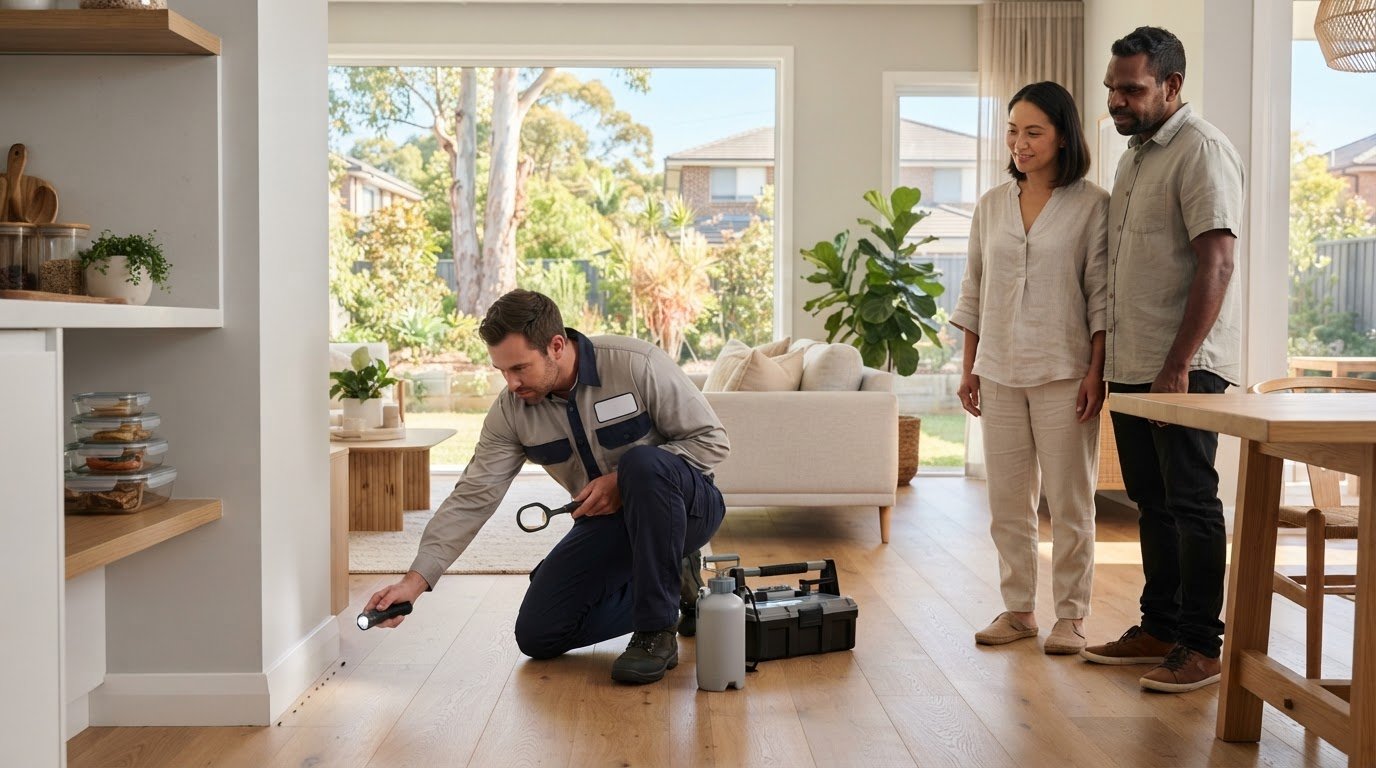
- Step 1: Expert Inspection. We map nesting sites and identify entry points. Our technicians find the specific routes rats use to access your roof.
- Step 2: Customised Strategy. We deploy a baiting and trapping plan designed specifically for roof-dwellers. This prevents rats from dying in inaccessible areas.
- Step 3: Exclusion Advice. We provide professional guidance on how to “rat-proof” your home. This includes sealing gaps and removing attractants to stop future infestations.
Why Sydney Trusts ABC Pest Control
We’ve spent over 20 years handling the most stubborn infestations in the city. Our team consists of highly trained specialists who understand the unique challenges of Sydney’s urban and suburban landscapes. Understanding exactly why are roof rats dangerous helps you realise that a professional approach is the only safe way to reclaim your home. We’re known for being reliable, efficient, and respectful of your time.
- Over 20 years of experience in the Sydney pest control industry.
- Safe, non-toxic treatments that exceed Australian Pest Standards.
- Proven results against “tough” pests like roof rats and German cockroaches.
- Media-backed authority with experts featured in the Daily Mail and Yahoo News.
Don’t wait for rodents to cause permanent damage to your wiring or health. You’re in expert hands with our team. Book your rodent inspection in under 60 seconds and get results today.
Secure Your Sydney Property Against Roof Rat Hazards
Leaving a rodent problem to chance puts your property at immediate risk. Roof rats are notorious for chewing through electrical insulation, which leads to dangerous short circuits and potential house fires in suburban ceiling voids. Beyond the structural destruction, these pests carry pathogens that compromise your family’s health. When homeowners ask are roof rats dangerous, they must consider both the invisible health risks and the tangible damage these agile climbers cause to insulation and structural timber.
ABC Pest Control provides the professional barrier you need to stay safe. With over 20 years in Sydney pest control, our technicians apply eco-friendly and non-toxic treatments that target rats without risking your household’s safety. We understand the urgency of an active nesting colony, so we’ve streamlined our process to help you take action immediately. You can secure a professional inspection and book in under 60 seconds through our online system.
Take the first step toward a pest-free home right now. GET RID OF ROOF RATS TODAY – BOOK NOW. We’re ready to help you reclaim your space and ensure your Sydney home remains a safe, secure haven for your family.
Frequently Asked Questions
How do I know if the scratching in my roof is a rat or a possum?
You can identify the animal by the volume and timing of the noise. Possums are heavy, nocturnal mammals that create loud thumping sounds, especially around dusk and dawn. Rats are lighter and much faster, producing consistent scratching or scurrying throughout the night. Remember that possums are protected under the NSW Biodiversity Conservation Act 2016, so it’s vital to get a professional identification before taking action.
Can roof rats chew through metal or concrete?
Yes, roof rats can chew through soft metals like lead or aluminum and even thin, uncured concrete. Their incisors grow up to 12cm every year, which forces them to gnaw on hard surfaces to keep them filed down. This destructive habit is a major reason why are roof rats dangerous, as they often target electrical wiring and structural timber in Sydney ceiling voids.
Will roof rats eventually leave on their own?
No, roof rats won’t leave your property voluntarily once they’ve found a reliable source of food and warmth. A single female can produce 40 offspring in a year, meaning a small problem turns into a massive infestation quickly. Don’t wait until they cause permanent damage. Our expert team provides immediate solutions to stop the breeding cycle and secure your home permanently.
Is it safe to clean up rat droppings myself?
It’s not safe to clean up droppings without professional grade personal protective equipment. Rats in Sydney carry dangerous pathogens like Leptospirosis and Salmonellosis that can spread through dust. If you must clean a small area, use a 10 percent bleach solution and avoid vacuuming or sweeping, as this sends harmful particles into the air. Your safety is our priority, so we recommend professional decontamination.
How long does it take for a professional to get rid of roof rats?
A professional treatment usually shows results within 48 to 72 hours; however, total elimination takes 7 to 14 days. Our technicians have over 20 years of experience and follow strict Australian Pest Standards to get results fast. You can book your inspection in under 60 seconds to ensure your home is protected by our highly popular Deluxe Package and expert specialists.
Are roof rats more common in Sydney during winter or summer?
Roof rats are more common inside Sydney homes during the winter months. When overnight temperatures drop below 14 degrees Celsius, they seek the warmth of your roof insulation to survive. This seasonal migration explains why many residents ask are roof rats dangerous during the colder months, as they pose a higher fire risk by chewing cables near internal heating components.
Can roof rats enter my house through the toilet?
Yes, it’s possible for rats to enter via the toilet, though it’s rare in modern Sydney plumbing systems. They are excellent swimmers and can hold their breath for up to 3 minutes while navigating pipes. Always keep your toilet lid down if you suspect an infestation in your street’s sewer line. If you’re worried, our specialists can inspect your drainage points for potential entry gaps.
Do electronic rodent repellers actually work for roof rats?
No, independent studies from organizations like the CSIRO show that ultrasonic devices have little to no long term effect on rodent behavior. Rats quickly habituate to the sound and will continue nesting nearby despite the noise. These gadgets offer a false sense of security. Professional pest control is the only guaranteed way to effectively manage and eliminate pests from your property for good.