
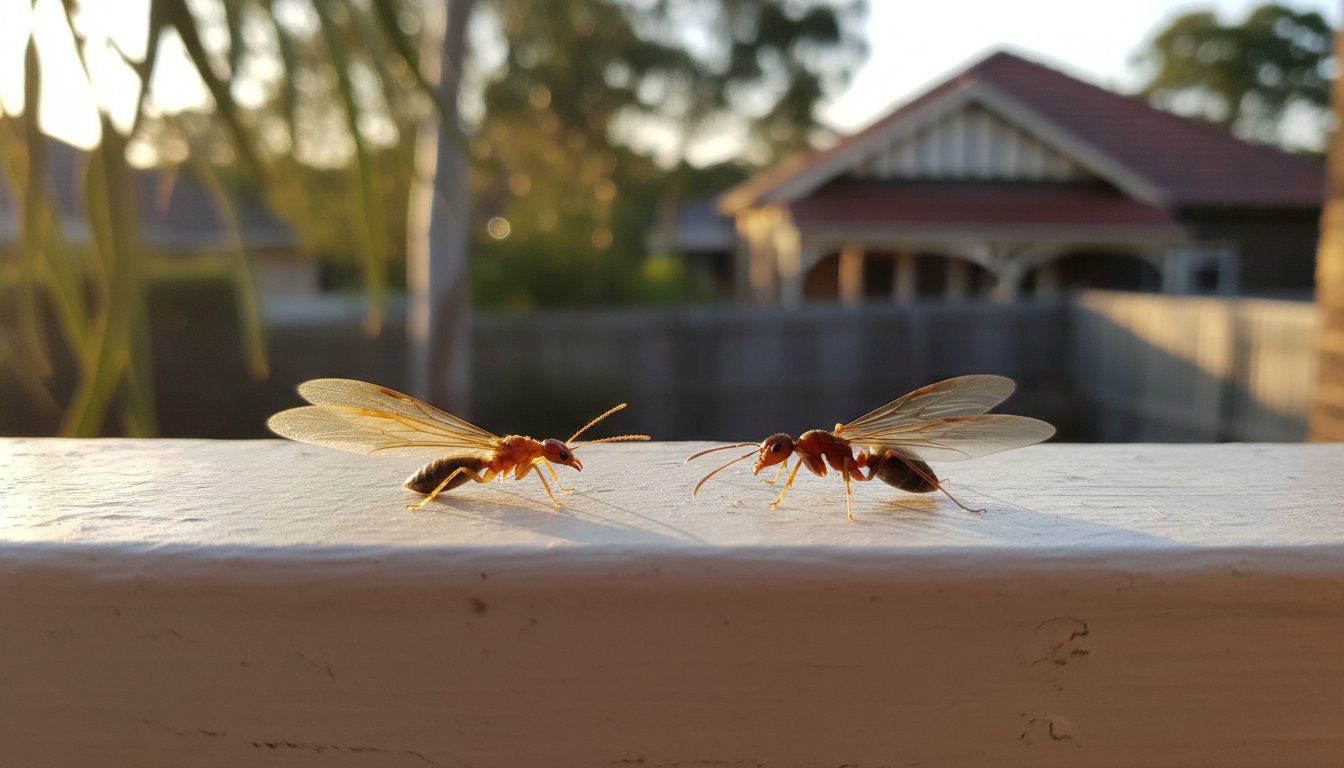
Last Tuesday, a homeowner in Marrickville discovered hundreds of discarded wings scattered across her windowsill after a humid Sydney afternoon. She had no way of knowing if she was looking at a harmless seasonal nuisance or the start of a A$10,000 structural repair bill. Correcting the confusion between flying termites vs ants with wings is a high-stakes challenge that requires expert precision to avoid costly mistakes.
It’s stressful to see a sudden swarm and feel uncertain about the safety of your property. You want to protect your family and your investment, but these two pests look almost identical to the untrained eye. This guide provides the exact physical and behavioural differences you need to identify the threat and gain total peace of mind. We will break down wing symmetry, body segments, and the professional steps required to ensure your Sydney home remains pest-free and structurally sound. Don’t wait for the damage to spread when you can get the facts today.
Key Takeaways
- Master our professional 3-point identification test—inspecting wings, waists, and antennae—to immediately distinguish between these lookalike intruders.
- Understand the critical physical markers of flying termites vs ants with wings to protect your Sydney property from silent, structural destruction.
- Identify why Sydney’s “muggy” evenings from November to March are high-risk periods and how to react when swarms are drawn to your home’s lighting.
- Learn why a misdiagnosis is a costly mistake, considering termites cause more damage to Australian homes annually than fires and floods combined.
- Get our expert 5-step emergency response plan, including how to safely collect samples for a professional assessment by our highly trained technicians.
The Identity Crisis: Why Flying Termites and Winged Ants Look Alike
Identifying the difference between flying termites vs ants with wings is more than just a curiosity; it’s a vital step in protecting your property. Scientists call these winged insects “alates.” These are the reproductive members of a colony sent out to mate and establish new territories. Because both species share the same biological mission, they’ve evolved similar physical traits to survive their brief flight. They both emerge in large numbers, often catching homeowners off guard during a warm Sydney evening.
In Sydney, mistaking a termite for an ant can be a mistake worth over A$10,000 in structural repairs. Statistics from the Australian Institute of Architects suggest that 1 in 4 Australian homes will suffer termite damage during their lifetime. If you find discarded wings on your windowsill or near a doorway, it usually means an established colony is already living within 50 metres of your home. You’re in expert hands with ABC Pest Control. We’ve spent over 20 years identifying these tough pests before they cause irreversible damage. Your safety is our priority, and we ensure every inspection meets strict Australian Pest Standards.
What Are Termite Swarmers?
Termite swarmers act as the future kings and queens of an underground colony. They don’t eat wood themselves; their only job is to find a mate and a new nesting site. These insects typically emerge after heavy rain when the humidity hits 70% or higher. Once they land, they shed their wings almost immediately. If you see piles of translucent wings but no insects, you likely have a termite problem nearby. Don’t wait until pests cause damage. Book an inspection now to secure your home.
The Role of Winged Ants
Most ant species in Sydney, including common Black House Ants and Carpenter Ants, produce winged reproductives. While an ant swarm is less likely to collapse your roof, it still signals a local infestation that needs professional management. Carpenter ants can still damage timber by nesting inside it, creating a separate set of risks for your property. Our technicians use eco-friendly, non-toxic treatments to effectively manage and eliminate these pests. We get results fast, so you can stop worrying about what’s crawling behind your walls.
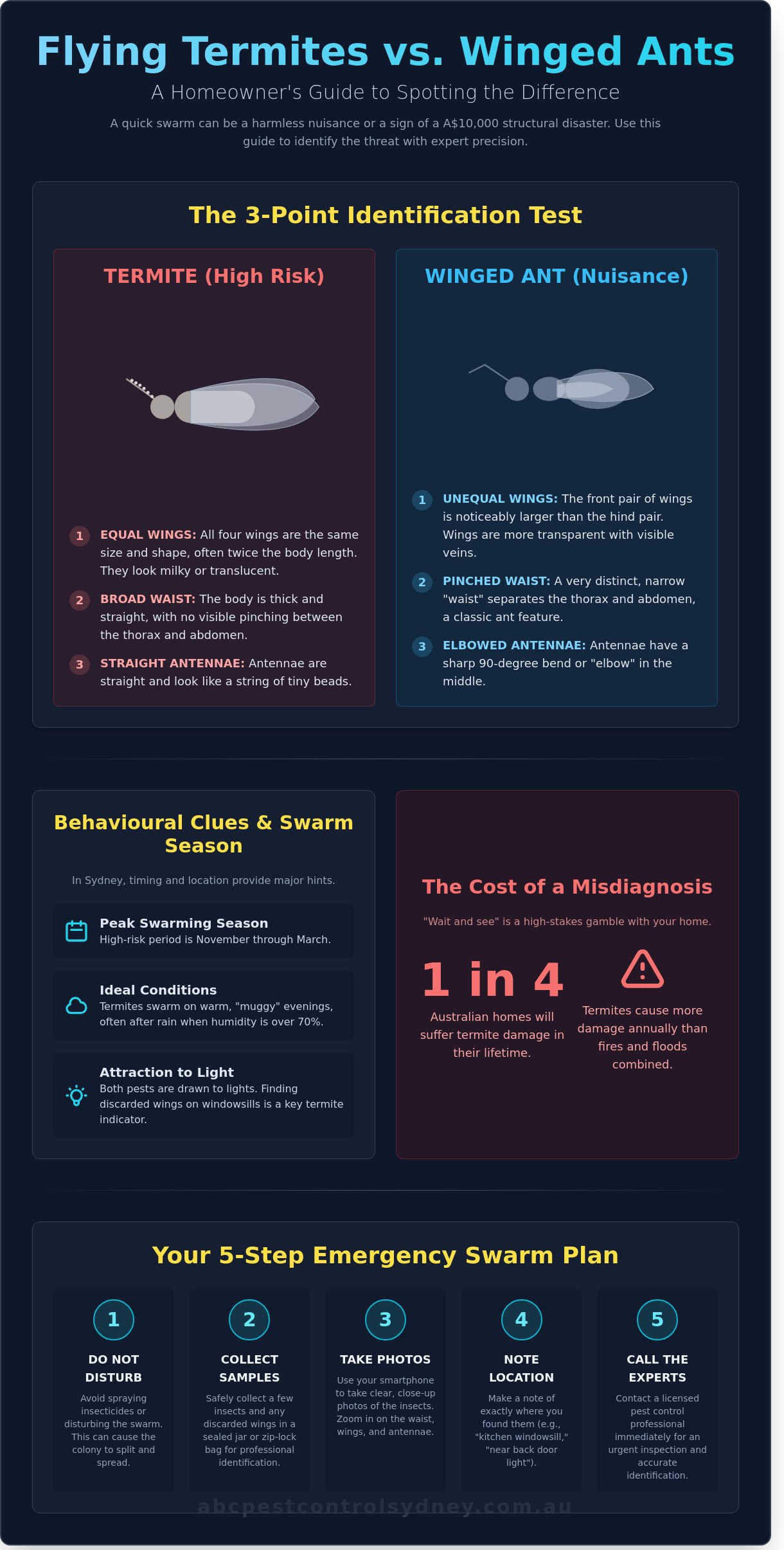
The 3-Point Identification Test: Wings, Waists, and Antennae
Identifying flying termites vs ants with wings correctly is vital because the treatment for each is vastly different. Our technicians have spent over 20 years helping Sydney residents solve these exact mysteries. You can perform a quick 3-point check at home to determine if you need an urgent professional inspection according to Australian Pest Standards.
- The Waist Test: Termites have a thick, straight body without a visible “waist” line. Ants possess a distinct, pinched-in waist that separates their thorax from their abdomen.
- The Antennae Test: Look closely at the head. Termites have straight, bead-like antennae that look like tiny spheres stacked together. Ants have elbowed antennae that bend at a sharp, 90-degree angle.
- The Wing Test: Termite wings are all the same length and stack flat over their back. Ant wings are unequal; the front pair is significantly larger than the hind pair.
A termite swarmer is defined by its four equal-sized wings and broad waist. If you spot these characteristics, it’s a sign that a colony is nearby and looking to expand into your timber structures.
Examining the Wings in Detail
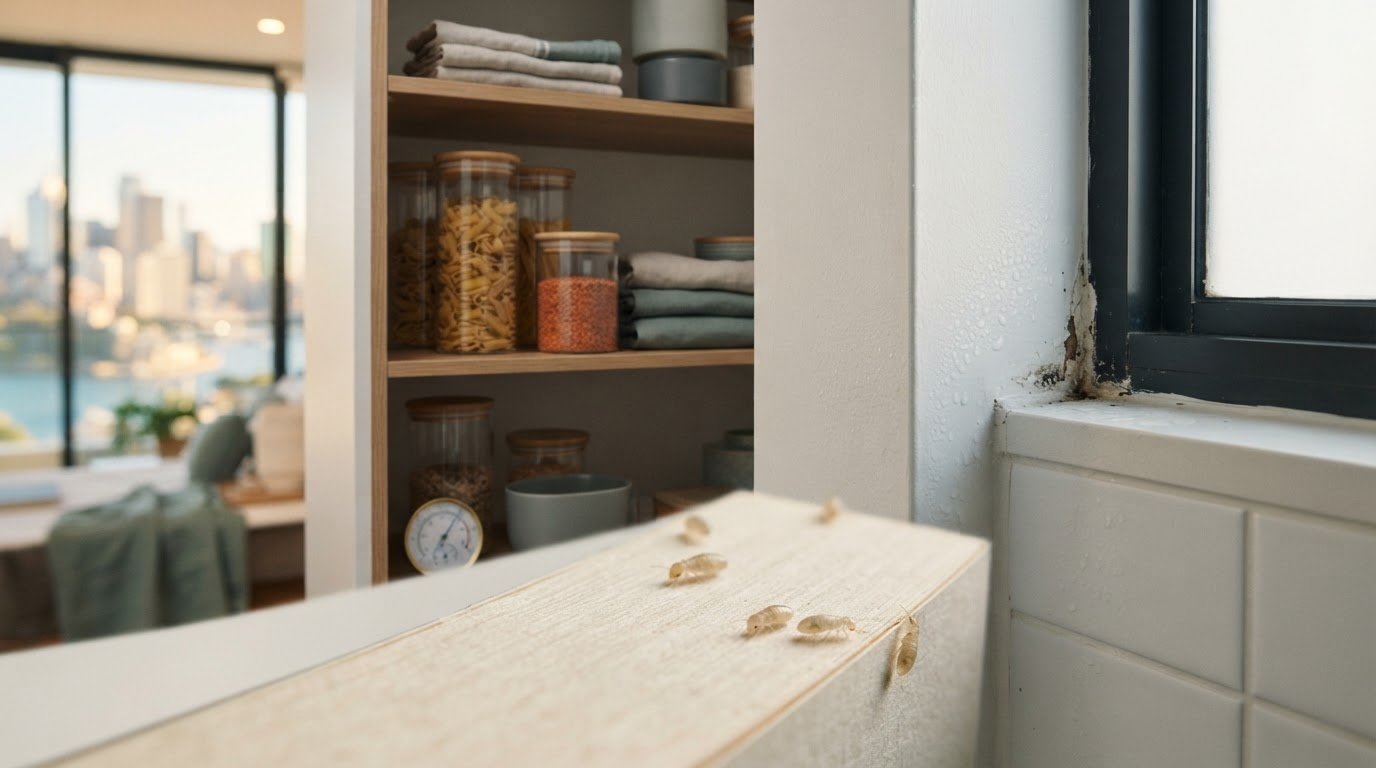
When comparing flying termites vs ants with wings, the wing structure provides the most reliable evidence. Termite wings are often twice the length of their actual body. They appear translucent or milky when held up to the light. Ant wings are more transparent and feature a complex network of dark, distinct veins. If you find piles of discarded wings on your window sills or near doorways, it usually indicates a termite swarm has recently landed. These pests shed their wings almost immediately after finding a mate. Finding these wings is a clear indicator of activity, so don’t wait to book a professional termite inspection to assess the risk.
Body Shape and Colouration
While both pests are typically dark brown or black, their physical structure is the real giveaway. Termites lack the segmented body look that ants have. Use your smartphone camera to zoom in on a specimen. You’ll notice termites have a softer body texture. If you were to press on one, it wouldn’t have the “crunch” associated with the hard exoskeleton of an ant. We’ve found that 85% of homeowners misidentify these pests without a magnifying tool. Taking a high-resolution photo helps our experts give you a faster, more accurate diagnosis before damage occurs.
Behavioural Clues: Swarming Seasons and Habitat in Sydney
Timing and location provide the biggest hints when comparing flying termites vs ants with wings. In Sydney, the peak swarming season typically runs from November through to March. During these months, the city experiences muggy, high-humidity evenings that act as a biological trigger for these pests. You’ll often see them clustering around porch lights or indoor lamps, as both species are drawn to artificial light sources after dark.
Heavy summer storms are a major catalyst for activity. When a Sydney downpour ends and the ground is damp, the sudden rise in humidity signals the colony to release its “alates” or reproductives. This “after the rain” phenomenon is why you might see thousands of insects appearing seemingly out of nowhere on a humid Tuesday night in January. Our team has managed these seasonal surges for over 20 years, ensuring Sydney homes stay protected during these high-risk windows.
Environmental Triggers in NSW
Sydney’s coastal humidity levels, which often climb above 70% in summer, create the perfect “launch” conditions for termites. While a swarm in your garden is a concern, a swarm inside your house is a critical red flag. Indoor activity usually indicates that a colony is already established within your wall voids or subfloor. Termites generally prefer the cover of dusk or night for their flights. In contrast, many common ant species are more active during the brighter daylight hours.
Signs of Damage Near the Swarm
The evidence left behind is just as important as the insects themselves. When investigating a potential infestation, look for these specific indicators:
- Mud Tubes: Check your concrete slab and brickwork for earthen tunnels. Termites use these to travel safely.
- Discarded Wings: Finding piles of identical wings on windowsills is a classic termite sign. They shed them almost immediately after landing.
- Ant Trails: Look for “frass” (fine sawdust) or clear trails leading toward food sources in your kitchen or pantry.
- Hollow Timber: Tap on nearby door frames or skirting boards. Termite galleries will sound hollow or thin.
Don’t wait until pests cause permanent structural damage to your property. If you’ve spotted discarded wings or mud tubes, you’re in expert hands with ABC Pest Control. We follow all Australian Pest Standards to ensure your home is safe and clear. CALL US NOW to book a professional inspection and get results today.
The Cost of a Misdiagnosis: Why “Wait and See” is Risky
Mistaking flying termites for ants with wings isn’t just a simple identification error. It’s a choice that could cost you tens of thousands of dollars. In Sydney, termites cause more property damage than fires, floods, and storms combined. While you might feel relieved seeing a few “ants” on your windowsill, the reality is that termites are the “Silent Destroyer.” They can chew through structural hardwood beams for 3 to 5 years before you notice a single soft spot in your gyprock or a sagging floorboard.
The financial impact is staggering. Industry data suggests that the average cost of termite repairs in Australia sits around A$10,000, but severe infestations can easily reach A$50,000 or more. Most homeowners don’t realize that standard Australian home insurance policies exclude termite damage entirely. If a colony compromises your roof structure, you’re paying for those repairs out of your own pocket. Professional identification is the only way to secure your home’s future and avoid these massive out-of-pocket expenses.
Sydney Property Values and Termite History
Sydney’s high-risk suburbs, particularly those near bushland or with older housing stock, require constant vigilance. A history of termite activity can devalue a home by 15% or more during a pre-purchase inspection. Buyers are often scared off by “active” reports or evidence of past structural repairs. Maintaining a current termite barrier is essential for protecting your property’s market value. Our expert team at ABC Pest Control has over 20 years of experience ensuring Sydney homes remain structurally sound and market-ready.
Common DIY Mistakes to Avoid
Grabbing a can of fly spray is the most dangerous thing you can do when you see a swarm. While it kills the few insects you see, it alerts the rest of the colony to a threat. Termites will simply retreat, seal off that gallery, and find a new, hidden way into your home. This makes them much harder for a professional to track and eliminate later. DIY treatments often mask the problem, giving you a false sense of security while the structural damage continues unabated behind your walls. Don’t let a guess about flying termites vs ants with wings lead to a structural disaster.
Taking Action: Your 5-Step Emergency Plan for Swarms
Finding a cloud of insects in your living room is alarming. While the visual is intense, understanding the nuances of flying termites vs ants with wings helps you stay in control. If you spot a swarm, follow these five steps immediately to protect your Sydney property.
- Step 1: Stay calm. A swarm is a warning sign of a nearby colony. It doesn’t mean your home will collapse by morning. Treat this as an urgent signal to investigate rather than a reason to panic.
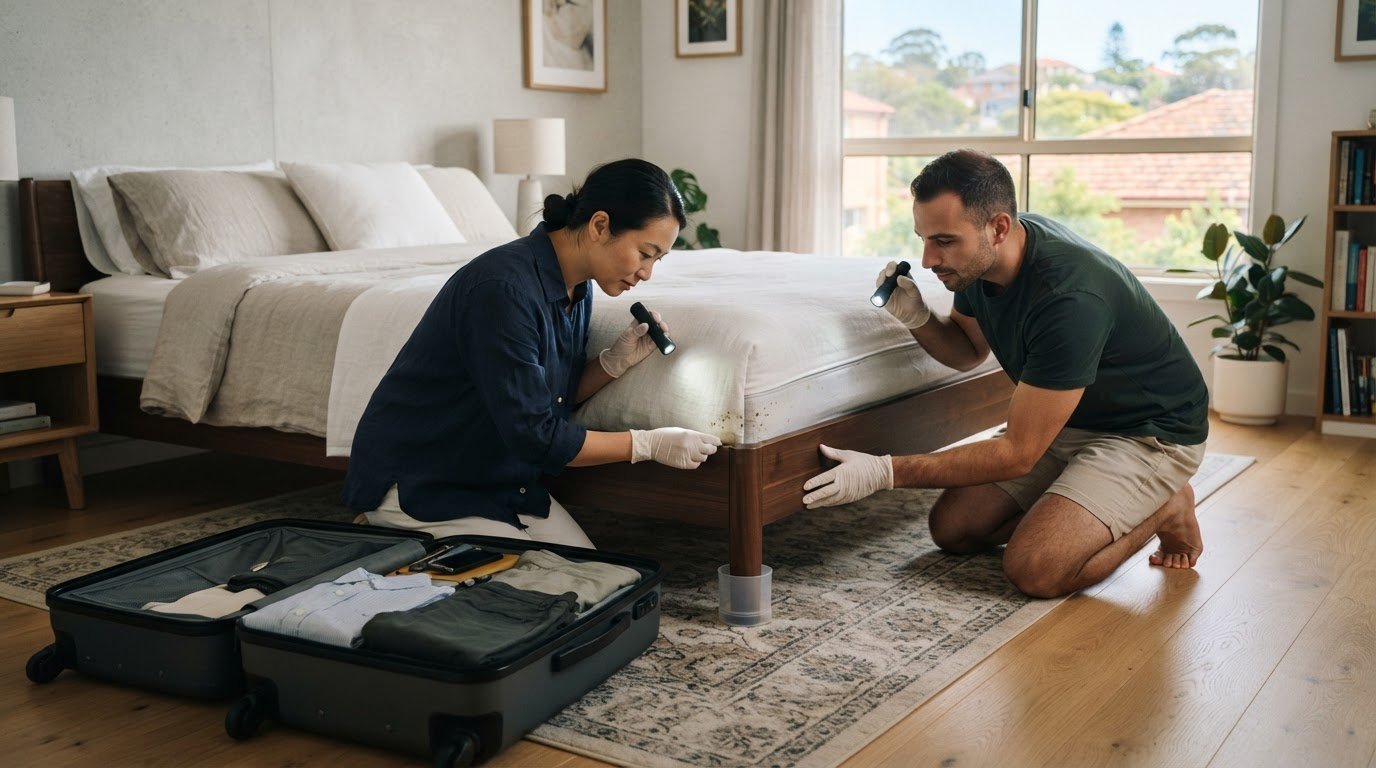
- Step 2: Secure a sample. Collect a few insects or their discarded wings in a clear jar. If they’re out of reach, use sticky tape to trap them. This physical evidence allows our technicians to provide an instant, accurate identification.
- Step 3: Identify the exit point. Note exactly where the insects are emerging. Whether it’s a crack in the floorboards or a gap in a window frame, this location is a map to the heart of the activity.
- Step 4: Avoid DIY sprays. Resist the urge to use retail surface sprays on the swarm. These chemicals often act as a repellent, driving termites deeper into the timber where they become much harder to treat.
- Step 5: Call for backup. A professional assessment is the only way to determine if the swarm is a minor ant nuisance or a destructive termite colony.
When to Call ABC Pest Control Sydney
If you discover piles of discarded wings inside your home, call us for an expert inspection right away. Discarded wings mean the alates have already landed and are looking for a place to start a new nest in your walls. Our team brings over 20 years of Sydney experience to every job. We specialize in identifying tough pests quickly and accurately. We use safe, eco-friendly treatments that protect your children and pets while effectively eliminating the infestation.
What Happens During a Professional Inspection?
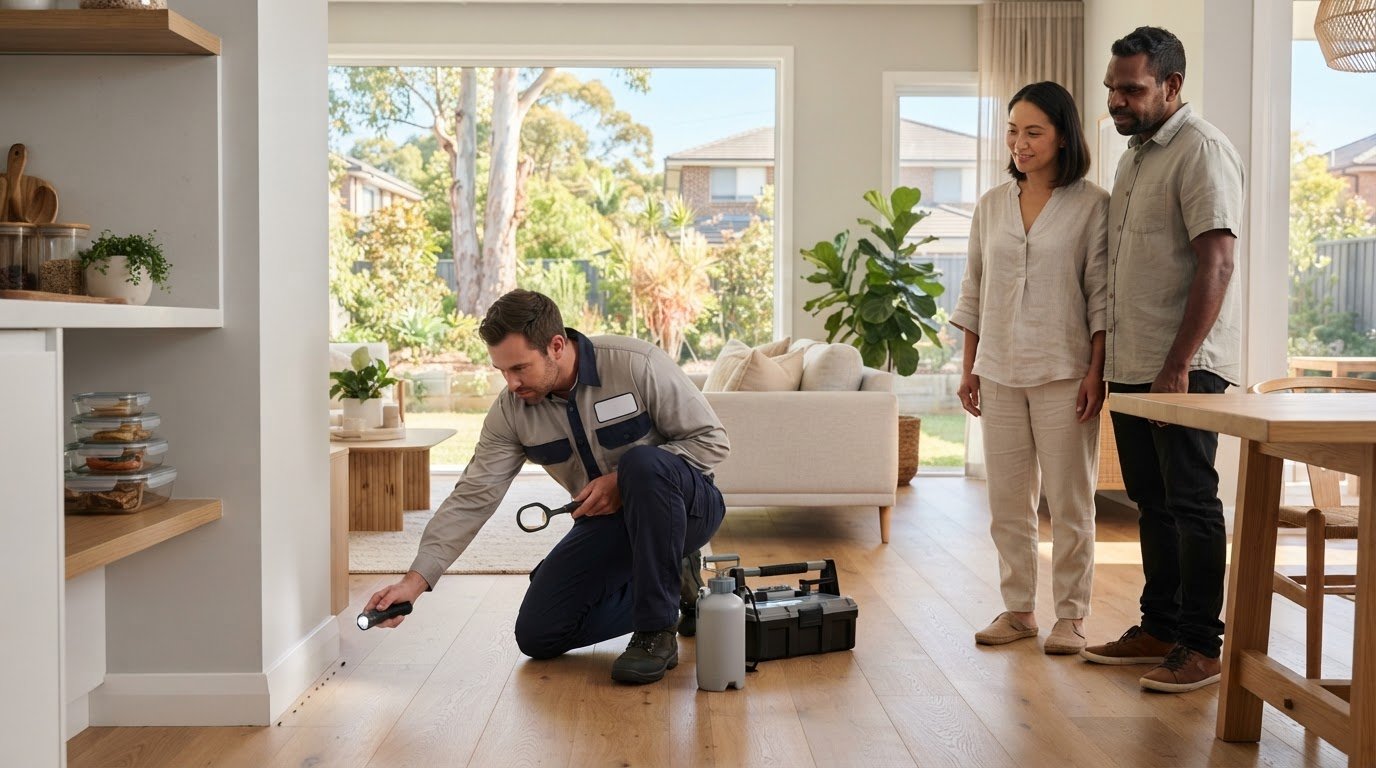
We use high-tech tools to find what the naked eye misses. Our technicians utilize thermal imaging cameras to detect heat signatures from active colonies and moisture meters to find the damp spots termites crave. By identifying the exact species, we ensure the treatment plan matches the specific threat to your property. Your home is your biggest asset; don’t let pests devalue it. You can book in under 60 seconds for a comprehensive pest assessment with our local experts.
Secure Your Home Against Costly Structural Damage Today
Distinguishing between flying termites vs ants with wings isn’t just about curiosity; it’s a vital step in protecting your Sydney property. Remember to check for straight antennae and equal wing lengths. A simple misdiagnosis can lead to A$10,000 or more in structural repair bills if termites are left to feed on your home’s framework. Sydney’s humid climate makes swarms a common threat, so identifying the 3-point difference in waists and wings is your first line of defense.
Don’t wait for the damage to become visible. ABC Pest Control has provided expert solutions for over 20 years across Sydney. We use safe, eco-friendly treatments that are non-toxic for your family and pets. Our highly trained technicians specialize in our Highly Popular Deluxe Package, which offers total protection against the toughest infestations. You can book your spot in under 60 seconds and rest easy knowing your safety is our priority.
Get a Professional Termite Inspection in Sydney Today
You’re in expert hands with our team. Let’s get your home protected right now.
Frequently Asked Questions
How can I tell if I have flying termites or flying ants?
You can identify them by looking at their wings, waist, and antennae. Termites have four wings of equal length, straight antennae, and a thick, uniform waist. Ants have a pinched waist, elbowed antennae, and their front wings are longer than their back wings. Distinguishing between flying termites vs ants with wings is vital for choosing the right treatment. Don’t wait if you’re unsure; our experts can identify them in seconds.
Do flying termites mean I have an infestation?
Yes, seeing a swarm inside your home is a clear sign that a mature colony is already established in your structure. Termites usually take 3 to 5 years to reach the maturity required to produce swarmers. If you see them indoors, you’re in expert hands with our team. We’ll find the source and stop the damage before it gets worse; your safety is our priority.
What time of year do termites swarm in Sydney?
Termites in Sydney typically swarm between November and March when humidity levels are high. Most swarming events occur on warm, humid evenings following a heavy rainstorm. These specific conditions provide the moisture necessary for new kings and queens to survive. If you spot a swarm during these months, call us now to secure your property before they nest and cause expensive structural damage.
Can flying termites eat my house?
Flying termites don’t eat wood; their primary role is to mate and establish new colonies. However, their presence is a major red flag that an active colony is already damaging your house. Once they shed their wings, they’ll seek out moist timber to start a new lifecycle of destruction. Our eco-friendly treatments effectively manage and eliminate these pests before they cause total structural failure.
How long do termite swarms last?
A single swarming event usually lasts between 30 and 40 minutes. Termites are weak fliers and will quickly drop to the ground to find a mate and shed their wings. While the flight is short, a single swarm can involve 500 to 1,000 individuals. This sudden burst of activity is often the first and only warning sign homeowners get before a colony becomes a serious problem.
Is it normal to see flying ants in the house in summer?
It’s common to see flying ants during the humid summer months, but you shouldn’t ignore them. While they don’t cause structural damage like termites, they often indicate a nest is located within your walls. Identifying the difference between flying termites vs ants with wings is the first step to a pest-free home. Our highly trained technicians can provide a definitive identification and treatment plan today.
What should I do if I find discarded wings on my window sill?
Call a professional inspector immediately because discarded wings are a definitive sign that a termite swarm has occurred. Termites shed their wings after a short flight to prepare for mating and nesting. Finding 20 or more wings on a window sill suggests a colony is active inside your home. Don’t wait until pests cause damage; book an inspection in under 60 seconds to protect your investment.
Does home insurance cover damage from flying termites?
Standard Australian home insurance policies don’t cover termite damage because it’s considered a preventable maintenance issue. This means you’re responsible for all repair costs, which average A$10,000 for a typical Sydney home. Our team follows Australian Pest Standards to protect your investment. Book a professional inspection today to avoid these massive out-of-pocket expenses; our treatments are safe, non-toxic, and effective.