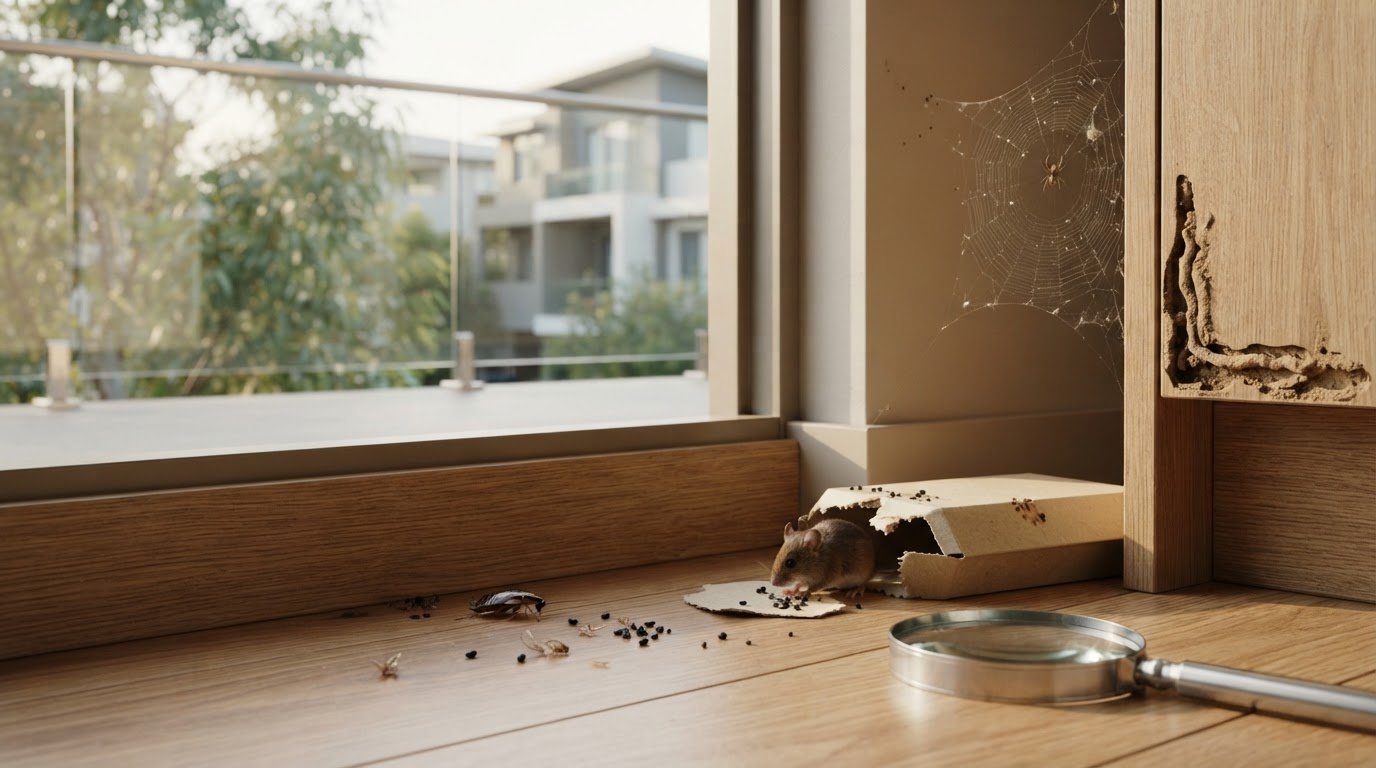
What pest left those droppings, damaged packaging or mysterious bites? In Sydney, similar signs can point to different pests, and a single sighting doesn’t always tell the whole story. Here is a comprehensive breakdown of how to identify a likely pest by looking at its appearance, the evidence it leaves and where you find it.
A mark or dropping can be worrying, but guessing may lead to the wrong response. Cockroaches, termites, rodents and spiders can leave clues that are easy to misread, especially when evidence is incomplete. Avoid disturbing suspected nests or applying treatments before you have a better idea of what you’re dealing with.
This guide explains which details to observe, how location and activity patterns can help narrow down common Sydney pests, and which lookalike signs deserve extra care. You’ll also learn when to monitor safely and when recurring or unclear evidence calls for professional help.
Key Takeaways
- Identify likely pests by combining appearance, behaviour, location and physical evidence rather than relying on one clue.
- Droppings, gnaw marks, webs and trails can suggest pest activity, but repeated evidence is more useful than an isolated mark.
- Use movement, body shape and the surrounding signs to narrow down the likely pest group, not to make a definite diagnosis from one feature.
- Photograph evidence, note where you found it and watch for repeat signs. Avoid mixing products or treating an area before you understand the pest and the problem.
- When signs remain unclear or keep returning, professional identification can help guide the next step. ABC Pest Control Sydney provides residential and commercial pest management across metropolitan Sydney, backed by more than 20 years of experience.
How to Identify a Pest in Sydney: Start With the Clues You Can See
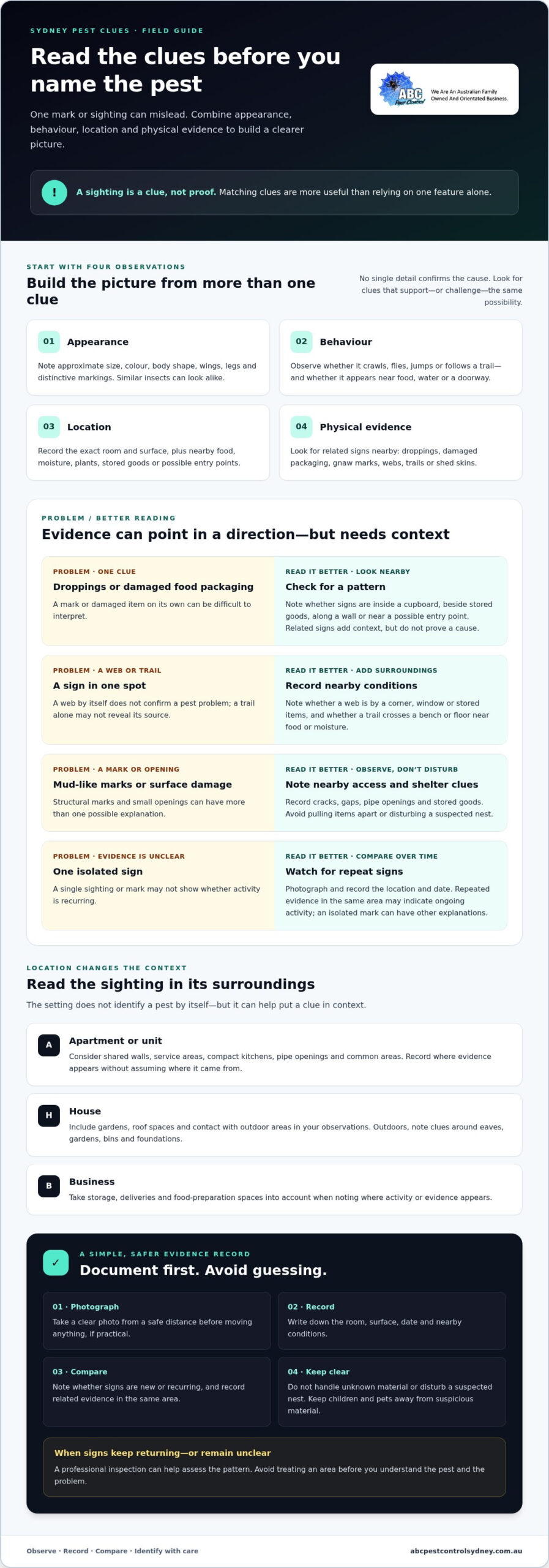
Finding an insect or animal indoors can be unsettling, but one sighting is a clue, not proof of an infestation. Start by observing rather than guessing. Pest identification means bringing together several details: what the creature looks like, how it moves, where it appears and what physical evidence is nearby. The more clues point in the same direction, the more useful your next decision will be.
Sydney properties can present different clues. An apartment may have shared walls, service areas and compact kitchens, while a house may have gardens, roof spaces or more contact with outdoor areas. A business may have storage, deliveries or food-preparation spaces to consider. These surroundings don’t identify a pest by themselves, but they help put a sighting in context.
Quotable takeaway: Several matching clues are more reliable than one sighting because appearance, behaviour, location and evidence can support or challenge the same identification.
Which details help identify an insect or animal?
Look at the overall shape and visible features. Note its approximate size, colour, body shape, wings, legs and any distinctive markings. Don’t identify a species from one feature alone. Similar insects can look alike, and a quick glimpse may hide details that would help distinguish them.
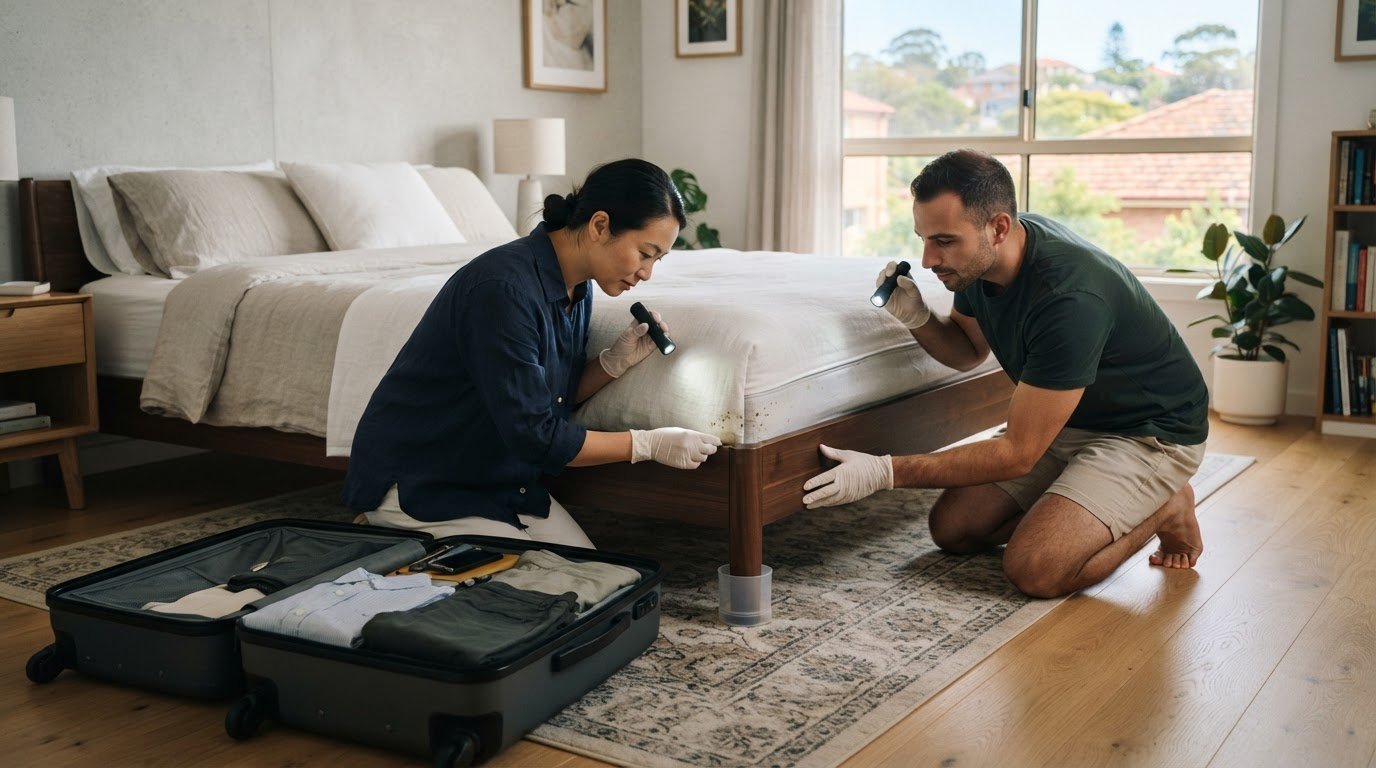
Record what it does, too. Does it crawl, fly, jump or follow a trail? Does it appear near food, water or a doorway? If practical, take a clear photo from a safe distance. Don’t handle an unfamiliar pest to get a closer image.
Where you find it can narrow down the possibilities
Write down the exact room and surface, then note nearby conditions such as food, moisture, plants, stored goods or possible entry points. A sighting beside a sink gives different context from one near pantry items or a window. Indoors, note whether the pest appears in one spot or across several rooms. Outdoors, observe clues around eaves, gardens, bins and foundations.
These details can help distinguish a passing visitor from signs of a recurring issue. In a unit or apartment, note whether evidence is near a shared wall, pipe opening or common area, without assuming where the pest came from. For background on common local pests, the guide What is a Pest? A Guide to Common Pests in Sydney explains the categories you may encounter.
Identification also helps inform a management approach. The general Pest control principles overview explains why it’s useful to understand the pest and its circumstances before choosing a response. Keep your observations together, including dates and photos, so you can compare patterns over time. This record is especially helpful if sightings recur or the evidence doesn’t clearly point to one pest.
How to Read Pest Evidence: Droppings, Damage, Webs and Trails
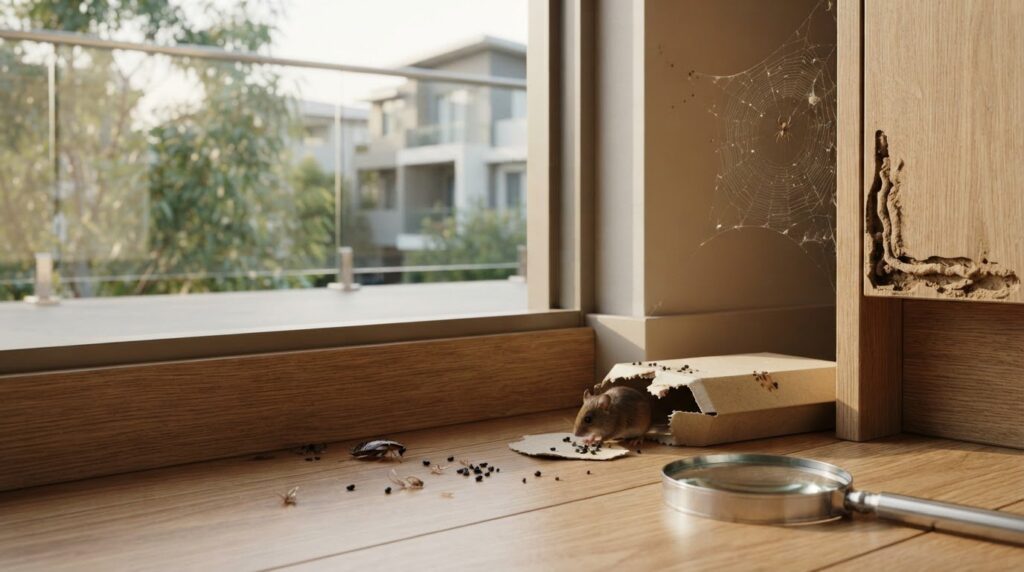
A single mark can be misleading. Look for evidence that is fresh, repeated or concentrated in one area, then consider how the clues fit together. Droppings near damaged packaging, for example, provide more context than either sign alone. A clue can point towards a pest, but it doesn’t prove which pest caused it.
Photograph what you find and record its exact location, date and nearby conditions. Compare new observations with earlier ones. Repeated signs in the same place may indicate ongoing activity, while an isolated mark can have other explanations.
What droppings and food damage may tell you
Check where droppings appear: inside a cupboard, beside stored goods, along a wall or near a possible entry point. Record the location and whether you find similar signs again. Chewed packaging, gnaw marks and scattered food can add context, but damage alone doesn’t identify its cause.
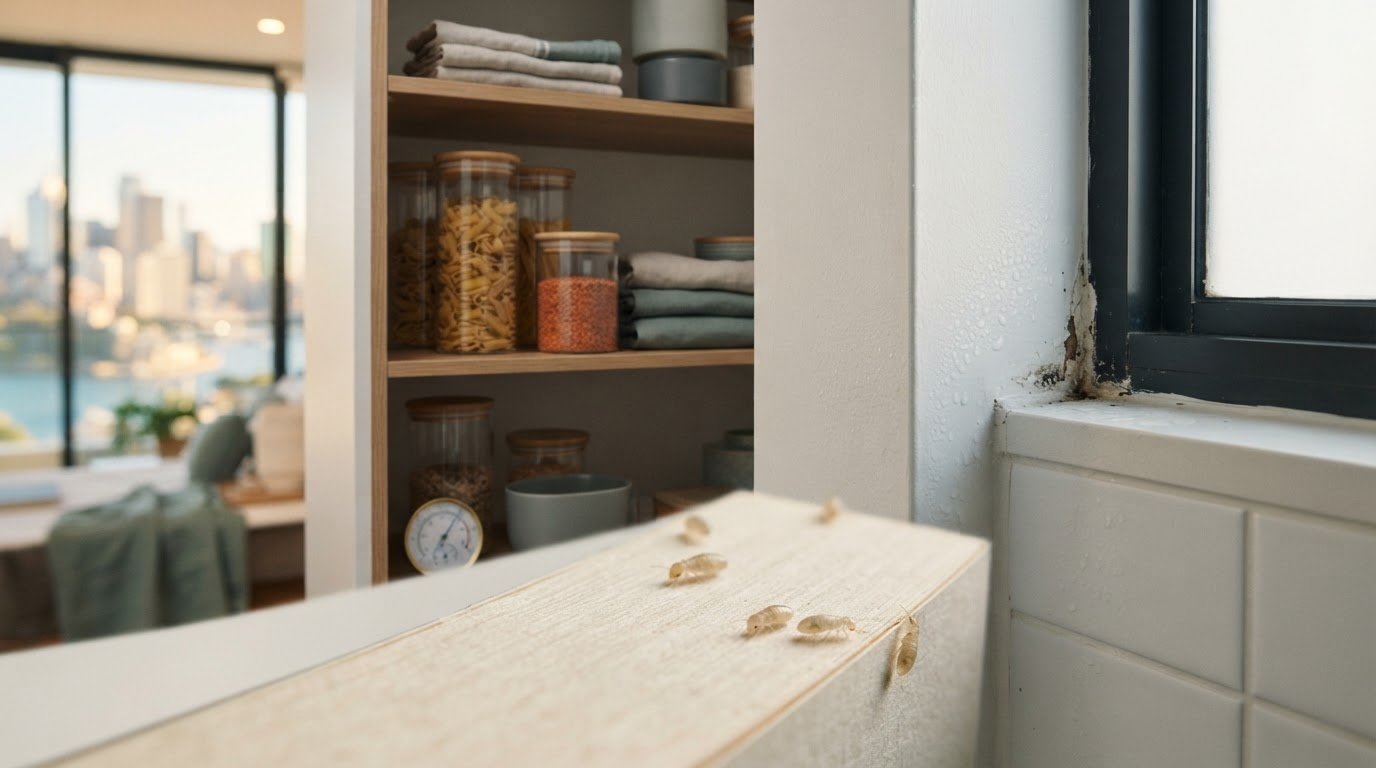
Look for shed skins or other small traces nearby, but don’t touch unknown material or try to identify it by handling it. Keep children and pets away, and take a photo from a safe distance if practical. Size, colour and shape can be difficult to interpret without supporting evidence, so avoid naming a species based on appearance alone.
What webs, trails and structural marks may indicate
Webs in a corner, around a window or among stored items may indicate activity in that spot, but a web by itself doesn’t confirm a pest problem. Trails across a bench or floor are worth noting alongside nearby food or moisture. Mud-like marks, surface damage and small openings also need context. Don’t assume one mark has only one possible cause.
Look around the evidence without pulling items apart or disturbing a suspected nest. Note cracks, gaps, pipe openings and stored goods that may be relevant to where pests could move or shelter. If you find possible rodent signs, compare their location with food storage and access points. The guide Your Complete Guide to Safe & Effective Rodent Control in Sydney covers rodent-control considerations in more detail.
Keep your record simple and useful:
- Photograph the sign before moving anything.
- Write down the room, surface and nearby conditions.
- Note whether the evidence appears new or has returned.
- Record related signs in the same area, such as damage, trails or shed skins.
Don’t sweep, wipe or handle suspicious material before documenting it, particularly if you’re unsure what it is. If the evidence keeps returning or remains unclear, a professional inspection can help assess the pattern. ABC Pest Control Sydney provides residential and commercial pest management across metropolitan Sydney. Information about professional pest management in Sydney offers further context on managing recurring or uncertain signs.
How to Tell Common Sydney Pest Clues Apart Without Guessing
Start with the broad group, not a species name. Movement and body form can help distinguish a crawling insect from a flying insect, rodent or spider. Surrounding evidence may support or complicate that first impression. A clue can remain after the animal has moved on, so separate what you’ve seen from signs that may be older.
Use this comparison as a starting point, not a diagnosis. Droppings, webbing, trails and damaged items can have overlapping causes. Location and repeated evidence can make an identification more plausible, but no single clue proves which pest is present.
| Clue type | Likely broad group | What else to look for |
|---|---|---|
| Small creature moving across a surface | Crawling insect | Note body shape, legs, movement, nearby food or moisture, and whether similar sightings recur. |
| Insect seen flying near a window or light | Flying insect | Observe its shape and where it gathers; check whether there are repeat sightings or other signs nearby. |
| Gnaw marks or damaged stored items | Rodent or another source of damage | Look for other signs in the same area, possible access gaps and whether fresh damage appears. |
| Web in a corner or among stored items | Spider activity may be possible | Record the web’s location and whether a spider is visible. A web alone doesn’t confirm current activity. |
Insects, rodents or spiders: which broad group fits the signs?
Compare how the animal moves with its visible body form. A creature that crawls, flies or jumps offers a different starting point from one that leaves damage without being seen. Then consider whether nearby evidence matches. Droppings, webbing and trails can overlap or persist after activity has stopped, so don’t treat them as proof of a particular species.
Separate visible activity from residual evidence. A live sighting tells you what was present at that moment. An old web, a mark on packaging or a trail may remain after the pest has gone, or may have another cause. Note whether the sign looks fresh, whether it returns and whether you observe the animal again. For detailed cockroach or spider identification, refer to the dedicated specialist guides rather than trying to identify a species from one general clue.
When a pest resembles something harmless
Young, damaged or poorly lit specimens can be hard to recognise. Colour alone is unreliable because lighting, shadows and image quality can change how something appears. Don’t approach or handle an unfamiliar animal to get a better view. If you already have photos, compare several views and consider them alongside the location and related signs. If the evidence remains unclear or keeps recurring, professional identification can help guide a safe next step.
Compare movement, visible form, location and repeated signs together. Keep your conclusion tentative until the clues form a consistent pattern.
What to Do After Finding a Pest in Your Sydney Property
A pest sighting doesn’t always require immediate treatment, but it does call for a careful response. Stay back, avoid touching the animal or disturbing nearby evidence, and note what you can see. A quick spray may kill a visible pest, but it won’t necessarily address the conditions or access points behind repeated activity. Identify the likely problem before choosing how to respond.
Use this sequence to build a clear record:
- Observe from a safe distance. Note the pest’s movement and where it appears. Don’t approach an unfamiliar animal, nest or suspected hiding place.
- Take a photo if practical. Capture the pest or evidence without moving it or putting yourself at risk.
- Record the location. Write down the room, surface, date and time, plus nearby food, moisture, stored items or possible entry points.
- Check for repeat signs. Look for additional sightings or changes in the evidence without disturbing droppings, nests or damaged materials.
A safe checklist for recording pest activity
Keep a simple log of dates, times, rooms, sightings and any changes. Store photos securely so you can compare them later or share them during an assessment. Keep children and pets away from pests and unknown material. If you use a pest-control product, follow its label directions and keep it away from children and pets as directed. Don’t mix products or apply treatments before you understand the pest and affected area.
Broad spraying can miss hidden activity or the reason pests are returning. The right response depends on what the evidence suggests, where activity is occurring and whether it’s recurring. Avoid layering treatments in an attempt to solve an uncertain problem. Doing so can expose household members or pets to products unnecessarily without resolving the cause.
When professional pest identification can help
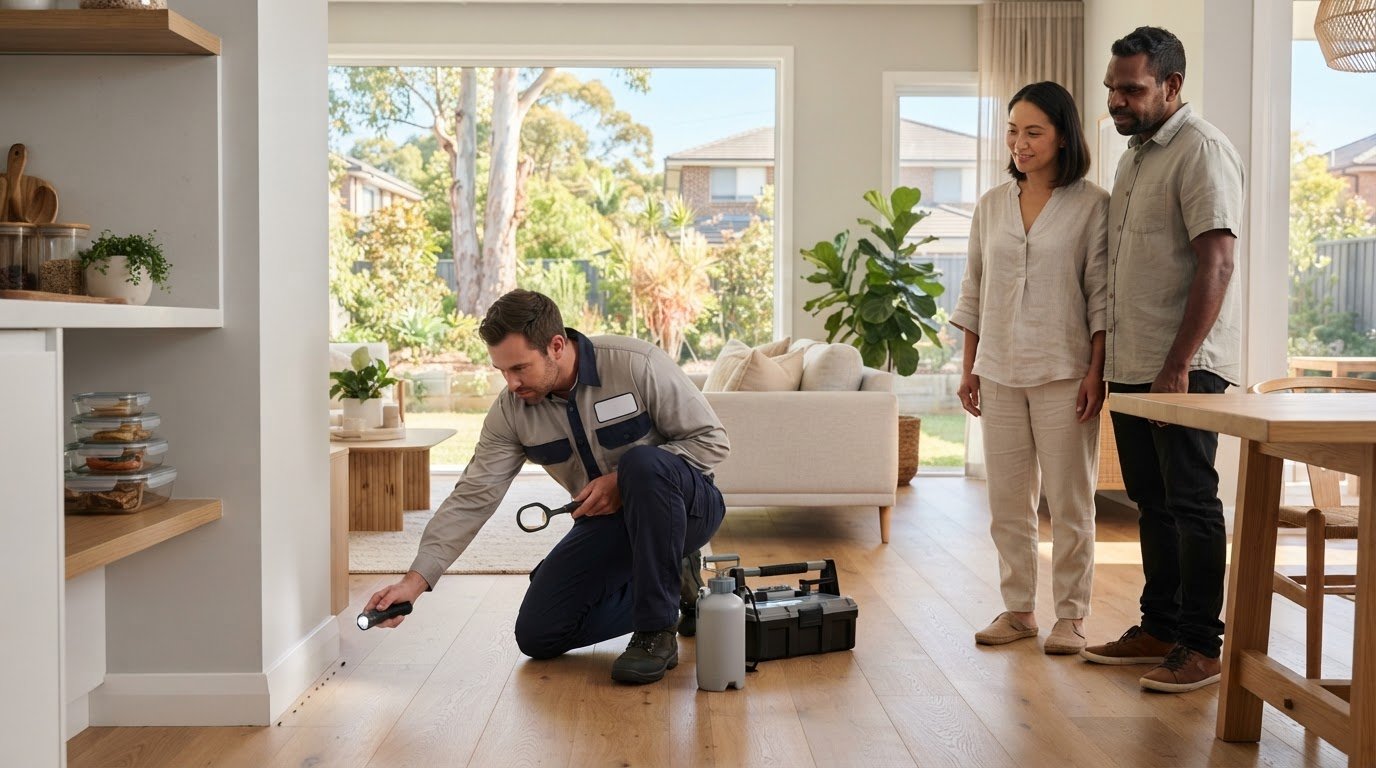
Arrange a professional assessment when signs persist, spread to other areas or appear alongside possible structural damage. It’s also sensible when the pest is difficult to identify or the evidence is unclear. An assessment can connect sightings and physical clues with an appropriate treatment plan, rather than relying on a guess. ABC Pest Control Sydney provides residential and commercial pest management across metropolitan Sydney, with more than 20 years of experience.
For broader guidance on managing a pest issue at home, Pest Control Sydney: Your Ultimate Guide to a Pest-Free Home offers useful context. Document what you observe, avoid improvised treatments and seek professional input if signs recur or remain uncertain. The article on professional pest assessment provides more information on this next step.
How ABC Pest Control Sydney Helps Identify and Manage Pest Problems
Unclear or recurring pest signs can leave you unsure what to do next. ABC Pest Control Sydney provides residential and commercial pest management across metropolitan Sydney, with more than 20 years of pest-management experience. Sharing what you’ve observed can help clarify the concern and guide a suitable next step for your property.
Consider a sighting alongside its location, timing and related physical evidence. A photo, notes about repeat activity and details about the affected area can help put the signs into context. You don’t need to be certain of the pest before seeking professional guidance.
From observed clues to a tailored pest-management approach
Pest management should respond to the concern shown by the evidence, rather than rely on a guess. A sighting in a kitchen, repeated activity near stored goods or signs around a property’s exterior each provide different context. Sharing where and when you noticed the signs can help focus attention on the issue affecting your home or business.
ABC Pest Control Sydney provides general pest control packages and specialist help for a range of common pests. If the clues suggest termites, rodents, cockroaches or spiders, the pest concern can inform the support provided. A suspected rodent issue, for example, calls for a different focus from recurring cockroach activity. The aim is to match the management approach to the concern and property, rather than assume one treatment suits every situation.
For homes and businesses seeking broader pest management, general pest control packages may be suitable. Where signs point to a specific pest, specialist services can address that concern. Keep your photos and notes available so the observed evidence and circumstances can inform the approach.
Get help with pest concerns across Sydney
Seek guidance when a pest is difficult to identify. Persistent signs, activity appearing in different areas or uncertainty about what you’ve found are all reasons for a professional assessment. A pest-management professional can consider the available clues and help determine an appropriate next step for the property.
ABC Pest Control Sydney works with residential and commercial properties across metropolitan Sydney. Its more than 20 years of experience provides a relevant foundation for assessing common pest concerns, including cockroaches, rodents, termites and spiders. The sightings and evidence help define the issue to address, since no two situations should be assumed to be identical.
Don’t let recurring or unclear signs leave you guessing. Explore pest-control help for your Sydney property with ABC Pest Control Sydney.
Take the Next Step Towards a Pest-Safer Property
Uncertainty doesn’t have to stop you acting sensibly. You don’t need to name a pest with complete certainty before deciding that a recurring or changing concern deserves attention. Consider what has changed around the property and whether the signs are affecting day-to-day use of a room, storage area or business space.
Focus on the pattern, not just the label. If activity keeps returning, spreads or leaves you unsure how to respond safely, professional guidance can help turn uncertainty into a clear plan for your property.
ABC Pest Control Sydney supports residential and commercial pest concerns across metropolitan Sydney, drawing on more than 20 years of experience and treatments for a range of common pests. Get help identifying and managing pest concerns across Sydney.
Frequently Asked Questions
How can I identify a pest in my house?
Combine the pest’s appearance with how it moves and where you notice it. For example, a small insect near a damp bathroom area calls for different checks from one found among pantry goods, but neither location identifies it alone. Note whether it appears again and whether nearby signs change. Assess several details together and keep your conclusion tentative until the clues align.
Can I identify a pest from its droppings?
Droppings can suggest pest activity, but they rarely identify the exact pest by themselves. Their appearance may be affected by age, moisture or the surface where they’re found, and other material can be mistaken for droppings. Don’t touch or sweep them up while you’re uncertain. Keep children and pets away, photograph the area from a safe distance, and note whether similar signs appear elsewhere. If you can’t interpret the evidence, seek a professional assessment.
What are the first signs of pests in a Sydney home?
Early signs can include seeing a pest, finding droppings, noticing damaged food packaging, spotting trails or hearing recurring movement in a wall or ceiling space. The clues vary by pest and property, so a sound or mark alone may have another explanation. Note when and where it occurs, and whether it happens again. A pattern, such as repeated activity near stored food, gives more context than an isolated sign.
Is one pest sighting a sign of an infestation?
No. One sighting confirms that a pest was present at that moment, but it doesn’t establish how many may be nearby or whether activity is ongoing. Consider whether you see it again, whether sightings cluster in one area and whether there are supporting signs. A single insect near an open window, for example, may mean something different from repeat sightings accompanied by fresh damage. Monitor safely and seek advice if signs persist or spread.
How do I tell rodent signs from insect damage?
Rodent concerns may involve gnawing or damage to stored items, while insects may leave trails, shed material or damage to food packaging. These categories can overlap, and a mark’s size or shape alone may not settle the cause. Check for related signs in the same area and avoid handling unfamiliar evidence. If rodent activity seems possible, the guide “Your Complete Guide to Safe & Effective Rodent Control in Sydney” provides further guidance.
Can I use a pest spray before identifying the pest?
It’s safer to understand what you’re dealing with before applying a spray. A product intended for one pest or location may not suit another, and spraying can obscure useful signs without addressing why pests are present. Read and follow the label, don’t mix products, and keep treatments away from children and pets as directed. If you’re unsure which product applies, pause and get guidance rather than guessing.
When should I call a pest controller about an unknown pest?
Seek professional help if signs keep returning, spread to new areas, involve possible property damage or remain difficult to identify. You don’t need to know the pest’s name before asking for an assessment. Share where and when you noticed activity, along with any photos or changes you’ve recorded. A pest professional can consider those details and guide a suitable response, helping you avoid treatments based on an uncertain guess.