

What if your strata committee claims pest control isn’t their problem, but you’re staring at a $3,000 extermination bill for termites in your shared walls? This exact scenario plays out across NSW strata schemes every month, leaving owners trapped between finger-pointing committees and mounting costs. The confusion around strata responsibility for pests NSW has created a legal maze that’s costing owners thousands in unnecessary disputes.
You’re not alone in feeling frustrated by the blurred lines between “common property” and “lot” boundaries when pests strike.
Key Takeaways
- Learn the exact legal framework that determines strata responsibility for pests nsw under the Strata Schemes Management Act 2015, so you know who pays before calling pest control.
- Discover the critical “source of infestation” rule that determines whether your Owners Corporation or individual lot owner covers pest treatment costs.
- Get clear guidance on specific pests like termites (almost always strata responsibility) versus cockroaches and ants (depends on breeding location).
- Master the essential documentation and notification steps to take immediately when you discover pests in your unit to protect your rights.
- Access professional strata pest management solutions that ensure compliance with Australian standards while protecting your entire building.
Understanding Strata Responsibility for Pests in NSW
In New South Wales, understanding strata responsibility for pests is crucial for both owners and tenants in strata schemes. The Strata Schemes Management Act 2015 outlines the obligations of the Owners Corporation, which plays a vital role in maintaining a pest-free environment. As of 2026, proactive pest management is not just beneficial; it’s a necessity.
The Strata Schemes Management Act 2015 Explained
Under Section 106 of the Strata Schemes Management Act 2015, the Owners Corporation has a clear duty to maintain common property, which includes the management of pests. Legal precedents in NSW have established that the Owners Corporation can be held liable for pest control if they fail to meet these maintenance obligations. It’s essential to understand that “maintenance” involves routine pest inspections and treatments, while “emergency extermination” refers to immediate action taken in response to severe infestations. The distinction is crucial for determining liability and ensuring a safe living environment for all residents.
Who is the Owners Corporation?
The Owners Corporation consists of all unit owners within a strata scheme. As an owner, you’re part of the decision-making body responsible for the communal aspects of the property, including pest control. The Strata Committee, elected by owners, plays a pivotal role in approving pest control quotes and deciding on pest management strategies.
Pest control measures are funded through strata levies, which are collected from each owner. These funds are essential for implementing building-wide pest treatments, ensuring that issues are addressed before they escalate. Ignoring pest problems can lead to significant damage and increased costs down the line, making timely action imperative.
In NSW, distinguishing between “Common Property” and private areas is also vital. The Owners Corporation is responsible for pest management in common property areas, such as gardens, hallways, and shared facilities. However, individual owners must manage pest issues within their own units. This division of responsibility can sometimes lead to confusion, but understanding your obligations is key to maintaining a healthy living environment.
As we approach 2026, the standards for pest management in strata schemes are expected to become more stringent. By adopting a proactive approach to pest control, strata schemes can protect property values and enhance the quality of life for all residents. Don’t wait until pests become a problem; understand your strata responsibility for pests in NSW today.
Common Property vs. Private Lots: Determining Liability
Understanding strata responsibility for pests in NSW requires clarity on the distinction between common property and private lots. This differentiation plays a pivotal role in determining liability for pest infestations. It often hinges on two primary factors: where your private lot ends and common property begins, and the “Source of Infestation” rule, which assesses where pests are breeding.
What Constitutes Common Property?
Common property typically includes areas that are not owned by individual lot owners but are shared among all residents. This can encompass:
- External walls, roof spaces, and shared crawl spaces
- Common gardens, foyers, and basement car parks
- Shared plumbing stacks that can act as “pest highways”
These areas are crucial because pest infestations originating here may implicate the strata in responsibility for pest control measures. If pests are breeding in shared plumbing, for example, the strata may be liable to address the issue promptly to prevent spread.
Responsibilities of the Individual Lot Owner
On the other hand, individual lot owners have specific responsibilities that can significantly influence pest management. These include:
- Maintaining cleanliness within the unit to prevent attracting vermin.
- Being liable for pests that are introduced through second-hand furniture or pets.
- Reporting pest issues promptly to prevent the spread to neighboring units.
For instance, if a tenant brings in infested furniture, that tenant may be held responsible for pest control within their unit. However, if the infestation spreads to common property areas, the strata may need to intervene.
To clearly identify these boundaries and responsibilities, it’s essential to refer to your strata plan. This plan outlines the physical layout of the property and designates what areas are considered common property versus private lots. Understanding these specifications can help residents navigate disputes and clarify their duties regarding pest management.
By recognizing the nuances of strata responsibility for pests in NSW, both individual lot owners and strata management can work together more effectively. For tailored pest control solutions, consider reaching out to ABC Pest Control for assistance.
Specific Pests and Who Pays: From Termites to Cockroaches
Understanding strata responsibility for pests in NSW is crucial for both owners and tenants. Different pests come with varying responsibilities, and knowing who pays for pest control and damage can save significant time and money.
Termite Inspections and Treatments
Termites are a major concern for any strata-managed property. In NSW, the structure of a building is considered common property, making strata responsible for termite inspections and treatments. Regular inspections are essential to comply with strata regulations. An annual termite inspection Sydney is not just a recommendation; it’s a necessity. These inspections help identify potential infestations before they cause significant damage.
When it comes to damage repairs, the strata often bears this cost. However, the responsibility for preventative measures, such as installing barriers, can vary based on the strata’s bylaws. It’s essential to review these bylaws to determine who is financially responsible for ongoing preventative treatments and any necessary repairs.
Dealing with “Unit-to-Unit” Infestations
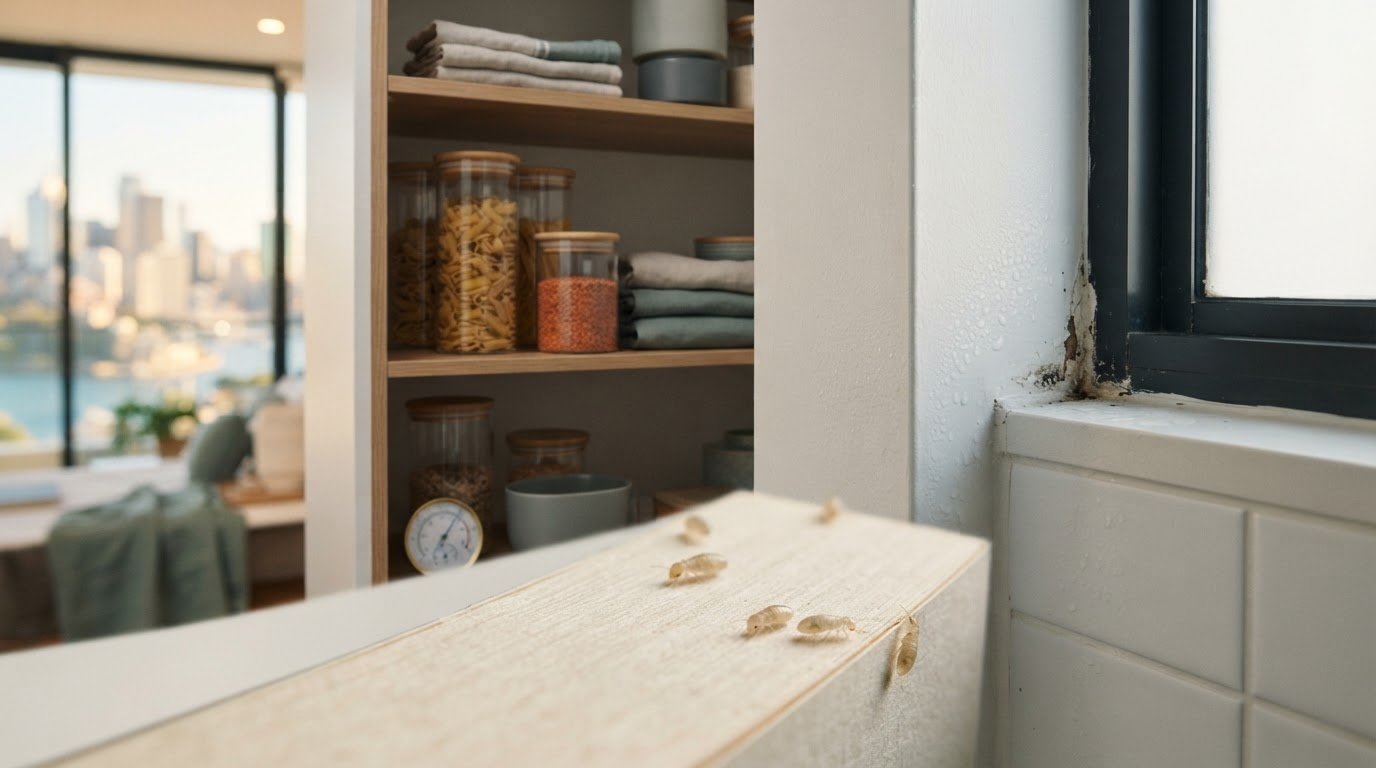
Cockroaches and ants often present a tricky situation in strata properties. For example, if German cockroaches spread through a whole floor, identifying the source can become complicated. Hygiene practices in a single unit can affect the entire building. In such cases, proving the source of the infestation is crucial for determining responsibility.
Building-wide pest control Sydney treatments are often more effective than individual units attempting to manage infestations independently. A coordinated approach ensures that all areas are treated simultaneously, reducing the chance of re-infestation and ensuring everyone’s safety.
In addition to these common pests, strata managers must also consider special cases involving wildlife. Possums and birds that make their homes within building structures can pose unique challenges. Strata responsibility for pests in these cases often involves both pest control and adherence to wildlife protection laws, which can complicate the resolution process.
Ultimately, understanding the nuances of pest responsibilities within strata properties can help avoid disputes and ensure a pest-free living environment for all residents. Knowing who pays for what not only clarifies financial responsibilities but also promotes swift action against infestations, keeping your building safe and sound.
Steps to Take When You Discover Pests in Your Strata Unit
Discovering pests in your strata unit can be distressing, but knowing how to respond can help mitigate the issue effectively. Follow these essential steps to ensure that your concern is addressed properly and in accordance with strata responsibility for pests NSW.
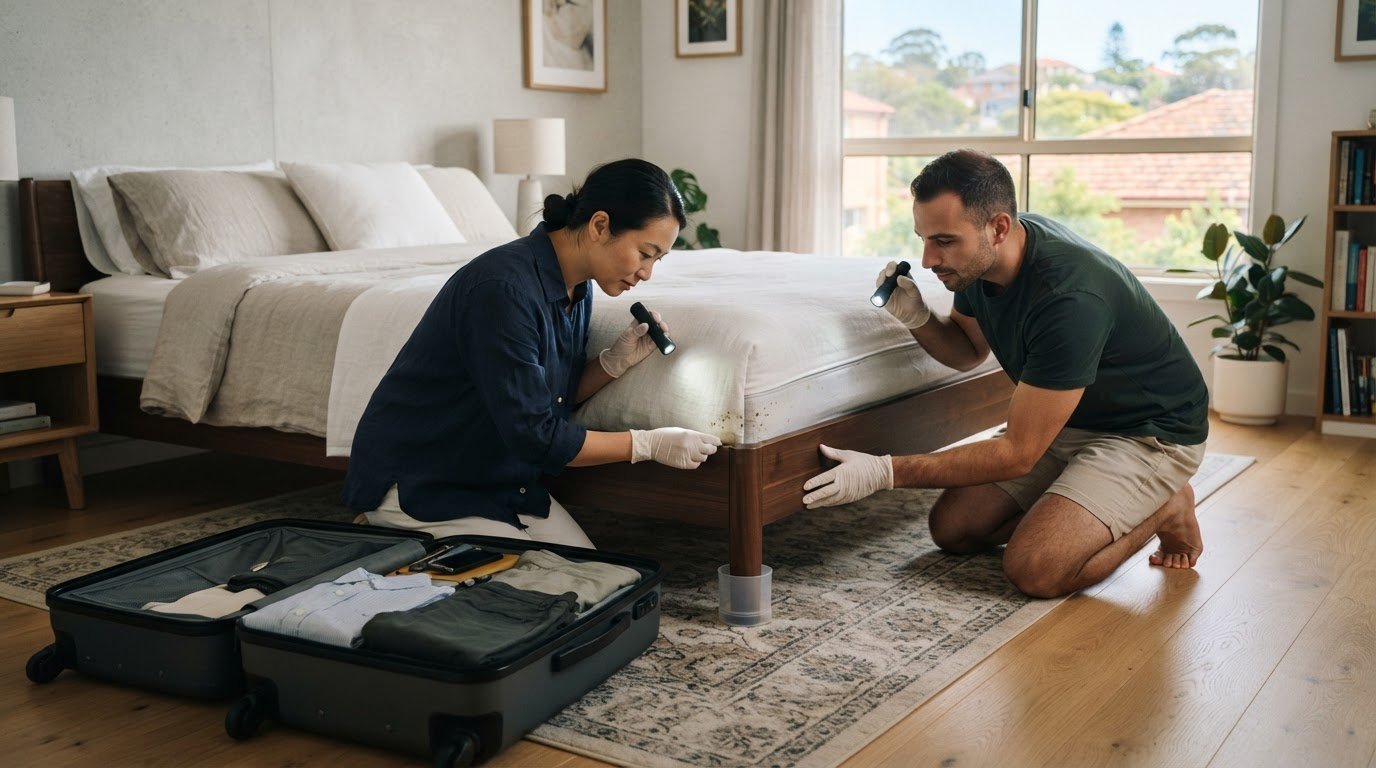
- Document the Evidence: Start by taking clear photos of the pests, noting their locations and the frequency of sightings. This evidence will be vital later.
- Notify Your Strata Manager or Secretary: Inform them in writing immediately. Provide all documented evidence to ensure your complaint is taken seriously.
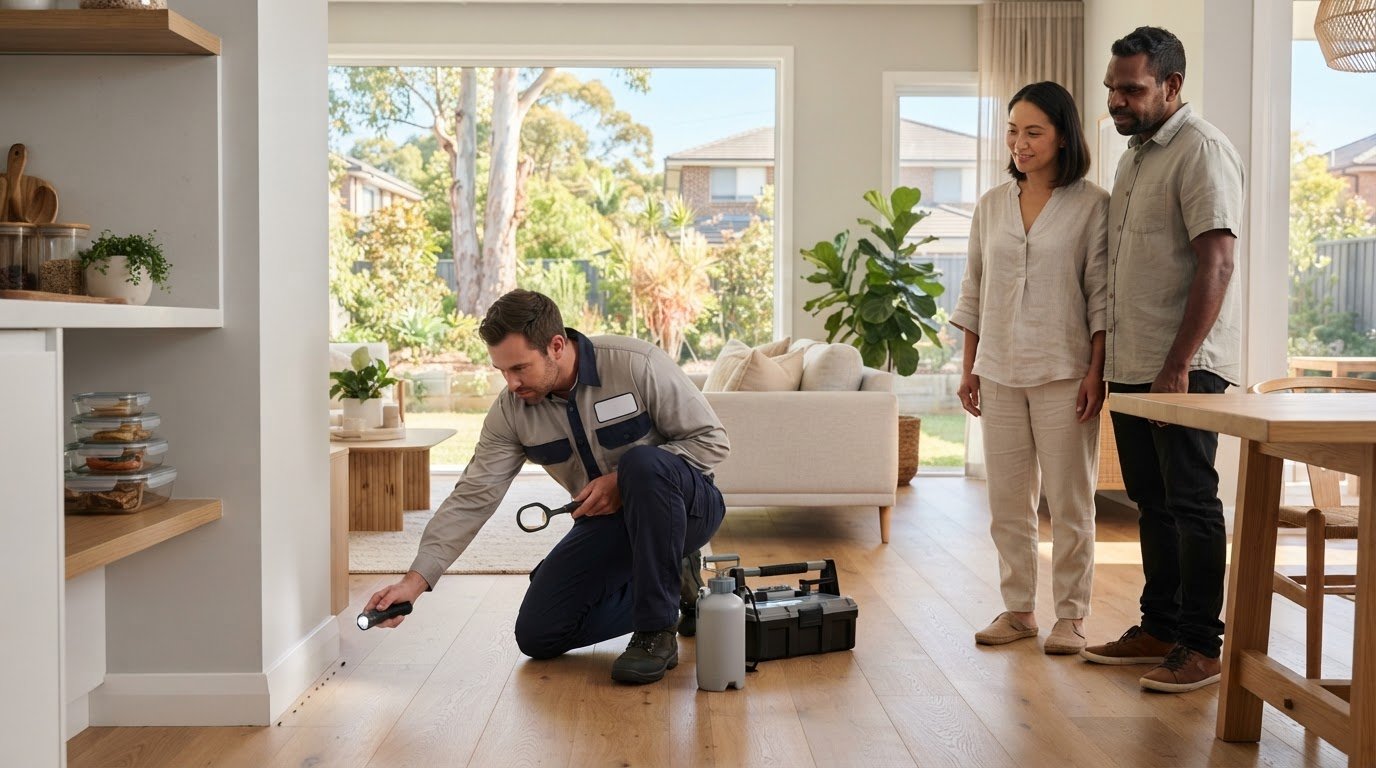
- Request a Professional Inspection: Ask for a pest control expert to inspect your unit to identify the source of the infestation.
- Review Your Strata By-Laws: Check for any pest-related clauses that outline the responsibilities of the Owners Corporation.
- Handle Disputes Efficiently: If the Owners Corporation refuses to pay for necessary treatments, know your rights and consider escalating the issue to the NSW Civil and Administrative Tribunal (NCAT).
Reporting Pests Correctly
When reporting a pest issue, using the correct terminology is crucial. Instead of a general complaint, submit a “Work Request” to prioritize your issue. This formal approach helps ensure that your request is treated with urgency. Always keep a paper trail of your communications, as this documentation may be necessary if you need to take the matter to NCAT.
Tenant vs. Landlord Responsibilities
Being proactive and informed about the strata responsibility for pests NSW can significantly affect the outcome of your pest problem. If you need immediate assistance, don’t hesitate to contact us for expert pest control solutions tailored to your needs.
Professional Strata Pest Management Solutions for Sydney
Managing pests across multi-unit strata buildings requires specialized expertise that goes beyond standard residential treatments. Professional strata pest management offers comprehensive building-wide protection that addresses the unique challenges of high-density living while ensuring
Take Control of Your Strata Pest Issues Today
Understanding strata responsibility for pests NSW
Frequently Asked Questions
Is the body corporate responsible for cockroaches inside my apartment in NSW?
The body corporate is generally responsible for managing common areas and ensuring pest control in those spaces. However, if cockroaches are found inside your individual apartment, the responsibility typically falls to the apartment owner. It’s essential to check your strata’s by-laws, as they can dictate specific pest control responsibilities for individual units.
Who pays for termite treatment in a NSW strata building?
In most cases, the body corporate is responsible for termite treatment in common areas of a strata building. However, if the infestation originates within an individual unit, the owner of that unit may need to cover treatment costs. It’s crucial to review your strata agreements and consult with your strata manager for clarity on specific situations regarding strata responsibility for pests in NSW.
Can strata enter my unit for pest inspections?
Yes, strata can enter your unit for pest inspections, but they usually need to provide notice first. Typically, the notice period is 24 to 48 hours, depending on your strata’s by-laws. It’s essential to cooperate with these inspections to help maintain a pest-free environment for all residents.
What happens if a neighbor’s unit is the source of a pest infestation?
If a neighbor’s unit is identified as the source of a pest infestation, the body corporate is usually responsible for coordinating pest control measures. They may require the affected unit owner to address the issue, especially if it violates strata regulations. Residents should report pest issues to their strata committee promptly for effective resolution.
Are rats in the roof a strata responsibility?
Yes, rats in the roof are typically considered a strata responsibility, as they often inhabit common areas and shared spaces. The body corporate is responsible for pest control measures to eliminate rats and prevent future infestations. If you notice signs of rat activity, report it to your strata manager as soon as possible.
How often should a strata building have professional pest control?
A strata building should ideally have professional pest control services conducted at least twice a year. This regular maintenance helps prevent infestations and ensures the property remains safe for all residents. Depending on the building’s specific needs and past pest issues, more frequent inspections may be necessary.
What can I do if my strata committee ignores a pest problem?
If your strata committee ignores a pest problem, first document the issue and any communications regarding it. You can raise the matter at the next strata meeting or submit a formal request for action. If the problem persists, consider seeking advice from a legal professional or a local strata advocacy group to understand your rights and options.