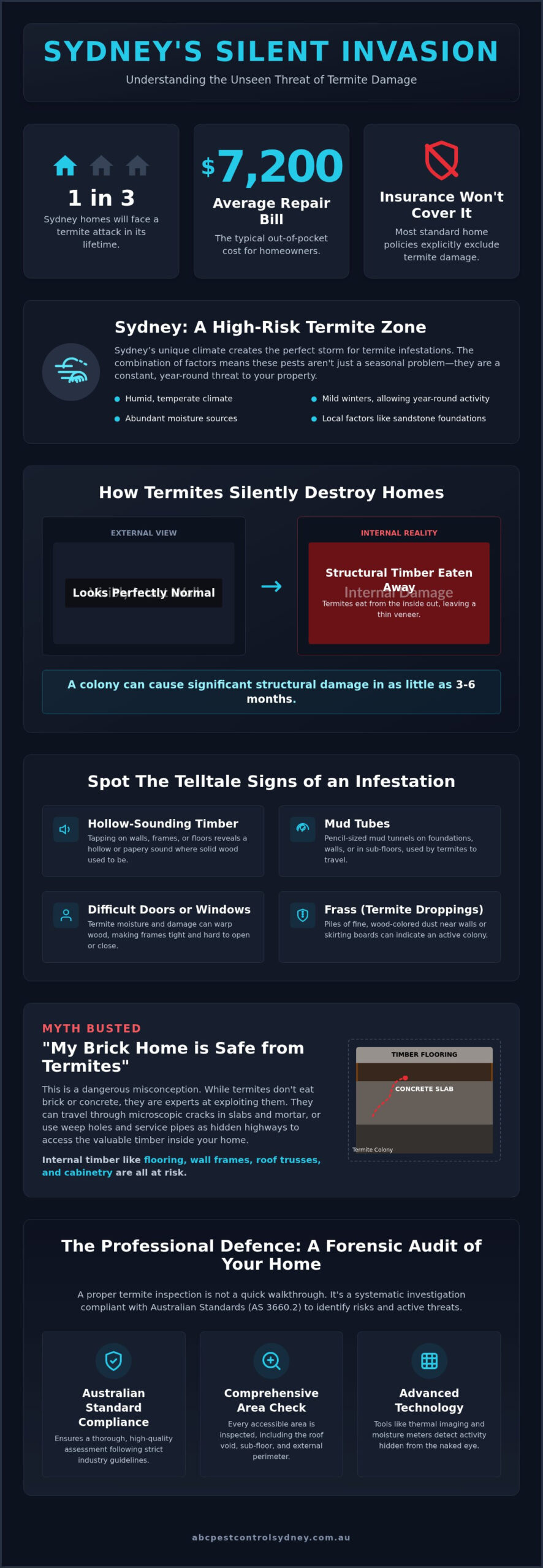
Did you know that one in three Sydney homes will face a termite attack during its lifetime? It is a staggering statistic that translates to over $1.5 billion in timber damage across Australia every single year. If you’ve noticed a suspicious soft spot on your floorboards or a strange pattern on a door frame, you’re right to feel anxious. Most standard home insurance policies won’t cover termite damage. This leaves you to face repair bills that average $7,200 out of your own pocket. Securing a professional termite damage inspection Sydney is the only way to move from uncertainty to total property security.
We understand the fear of hiring a contractor who doesn’t take your home’s integrity seriously. You need more than a quick walk-through; you need a forensic audit of your property. This article shows you how to distinguish simple wood rot from a hidden infestation and explains why expert intervention is your best defense against structural failure. We’ll preview the essential steps of a professional report, including the use of thermal imaging and compliance with Australian Standards AS3660.2. By the end, you’ll know exactly how to eradicate active colonies and implement a long-term preventative barrier to protect your investment for 2026 and beyond.
Key Takeaways
- Learn why Sydney’s humid climate creates a high-risk environment for subterranean termites and “white ants” to thrive.
- Understand the critical steps of a professional termite damage inspection Sydney to ensure every roof void and sub-floor is thoroughly assessed.
- Discover the specific warning signs, such as the “hollow sound” test, that distinguish active termite damage from simple timber decay.
- Identify how local factors like sandstone foundations and regional humidity levels impact termite movement in your specific Sydney suburb.
- See how specialized management plans compliant with Australian Standards provide the ultimate peace of mind for your home’s structural integrity.
The Hidden Threat: Why Termite Damage is a Sydney Homeowner’s Worst Nightmare
A termite damage inspection Sydney is a high-stakes, specialized search for what many locals still call “white ants.” These aren’t actually ants; they are subterranean termites, and they are the most destructive timber pests in Australia. Sydney’s humid, temperate climate provides the perfect breeding ground for these colonies to expand rapidly. Because our weather stays relatively mild, termites remain active year-round. They move fast. They are constantly searching for new moisture and food sources to support a colony that can number in the millions.
They are known as “silent destroyers” for a reason. Termites can consume the internal hardwood frame of a home in as little as three to six months. They eat from the inside out, leaving a thin veneer of paint or timber that looks perfectly normal to the untrained eye. By the time you see the damage, the structural integrity of your property is already compromised. Statistics show that 1 in 3 homes in Sydney will face a termite threat at some point. You can’t afford to assume your home is the exception.
You must understand the insurance gap. Most standard home insurance policies in NSW explicitly exclude damage caused by termites. You are essentially on your own if an infestation occurs. This makes regular professional checks a critical part of your financial planning. Gaining a deeper perspective by understanding the termite threat reveals that these insects are biological machines designed to break down wood. They don’t care if that wood is a fallen log or your home’s primary support beam. They won’t stop until the food source is gone or they are professionally eradicated.
The Financial Reality of Termite Infestations
The average cost to repair termite damage in Australia is approximately $7,200. This is a massive financial blow when you consider that a professional inspection costs a small fraction of that amount. Beyond repair bills, termites devalue your property. Sydney’s real estate market is competitive. Savvy buyers will walk away the moment a building report mentions active or past timber pest activity. Scheduling a regular termite inspection Sydney is the only way to protect your long-term equity and ensure your home remains a sellable asset.
Brick vs. Timber: No Home is 100% Safe
Don’t fall for the myth that brick or steel-framed homes are immune to infestations. Termites don’t eat brick, but they use it as a bridge. They can crawl through tiny cracks in concrete slabs or travel up through weep holes to find the timber they crave. Once inside, they target decorative timbers, flooring, and expensive cabinetry. Common entry points often include garden beds built against the house or wooden fences that connect directly to the main structure. Even if your frame is steel, your internal fittings are still at risk.
What to Expect During a Professional Termite Damage Inspection in Sydney
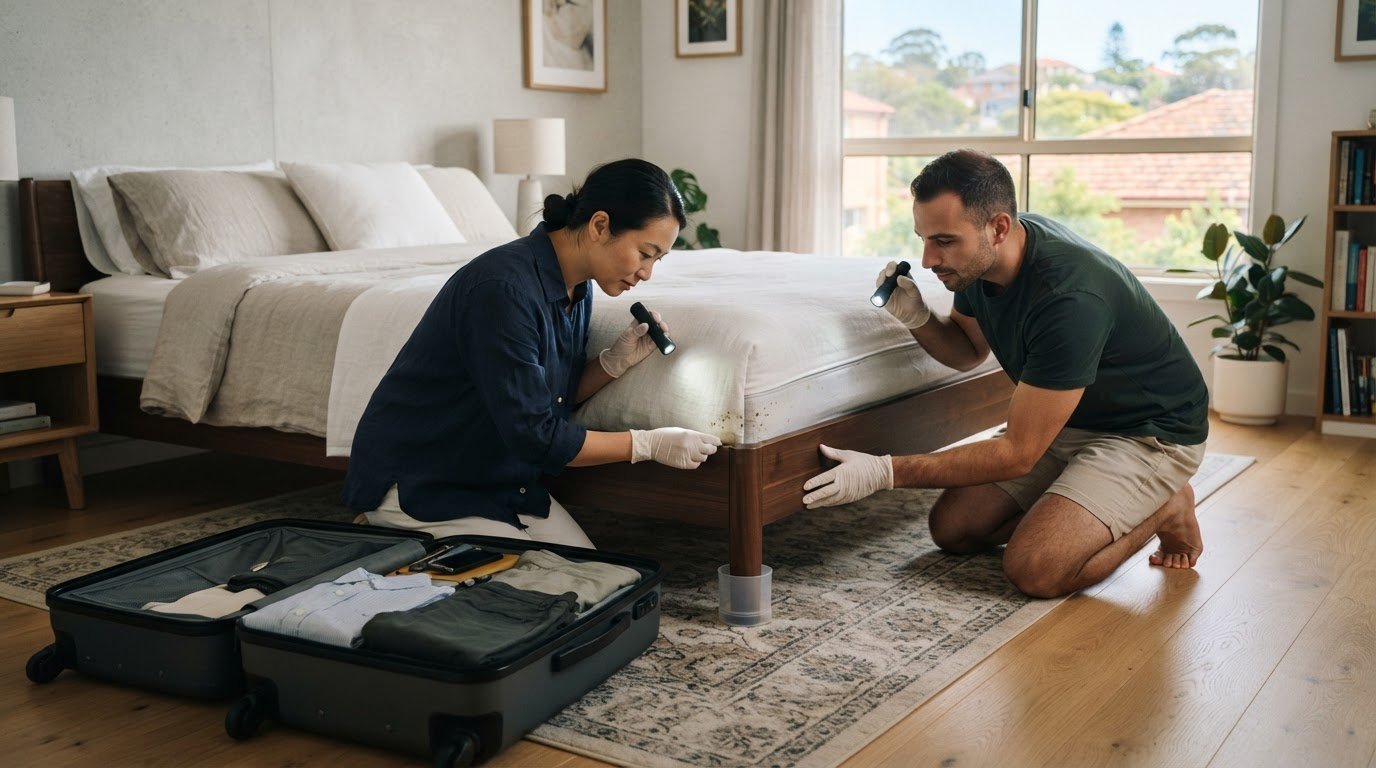
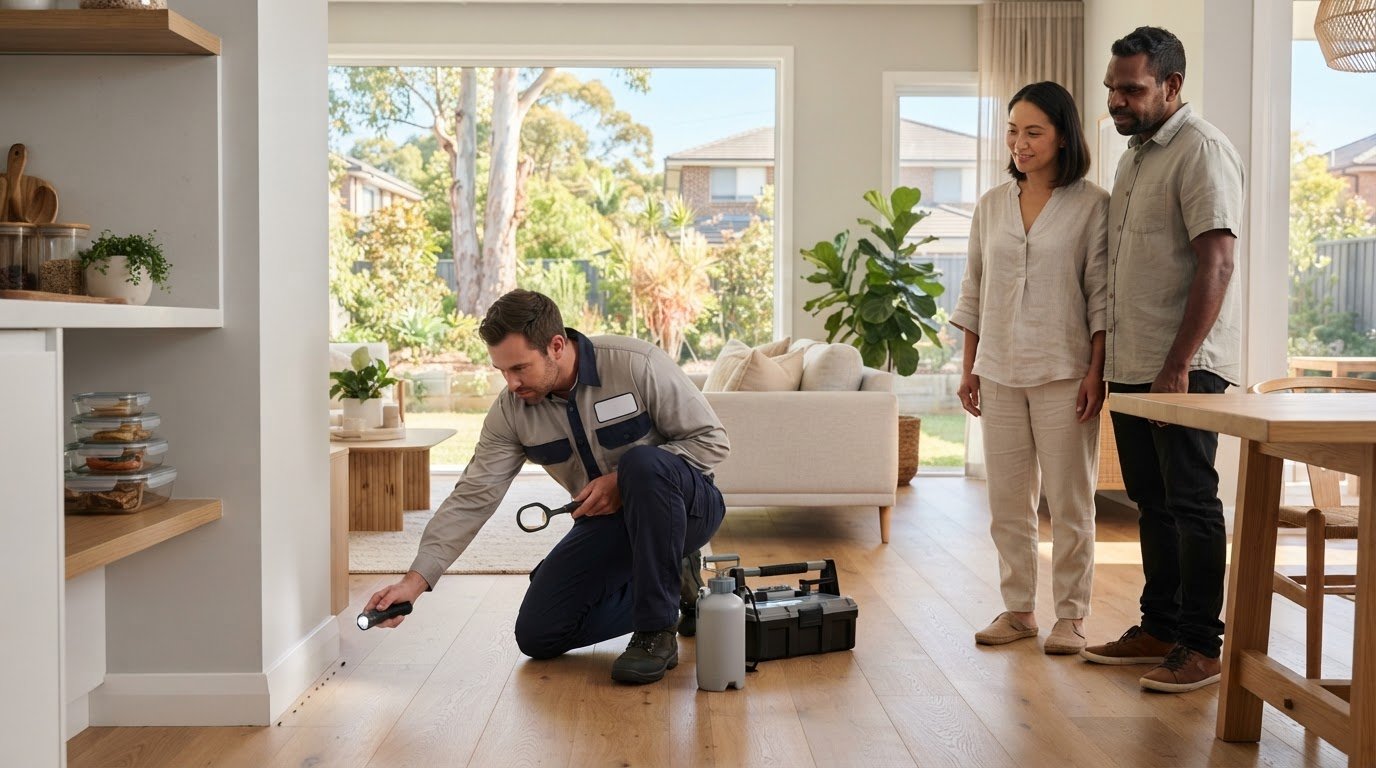
A professional termite damage inspection Sydney is a rigorous forensic audit of your home’s structural health. It is not a casual walk-through. Every inspection must strictly follow the guidelines set out in Australian Standard AS 3660.2. This ensures a consistent, high-quality assessment of your property. Our inspectors act as timber detectives; they look for the subtle biological footprints that “white ants” leave behind. A “quick look” is never enough for a reputable pest control Sydney service. We examine every accessible inch of the property, including the roof void, the sub-floor, and the external garden perimeter.
The process begins with a visual assessment of high-risk areas. Termites often enter through the most inconspicuous points, such as cracks in a concrete slab or behind garden mulch. If you suspect your home is under attack, you should book a comprehensive assessment to identify these hidden entry paths before they lead to structural failure. Our experts are trained to spot “mudding,” which termites use to stay hydrated while traveling. We also check for “frass,” a fine, wood-like dust that often signals an active colony nearby.
The Inspector’s Toolkit: Advanced Detection Technology
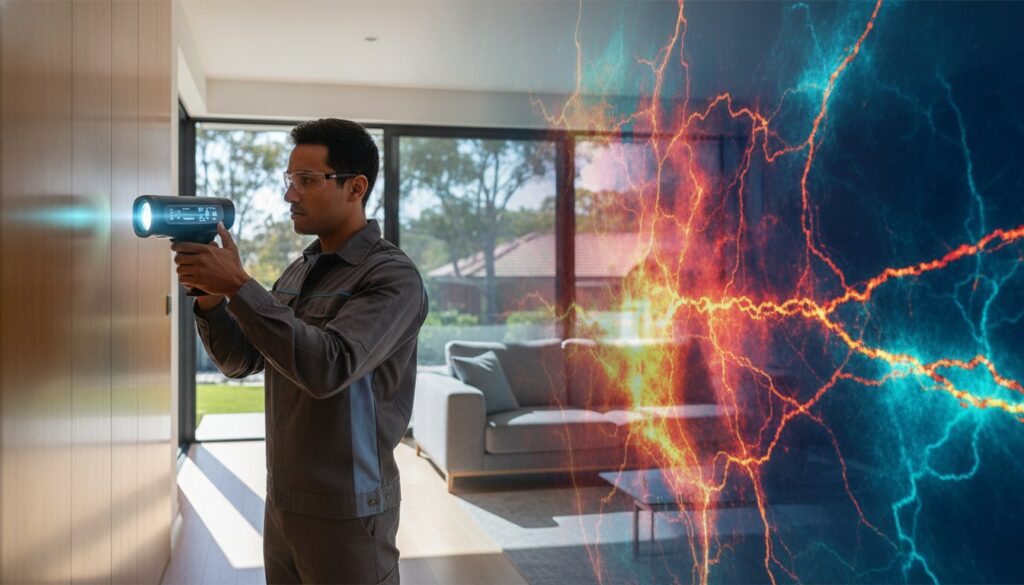
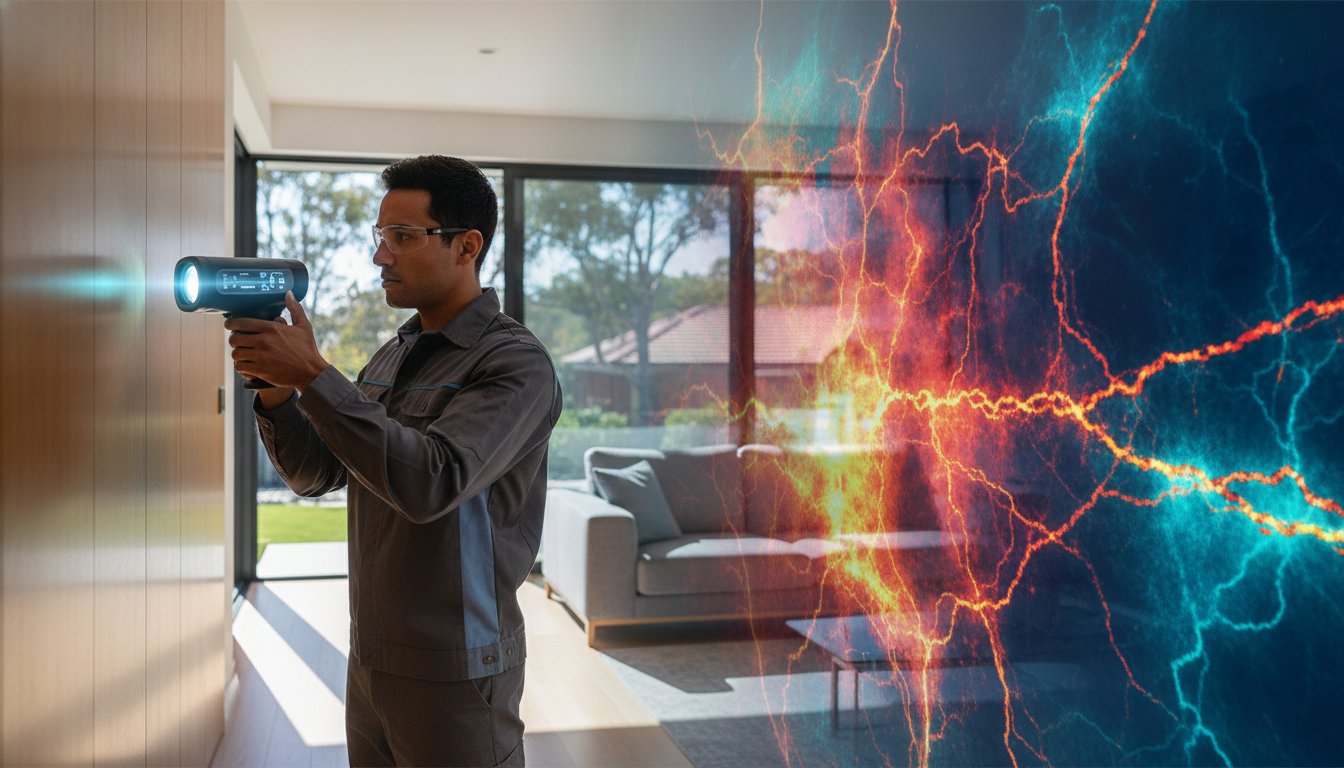
Modern technology allows us to see what the naked eye cannot. We use thermal imaging cameras to detect metabolic heat. While many people think these cameras see through walls, they actually identify the heat signatures generated by thousands of termites congregating in a single cavity. A “hot spot” on the camera often reveals an active nest hidden behind your plasterboard. We also utilize moisture meters to find damp pockets inside your walls. Termites require high humidity to survive; these meters help us pinpoint the exact locations where they are most likely to thrive. For difficult cases, acoustic listening devices pick up the “head-banging” vibrations made by soldier termites when they signal danger to the colony.
The Termite Inspection Report
Once the physical check is complete, you receive a detailed written report. This document is a vital record of your property’s safety. It must categorize active infestation areas, identify high-risk zones, and provide clear recommendations for treatment or prevention. In the high-pressure Sydney property market, a pre-purchase report is a powerful negotiation tool. If damage is found, you can use the estimated repair costs to lower the purchase price. Most inspections are visual, meaning we don’t move furniture or cut into walls. However, if we find a high-risk indicator, we may recommend an invasive inspection to confirm the extent of the hidden damage.
Recognizing the Signs: Termite Damage vs. Common Timber Decay
Distinguishing between a structural disaster and a simple maintenance issue is vital for every Sydney homeowner. You don’t want to ignore a crumbling skirting board only to find your wall studs are gone. One of the most effective ways to check your own timber is the “hollow sound” test. Use the back of a screwdriver to tap along your skirting boards, door frames, and window sills. Solid timber produces a sharp thud. If you hear a hollow, papery sound, it’s a clear sign that the interior has been hollowed out. At this point, booking a professional termite damage inspection Sydney is no longer optional; it’s an emergency.
Keep an eye on your outdoor areas too. Finding white ants in your garden, especially in old tree stumps or landscaping sleepers, is a major red flag. It proves that a mature colony is active on your property and is likely foraging toward your home. While termites are a constant threat, Sydney’s frequent rain also causes fungal wood rot in exterior weatherboards. Telling them apart requires a close look at the damage pattern and the presence of specific biological indicators.
Visual Indicators of Termite Presence
Termites are incredibly sensitive to light and air. To stay protected, they build “mud tunnels” or shelter tubes. These look like thin, earthen highways running up your brickwork or concrete foundations. If you see these, don’t knock them down; they are the primary evidence an inspector needs. You might also notice discarded wings around windowsills after a humid Sydney evening. These belong to “swarmers,” which are winged termites looking to start a new colony. Inside the home, keep a lookout for bubbling paint or sagging doors. These often indicate that termites have already reached the interior and are eating the timber behind the surface.
Termites vs. Wood Rot: A Critical Comparison
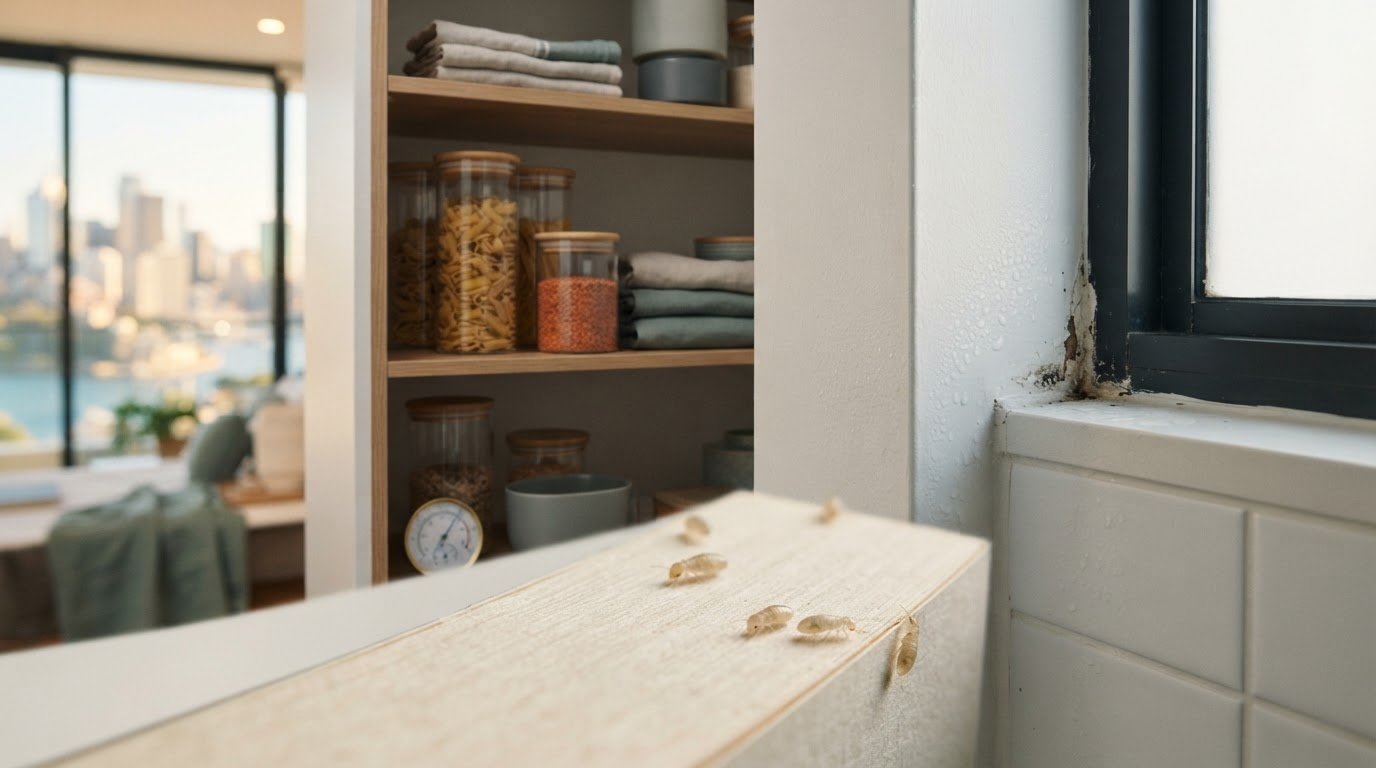
The texture of the damaged wood tells the real story. Fungal rot, common in damp Sydney sub-floors, usually feels spongy and wet. The wood may crumble into cubes or have a stringy appearance. In contrast, termite damage is brittle and layered. Termites eat the soft springwood and leave the harder summerwood, creating a distinct “gallery” effect. You might also find frass, which is termite excrement that looks like tiny, wood-colored pellets. If you suspect an infestation, never disturb the area. Spraying them with household chemicals will only cause the colony to retreat deeper into your walls, making professional eradication much harder later on.
Sydney Suburbs at Risk: Local Factors Influencing Termite Activity
Sydney’s geography dictates your level of risk. While a property in Blacktown faces different environmental pressures than one in Manly, no area is truly exempt. Western Sydney suburbs like Penrith and Blacktown experience extreme temperature shifts. These conditions drive subterranean termites deeper into the soil, where they build massive networks. In contrast, the Northern Beaches deal with constant moisture and high water tables. Both environments require a specialized termite damage inspection Sydney to account for these specific local behaviors. Our team understands how these regional factors change the way termites hunt for food.
Sydney’s famous sandstone foundations also play a role. Termites are experts at finding tiny fissures in stone and concrete. They use these cracks as protected highways to bypass external barriers. If you live in the Upper North Shore, your risk often comes from above and below. Suburbs like Turramurra and Wahroonga are famous for established gardens and ancient gum trees. These trees are natural nesting sites. Their root systems can extend far beneath your home, creating a direct “termite bridge” into your structural timbers. Recent heavy rainfall across the Sydney basin has only made the situation more urgent. Saturated ground forces colonies to migrate toward the dry, warm foundations of residential structures. You should book your local suburb-specific inspection now to ensure your home isn’t their next target.
The Coastal Humidity Factor
Living near the ocean brings unique challenges. High humidity and salt air accelerate the softening of external timbers. This makes it significantly easier for termites to penetrate window sills and door frames. Suburbs prone to high moisture, like Cronulla or Bondi, often see faster infestation rates. We recommend regular maintenance of gutters and downpipes to prevent water pooling near your foundations. Keeping your sub-floor dry is your first line of defense against a colony looking for a new home.
New Developments vs. Heritage Homes
Don’t assume a new build in the Hills District is safe. While modern homes have physical barriers, landscaping and new garden beds often breach these defenses. On the other hand, heritage-listed terraces in suburbs like Paddington or Surry Hills have shared walls and aging timber frames. These older structures often require a combined approach to pest management. We frequently recommend integrated rodent control alongside your termite checks in these areas. Rats and mice can damage electrical wiring, while termites quietly compromise the timber beams, creating a double threat to your property’s safety.
Why ABC Pest Control Sydney is the Trusted Choice for Termite Management
Choosing a provider for your termite damage inspection Sydney is a decision that affects your home’s long-term survival. You need a partner with a deep local understanding of timber pests. ABC Pest Control Sydney brings over 20 years of local experience to every property we visit. We don’t just look for bugs; we conduct a forensic audit of your entire structure. Our “no-stone-unturned” approach ensures that even the most resilient colonies are identified before they cause structural failure. We specialize in difficult cases that other providers might miss, positioning us as the seasoned authority you can rely on.
For property owners and developers who want to ensure their projects adhere to the highest standards of quality and structural reliability, you can discover PK Services, a firm dedicated to redefining excellence within the Australian construction industry.
Safety is our priority. We use eco-friendly and family-safe treatments to protect your loved ones and the environment. You don’t have to choose between a pest-free home and a healthy living space. Our comprehensive pest control packages provide a total solution for your property. By bundling services, you ensure that every potential threat is addressed in one visit. This efficiency respects your time and your budget while providing the highest level of security.
This commitment to safety and protection is shared by other industry leaders; for instance, Putney Insurance Group provides essential security industry insurance australia for firms dedicated to safeguarding people and assets across the country.
Total Protection Strategies
Once our inspection is complete, we move immediately from detection to protection. We design custom chemical barriers and baiting systems tailored to your property’s specific layout and risk factors. These systems create a long-term preventative shield around your foundations. We also establish ongoing monitoring programmes to ensure termites never have a second chance to attack. Always choose a licensed and insured local professional. Our strict compliance with Australian Standards AS3660.2 provides the peace of mind you deserve when protecting your largest investment.
Booking Your 2026 Termite Inspection
We’ve streamlined our booking process for busy Sydney residents. You can secure a technician quickly through our modern digital platform, ensuring a fast response to your concerns. Before our technician arrives, please ensure we have clear access to your sub-floor manhole and roof void. Move any stored items away from external walls to allow for a thorough check of the perimeter. This preparation allows us to work efficiently and provide the most accurate report possible.
Don’t wait for a visible sign of damage to act. The risks of delay are too high for your home’s structural integrity and your financial security. Take control of your property’s safety right now. Secure your home’s future and protect your equity by booking your professional inspection today.
Secure Your Sydney Home Against Hidden Threats
Your home is likely your most significant asset. In Sydney’s humid environment, it’s also a constant target for silent destroyers. We’ve explored how subterranean termites exploit local factors like sandstone foundations and coastal moisture to enter your property undetected. Telling the difference between simple wood rot and a high-risk infestation requires specialized training. Without a regular termite damage inspection Sydney, you risk facing massive, uninsurable repair bills that could have been easily avoided with early detection.
ABC Pest Control Sydney provides the expert intervention you need to secure your property’s future. Our team brings over 20 years of local experience to every job. We deliver AS3660.2 compliant reports that provide a forensic view of your home’s structural health. We prioritize your family’s safety by using eco-friendly and safe treatments. Don’t leave your investment to chance. Book Your Expert Termite Inspection with ABC Pest Control Sydney Today to ensure your property remains safe and structurally sound. You’ve worked hard for your home; let us help you protect it.
Frequently Asked Questions
Does a standard pest spray include a termite inspection?
No, a standard pest spray doesn’t include a termite damage inspection Sydney. General treatments target surface-dwelling insects like cockroaches, spiders, and ants. Termite management is a much more complex process that involves checking the internal structural timbers of your property. It requires specialized tools and a separate, detailed report to ensure your home’s integrity is protected from subterranean threats. Don’t assume a general spray covers your structural safety.
How often should I have a termite damage inspection in Sydney?
You should schedule a professional inspection at least once every 12 months. Australian Standard AS 3660.2 recommends annual checks for most properties. However, if you live in a high-risk zone near bushland or have a history of infestations, we suggest an inspection every six months. Sydney’s warm climate allows colonies to grow rapidly; therefore, regular monitoring is your best defense against structural failure.
Is termite damage covered by my home insurance policy?
No, almost all standard home insurance policies in Australia exclude damage caused by termites. Insurers view termite activity as a preventable maintenance issue rather than an accidental event. This means you are personally responsible for all repair costs, which average around $7,200. Investing in a professional termite damage inspection Sydney is the only way to avoid these massive, uninsurable financial losses.
How long does a professional termite inspection take?
A thorough professional inspection typically takes between 1.5 and 2 hours for a standard-sized home. The duration depends on the size of your property and the ease of access to critical areas. Our technicians need time to crawl through sub-floors, check roof voids, and examine the external perimeter. We never rush the process because a single missed entry point can lead to significant structural issues.
What is the difference between white ants and termites?
There is no difference; they are the same insect. “White ants” is a common Australian term for termites, but it’s biologically inaccurate. Termites are actually more closely related to cockroaches than ants. While they may look like pale ants, their behavior is far more destructive. Identifying them correctly is the first step toward effective eradication and long-term property safety. Don’t be fooled by the name.
Can I perform my own termite inspection using a DIY kit?
You can buy DIY kits, but they aren’t a substitute for a professional audit. Homeowners often miss subtle signs of activity hidden behind walls or beneath floorboards. Professionals use advanced tools like thermal imaging cameras and moisture meters to find what the naked eye cannot see. Relying on a DIY approach can give you a false sense of security while hidden damage continues to escalate.
What happens if the inspector finds active termites in my home?
If active termites are found, the most important rule is to leave them alone. Don’t spray them with household chemicals or disturb their mud tunnels. This will only cause the colony to retreat and relocate elsewhere in your home. Our inspector will provide an immediate treatment plan, likely involving a baiting system or a chemical barrier, to eliminate the queen and the entire nest for good.
Are the chemicals used in termite treatments safe for my pets?
Yes, our termite treatments are safe for your pets and family when applied by our licensed technicians. We prioritize eco-friendly and safe extermination methods that target the specific biology of termites without leaving harmful residues. We’ll provide clear instructions on when your pets can return to treated areas. Your peace of mind and the safety of your household are always our primary concerns.