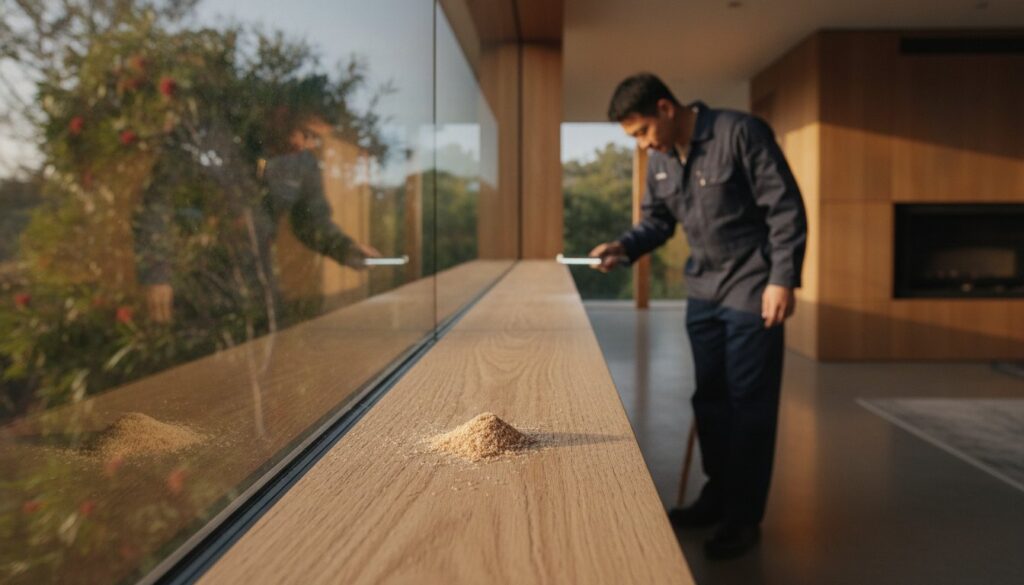
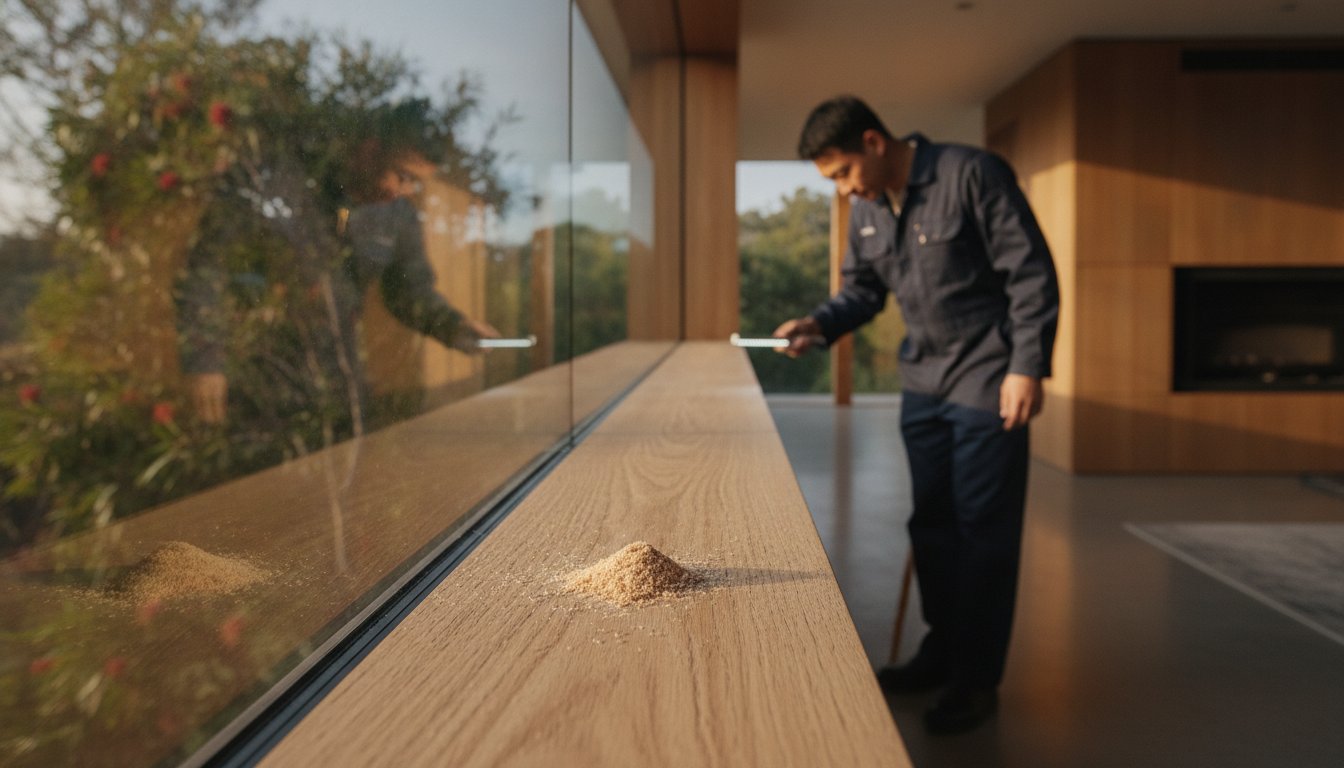
Did you know that timber pests cause over $1.5 billion in property damage across Australia every year? This figure actually outpaces the destruction caused by bushfires, floods, and storms combined. It’s a staggering reality for many homeowners. If you’ve just discovered a mysterious mound of debris on your windowsill, the anxiety is real. You’re likely asking yourself what pest leaves sawdust-like piles and whether your home’s structural integrity is already at risk. Finding wood shavings shouldn’t be ignored; it’s a forensic fingerprint that tells a specific story about what’s happening inside your walls.
We understand the confusion and fear that comes with a potential infestation. You want to protect your family and your investment without resorting to harsh, toxic chemicals. This guide provides the definitive answers you need to identify the exact insect behind the mess. We’ll examine the differences between carpenter ant frass, borer dust, and termite activity. By the end of this article, you’ll understand the level of urgency required and have a clear, professional plan to stop the damage before it spreads. Expert intervention is about peace of mind and long-term safety for your Sydney home.
Key Takeaways
- Distinguish between harmless construction debris and “frass” to accurately identify the wood-destroying intruder in your home.
- Find out exactly what pest leaves sawdust-like piles by examining whether the debris texture is fibrous, granular, or powdery.
- Recognize critical warning signs like sticking windows or hollow timber that signal an immediate need for professional intervention.
- Learn how specialized termite inspections and eco-friendly treatment packages protect your property’s value and your family’s safety.
- Understand why Australian insurance policies typically exclude timber pest damage, making early identification your best financial defense.
Sawdust or Pest Frass? Identifying Mysterious Piles in Your Sydney Home
Finding a pile of wood shavings on your floor or windowsill is a major red flag. Most homeowners initially assume it’s left over from a recent renovation or a DIY project. However, if you haven’t been using a saw lately, you’re likely looking at the work of Wood-Destroying Organisms (WDOs). These pests are silent destroyers that compromise the structural integrity of your property from the inside out. Understanding what pest leaves sawdust-like piles is the first step toward saving your home from expensive repairs.
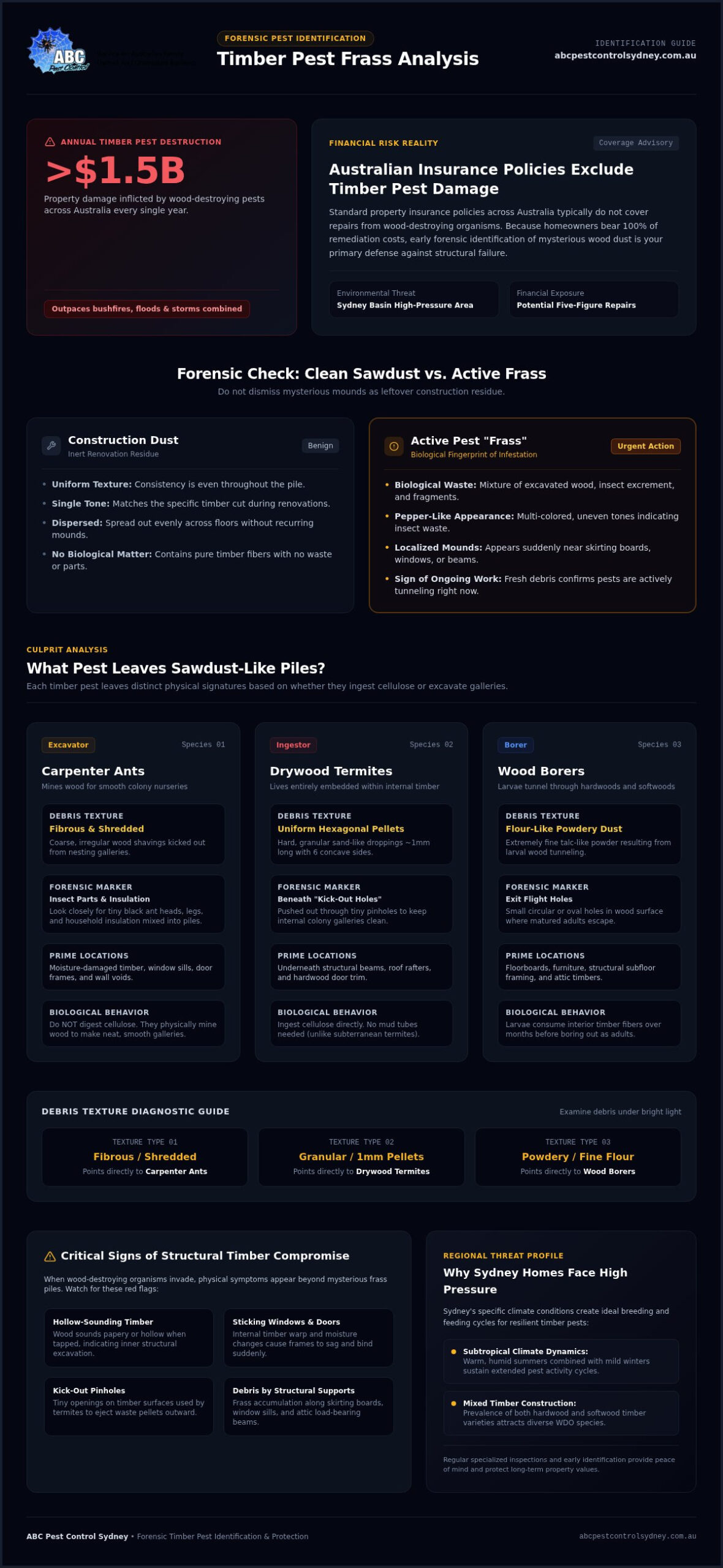
There is a clear difference between “clean” sawdust and pest debris. Construction dust is usually uniform in color and texture. In contrast, pest-related piles are often localized and appear suddenly near skirting boards, window frames, or attic beams. These piles aren’t just wood; they are a forensic trail left by insects actively hollowing out your timber. If you see these mounds near structural supports, the situation is urgent. Delaying action allows the infestation to spread deeper into the frame of your house.
What is Frass? The Difference Between Dust and Droppings
In the pest control industry, we call these mysterious piles “frass.” Frass is a mixture of wood fragments, insect excrement, and sometimes discarded body parts. Unlike simple sawdust, frass often has a multi-colored or “pepper-like” appearance. This is because it contains biological waste alongside the excavated wood. For instance, understanding carpenter ant nesting behavior and frass reveals that these ants don’t actually eat the wood. Instead, they kick out shavings to create smooth galleries for their colony. The presence of fresh frass is a definitive sign of an active, ongoing infestation. It means the pests are currently working behind your walls.
Why Sydney Homes are Particularly Vulnerable
Sydney’s unique climate creates a high-pressure environment for timber pests. Our warm, humid summers and mild winters provide the perfect breeding ground for resilient species. Many local homes feature a mix of hardwood and softwood timbers that are highly attractive to these organisms. Because of this high risk, a professional termite inspection Sydney is a standard necessity for property maintenance. In New South Wales, the speed at which certain species can inflict structural damage is alarming. Professional monitoring ensures that a small pile of dust doesn’t turn into a five-figure repair bill. Regular checks are your best defense against the environmental pressures of the Sydney basin.
The 3 Main Culprits: Carpenter Ants, Termites, and Wood Borers
Identifying what pest leaves sawdust-like piles requires a close look at the debris. Not all “dust” is created equal. Each wood-destroying insect leaves a unique forensic trail based on how they interact with your home’s timber. While some pests eat the wood, others simply excavate it to build their nurseries. Recognizing these differences is the key to choosing the right treatment and stopping structural damage before it becomes a financial nightmare.
Carpenter Ants: The ‘Shredded’ Look
Carpenter ants are among the most common culprits in Sydney. Unlike termites, these ants don’t actually digest cellulose. They are “neat” excavators that mine through wood to create smooth nesting galleries. Because they don’t eat the material, they must physically remove it. This results in “frass” that looks like coarse, shredded wood shavings. You will often find these piles near moisture-damaged timber, window sills, or door frames. A tell-tale sign of carpenter ants is the presence of insect fragments within the pile. Look closely for tiny black ant heads, legs, or bits of household insulation mixed in with the shavings.
Drywood Termites: The ‘Pellet’ Producers
Drywood termites are distinct from the more common subterranean species. While subterranean termites use mud tubes for travel, drywood termites live entirely inside the wood. They are famous for producing small, hard fecal pellets called frass. These pellets are incredibly uniform in size, usually about 1mm long, and feature a hexagonal shape with six concave sides. Homeowners often find these “sand-like” mounds beneath “kick-out holes.” These are tiny openings where the termites push waste out of their galleries to keep their living space clean. When distinguishing wood borer frass from termite pellets, look for this specific granular texture and uniform shape.
Powder Post Beetles: The ‘Flour’ Makers
If the debris in your home looks like fine talcum powder or flour, you likely have a wood borer infestation. Powder post beetles target the sapwood of hardwood timbers. As the larvae feed on the wood, they create a very fine, powdery residue. You might notice this dust accumulating directly below tiny, circular exit holes that look like pinpricks. These pests are notorious for attacking hardwood flooring, skirting boards, and even antique furniture. If you suspect these borers are active, our General Pest Control Packages provide a comprehensive shield for your property.
Finally, don’t overlook carpenter bees if you find large, coarse piles outdoors. These bees drill perfectly circular holes into decks, pergolas, and eaves. Their sawdust is usually much coarser than ant frass and is typically found on the ground directly below the entry point. Identifying these specific markers allows you to act with precision and protect your home’s value.
Clues in the Pile: Analyzing Texture, Colour, and Location
To determine what pest leaves sawdust-like piles in your home, you must look beyond the surface. The physical characteristics of the debris act as a forensic signature. These piles, while appearing similar at a distance, vary significantly in texture, colour, and volume. Small “salt shaker” amounts might indicate a localized issue, while large, accumulating heaps suggest a mature colony that has been active for months. Paying attention to these details helps you understand the severity of the threat.
- Coarse and Stringy: This texture is typical of carpenter ants or carpenter bees. It looks like actual wood shavings from a pencil sharpener.
- Fine and Powdery: If the dust looks like flour, you are likely identifying powderpost beetle damage. The larvae create this “talcum” dust as they feed.
- Granular: Hard, seed-like pellets that feel gritty are the trademark of drywood termites.
Colour also provides a vital clue. Fresh, light-coloured wood shavings indicate current, active excavation. Darker, aged, or multi-coloured debris might suggest an older infestation or waste that has been mixed with soil and moisture. Always note where the pile is located. Debris found hanging from a ceiling joist or stuck to a wall usually points to a different species than a pile found resting on a sub-floor. The location often reveals the hidden entry point of the colony.
The Tactile Test: How the Debris Feels
Perform a simple “pinch test” to confirm your suspicions. Always wear protective gloves before touching any pest waste. Take a small amount of the debris and rub it between your thumb and forefinger. If the material feels gritty and rolls easily, it is almost certainly termite frass. This is a major red flag for your home’s structural health. Conversely, if the debris feels like damp, clumped sawdust, you likely have a moisture problem that is attracting pests. Moisture-damaged wood is a magnet for wood-destroying organisms. Identifying these tactile differences allows you to communicate more effectively with your technician.
Mapping the Source: Where the Dust Falls
Once you find a pile, look directly above it. Use a high-powered torch to inspect the timber for “kick-out” or exit holes. These tiny openings are where the insects eject their waste. In Sydney homes, common hotspots include sub-floors, roof voids, and internal timber framing. Piles found near electrical outlets or skirting boards are particularly concerning. These areas often hide hollowed-out cavities that compromise your home’s wiring and support. If you discover debris in these critical zones, you need immediate pest control Sydney attention. Do not sweep the evidence away. Leave the pile intact for professional analysis to ensure an accurate diagnosis.
Beyond the Dust: Other Warning Signs of Wood-Destroying Pests
While identifying what pest leaves sawdust-like piles is a vital first step, many of Sydney’s most destructive intruders leave no visible debris at all. These organisms operate within the dark, protected cavities of your home’s structure. By the time a homeowner notices a pile of shavings, the internal damage is often already significant. You must remain vigilant for secondary indicators that suggest your timber is under attack from within. Professional intervention is the only way to confirm the extent of the activity before it compromises your safety.
Start by conducting a simple “tap test” throughout your property. Use the handle of a heavy screwdriver to tap against skirting boards, door frames, and exposed beams. Healthy wood produces a solid, dull thud. If the timber sounds hollow or paper-thin, it’s a clear sign that the interior has been excavated. Other physical changes include doors or windows that suddenly start to stick. While many blame Sydney’s humidity for tight-fitting frames, this often indicates structural shifting caused by weakened supports. Look for “spongy” floorboards or bubbling paintwork; these signs often mimic water damage but actually indicate pests hollowing out the material directly behind the surface. In quiet moments, you might even hear a faint clicking sound. This is the noise of soldier termites tapping their heads against the wood to signal danger to the rest of the colony.
Mud Tubes vs. Sawdust Piles
It’s a common misconception that all wood pests leave dust. Subterranean termites, the most destructive species in the Sydney metropolitan area, actually use mud to protect themselves. They build intricate mud shelter tubes to travel between the soil and your home’s timber. If you see mud-like tracks alongside sawdust, you likely have multiple infestations occurring simultaneously. This is a high-risk scenario that requires expert intervention to prevent total structural failure. For a deeper look at identifying these “silent” threats, refer to our white ants guide. Understanding the difference between a mud tube and a sawdust pile can save you thousands in structural repairs.
The Danger of ‘Quiet’ Damage
In many ways, finding a sawdust pile is a lucky discovery. It means the pest has revealed its presence. The real danger lies in the “quiet” damage caused by species that leave the exterior of a beam looking perfectly intact while the core is completely consumed. These insects can hollow out a structural support until it’s nothing more than a thin veneer of paint and wood grain. By the time you see dust or physical sagging, the colony is usually well-established and has been feeding for months. Don’t wait for the floor to sink or a beam to crack. If you’ve spotted any of these red flags, schedule your professional inspection to secure your home’s future and restore your peace of mind.
Professional Solutions: How ABC Pest Control Sydney Protects Your Property
When you discover what pest leaves sawdust-like piles in your home, you need more than a quick fix. You need a definitive resolution. ABC Pest Control Sydney brings over 20 years of local experience to every property we protect. We perform every timber pest inspection in strict accordance with Australian Standard AS 3660. This ensures your home receives a level of scrutiny that meets national regulatory benchmarks. Our approach prioritizes your family’s safety while delivering aggressive, reliable results against wood-destroying organisms.
We understand that finding signs of an infestation is a high-stress situation. Our team focuses on mitigating that anxiety through professional, eco-friendly intervention. We don’t just treat the symptoms; we identify the root cause of the activity. By combining technical training with a deep understanding of Sydney’s unique environmental pressures, we provide a shield for your most valuable investment. Trusting a seasoned authority is the only way to ensure your home’s structural integrity remains intact for the long term.
Our Specialized Inspection Process
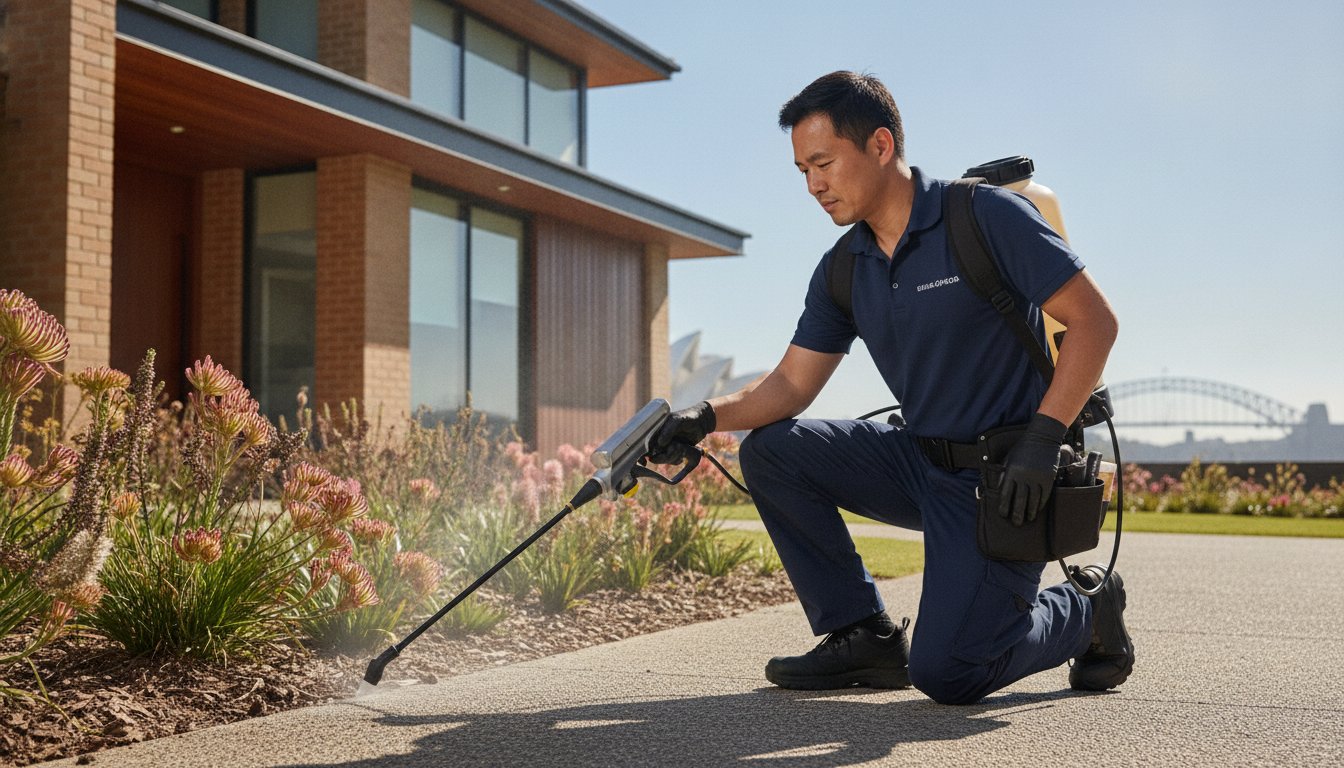
A simple visual check is rarely enough to find a hidden colony. Our technicians use advanced diagnostic tools, including thermal imaging cameras and moisture meters, to detect activity deep inside your wall cavities. We look for “conducive conditions” that attract pests, such as leaking pipes, poor sub-floor ventilation, or garden beds that sit too high against your brickwork. Don’t attempt a DIY “spray and pray” approach with hardware store chemicals. These products often act as a repellent, driving the insects deeper into the structure and making the infestation far more difficult to eradicate. Our professional methodology ensures we find the source of the dust without making the problem worse.
Safe and Effective Treatment Options
We utilize modern, non-repellent termiticides and targeted baiting systems that are highly effective against resilient pests. These solutions are specifically chosen because they are eco-friendly and safe for Sydney families and pets. If you’re dealing with more than just wood pests, our General Pest Control Packages offer a comprehensive solution. These bundles provide coverage for up to 15 different pests, including the carpenter ants and beetles often responsible for mysterious debris. We also specialize in the installation of preventative barriers to provide a permanent line of defense against future attacks.
Don’t wait for the dust to settle. Every day of delay allows a colony to expand its galleries and weaken your timber supports. Secure your peace of mind and restore your home’s safety with a team that has been protecting the Sydney metropolitan area for two decades. Book your expert inspection today and stop the damage before it spreads any further.
Take Action to Protect Your Sydney Home Today
Identifying what pest leaves sawdust-like piles is the first step in defending your property from structural failure. Whether you’ve found the coarse shavings of carpenter ants or the gritty pellets of drywood termites, these signs demand immediate attention. Remember that visible debris is often just the tip of the iceberg; hidden damage can hollow out your home’s core while the exterior looks perfect. Don’t let a small mound of dust turn into a massive repair bill that your insurance policy won’t cover.
ABC Pest Control Sydney brings over 20 years of experience to every inspection. Our AS 3660 compliant methodology ensures a thorough analysis of your home’s safety and structural health. We prioritize peace of mind by using eco-friendly treatment methods that are safe for your family and pets. Stop the damage before it spreads further into your timber framing. Protect your home from wood-destroying pests and schedule an inspection with ABC Pest Control Sydney today! Your home is your most valuable asset; we are here to help you keep it secure and pest-free.
Frequently Asked Questions
Is sawdust a sign of termites or ants?
Sawdust is most often a sign of carpenter ants or wood borers rather than subterranean termites. While subterranean termites build mud tubes, carpenter ants excavate wood to create galleries and leave fibrous shavings behind. If you see granular pellets, you’re likely dealing with drywood termites. Determining what pest leaves sawdust-like piles requires looking at the texture. Don’t assume it’s just a cleaning issue; it’s a sign of structural activity.
What does termite frass look like compared to wood-borer dust?
Termite frass from drywood species consists of hard, uniform pellets that are roughly 1mm in length and feature six concave sides. In contrast, wood-borer dust has a much finer consistency, often resembling talcum powder or flour. You’ll find this fine dust directly beneath tiny pinholes in hardwood. Distinguishing between these two is critical because the treatment methods for beetles and termites are completely different and require specialized expertise.
Can I just vacuum up the sawdust and ignore it?
You should never just vacuum up the debris and ignore it. Removing the pile destroys the forensic evidence a technician needs to identify the specific species attacking your home. Ignoring the problem gives the infestation more time to hollow out your structural beams. This leads to much higher repair costs later. Leave the mound exactly where you found it until a professional can perform a detailed timber inspection.
How do I tell if the sawdust pile is from an active infestation?
To determine if an infestation is active, clear a small area of the debris and monitor it for new accumulations over 24 hours. If more shavings appear, the insects are currently excavating your timber. Fresh debris usually looks bright and matches the color of new wood. Older, inactive piles often appear dark, clumped, or covered in dust and cobwebs. Active colonies require immediate professional intervention to stop further structural loss.
What should I do if I find sawdust near my window sills?
If you find debris near your window sills, contact a professional immediately to inspect the surrounding frame. This specific location is a hotspot for carpenter ants and drywood termites because window joints often trap moisture. Moisture-damaged wood is significantly easier for these pests to tunnel through. Identifying what pest leaves sawdust-like piles in these areas is vital for protecting the envelope of your home from water ingress and structural decay.
Are Carpenter Ants as dangerous to a home as termites?
Carpenter ants are extremely destructive, though they typically work slower than aggressive termite species. They don’t eat the wood but hollow out large sections to build their nests. Over several years, a large colony can compromise the integrity of wall studs and roof rafters. While termites are the primary threat in Sydney, carpenter ants still cause thousands of dollars in damage if they aren’t professionally eradicated by experienced technicians.
How much does it cost to treat wood-destroying pests in Sydney?
Treatment costs in the Sydney metropolitan area depend entirely on the extent of the infestation and the specific pest involved. A localized carpenter ant treatment is generally different from a full-scale termite barrier installation. Every home is unique, so we recommend a professional assessment to determine the right solution for your property. Professional inspections follow AS 3660 standards to ensure you receive an accurate diagnosis and a tailored treatment plan.
Will a general pest spray kill the bugs leaving sawdust piles?
A standard general pest spray is usually ineffective against wood-destroying insects living inside the timber. Surface treatments don’t reach the queen or the core of the colony hidden behind your walls. Effective eradication requires specialized methods like non-repellent termiticides, dusts, or baiting systems that the insects carry back to their nest. Our specialized packages are designed to penetrate these hidden areas and provide a total resolution for your problem.