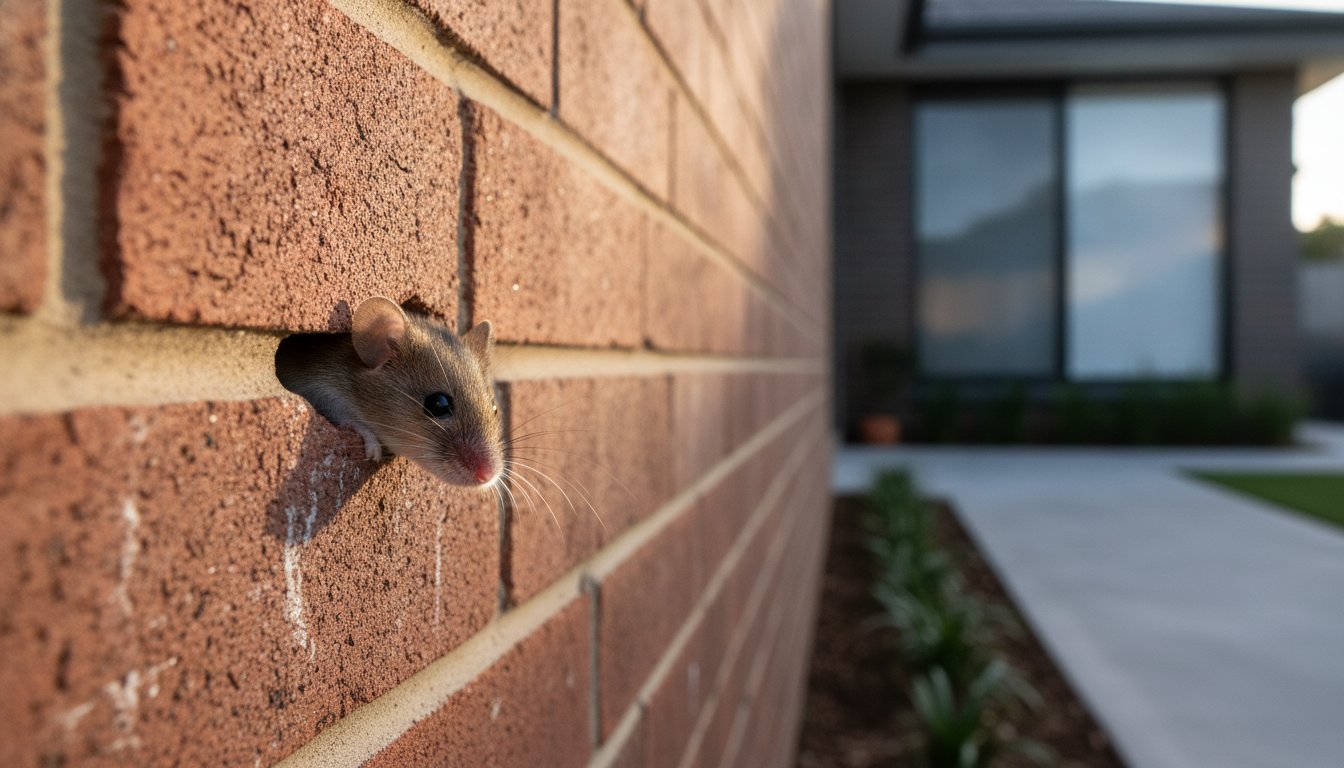
Did you know a house mouse can squeeze through a gap no wider than a 10-cent coin? If you are lying awake at night listening to scratching behind the plaster, you aren’t alone. Sydney is currently ranked as the most pest-prone capital city in Australia, and homeowners are often left wondering how do mice get into the house when every door and window is tightly shut. It’s a stressful situation that puts your family’s health and your home’s electrical safety at immediate risk.
We understand the frustration of failed DIY traps and the anxiety that comes with food contamination. You deserve a home that feels like a sanctuary, not a nesting ground. This article reveals the hidden vulnerabilities, from weep holes to pipe penetrations, that rodents exploit to bypass your defenses. You’ll discover professional exclusion tactics and learn how to seal your property effectively to prevent future invasions for good.
We will examine the “6mm rule,” the impact of recent 2026 rodenticide regulations in New South Wales, and provide a clear guide on securing your roof and foundations. By the end, you’ll have the expert knowledge needed to reclaim your peace of mind and protect your family from these resilient intruders.
Key Takeaways
- Learn the pencil test to identify gaps as small as 6mm that allow mice to compress their bodies and enter your property.
- Discover how do mice get into the house through mandatory architectural features like weep holes and roof ridges that homeowners often overlook.
- Understand the vertical climbing and jumping abilities of house mice that turn your exterior walls and kitchen counters into easy targets.
- Identify which materials, such as steel wool and copper mesh, effectively block rodents and which common DIY fixes like expanding foam fail every time.
- Recognize the seasonal triggers and scent trails that turn a single mouse sighting into a full-scale family invasion during Sydney’s colder months.
The 6mm Rule: Understanding How Mice Access Sydney Homes
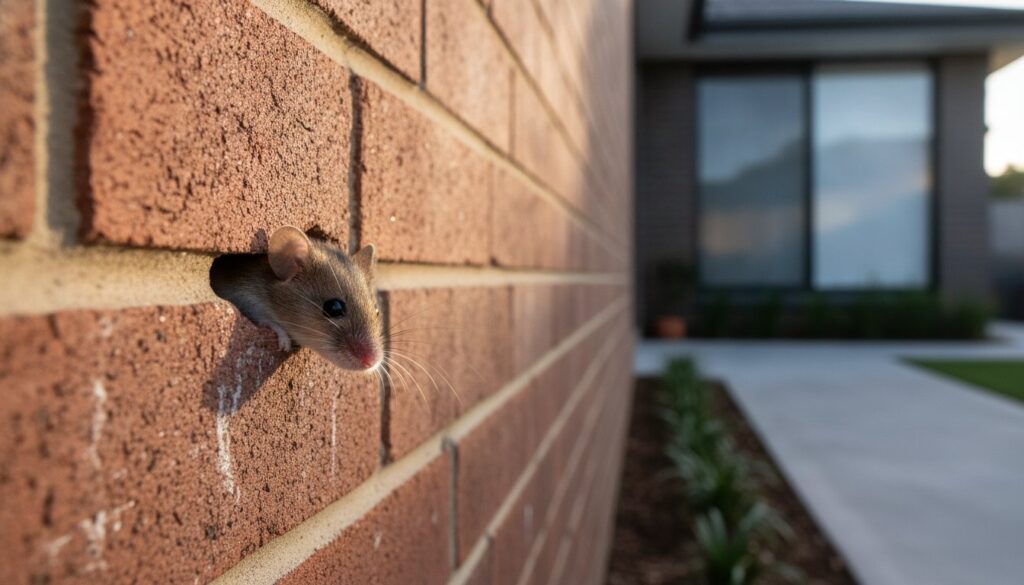
Stop looking for giant holes in your brickwork. One of the most frequent questions we hear from frustrated residents is: how do mice get into the house when everything seems sealed? The answer lies in the “6mm rule.” If you can slide a standard HB pencil into a gap or crack, a mouse can almost certainly squeeze through it. These rodents don’t require large openings; they are masters of exploiting the smallest structural flaws in Sydney properties.
Mice typically follow the path of least resistance. They prefer gaps that are already present rather than gnawing new ones. A single “scout” mouse usually finds the entry point first, seeking warmth or a reliable food source. Once they’ve successfully navigated a gap, they leave a pheromone trail behind. This scent acts as a biological GPS for the rest of the colony, turning a one-off intruder into a full-scale invasion within days. The Surprising Physical Abilities of House Mice allow them to compress their internal organs and rib cages to match the diameter of their skull, making them far more versatile than their size suggests.
The Anatomy of a Mouse Entry
A mouse’s whiskers are its most vital sensors during an entry attempt. They use these highly sensitive hairs to gauge the width of a gap in total darkness. If the whiskers don’t touch the sides, the mouse knows it can pass through instantly. The only true rigid barrier to their entry is the skull. Because their skeletal structure is remarkably flexible, they can flatten their bodies to navigate spaces that seem impossible to the human eye. A juvenile house mouse only needs a 6mm to 8mm gap to gain access, which is roughly the thickness of a slim smartphone.
Why Your Perimeter Inspection Often Fails
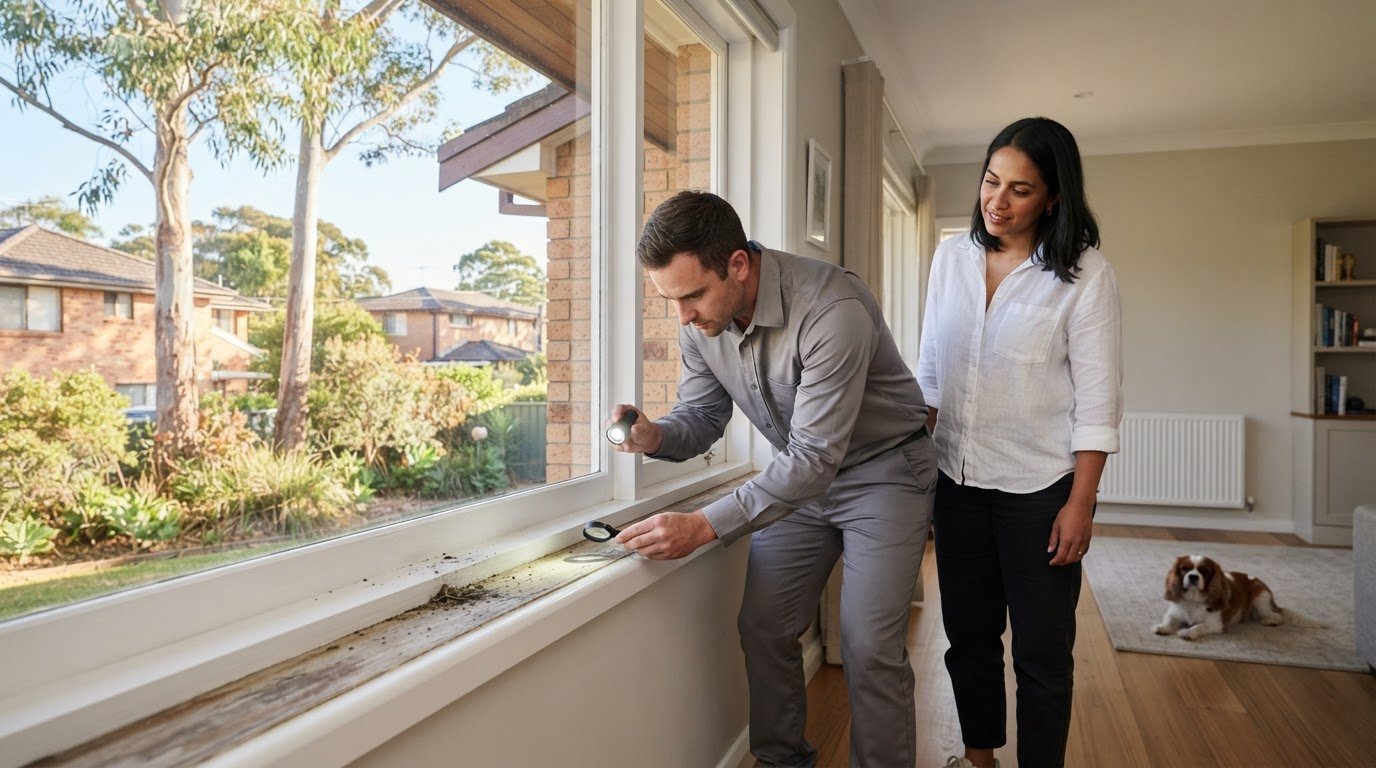
Most homeowners fail to spot entry points because they look at the house from a human perspective. We tend to inspect areas at eye level, such as door frames and window latches. Mice, however, are looking at the ground level and the roofline. Identifying exactly how do mice get into the house requires a specialized eye for “hidden” gaps. These are often tucked behind decorative siding, under bottom plates, or where the wall meets the foundation. Many Sydney homes also have gaps behind wooden trim that look like solid barriers but actually lead directly into the wall cavity.
Exclusion is the primary defense strategy that involves permanently sealing every identified gap to deny rodents access to your home.
- Ground Level: Check for gaps where utility pipes enter the brickwork.
- Roofline: Inspect the junction between the gutters and the fascia board.
- Foundations: Look for hairline cracks that have widened over time due to soil movement.
The 5 Most Common Entry Points in Australian Architecture
Sydney’s diverse architecture, from heritage terraces in the Inner West to modern brick veneers in the Hills District, provides unique opportunities for rodents. Understanding how do mice get into the house requires looking at the structural features required by Australian building standards. These features often serve as unintended highways for pests. Identifying these specific breach points is the first step toward a rodent-free home.
Weep Holes and External Vents
Weep holes are essential for moisture drainage and ventilation in brick veneer homes. Unfortunately, they are the perfect size for a juvenile mouse. Never plug these with cement or mortar. Doing so traps moisture, leading to rising damp or timber rot. Instead, install specialized stainless steel weep hole covers. These allow airflow while blocking entry. For older Sydney cottages, check the external foundation vents. Over time, the original copper or steel mesh can rust or tear, leaving a wide-open door for a colony to move in.
Roof Ridges and Overhanging Trees
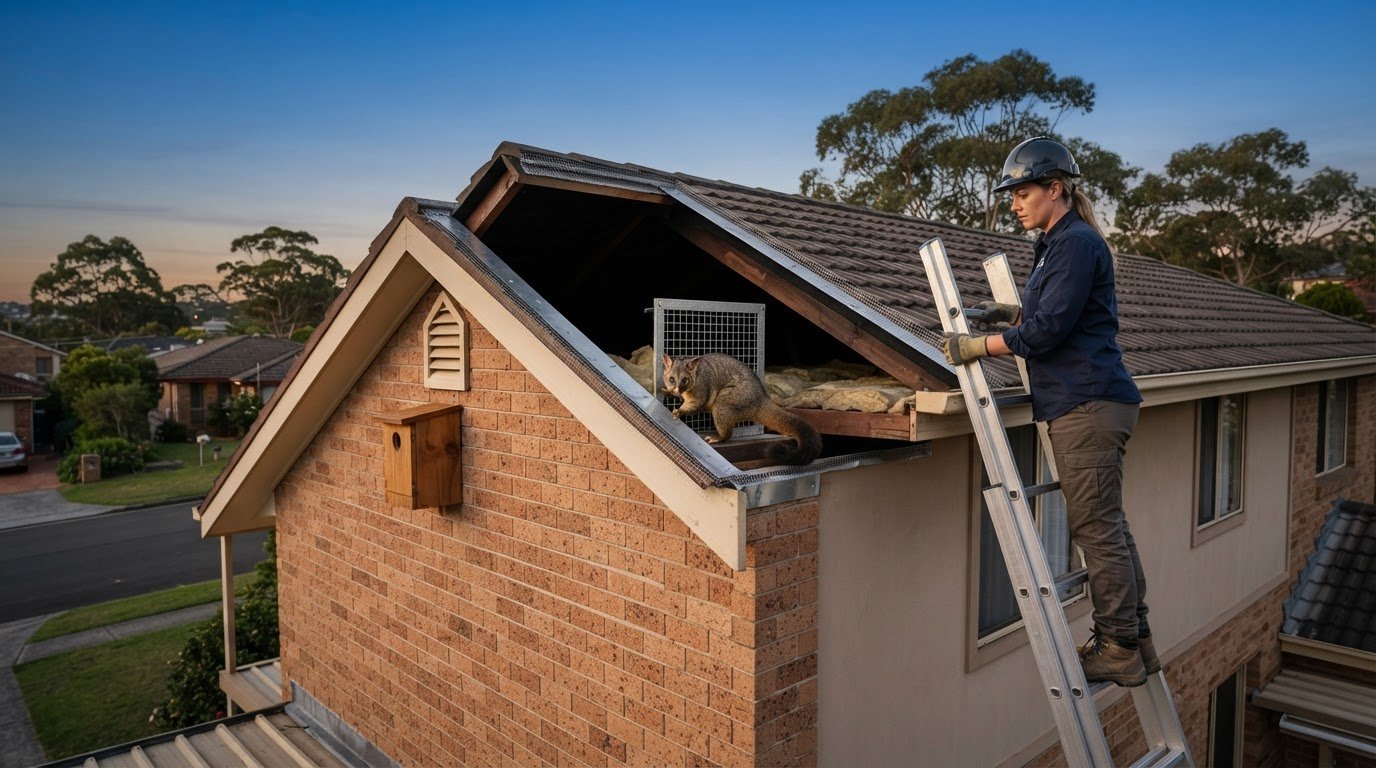
Mice are exceptional athletes. The surprising physical abilities of house mice allow them to scale vertical brick walls and leap onto low-hanging branches. If a tree touches your roof, it acts as a bridge. Once on the roof, they exploit gaps in the valley joins of tiled roofs or small openings under the eaves. Inspect your fascia boards for any signs of rot or warping, as these provide easy access to the warm attic space where they love to nest during the cooler months.
Subfloor Access and Pipe Penetrations
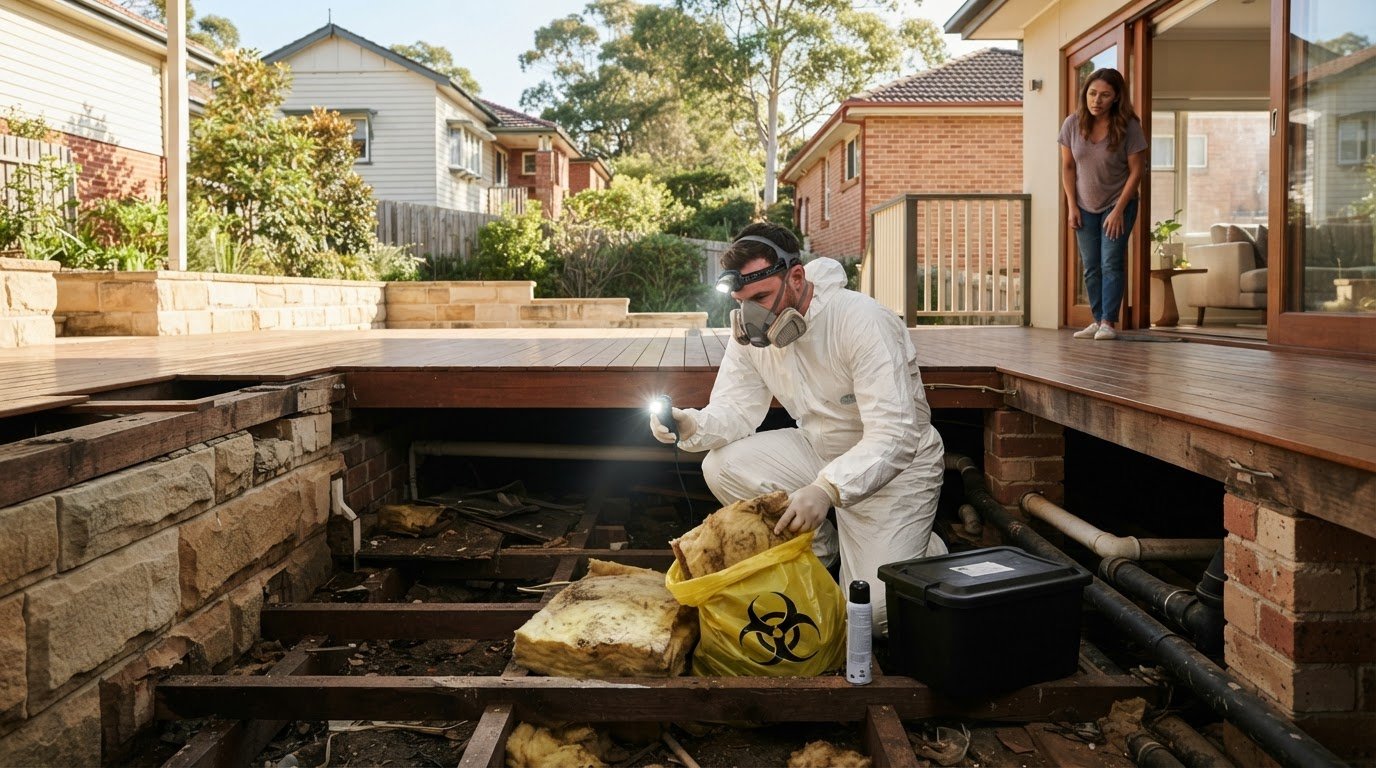
Utility penetrations are arguably the most overlooked entry points. When plumbers or electricians run lines for your kitchen sink or air conditioning, they often leave a gap around the pipe. Mice use these gaps to move from the subfloor into your wall cavities. Look for “rub marks,” which are dark, greasy stains caused by the oils in a mouse’s fur as they squeeze through tight spots. Identifying these trails is key to determining exactly how do mice get into the house. If you find these signs, our General Pest Control Packages can help identify every hidden breach before the damage becomes costly.
- Kitchen Sinks: Check the cabinetry where the plumbing enters the floor or wall.
- Air Conditioning Lines: Inspect the external wall where refrigerant pipes enter the building.
- Electrical Boxes: Ensure the housing for your external power meters is tightly sealed against the brickwork.

Why Mice Choose Your Home: Drivers of Infestation in NSW
Your home is an island of warmth and resources in a competitive environment. While structural gaps explain the physical path, understanding how do mice get into the house also requires looking at the environmental triggers specific to New South Wales. In Sydney, rodent activity typically peaks as the thermometer drops in late autumn. This “Great Indoors” migration is a survival tactic that turns local properties into prime targets for scavenging colonies seeking thermal stability.
Once a single scout identifies a reliable entry point, it’s never just one mouse for long. They leave behind microscopic urine trails that act as a chemical map for their family. This persistent scent ensures that even if you catch the first intruder, the rest of the colony knows exactly where the vulnerability lies. If your property offers easy access to food and shelter, these scent trails become permanent highways that are difficult to disrupt without professional intervention.
Seeking Shelter from Sydney’s Seasonal Shifts
Heavy rain is a major driver of infestations in Greater Sydney. When flash flooding or prolonged wet weather saturates the soil, ground-dwelling mice are forced to seek higher, drier ground. Urban development also plays a massive role. If there is new construction or a major renovation in your street, the vibrations and habitat destruction will push displaced rodents into established, quiet homes nearby. Inside, they gravitate toward constant heat sources. You will often find nests behind hot water systems or tucked near the warm motors of kitchen appliances.
Garden debris provides the perfect “harbourage” or hiding spot. Piles of firewood, thick mulch, or overgrown shrubs stacked against the house foundation allow mice to scout your walls while remaining hidden from predators. Keep your perimeter clear. A 30cm “no-go zone” of gravel or bare ground around your home’s base can significantly reduce the chances of a mouse finding a way inside.
Food Sources You Didn’t Know You Were Providing
Inside the pantry, don’t rely on original packaging. Mice can chew through cardboard and thin plastic in seconds to reach grains and cereals. Professional rodent control starts with sanitation and removing these easy wins. By storing all dry goods in glass or heavy-duty plastic containers, you remove the primary incentive for the colony to stay.
Debunking Myths: The Surprising Physical Abilities of House Mice
Mice are elite structural athletes. When residents ask how do mice get into the house, they often assume a ground-level opening is the only culprit. This is a dangerous misconception. A house mouse can jump vertically up to 30cm. This allows them to leap from the floor directly onto your kitchen benches or laundry tubs without needing a ramp or a “bridge.” Their teeth are equally impressive. On the Mohs scale of mineral hardness, mouse incisors rank at approximately 5.5. This makes them harder than lead, copper, and even some types of soft steel. They don’t just find holes; they can widen existing ones by gnawing through PVC pipes and timber framing.
While it sounds like an urban legend, mice are also capable swimmers. They can hold their breath for up to three minutes. While rats are more famous for “toilet entries,” mice can navigate through floor drains and sewer lines if they sense a path toward food or warmth. They are relentless explorers that use every physical advantage to infiltrate your living space.
Can Mice Really Climb Vertical Walls?
Rough surfaces are no match for a mouse’s specialized claws. They scale vertical brickwork, textured render, and wooden fence posts with ease. Their tail acts as a crucial balancing tool, allowing them to shift their center of gravity while climbing. In many Sydney suburbs, downpipes are a major vulnerability. Mice grip the edges of metal or plastic downpipes to reach the gutters, bypassing your ground-level defenses entirely. To ensure your roofline is properly maintained and free of debris that might harbor pests, you can learn more about Gutter Wiz and their professional exterior cleaning services. Smooth surfaces like glass or polished metal are the only real deterrents. However, even a thin layer of dust on these surfaces can provide enough traction for a determined rodent to gain a foothold.
The Acrobatics of an Infestation
Don’t assume your second storey is out of reach. Mice are known to “chimney” their way up through wall cavities. By bracing their backs against one surface and their feet against another, they walk vertically between two closely spaced walls or wall studs. They also use overhead power lines and telecommunications cables as tightropes to bridge the gap between trees and your roof. This is why a second-storey bedroom often shows signs of activity before the ground floor does. They are masters of using the three-dimensional space of your home’s exterior.
If you suspect rodents have already bypassed your defenses, don’t wait for them to cause permanent electrical damage or contaminate your food. Contact ABC Pest Control Sydney to identify and seal these high-level entry points before the colony grows.
Securing Your Perimeter: DIY Exclusion vs. Professional Rodent Control
Identifying a gap is only half the battle. If you use the wrong materials to seal your home, you are simply providing the colony with a new chew toy. Many homeowners assume that “sealing the house” is a simple weekend task, but rodents are persistent. They will test every repair you make. To stop them for good, you must use materials that can withstand the Mohs hardness of their teeth and the relentless pressure of a hungry colony.
One of the most common mistakes in Sydney is using expanding foam to block gaps. While it is easy to apply, expanding foam is soft and porous. A mouse can shred through a foam-filled hole in less than sixty seconds. Similarly, plastic mesh and thin timber strips are ineffective barriers. When considering how do mice get into the house, remember that they are looking for any weakness. If the material can be scratched or gnawed, it will not hold. True exclusion requires industrial-grade materials that provide a physical and sensory deterrent.
Effective Exclusion Materials That Actually Work
For utility gaps and small cracks, we recommend the “Steel Wool and Caulk” sandwich technique. This involves stuffing high-grade steel wool or copper mesh tightly into the opening and then sealing over it with heavy-duty, weather-resistant caulk. The steel wool is painful for rodents to chew, while the caulk provides a durable, airtight seal that hides food scents. This double-layered approach is essential for pipes and cables entering the building envelope.
External doors and garage entries are major rodent highways. Standard rubber weather stripping is often insufficient because mice can chew through the corners. Install heavy-duty brush strips or metal kick plates on the bottom of all external doors. These create a solid barrier that prevents even the smallest juvenile mouse from squeezing underneath. Ensure the gap between the door and the floor is less than 6mm to maintain your defenses.
Windows and glass panels are equally vulnerable if not properly maintained. To understand how to secure these areas effectively, you can find out more about the specialized window and glass repair services offered by A ACME Design.
When to Call ABC Pest Control Sydney
DIY trapping often fails because it focuses on the symptoms rather than the root cause. While you might catch one or two mice, the rest of the colony is breeding in your wall cavities. If you see more than one mouse in a week or find fresh droppings in multiple rooms, you have a significant infestation. This is particularly urgent for residents in multi-unit dwellings or terrace houses where rodents move freely between properties through shared subfloors.
Our team has over 20 years of experience managing complex rodent cases in the Sydney metro area. Professional pest control sydney is necessary to identify high-level entry points, such as roof ridges and internal utility shafts, that are often missed during a standard home inspection. Our “General Pest Control Package” provides a comprehensive solution that combines expert exclusion with safe, compliant treatment methods. We ensure your family is protected and your home is secured against future invasions. Stop wondering how do mice get into the house and let our seasoned experts provide the permanent resolution you need.
Reclaim Your Peace of Mind and Protect Your Property
Understanding exactly how do mice get into the house is the first step toward a permanent solution. We’ve explored the 6mm rule and how mandatory architectural features like weep holes can become unintended rodent highways. You now know that standard DIY fixes like expanding foam simply won’t stand up to a mouse’s powerful gnawing or their incredible climbing abilities. These pests are resilient, but your home doesn’t have to be a target.
Don’t let a minor gap turn into a major infestation that risks your family’s safety or your home’s electrical wiring. ABC Pest Control Sydney brings over 20 years of local expertise to every property we service. We specialize in high-difficulty challenges using eco-friendly and family-safe methods that comply with Australian national standards. Our General Pest Control Packages are designed to identify and seal the vulnerabilities you might miss, providing a total resolution to your rodent problems.
Take decisive action before the next seasonal shift drives more pests into your living space. Secure your home today with ABC Pest Control Sydney’s expert rodent solutions! You deserve the confidence of a pest-free sanctuary.
Frequently Asked Questions
Can mice really fit through a hole the size of a pencil?
Yes, a house mouse can fit through any gap larger than 6mm, which is roughly the diameter of a standard pencil. Their flexible skeletal structure allows them to compress their bodies to match the size of their skull. If you can slide a pencil into a crack in your foundation or a gap under a door, a juvenile mouse can gain entry. This is a primary reason why many homeowners struggle to identify how do mice get into the house initially.
What is the most common entry point for mice in Sydney brick homes?
Weep holes are the most common entry point for mice in Sydney brick veneer homes. These essential drainage gaps are the perfect size for rodents to access the wall cavities. Because these holes are located at ground level, they act as a primary gateway for local colonies. You should never block them with mortar; instead, use specialized stainless steel mesh covers to maintain ventilation while effectively excluding pests from your property.
Will mice leave on their own if I clean up my kitchen?
No, mice won’t leave your home simply because you’ve cleaned up the kitchen. While removing food sources is a vital part of sanitation, once a colony has established a nest, they are unlikely to abandon a warm, safe environment. They will often travel into wall cavities or subfloors to find alternative resources. Professional intervention is required to break the breeding cycle and seal the structural entry points they used to invade.
Can mice climb up the outside of a double-storey house?
Yes, mice are exceptional climbers and can scale the exterior of a double-storey house with ease. They use rough surfaces like brick, timber, and textured render to reach upper levels. They also utilize downpipes and overhanging tree branches as bridges to access your roof and eaves. This is why many residents wonder how do mice get into the house when they only find signs of activity in upstairs bedrooms or attic spaces.
Is expanding foam enough to stop mice from coming back?
Expanding foam is not a permanent solution for rodent exclusion. Mice can chew through standard expanding foam in seconds using their hard incisors. It is a soft, porous material that offers no physical resistance to their teeth. For a lasting fix, you must use a combination of steel wool or copper mesh sealed with heavy-duty caulk to create a barrier that rodents cannot penetrate or smell their way through.
How do I know if I have mice or rats in my roof?
Dropping size is the most reliable way to distinguish between mice and rats. Mouse droppings are small, roughly 3mm to 6mm long with pointed ends, similar to grains of rice. Rat droppings are significantly larger, up to 20mm, and usually have blunt ends. Additionally, rats produce much louder scratching and thumping noises in the roof compared to the light, frantic scurrying sounds typically associated with a house mouse infestation.
Why do I only hear scratching noises at night?
Mice are nocturnal creatures, meaning they are most active during the night when the house is quiet and dark. They use the cover of darkness to forage for food and water while avoiding predators. The scratching you hear is usually the sound of them moving through wall cavities or gnawing on structural materials. This increased nighttime activity is a primary indicator that a colony is established and breeding within your home.
How much does professional rodent control cost in Sydney?
The cost of professional rodent control in Sydney varies based on the size of your property and the severity of the infestation. Most reputable companies provide comprehensive service packages that include a detailed inspection, targeted treatment, and follow-up visits. To get an accurate figure for your specific situation, you should contact a local specialist who can assess the unique vulnerabilities and structural entry points of your home to provide a quote.