What if that persistent scratching above your head isn’t just a nuisance, but a countdown to a major electrical fire? It’s a question many Sydney homeowners face as they lie awake at 2 AM. You’re likely exhausted from the loss of sleep and worried about rodents chewing through your expensive electrical wiring. It’s frustrating to feel unsafe in your own home, especially when you’re listening to scratching noises in ceiling at night and aren’t sure if you’re dealing with common rats or a protected species like a local possum.
We understand the urgency of reclaiming your peace of mind and protecting your property. This article will help you identify exactly what is living in your roof and teach you how to stop the damage before it becomes a costly emergency. You’ll learn how to distinguish between different nocturnal pests and why recent 2026 Australian pesticide regulations make professional intervention more critical than ever. We’ll provide a clear plan for professional removal so you can finally enjoy a quiet night’s sleep and know your property is safe, sanitary, and fully compliant with NSW standards.
Key Takeaways
- Learn to identify the specific nocturnal invader by diagnosing the volume, frequency, and type of noise coming from your roof cavity.
- Discover why persistent scratching noises in ceiling at night signal an urgent risk of electrical fires due to rodents gnawing through wiring.
- Identify common entry points such as broken tiles or gaps in lead flashing through a safe, step-by-step external inspection guide.
- Understand the legal complexities of NSW possum relocation and why professional intervention is required to handle protected species safely.
- Gain a clear roadmap for professional treatment using Integrated Pest Management to ensure your home remains quiet, safe, and sanitary.
Identifying the Culprit: What Causes Scratching Noises in the Ceiling?
Hearing scratching noises in ceiling at night is a wake up call that your home has become a sanctuary for unwanted guests. These sounds usually peak between dusk and dawn. This is because Sydney’s most common invaders are nocturnal, meaning they sleep during the day and forage while you’re trying to rest. Your roof cavity offers the perfect habitat. It provides dry shelter, consistent warmth from your home’s heating, and easy access to food sources in your kitchen or garden. We define nocturnal pest activity as a definitive sign of an established nesting site within your home’s structure.
Rats and Mice: The Most Common Invaders
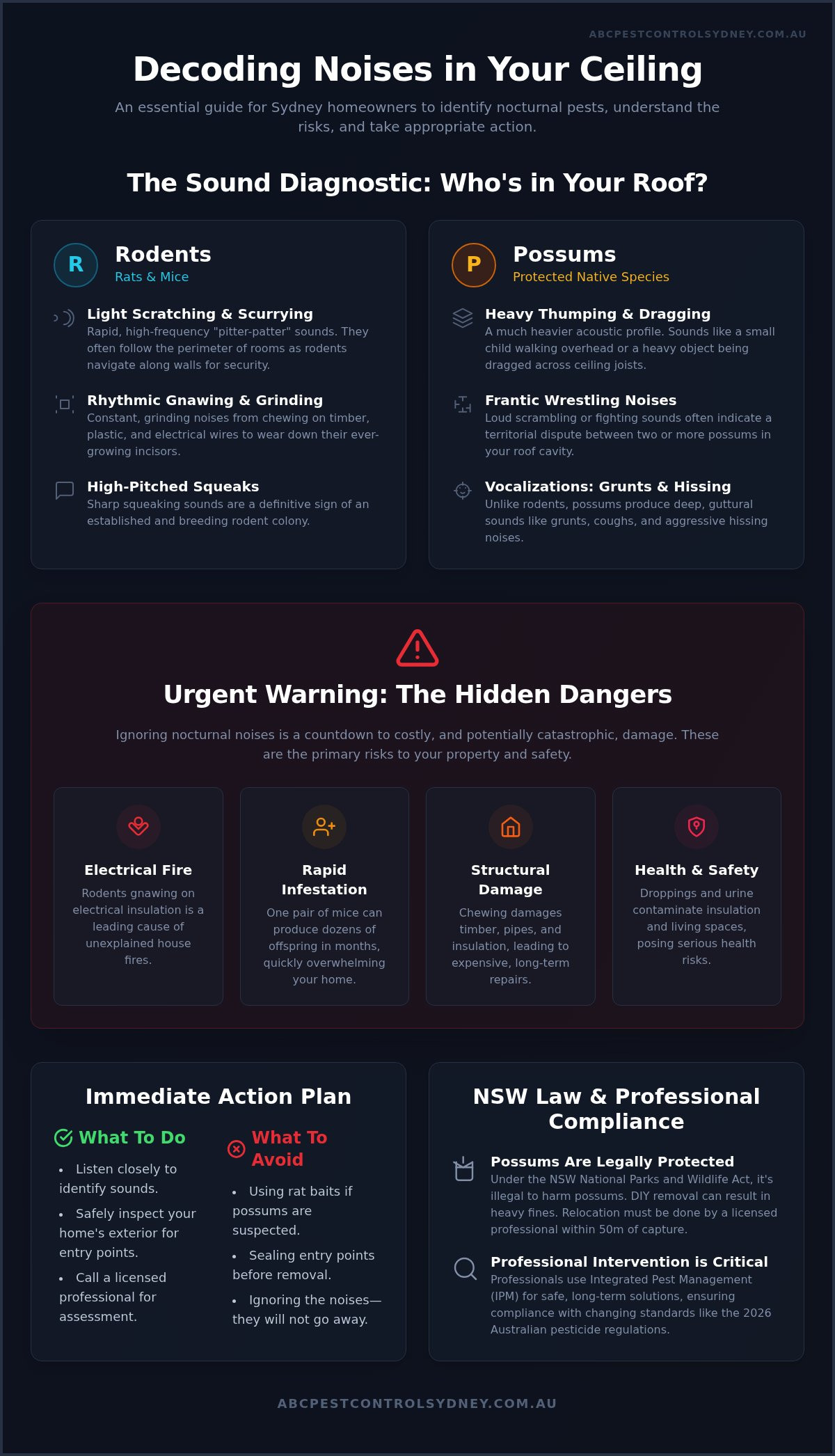
The most frequent culprits in Sydney are the Black Rat, also known as the Roof Rat, and the common House Mouse. Black Rats are agile climbers that prefer high nesting spots like your attic or ceiling. While less common in roof spaces, the Brown Rat (Rattus norvegicus) may also find its way into lower wall cavities or subfloors. You aren’t just dealing with one or two individuals. These rodents have incredibly rapid breeding cycles. A single pair of mice can produce dozens of offspring in just a few months, turning a minor disturbance into a full scale infestation quickly. They also possess a biological need to gnaw constantly. Their incisors never stop growing, so they chew through timber, plastic, and electrical insulation to keep them worn down. If you hear rhythmic grinding or light scuttling, these scratching noises in ceiling at night are a clear indicator of a rodent problem.
Possums: The Protected Residents
If the noises sound heavier, like a small child walking across the plasterboard, you might have a possum. In New South Wales, the Common Brushtail and Common Ringtail possums are the most frequent roof residents. Identifying them correctly is vital because your legal obligations change. Possums are protected under the National Parks and Wildlife Act. This means it’s illegal to harm them or relocate them more than 50 metres from where they were caught. You must never use standard rodent control methods, such as baits or traps designed for rats, on a possum. Doing so carries heavy fines and legal penalties. Professional intervention is the only way to ensure these animals are removed humanely and in full compliance with NSW environmental regulations.
The Sound Diagnostic: Scratching vs. Thumping vs. Gnawing
Identifying the specific rhythm of scratching noises in ceiling at night serves as a diagnostic tool for your home’s health. Different pests move, communicate, and interact with your architecture in distinct ways. Sound travels through the timber and plaster of your home, but it’s often distorted by the materials within your roof cavity. You need to listen closely to determine if you are dealing with a single intruder or a burgeoning colony.
Ceiling insulation plays a dual role in what you hear. Thick batts can muffle the high-pitched scuttle of a small mouse, making it sound like a faint, ghostly rustle. Conversely, a hollow roof space without insulation can amplify the rhythmic thumping of a larger animal, making it sound much closer and heavier than it actually is. If you hear sounds directly above your head, the pest is likely moving across the plasterboard. If the sound is dull and distant, they are likely burrowed deep within the insulation layers.
Light Scratching and Scurrying
Mice and juvenile rats are the primary sources of rapid, high-frequency movement. You’ll typically hear a “pitter-patter” rhythm that follows the perimeter of the room. Rodents use their whiskers to navigate along walls for security, so the sound rarely comes from the center of the ceiling. While huntsman spiders are common in Sydney and can produce a faint clicking or rustling, they lack the weight to create sustained scratching. If you hear sharp, high-pitched squeaks, you are likely listening to an established colony of rodents.
Heavy Thumping and Loud Dragging
Larger mammals like the Common Brushtail possum create a heavy acoustic profile. Instead of scurrying, you will hear deliberate, heavy-footed thumping. It often sounds like a heavy object being dragged across the joists or a small child walking overhead. These sounds are frequently accompanied by vocalizations like grunts, coughs, or hissing. If the noise sounds like a frantic wrestling match, it’s likely a territorial dispute between two possums. These heavy impacts are not just annoying; they can lead to structural sagging or ceiling stains if left unaddressed.
Persistent Gnawing and Grinding
The most alarming sound is slow, rhythmic grinding. This is the mechanical sound of teeth on hard surfaces such as timber beams or PVC electrical conduits. Gnawing is a survival instinct, not just a feeding habit. Rodents must chew to keep their incisors at a manageable length. This sound is a direct warning that your property’s electrical safety is under threat. If you recognize these patterns, it’s time to consult a specialist to protect your home from potential fire hazards and stop the scratching noises in ceiling at night for good.
The Risks of Ignoring Noises in Your Roof Cavity
Ignoring those scratching noises in ceiling at night is a gamble with your home’s safety. While the sound itself is a sleep-depriving nuisance, the underlying activity represents a physical threat to your property’s integrity. Pests don’t just occupy the space; they actively dismantle it. From chewing through structural supports to contaminating your living environment, the costs of delay escalate every day the infestation remains active. Acting quickly isn’t just about comfort; it’s about preventing a total household emergency.
The structural damage caused by nocturnal invaders is often hidden until it becomes expensive to fix. Rodents and possums frequently tear up ceiling insulation to create nesting sites, which drastically reduces your home’s thermal efficiency. In some cases, persistent gnawing on timber beams can even compromise the structural stability of your roof frame. Beyond the physical wood and wire, the “smell factor” is a major concern. Urine and droppings eventually soak into the porous plasterboard of your ceiling, leading to permanent stains and a pungent odor that is nearly impossible to remove without replacing the entire panel.
After clearing out these nocturnal guests, restoring your home’s thermal efficiency is a vital next step. Even if you are not in their local service area, the professional guides from Insulation Magic! illustrate how investing in proper attic insulation can reclaim your home’s comfort and significantly lower utility costs.
Electrical and Fire Hazards
Rodents have a dangerous attraction to the plastic polymer insulation on electrical wiring. Many industry professionals report that up to 25% of house fires with undetermined origins are actually caused by rodent damage to hidden cables. In Sydney, the cost of a full house rewire can reach thousands of dollars, far exceeding the price of early professional intervention. Look for warning signs like flickering lights or tripped circuit breakers. If these coincide with scratching noises in ceiling at night, you aren’t just dealing with a pest; you’re facing a potential fire emergency that requires immediate attention.
Contamination and Allergens
Your roof cavity acts as a lung for your home, and an infestation turns it into a source of pollutants. Droppings and nesting materials degrade indoor air quality and can trigger severe respiratory issues. These biological wastes are also breeding grounds for pathogens like Salmonellosis and Leptospirosis. Beyond the primary invaders, nests often attract secondary pests. You may find yourself dealing with carpet beetles, flies, or mites that migrate from the roof into your living areas. You can consult our general pest guide to understand how these contaminants affect your household’s health and safety.
Immediate Action Plan: What to Do (and What to Avoid)
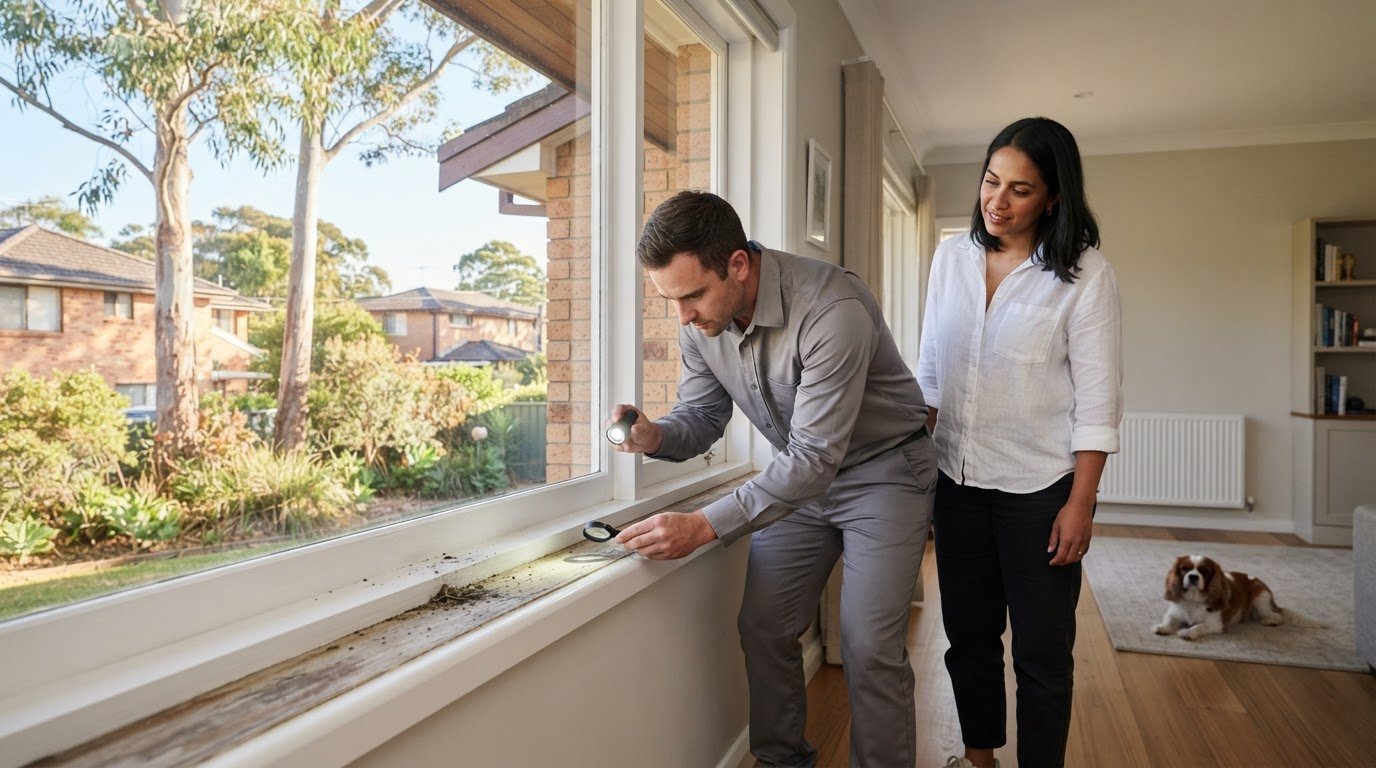
Don’t wait for the damage to worsen. If you hear scratching noises in ceiling at night, you must act now to secure your property’s perimeter. Start with a safe external inspection during daylight hours. Walk around your home and look up at the roofline and eaves. You are searching for obvious breaches like broken terracotta tiles or gaps in the lead flashing around chimneys and vents. These are the primary gateways for Sydney’s nocturnal pests. If you ignore these signs, you’re essentially leaving your front door open for invaders.
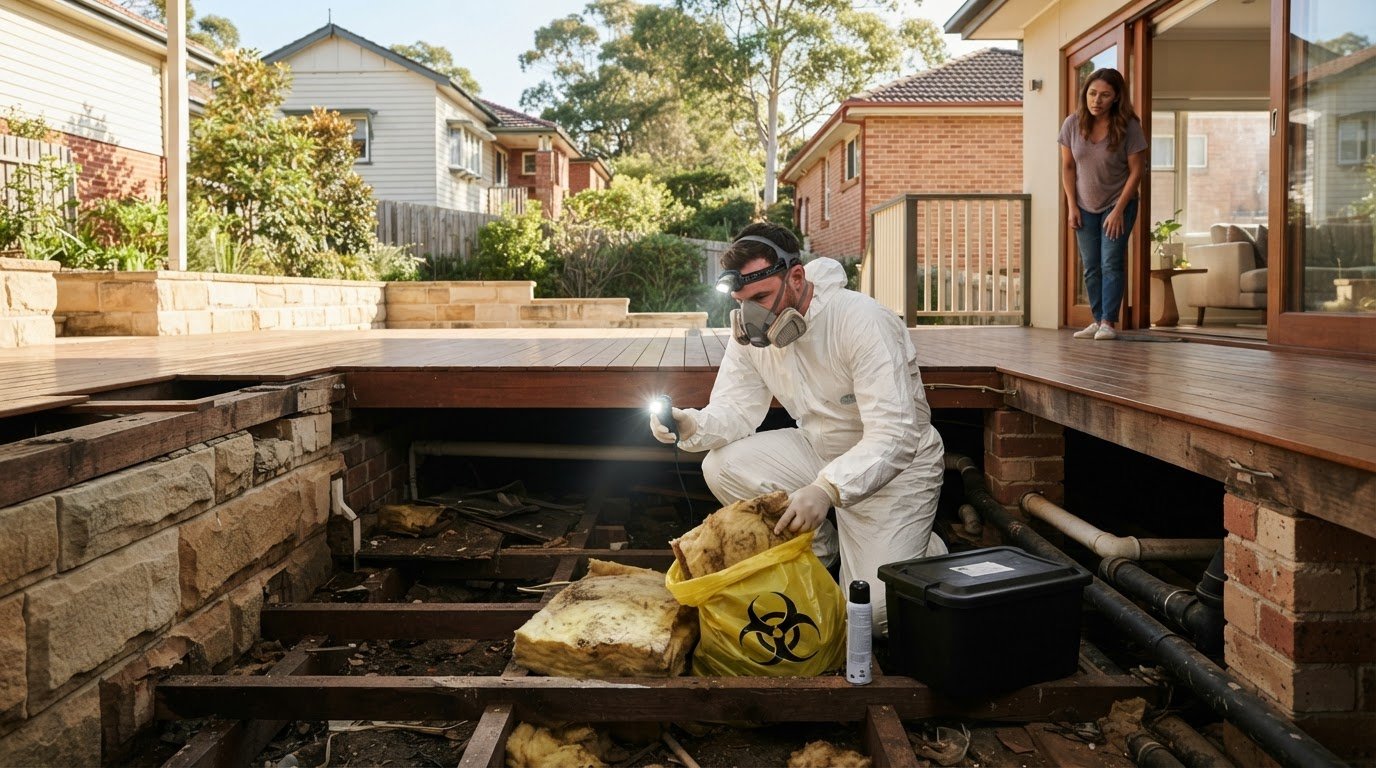
Eliminate the “pest highway” by trimming overhanging tree branches. Any foliage within two metres of your roof acts as a bridge for rats and possums. Cut these back to create a clear buffer zone that prevents easy access. However, avoid the temptation to toss DIY poison into the roof cavity. This often results in the animal dying in an inaccessible wall void. The resulting stench is unbearable and can take weeks to dissipate; it often requires expensive wall repairs to remove the carcass. Safe, permanent exclusion is the only real solution.
External Inspection Checklist
A thorough check requires looking for subtle signs of entry that most homeowners miss. Use this checklist to evaluate your home’s exterior integrity.
- Search for “rub marks” or greasy, dark stains around small holes. These are caused by the oils in rodent fur as they squeeze through tight spaces.
- Inspect areas where utilities like air conditioning pipes or electrical cables enter the brickwork. Gaps as small as a pencil can admit a young mouse.
- Check the integrity of “weep holes” in your brickwork. These vertical gaps are essential for drainage but can be widened by pests if they aren’t properly screened.
Why DIY Often Fails
Homemade solutions rarely provide a permanent fix for persistent scratching noises in ceiling at night. Clever rats often develop “bait shyness,” meaning they learn to avoid traps or poison after seeing a colony member affected. There are also serious legal ramifications if you accidentally harm a possum. As protected wildlife in New South Wales, they require specific handling that DIY methods cannot safely provide. For a permanent solution that protects your family and your property, you need a professional pest control Sydney service to identify and seal every single entry point.
Stop the cycle of sleepless nights and protect your home from structural damage. You can book a professional roof inspection today to secure your property against future invasions.
Professional Solutions for Sydney Roof Pests
Stop the scratching noises in ceiling at night for good by choosing a professional solution that addresses the root cause. You don’t need a temporary fix; you need a permanent resolution that secures your home’s perimeter. At ABC Pest Control Sydney, we utilize an Integrated Pest Management (IPM) approach. This methodology focuses on long-term prevention and exclusion rather than just a quick spray. We combine biological knowledge with structural expertise to ensure your roof cavity remains a pest-free zone.
Our team identifies precisely what is moving above your head without causing unnecessary damage to your property. We deploy specialized cameras and thermal sensors to locate nests tucked deep within insulation or hidden behind structural beams. This technology allows us to pinpoint the infestation and develop a targeted treatment plan. By understanding the specific habits of Sydney’s nocturnal invaders, we can implement exclusion tactics that work for your specific home design.
The ABC Pest Control Sydney Inspection and Treatment Process
Success starts with a forensic-level audit of your property. Our veteran technicians bring over 20 years of Sydney-specific experience to every job. We don’t just look for the pests; we look for the vulnerabilities they exploit. During the inspection, we identify every potential entry point and nesting site. Our treatments are safe and eco-friendly, designed to protect your family and pets while effectively eliminating the intruders. Once the treatment is complete, you receive a detailed report and a customized prevention plan to keep your home secure for the future.
Why Sydney Homeowners Trust ABC Pest Control Sydney
We understand that a pest infestation is a high-stress emergency. Our response is both urgent and professional, designed to mitigate your anxiety and restore your peace of mind immediately. We distinguish ourselves by our capability to handle the most resilient and difficult cases. Whether you are dealing with complex possum exclusion or a multi-room infestation of bed bugs, our team has the specialized equipment and training to resolve the issue. We adhere to all national regulatory standards, ensuring every job is compliant and effective.
Don’t let another night of scratching noises in ceiling at night ruin your sleep or threaten your home’s safety. Take decisive action to protect your property and your health. Our modern booking process is designed for your convenience, allowing you to secure an expert inspection quickly. Get a Free Quote today and stop the scratching tonight.
Reclaim Your Quiet Nights and Home Safety
You don’t have to live with the anxiety of unknown intruders. Correctly identifying the difference between a rapid scuttling rodent and a heavy-footed, protected possum is the essential first step toward a permanent resolution. Ignoring persistent scratching noises in ceiling at night risks far more than just your sleep; it invites potential fire hazards and structural decay directly into your home. Acting now prevents these manageable issues from escalating into expensive, high-stress emergencies.
ABC Pest Control Sydney brings 20+ years of experience to every property inspection across the Sydney metropolitan area. Our technicians utilize safe and eco-friendly methods to protect your family and pets while ensuring that pests are excluded for the long term. We specialize in complex roof cavity cases that DIY methods simply can’t solve. Book Your Sydney Roof Inspection Today and let our professional team restore your peace of mind. You’re just one expert visit away from a safe, quiet, and sanitary home environment.
Frequently Asked Questions
Is it a rat or a possum making noises in my ceiling?
You can usually tell by the weight and frequency of the sound. Rats produce rapid, light scuttling, while possums create heavy, deliberate thumping that sounds like a person walking. Listen for vocalizations; rats squeak, but possums often grunt or hiss. If you hear scratching noises in ceiling at night that move quickly along the edges, it’s likely a rodent colony. Possums tend to stay in one nesting area.
Can rats chew through my ceiling and fall into the room?
Yes, rodents can gnaw through plasterboard ceilings. Their teeth are strong enough to chew through timber, plastic, and soft masonry. While they don’t usually fall through intentionally, they can create holes large enough to enter your living space. This typically happens near light fittings or air conditioning vents. If you see yellow staining or small holes, the structural integrity of your ceiling is already under threat.
What happens if a rodent dies in my roof after I use poison?
A dead rodent in your roof cavity creates an intense, pungent odor that can last for weeks. This smell often attracts secondary pests like flies and maggots, which can migrate into your home. This is the primary risk of DIY poisoning. Professionals use tracking methods to ensure animals don’t die in inaccessible wall voids. If a carcass is trapped, it may require cutting into the plasterboard to remove the source of the stench.
How much does it cost to get rid of pests in the ceiling in Sydney?
The cost for professional pest management in Sydney varies based on the property size and the type of intruder. Standard rodent or possum treatments generally fall within a specific industry range, but complex cases involving structural exclusion or multiple nesting sites require a detailed inspection. You should always verify that your technician is licensed by the NSW EPA. We recommend getting a tailored quote to ensure the treatment plan matches your specific roof cavity needs.
In the trade industry, responsiveness is key; many Australian businesses use Gofer to manage their calls and ensure that homeowners dealing with pests can always reach a professional.
Will the scratching noises go away on their own?
No, these noises will not disappear without intervention. Your roof provides a warm, safe environment that encourages rapid breeding. A single pair of rodents can produce a massive colony in just a few months. As the population grows, the competition for space leads to more aggressive scratching noises in ceiling at night and increased structural damage. The problem only stops when the entry points are sealed and the residents are removed.
Are scratching noises in the ceiling always a sign of pests?
How do I stop possums from getting into my roof legally?
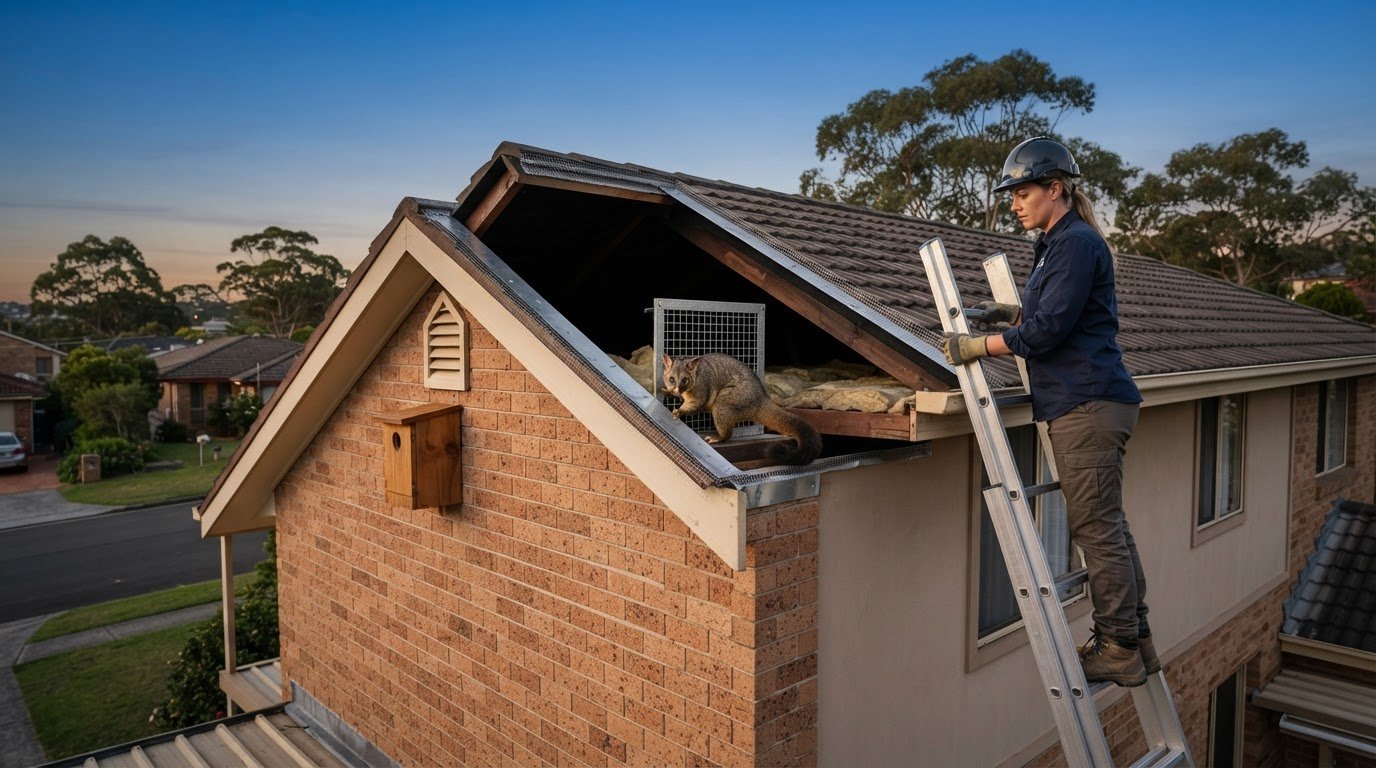
In New South Wales, you must follow the National Parks and Wildlife Act. It’s illegal to harm possums or relocate them more than 50 metres from the capture site. The legal solution involves identifying all entry points and installing one-way doors. This allows the possum to leave but prevents its return. Once the animal is out, you must permanently seal the gaps with heavy-duty materials like steel mesh or lead flashing.
Can insects like termites or wasps cause scratching sounds?
Yes, large infestations of certain insects can be audible. Termites produce a faint clicking sound, known as head-banging, when they are disturbed or communicating. Large wasp or bee nests may create a low, consistent humming or buzzing vibration. These sounds are much lighter and more localized than the scratching of a rat or the thumping of a possum. A professional inspection can quickly differentiate between an insect colony and a mammalian intruder.