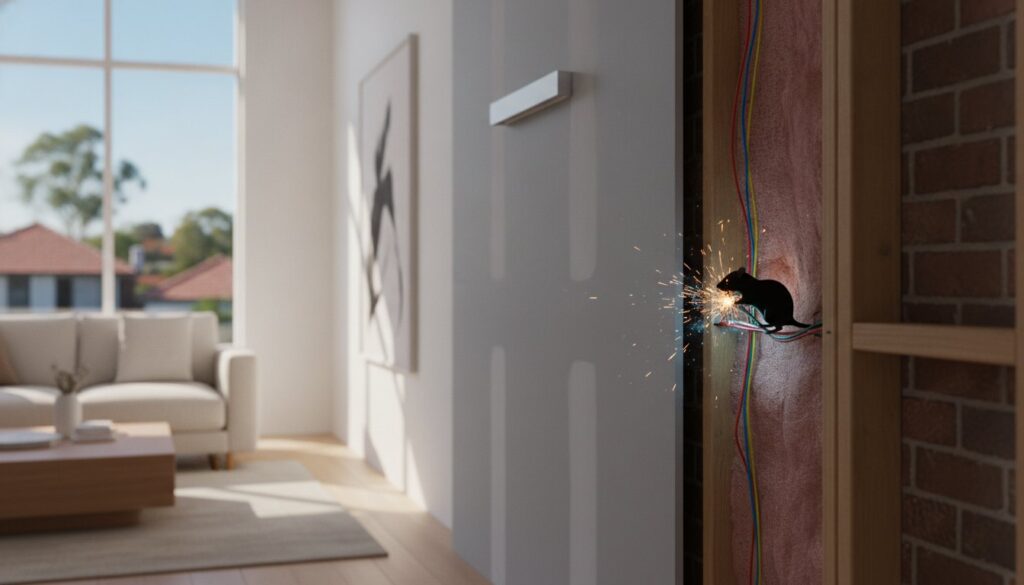
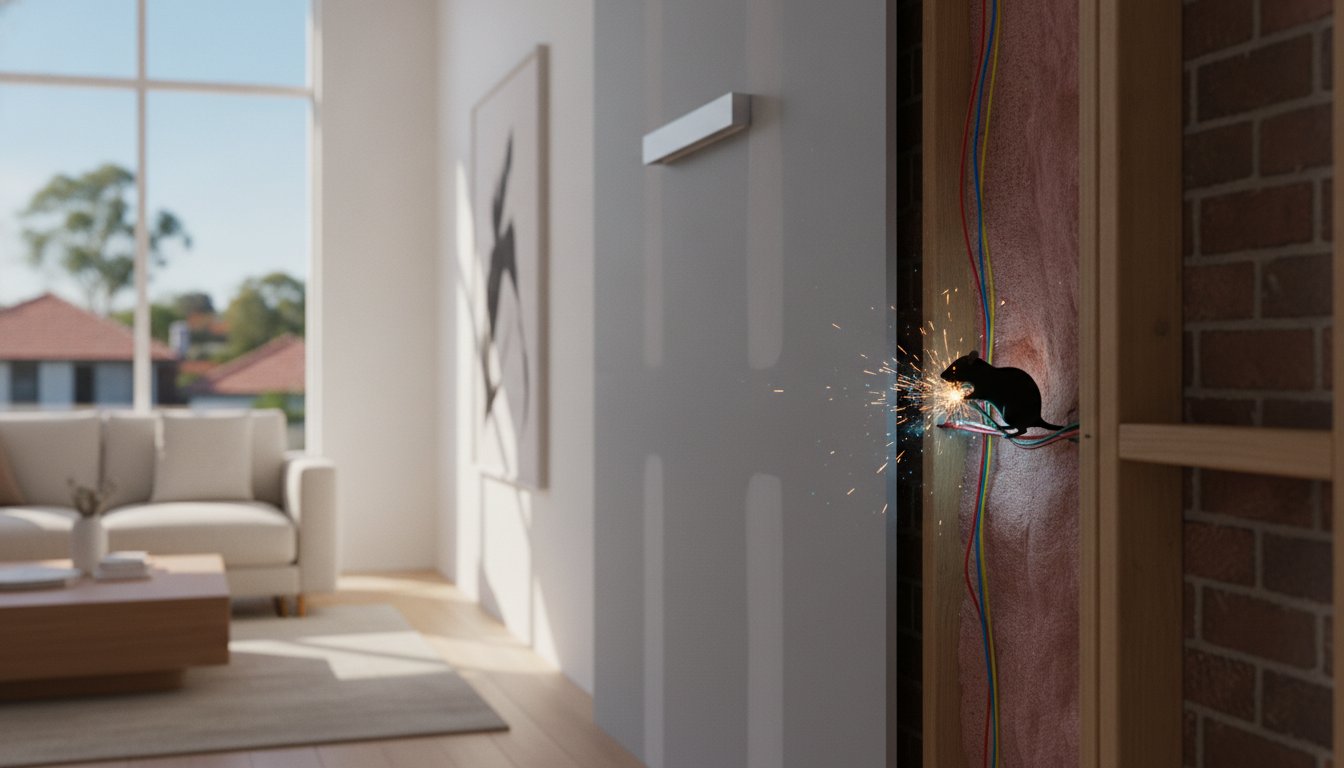
Could a gap the size of a 20-cent coin be the gateway to a potential house fire? It sounds extreme, but a rat only needs 12mm of space to enter your wall cavities and begin gnawing on your electrical wiring. If you’re lying awake at night listening to mysterious scratching sounds, your intuition is likely right. Identifying the signs of rodents in walls early is the only way to prevent expensive structural damage and serious health risks to your family.
We understand that discovering a hidden infestation is stressful and unsettling. You want to know exactly what’s living behind your plasterboard and how to remove it safely. This guide provides a clear roadmap to confirm your suspicions and regain your peace of mind. We will detail the seven unmistakable indicators of a rodent problem, explain the latest 2026 NSW safety regulations regarding baiting, and show you how to secure a professional solution that protects your Sydney home. By understanding these red flags, you can take decisive action before a small nuisance turns into a costly emergency.
Key Takeaways
- Learn why nighttime scratching and scurrying sounds are reliable indicators of a hidden pest problem in your wall cavities.
- Discover how to identify the specific signs of rodents in walls, including how to distinguish between mouse and rat droppings.
- Understand the severe structural and health risks, such as electrical fires caused by chewed wiring and the spread of dangerous diseases.
- Stay informed about the latest 2026 NSW safety regulations regarding rodenticide use and why professional intervention is now essential for compliance.
- Find out how a professional General Pest Control Package can safely clear infestations using eco-friendly methods tailored for Sydney homes.
Identifying the Tell-Tale Signs of Rodents in Your Walls
Rodents are masters of stealth. You will likely notice the signs of rodents in walls long before you ever spot a tail or a whisker. This is what experts call the “Invisible Infestation.” Because rats and mice are nocturnal and naturally avoid open spaces, they treat your wall cavities as a private sanctuary. If you see a rodent scurrying across your kitchen floor during the day, it often indicates the nest inside your walls is already overcrowded. You aren’t dealing with a single visitor; you’re likely facing an established colony.
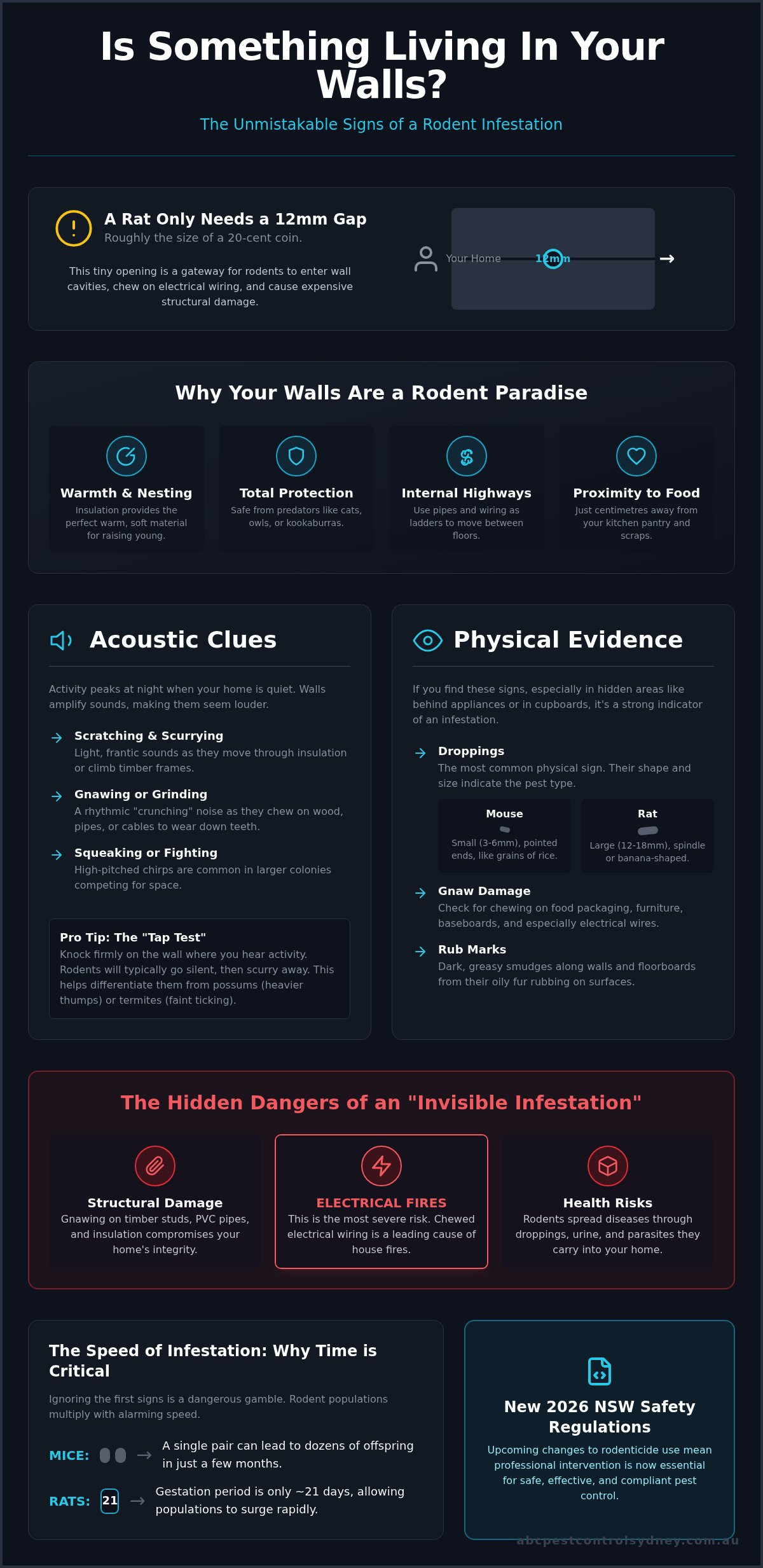
Sydney’s unique architecture and climate create the perfect storm for these pests. From the heritage terraces of the Inner West to modern apartment blocks in the CBD, rodents exploit every available gap. Older buildings often feature shared wall cavities and sub-floors that act as a vast, interconnected highway system. A rat only needs a 12mm gap, roughly the size of a 20-cent coin, to squeeze into your home’s structural skeleton. Once inside, they are shielded from the elements and human eyes, making early detection through acoustic and physical clues your only line of defence.
Why Rodents Love Sydney Wall Cavities
Your walls provide everything a rodent needs to thrive. While Sydney’s winters are relatively mild, temperatures still drop enough to drive pests indoors in search of warmth. Insulation batts inside your walls make for ideal nesting material, holding heat and providing a soft environment for raising young. The House mouse is particularly adept at finding these pockets of safety. Beyond warmth, wall cavities offer:
- Total Protection: They are safe from predators like kookaburras, large owls, or neighbourhood cats.
- Internal Highways: Rodents use electrical conduits and plumbing stacks as ladders to move between floors.
- Proximity to Food: Being inside the walls puts them only centimetres away from your pantry and kitchen scraps.
The Speed of Infestation: Why Time is Critical
Ignoring the first scratch or scurry is a dangerous gamble. Rodents don’t just move in; they multiply with alarming speed. A single pair of mice can lead to dozens of offspring in just a few months. Common rats have a gestation period of approximately 21 days, allowing populations to surge before you even realize they’ve moved in. What starts as an “occasional visitor” quickly transitions into a permanent structural resident that causes ongoing damage. Act immediately when you suspect activity to prevent a manageable problem from becoming a full-scale infestation that requires intensive intervention.
Acoustic Clues: What Do Rats and Mice Sound Like?
Your ears are often the first tools you’ll use to detect a problem. Because rodents are nocturnal, their activity peaks between dusk and dawn when the rest of the household is quiet. Identifying these acoustic signatures is one of the most reliable signs of rodents in walls. You might hear a light scurrying as they move through insulation or a frantic scratching as they attempt to climb the internal timber framing. If the colony is large, you may even hear high-pitched squeaks or fighting sounds as they compete for nesting space.
Pay close attention to rhythmic “crunching” or grinding noises. This is the sound of gnawing. Rodents must chew on hard materials to wear down their ever-growing incisors. They’ll target anything from timber studs to PVC piping and electrical cables. These sounds are often louder than expected because the hollow wall cavities act like a drum, amplifying the noise throughout the room. If you notice these signs of a house mouse infestation, it’s vital to act before the chewing reaches your home’s vital infrastructure.
Differentiating Rodents from Other Pests
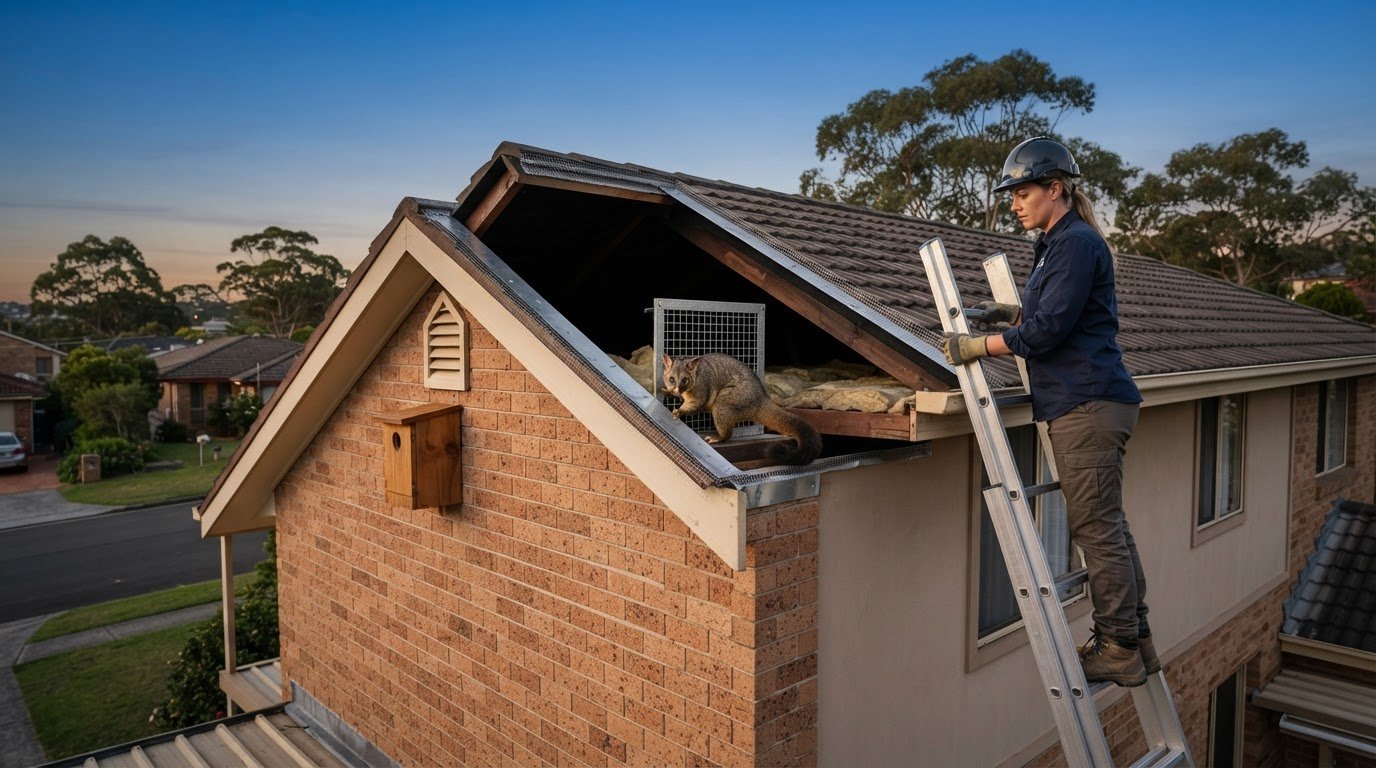
Not every sound in the wall is a rat. In Sydney, possums are a frequent source of confusion. Possums are much heavier and produce a distinct thumping or heavy dragging sound. In contrast, rodents are light and fast. If you hear a faint, consistent ticking, you might be dealing with termites rather than mammals. Try a “tap test” by knocking firmly on the wall where you hear activity. Rodents will typically respond with a sudden silence followed by a rapid scurry as they retreat to safety. If the sounds persist despite your presence, a professional inspection is the next logical step to confirm the species.
Where You Are Most Likely to Hear Them
Rodents gravitate toward specific zones within a Sydney home. In older cottages, the ceiling void or attic space is the primary hub for activity. You’ll hear them moving directly overhead or down into the wall junctions. They also prefer the spaces behind kitchen cabinetry and large appliances like dishwashers or ovens, where the motor provides a constant heat source. Internal partition walls, which are often hollow and filled with soft insulation, serve as the perfect nurseries for growing colonies. Listen closely to these areas during the evening to catch the earliest indicators of an infestation.
Physical Evidence: Droppings, Rub Marks, and Gnaw Damage
While acoustic clues alert you to a potential problem, physical evidence confirms the severity and location of the nest. Searching for signs of rodents in walls requires a keen eye for detail in the dark, undisturbed corners of your home. You will often find droppings first. Mouse droppings are small and pointed, roughly the size of a grain of rice, while rat droppings are larger, blunt, and shaped like capsules. Finding these in the back of your pantry or under the kitchen sink is a clear indicator that the inhabitants of your walls are venturing out for food.
Keep a lookout for gnaw marks on skirting boards, door frames, and even plastic piping. Rodents have a biological necessity to chew, and their teeth leave distinct parallel grooves in hard surfaces. You might also find “nesting debris” such as shredded paper, bits of insulation, or fabric tucked into wall voids or behind large appliances. Following a CDC guide on rodent infestation surveys can help you systematically check your property for these subtle but certain indicators of activity.
The “Grease Trail” Discovery
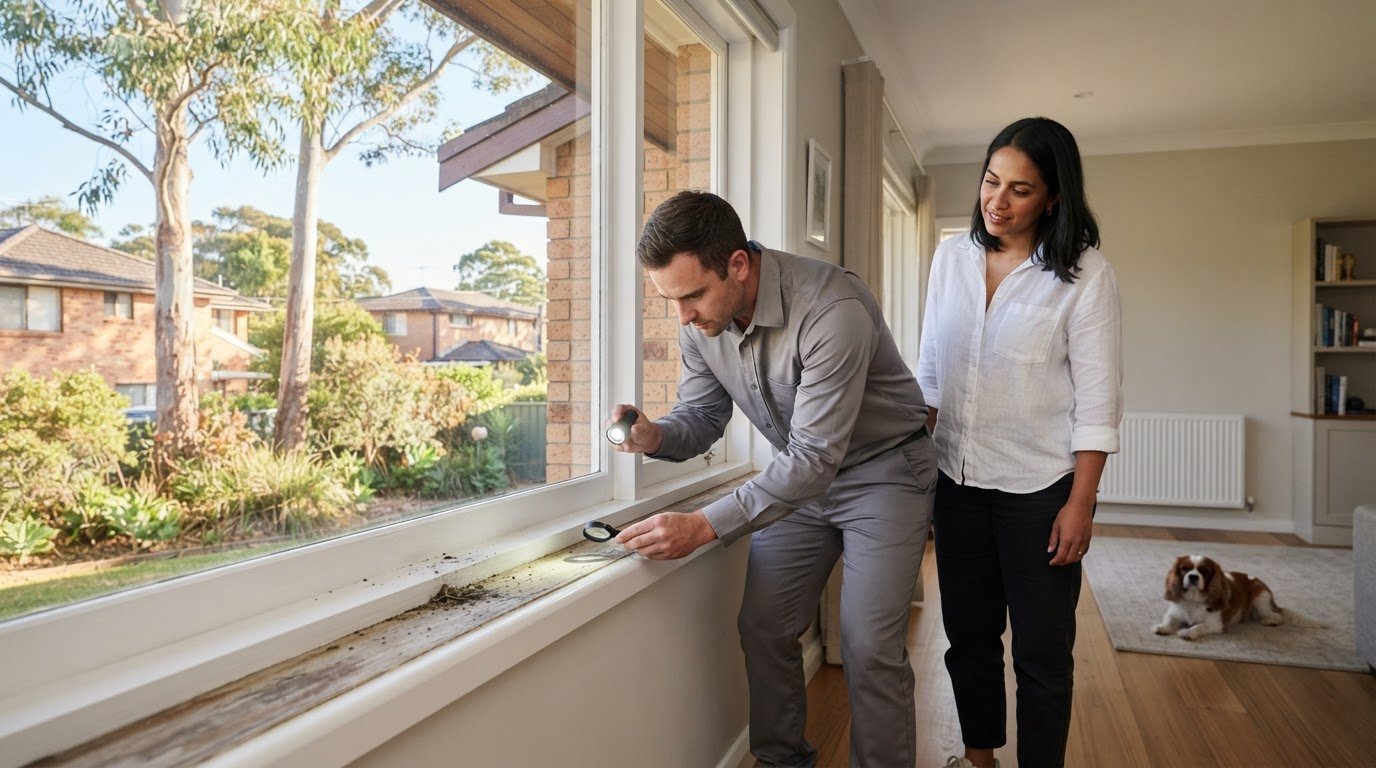
Rodents have poor eyesight and rely on their sense of touch to navigate. They exhibit a behaviour called thigmotaxis, which means they prefer to move while keeping their bodies in contact with a vertical surface like a wall or skirting board. Over time, the natural oils and dirt in their fur leave dark, greasy rub marks along these paths. These “smudge points” are most visible near entry holes or where a pipe enters a wall. Use a torch and shine it at a sharp angle against your paintwork. If you see a dark, oily residue that doesn’t wipe away easily, you have identified a primary rodent highway.
Identifying Fresh vs. Old Evidence
Determining if an infestation is active or historical is crucial for your next steps. Fresh droppings are dark, moist, and soft, whereas older waste becomes grey, dry, and brittle when touched. Similarly, fresh gnaw marks appear lighter in colour than the surrounding wood, showing the “raw” material underneath. Don’t ignore your sense of smell. A pungent, musky “ammonia” odour is a tell-tale sign of rodent urine. If this smell is concentrated in one specific room, the colony is likely nesting directly behind those plasterboard panels. Identifying these active markers is the first step toward implementing a targeted General Pest Control Package to reclaim your home.
The Hidden Risks: Why Rodents in Wall Cavities Are Dangerous
Rodents aren’t just noisy neighbours. They are destructive forces. While you’re identifying the signs of rodents in walls, they are actively compromising your home’s safety. Their presence introduces significant health risks and physical hazards that go far beyond simple property damage. From the moment they enter your wall voids, they begin a process of degradation that can lead to catastrophic failures in your home’s infrastructure.
Beyond the immediate structural concerns, rodents are biological vectors. They carry dangerous pathogens like Leptospirosis, Salmonella, and Rat-bite fever. These diseases can spread through contact with urine or droppings left in your pantry or along skirting boards. Furthermore, rodents often carry secondary pests like fleas, mites, and ticks. Once the rodents move through your walls, these smaller parasites can migrate into your living spaces, affecting both your family and your pets.
The Electrical Threat to Sydney Homes
Rodents have a biological drive to gnaw, and electrical wiring is a primary target. Experts suggest they are attracted to the “mouthfeel” of the plastic casing or the subtle hum of the current. Once the insulation is stripped, exposed copper wires can spark against timber studs or dry insulation, leading to house fires that are difficult to detect until it’s too late. If you notice flickering lights or unexplained power trips, you may already have severe wire damage. The cost of a full home rewiring in Sydney is astronomical. Investing in a pest control package is a proactive way to prevent these catastrophic failures before they start.
Contamination and Air Quality
Living in close proximity to a rodent colony affects the air you breathe. As rodents move through wall cavities, they shed dander and leave behind dried waste. These microscopic particles can enter your home’s ventilation system or seep through gaps in floorboards, triggering severe asthma or allergy symptoms. This is a major concern for Sydney families with young children or elderly residents. If a rodent dies within the wall, the resulting odour is pungent and can linger for weeks, often requiring invasive measures to remove. Addressing the signs of rodents in walls as soon as they appear is the only way to maintain a healthy indoor environment. Contact ABC Pest Control Sydney to book a professional inspection and protect your home’s air quality today.
Professional Rodent Removal: How ABC Pest Control Sydney Can Help
Once you have confirmed the signs of rodents in walls, your next step determines the safety and hygiene of your home. DIY methods often fall short because they focus on the symptoms rather than the source. Placing supermarket baits can lead to rodents dying deep inside wall cavities, creating a foul odour that lingers for weeks and attracts secondary pests like maggots. Professional intervention ensures the infestation is handled systematically. We focus on a complete resolution that protects your family from the risks of secondary poisoning and structural damage.
Our approach prioritises safety and compliance. As of 2026, NSW regulations have restricted the sale of high-strength rodenticides to licensed professionals to protect pets and native wildlife. By hiring an expert, you gain access to effective, regulated treatments that are secured in tamper-resistant stations. We don’t just scatter bait; we implement a strategic plan that removes the current colony and prevents the next one from moving in.
Our Comprehensive Rodent Management Strategy
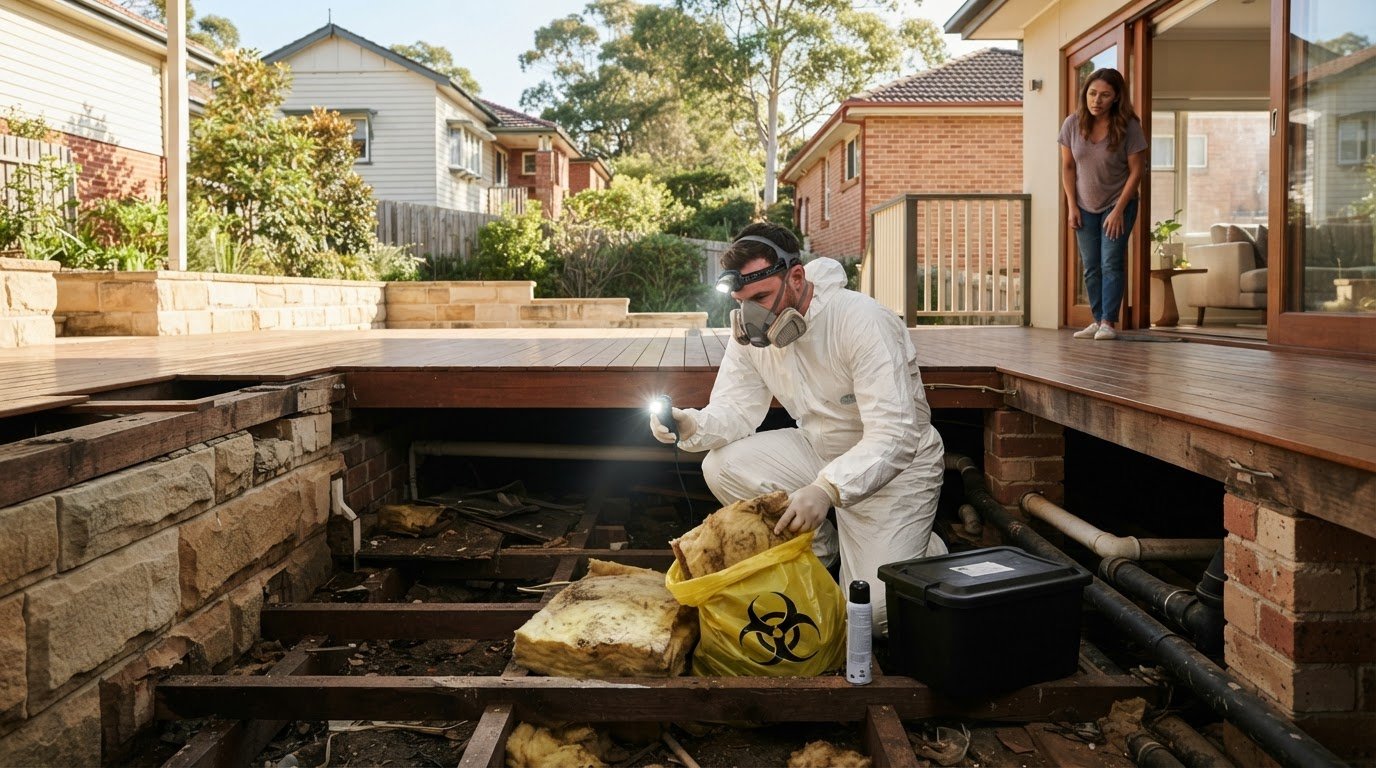
We use modern technology to locate hidden nests without tearing down your plasterboard. Our technicians employ thermal imaging and borescopes to see into wall voids, identifying heat signatures and nesting hubs with precision. This allows for targeted treatment that is far more effective than “blind” baiting. We often integrate these specialised services into our General Pest Control Packages. This provides a cost-effective way to clear rodents, cockroaches, and spiders in a single comprehensive visit. Our strategy includes:
- Detailed Inspection: Finding every 12mm gap or entry point in your home’s exterior.
- Targeted Treatment: Utilising professional-grade, eco-friendly methods that minimise environmental impact.
- Strategic Exclusion: Sealing entry points in brickwork, eaves, and sub-floors to “rodent-proof” the property.
Why Choose ABC Pest Control Sydney?
We have spent over 20 years managing the specific pest challenges of the Sydney metropolitan area. Our technicians understand the architectural quirks of local suburbs, from the hollow voids in heritage Victorian terrace houses to the complex utility conduits in modern CBD apartments. We know exactly where Sydney rats hide and how they exploit local building materials. This deep regional knowledge ensures your treatment is efficient, fast, and respectful of your time. Our team delivers a reliable service that restores your comfort and provides the lasting peace of mind that comes with a professional guarantee.
Reclaim Your Quiet and Protected Sydney Home
Identifying the signs of rodents in walls is your most effective tool for preventing catastrophic electrical fires and serious health risks. You now have the knowledge to differentiate between the light scurrying of a mouse and the heavy thumping of a possum. By spotting physical markers like grease rub marks and capsule-shaped droppings early, you can stop an infestation before it spreads through your home’s vital infrastructure.
Don’t let a small scratching sound escalate into a major structural repair. Our team brings over 20 years of Sydney pest expertise to every job, providing local knowledge that generic DIY solutions simply cannot match. We prioritise eco-friendly, family-safe treatments that protect your loved ones while permanently removing pests. For total peace of mind, our comprehensive 15-pest coverage packages offer a robust shield for your entire property. These bundles ensure your home remains a sanctuary from rats, mice, and other common household intruders.
Secure your home with a professional rodent inspection today!
Take the first step toward a safer, quieter living environment. You deserve the confidence that comes with a professionally protected home.
Frequently Asked Questions
How do I know if the scratching in my wall is a rat or a mouse?
Mice typically produce a light, rapid “pitter-patter” sound as they move through insulation. Rats are significantly heavier and their movement sounds more like a rhythmic thumping or dragging. You can also listen for the volume of gnawing. A rat’s chewing is louder and more deliberate; it often sounds like a grinding “crunch” against timber studs or plastic piping. If you hear multiple high-pitched squeaks, you likely have a larger colony nesting nearby.
Can rodents chew through brick or concrete walls?
Rodents cannot chew through solid, high-quality concrete or intact bricks. However, they are experts at exploiting existing weaknesses. They will gnaw through crumbling mortar, soft sandstone, or plastic vent covers to gain entry. Once they find a tiny opening, they use their powerful incisors to widen the gap. They can easily chew through timber, lead, and even some soft metals to reach the safety of your wall cavities. If your home’s masonry has been compromised, engaging a specialist like Easipoint for remedial repairs is a vital step in securing your property’s exterior.
What should I do if I hear noises in my walls at night?
Perform a “tap test” by knocking firmly on the plasterboard where you hear the activity. Rodents will usually go silent or scurry away immediately. After the test, use a torch to inspect your skirting boards and pantry for the physical signs of rodents in walls. If you find droppings or dark rub marks, contact a professional technician. Early intervention is the only way to prevent them from damaging your home’s electrical wiring.
Will a rodent in the wall eventually die and smell?
Yes, if a rodent dies inside a wall cavity, the carcass will produce a pungent, sickly-sweet odour as it decomposes. This smell can permeate your living spaces and linger for several weeks. This is the primary reason why DIY baiting is often unsuccessful. Professional treatments are designed to manage the population strategically, reducing the risk of pests dying in inaccessible areas where they cause long-term hygiene issues and attract flies.
Are professional rodent treatments safe for my pets?
Professional treatments are safe for pets when administered by licensed technicians using industry-standard safety protocols. We utilise lockable, tamper-resistant bait stations that prevent dogs and cats from reaching the contents. Our methods comply with the latest 2026 NSW regulations, which focus on protecting non-target animals and native wildlife. We always provide specific safety instructions for your household before beginning any treatment to ensure total peace of mind for your family.
How much does it cost to get rid of rodents in walls in Sydney?
The cost of rodent removal depends on the size of your property and how established the colony has become. Sydney residents generally find that a professional service is a cost-effective alternative to repairing structural damage or replacing chewed electrical cables. Many homeowners choose to bundle this service into General Pest Control Packages. This approach addresses rodents, cockroaches, and spiders simultaneously, providing a more comprehensive and economical solution for long-term protection.
How do rodents get into my wall cavities in the first place?
Rodents enter through tiny gaps in your home’s exterior, such as weep holes, gaps around plumbing pipes, or damaged eaves. A rat only needs a 12mm opening to squeeze its body through. In Sydney, they often climb overhanging tree branches to reach the roofline or exploit the sub-floor vents in older terrace houses. Ensuring your roofing is secure with a specialist like Hop To It Roof Repairs can prevent these pests from accessing your home from above. Once they find a way into the structure, they use the wall voids as a protected highway system.
Can rodents in walls cause electrical fires?
Yes, rodents are a significant and often hidden cause of house fires. Their teeth never stop growing, so they must gnaw on hard materials to keep them at a manageable length. Electrical wiring inside wall cavities is a frequent target. When they strip the protective insulation from these cables, the exposed wires can short-circuit or spark against timber framing. Identifying the signs of rodents in walls early is essential to preventing these dangerous electrical failures.