Did you know that one in three homes in Sydney will experience a termite attack at some point? These silent invaders cause over $6.8 billion in property damage across Australia every year; yet, most home insurance policies won’t cover a cent of the repairs. If you’re worried about your property’s structural integrity, you need to understand the most reliable subterranean termite control methods available in 2026. It’s natural to feel overwhelmed by technical jargon and the fear of massive repair bills. You want a solution that works without compromising the safety of your children or pets.
We’ve designed this guide to give you total peace of mind and a clear path forward. You’ll discover how to choose between chemical barriers and baiting systems based on Sydney’s unique clay and sandy soil profiles. We’ll also explain how compliance with Australian Standards AS 3660 protects your investment. By the end of this article, you’ll know exactly how to implement a layered defense strategy that guarantees a termite-free home. Let’s look at the professional techniques that stop destructive species like Coptotermes acinaciformis in their tracks.
Key Takeaways
- Identify why Sydney is a high-risk zone and learn to spot the difference between “white ants” and the destructive subterranean species threatening your timber.
- Evaluate the pros and cons of chemical barriers versus baiting systems to select the subterranean termite control methods that best suit your home’s construction and soil type.
- Ensure your property remains compliant with Australian Standard AS 3660 to protect your structural integrity and maintain your home’s resale value.
- Learn to recognize “bridging” and “breaching” risks that can bypass your defenses, making the non-negotiable annual inspection your most important safeguard.
- Gain peace of mind by understanding how expert-led, eco-friendly treatment packages provide a total resolution for even the most resilient termite colonies.
Understanding the Threat: Subterranean Termites in Sydney
Subterranean termites are the most destructive pests in Australia, capable of compromising a home’s structural integrity in just a few months. While many locals call them “white ants,” this term is misleading. Termites are more closely related to cockroaches than ants. Unlike common garden ants, subterranean termites live in massive underground colonies and feed exclusively on cellulose, which is found in your home’s timber framing. In the Sydney metropolitan area, the most aggressive species you’ll encounter are Coptotermes acinaciformis and Schedorhinotermes. These species are notorious for their ability to bypass traditional defenses, making modern subterranean termite control methods essential for every property owner.
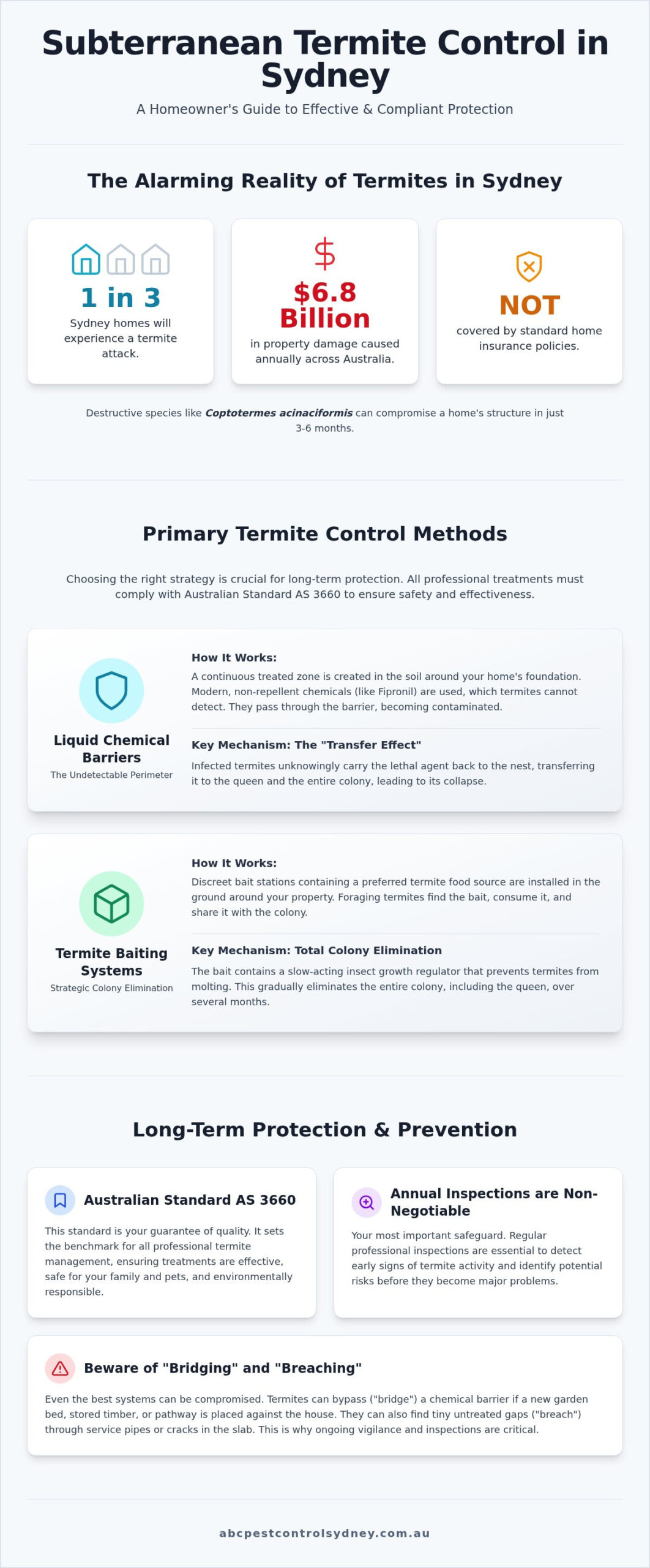
The risk isn’t a distant possibility; it’s a statistical reality. Research indicates that one in three homes in Sydney will experience a termite attack at some point. With a mature colony containing up to two million termites, the speed of destruction is alarming. A determined colony can consume a meter of timber in as little as three to six months. Because these pests work from the inside out, the damage is often invisible until the structural failure is already advanced.
Why Sydney Properties are High-Risk
Sydney’s warm, humid climate creates a perfect breeding ground for termite activity. High annual rainfall keeps soil moisture levels elevated, which subterranean species require to survive. The geographic diversity of the region also plays a role. In coastal suburbs, sandy soils allow for rapid termite movement and easy tunneling. Conversely, the heavy clay soils found in the Western Suburbs retain moisture longer, supporting massive, resilient colonies. Most Sydney homes use brick-veneer or concrete slab constructions, which provide hidden entry points through expansion joints or service penetrations. To counter these vulnerabilities, many modern builds incorporate physical termite barriers during the construction phase to force termites into the open where they can be detected.
The Cost of Delay: Structural Damage vs. Prevention
Waiting for visible signs of an infestation is a dangerous strategy. Subterranean termites are masters of stealth, using mud tunnels to travel from the soil into your roof or wall cavities without ever being seen. By the time you notice a sagging floor or a hollow-sounding door frame, the repair bill has likely already climbed into the tens of thousands. The financial reality is harsh; termites cause over $6.8 billion in property damage across Australia annually. Perhaps most concerning for homeowners is that standard home insurance policies almost never cover termite damage. This makes the implementation of professional subterranean termite control methods a necessary investment rather than an optional expense. Prevention is always more affordable than a total structural timber replacement.
For homeowners focused on protecting their long-term investment in the Sydney area, check out Pacific City Real Estate for insights into how consistent property maintenance affects market appraisal and resale value.
Primary Subterranean Termite Control Methods: Barriers and Baiting
Effective termite management relies on two distinct philosophies: immediate eradication of active colonies and long-term prevention. To achieve a termite-free home, all treatments must comply with Australian Standard AS 3660. This regulatory framework ensures that the subterranean termite control methods applied to your property meet rigorous safety and efficacy benchmarks. Before any treatment begins, a professional termite inspection Sydney is a mandatory first step. You cannot defend a structure without first mapping the extent of the threat. While DIY products are available, they often lack the residual strength and specialized application equipment required for total colony elimination. Professional-grade solutions prioritize chemical safety for your family while delivering lethal results to pests.
Liquid Chemical Soil Barriers
Liquid barriers create a treated zone in the soil surrounding your home’s foundations. Modern professionals prefer non-repellent chemicals, such as Fipronil-based solutions, over older repellent types. Termites cannot detect non-repellent chemicals; they tunnel through the treated zone and unknowingly ingest the product. This triggers the “Transfer Effect,” where foragers carry the lethal dose back to the queen and the rest of the colony. For existing Sydney homes built on concrete slabs, technicians must drill small holes through paths or tiles to inject the solution directly into the soil. This method provides up to eight years of continuous protection when applied correctly.
Termite Baiting and Monitoring Systems
Baiting systems work by intercepting foragers before they ever reach your walls. Technicians install discreet stations around the perimeter of your property. These stations contain high-cellulose material that termites prefer over structural timber. According to the University of California on termite control, baiting is highly effective because it exploits the natural social behavior of the colony. Once activity is detected, the stations are loaded with a slow-acting growth regulator. This method is often the preferred choice for eco-conscious homeowners as it uses minimal chemicals and targets only the active colony. Regular monitoring cycles, usually monthly or quarterly, are essential to ensure the system remains active.
Termite Reticulation Systems
A reticulation system consists of a network of underground perforated piping installed around the building’s footings. This setup is ideal for Sydney renovations or new extensions where future access to the soil might be limited by decking or paving. The primary benefit is the ease of chemical “top-ups.” Technicians can pump fresh termiticide into the system via external filler points without the need for re-trenching or intrusive drilling. If you are planning a home upgrade, consider a comprehensive protection package that includes a reticulation setup for long-term convenience.
Choosing the Right Method for Your Sydney Property
Selecting the most effective subterranean termite control methods requires a deep dive into your property’s specific construction. No two Sydney homes are identical. A concrete slab home in Blacktown faces different risks than a timber-framed cottage in the Blue Mountains or a sandstone terrace in Balmain. You must assess your home’s “Termite Pressure.” If you live near bushland or in high-humidity coastal areas, the frequency of foraging scouts is significantly higher. Don’t rely on a generic solution. You need a strategy that addresses how these pests interact with your specific environment.
We often recommend a hybrid approach for high-risk properties. This combines the immediate protection of chemical barriers with the proactive monitoring of baiting stations. This dual-layered defense is widely considered the gold standard for pest control Sydney homeowners trust. It ensures that even if one layer is breached by landscaping changes, the second layer is there to intercept the colony before structural damage occurs. While baiting offers an eco-friendly way to eliminate colonies, a chemical barrier provides a continuous shield that stops new colonies from moving in.
Soil Composition and Barrier Efficacy
Sydney’s geography dictates the success of liquid treatments. In the West, heavy clay soils can make it difficult for chemicals to distribute evenly, sometimes requiring specialized high-pressure injection techniques. Conversely, sandy coastal regions like Bondi or Manly offer high permeability. While this allows for excellent chemical saturation, it also means heavy rain can occasionally leach the product faster than in other areas. You must also consider your landscaping. Garden beds, mulch, and automatic irrigation systems placed directly against the foundation can compromise the integrity of any chemical barrier. Professional termite prevention and control research emphasizes that moisture management is just as critical as the chemical itself.
Construction Type Considerations
Older Sydney terraces present a unique challenge due to shared footings and limited sub-floor access. If your neighbor’s property is untreated, your home remains vulnerable. In contrast, modern “waffle pod” slabs have become popular in new developments. These slabs contain internal voids that can mask termite activity for years if not properly protected. For traditional timber-framed homes with suspended floors, the focus must remain on the sub-floor. Ensure there is adequate ventilation and no timber-to-ground contact. These structural nuances determine which subterranean termite control methods will provide the most reliable, long-term results for your investment.
Maintenance and Prevention: Keeping Termites Out for Good
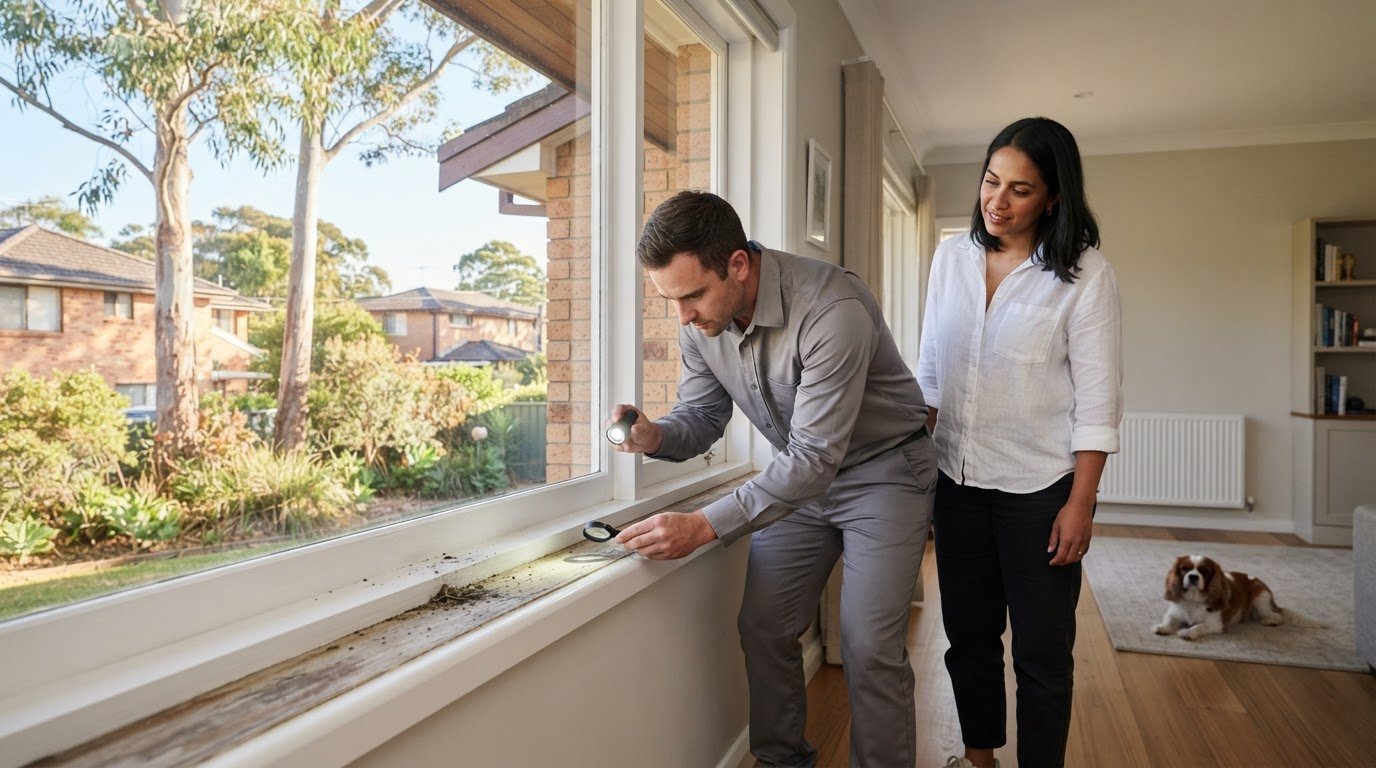
Implementing professional subterranean termite control methods is only half the battle. To ensure long-term protection, you must adhere to the “Annual Inspection” rule. In New South Wales, an annual termite inspection is the minimum standard recommended by Australian Standard AS 3660.2. For high-risk properties near Sydney’s coastal bushland, we often recommend inspections every six months. These assessments don’t just look for active bugs; they identify environmental changes that could invite a new colony to your doorstep. Don’t let your guard down just because you can’t see them. Termites are masters of stealth, and a single missed year can result in thousands of dollars in hidden structural damage.
You might be accidentally inviting termites into your home through “bridging” or “breaching.” Bridging occurs when you create a physical path for termites to crawl over your barrier, such as leaning a timber ladder against a wall or piling firewood against the house. Breaching happens when the barrier itself is disturbed, often during garden renovations or when new plumbing is installed. To avoid this, working with a professional team like INEX Landscaping can ensure that your outdoor improvements are carried out without compromising your termite protection. Always look for early warning signs like mud tubes on foundation walls or what some locals mistakenly call “white ants” flying around lights. If you see these, your defense has likely been compromised.
The 5-Step Prevention Checklist
Homeowner maintenance is your first line of defense. Follow these steps to reduce the attractiveness of your property to foraging colonies:
- Manage Moisture: Fix leaking taps and ensure your sub-floor ventilation is clear to prevent the damp conditions termites crave.
- Mulch Mindfully: Keep garden mulch at least 30cm away from the perimeter of your house; use termite-resistant varieties if possible.
- Clear Weep Holes: Ensure the gaps in your brickwork remain clear of soil, debris, or overgrown plants.
- Check External Structures: Regularly inspect timber fences and retaining walls, as these often serve as “bridgeheads” for colonies.
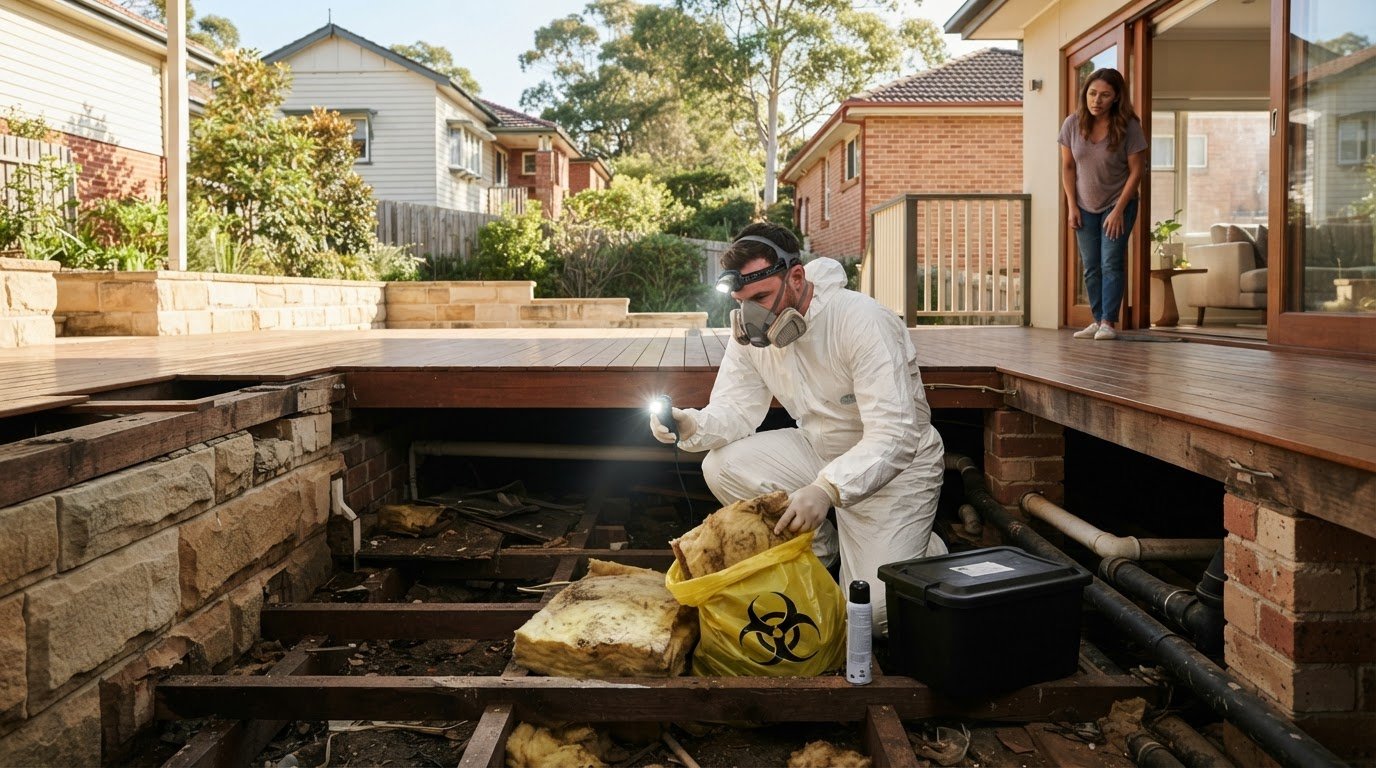
- Eliminate Wood-to-Ground Contact: Remove any scrap timber or cardboard boxes stored directly on the soil in your sub-floor or garage.
Post-Treatment Protocols
After we apply a chemical barrier, you should expect a period of settling. It is common to see a slight increase in activity in the first 14 days as foragers react to the treated zone. Once the application is complete, you will receive a Certificate of Compliance (AS 3660). Keep this document safe; it’s essential for your home’s resale value and warranty. Many homeowners choose to bundle their protection with a professional rodent control service to ensure their property remains entirely pest-free year-round. To secure your property against the next season’s pressure, book your annual termite inspection today and maintain your safety guarantee.
Why ABC Pest Control Sydney is the Leader in Termite Protection
Choosing a partner to defend your home is a major decision for any property owner. ABC Pest Control Sydney brings over 20 years of specialized experience to every property in the Sydney metropolitan area. We understand how the local climate and soil conditions dictate the success of different subterranean termite control methods. Our technicians aren’t just operators; they are seasoned experts trained to handle the most resilient infestations that others might miss. We combine this technical proficiency with a commitment to eco-friendly and pet-safe treatment protocols. Your family’s safety is our priority, which is why we use low-toxicity solutions that meet strict national environmental standards.
The “ABC Advantage” centers on transparency and reliability. You’ll receive a detailed, easy-to-read report after every inspection, outlining exactly what we found and how we plan to resolve the issue. We provide clear, upfront pricing, ensuring you can make an informed choice without the stress of unexpected costs. Our subterranean termite control methods are backed by comprehensive guarantees on all barriers, giving you the peace of mind that your structural integrity is fully protected by a local authority.
Expertise in Complex Sydney Infestations
Standard visual checks aren’t enough for high-risk properties or older Sydney terraces. We use advanced thermal imaging cameras and moisture meters to detect activity hidden deep behind your walls or under floorboards. This specialized equipment allows us to find termites without invasive drilling or unnecessary damage to your home. Our team has successfully saved numerous historic Sydney properties from the brink of structural collapse by identifying colonies that had bypassed older defenses. For total property protection, we often integrate our termite services into a “General Pest Control Package.” This comprehensive approach addresses cockroaches, spiders, and ants alongside your termite defense for total peace of mind.
Get a Professional Termite Assessment Today
If you suspect activity, every hour you wait allows the colony to consume more of your home’s timber. You can inquire about our earliest available appointments, including potential same-day inspections for urgent cases, through our streamlined digital booking system. Our rapid response team is ready to provide the immediate intervention needed to stop damage in its tracks. Do not risk your biggest investment by delaying a professional check. Protect your home with a professional termite inspection from ABC Pest Control Sydney and ensure your property remains a safe, termite-free zone for years to come.
Secure Your Sydney Property Against Silent Invaders
Sydney’s humid climate makes termite protection a necessity, not an option. You now understand how construction types and soil profiles dictate the most effective subterranean termite control methods for your specific home. Whether you opt for a chemical barrier or a baiting system, the key is acting before structural damage becomes irreversible. Waiting for visible signs of activity is a risk you simply can’t afford to take. Professional intervention is the only way to ensure your home remains structurally sound and your property value is preserved.
Our team brings over 20 years of Sydney experience to every inspection. We utilize licensed and insured pest technicians who ensure total compliance with Australian Standards AS 3660. This specialized approach addresses the unique challenges of our local environment, from coastal sands to western clays. Don’t let your biggest investment become a statistic in the next termite season.
Book Your Comprehensive Termite Inspection with ABC Pest Control Sydney today. Take the first step toward a termite-free future and enjoy the permanent peace of mind that comes with expert protection. Your home is your greatest asset; let’s keep it safe together.
Frequently Asked Questions
How much does subterranean termite treatment cost in Sydney?
The total investment for subterranean termite control methods depends on your property’s size, construction type, and the severity of any active infestation. Factors like whether you require a full chemical barrier or a monitoring system will influence the final quote. Because every Sydney home presents unique challenges, we recommend a site-specific assessment to determine the most cost-effective path forward for your property’s structural protection.
Can I do my own subterranean termite control?
DIY treatments are generally ineffective for long-term colony elimination and can make the problem harder to solve. Over-the-counter products often lack the residual strength of professional-grade termiticides and don’t allow for the “Transfer Effect” needed to kill the queen. Without specialized training and high-pressure equipment, you risk missing hidden entry points. This leads to continued structural damage and significantly higher repair bills in the future.
How long does a chemical termite barrier last?
A professionally applied liquid chemical termite barrier typically offers continuous protection for up to eight years. However, this lifespan depends on soil stability, local rainfall, and whether the treated zone remains undisturbed by landscaping or gardening. To maintain your warranty and ensure the barrier hasn’t been breached, you must schedule regular professional reviews. This is a critical part of your home’s ongoing maintenance and prevention strategy.
Are termite baits more effective than liquid barriers?
Neither method is universally better because the right choice depends on your home’s construction and soil profile. Liquid barriers provide a continuous shield that is excellent for slab homes, while baiting systems are often superior for properties with limited access or suspended floors. Many Sydney homeowners find that a hybrid approach provides the most robust defense. This ensures both immediate eradication and long-term monitoring for aggressive local species.
What is the best month to treat for termites in Sydney?
While termites are active year-round in Sydney, late spring and summer are peak times for colony growth and swarming behavior. Treating during these warm, humid months allows professionals to intercept active foragers more easily. However, you shouldn’t wait for a specific season if you suspect activity. Immediate intervention is always the best strategy to minimize timber consumption and prevent structural failure in your Sydney property.
Will termites return after a professional treatment?
Professional treatments are designed to eliminate the active colony, but new colonies can still form in the surrounding soil over time. Termites are a permanent part of the Sydney landscape, and no single treatment offers a lifetime guarantee without maintenance. This is why ongoing monitoring and adhering to professional subterranean termite control methods are vital for keeping your home safe from future invasions.
Is the chemical used for termite barriers safe for my pets?
Yes, the non-repellent chemicals used in modern termite barriers are formulated to be low-toxicity and safe for pets once the solution has dried. Technicians apply these products directly into the soil or through specialized injection points, so there’s no surface residue for your animals to encounter. We prioritize eco-friendly extermination methods that provide maximum protection for your home while ensuring the total safety of your household.
How often do I really need a termite inspection in NSW?
For most properties in Sydney, an annual termite inspection is the absolute minimum standard recommended by Australian Standard AS 3660.2. If your home is located near coastal bushland or has a history of high-difficulty infestations, we strongly recommend inspections every six months. Regular checks are the only way to detect “bridging” or “breaching” of your defenses before the pests cause significant, uninsured structural damage.