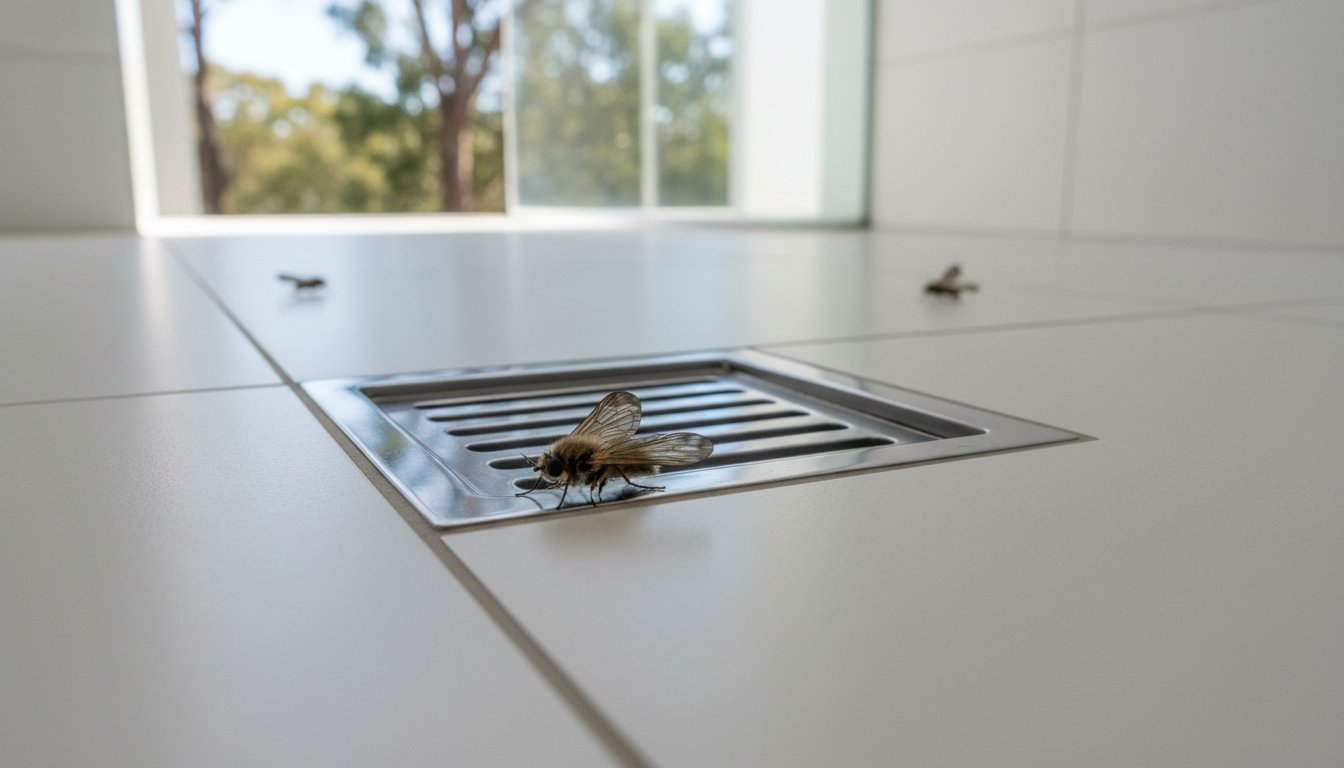
Scrubbing your drains with bleach is likely the worst way to handle the fuzzy invaders in your bathroom. While it feels like a deep clean, you are actually leaving the protective biofilm breeding ground intact while the adult flies simply relocate. It’s a common mistake that leaves many Sydney homeowners feeling defeated. It is incredibly frustrating to see persistent moth flies in house despite your best efforts to keep a spotless home. You shouldn’t have to worry that your kitchen is unhygienic or live in fear of finding maggots in your shower waste. Recent 2026 data shows that Sydney remains a hotspot for these pests, with infestations peaking during our humid summer months.
Discover exactly why these resilient pests are invading your property and learn the professional strategies to eliminate them for good. We provide a clear roadmap to complete eradication and long-term prevention. This guide covers the science of enzymatic disruption, professional-grade drain treatments, and the specific steps you need to take to ensure a hygienic, fly-free home. Stop the cycle of recurrence today with expert intervention that actually works and restores your peace of mind.
Key Takeaways
- Identify these pests by their unique heart-shaped wings and erratic flight patterns to confirm you are dealing with a drainage-based infestation.
- Understand why the gelatinous biofilm inside your pipes protects larvae from water and why standard household chemicals often fail to reach them.
- Learn the “overnight tape test” to pinpoint exact breeding locations and the mechanical scrubbing steps required to physically disrupt the life cycle.
- Discover why persistent moth flies in house require targeted treatment and how a General Pest Control Package provides a total resolution for your property.
- Avoid damaging DIY mistakes like using bleach or boiling water, which can harm your plumbing without eliminating the source of the flies.
Identifying Moth Flies in Your House: More Than Just a Nuisance
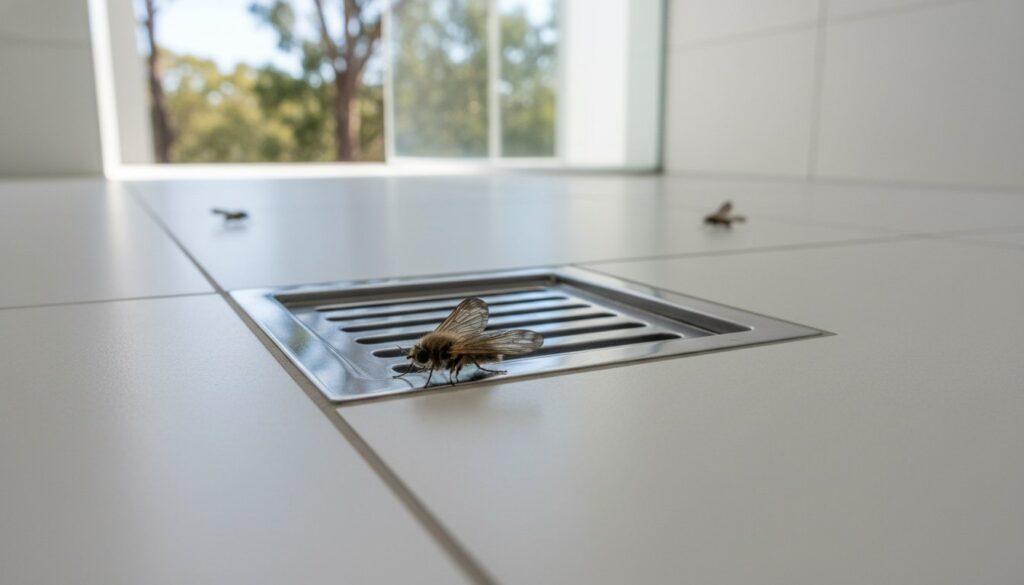
Seeing tiny, fuzzy insects hovering around your bathroom mirror is a clear sign of an infestation. These are moth flies, formally known as members of the Psychodidae family of flies. They are small, hairy, and possess distinct heart-shaped wings that make them look more like miniature moths than typical houseflies. Unlike the common fly, they have an erratic, short flight pattern. They don’t zip across the room; they hop from surface to surface in jerky bursts. If you notice moth flies in house drains or laundry areas, they are there because of decaying organic matter. They thrive in the thick, gelatinous sludge that builds up inside your plumbing.
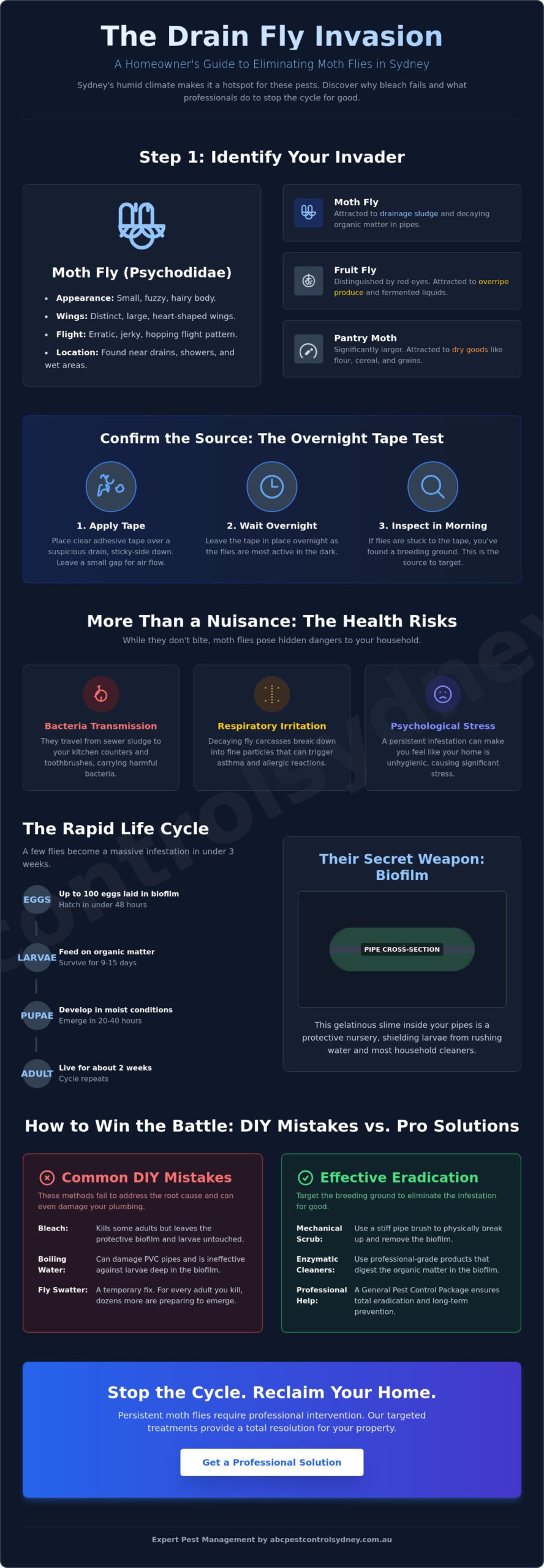
You can confirm their breeding site with a simple ‘Drain Test’ tonight. Take a piece of clear adhesive tape and secure it across the top of a suspicious drain, sticky side down. Leave it overnight. If you find flies stuck to the tape in the morning, you’ve identified a primary breeding ground. This confirms that larvae are developing within the pipe’s biofilm, hidden from view. Identifying the source is the only way to stop the cycle of recurrence.
Moth Flies vs. Fruit Flies and Pantry Moths
Misidentifying a moth flies in house problem leads to wasted money on the wrong treatments. Fruit flies are easily distinguished by their bright red eyes and love for overripe produce. Pantry moths are significantly larger and target dry goods like flour or grains. Moth flies stay close to wet areas like showers, floor wastes, and kitchen sinks. Correct identification is the vital first step in effective pest management. Treating a drain fly like a pantry moth will never solve the root cause of the problem.
Are Moth Flies Dangerous to Your Health?
While these insects don’t bite, they are far from harmless. They live and breed in sewers and drains. When they land on your kitchen counters or toothbrushes, they can mechanically transmit harmful bacteria picked up from the sludge. Large infestations also pose a risk to respiratory health. As their tiny carcasses decay, they break down into fine particles that can trigger asthma attacks or allergic reactions in sensitive individuals. Beyond the physical risks, the psychological stress is significant. Feeling like your home is unhygienic despite constant scrubbing can be incredibly draining for any homeowner.
The Moth Fly Life Cycle: Why Your Drains Are the Perfect Nursery
Understanding the biological speed of these pests is the first step toward reclaiming your home. The Drain fly life cycle is remarkably fast, often completing a full rotation from egg to adult in just 10 to 20 days. A single female can deposit up to 100 eggs at a time directly into the moist, nutrient-rich film of your pipes. Within 48 hours, these eggs hatch into larvae that immediately begin feeding on organic matter. This rapid turnover is why a few stray moth flies in house can escalate into a massive infestation in less than a fortnight.
The secret to their survival is a substance called biofilm. This is the gelatinous, bacterial slime that coats the interior of your plumbing and floor wastes. It isn’t just waste; it’s a high-tech protective shield. Moth fly larvae are incredibly resilient and can survive in low-oxygen environments that would kill other insects. They even possess tiny hooks on their bodies to prevent being washed away by rushing water. Most standard household cleaners simply slide over the top of this biofilm, leaving the larvae completely untouched and thriving underneath.
Stop reaching for the fly swatter. Killing the adult flies you see on your bathroom walls is a temporary fix that ignores the biological reality of the situation. For every adult you squash, dozens of pupae are preparing to emerge from your drains. To stop the infestation, you must target the nursery itself. If you find the cycle of recurrence is getting out of hand, a professional General Pest Control Package can provide the comprehensive treatment needed to reset your home’s hygiene levels.
Where Moth Flies Breed in Sydney Homes
Sydney’s humid climate creates specific hotspots where these flies thrive. Kitchen sinks and garbage disposal units are prime targets due to the constant buildup of trapped food debris. Bathroom floor wastes and shower drains are equally problematic, as they collect a mix of hair, soap scum, and shed skin cells. During our peak summer months, check your air conditioning unit. Condensation lines often become clogged with organic sludge, providing an ideal, out-of-sight nursery for larvae to flourish away from your primary drains.
The Role of Biofilm in Infestation Longevity
Biofilm acts as both a protective bunker and a constant food source for developing larvae. Because this slime is water-resistant and highly adhesive, traditional liquid drain cleaners rarely penetrate deep enough to reach the breeding population. You cannot simply pour a bottle of bleach down the sink and expect results. Total elimination requires the physical or enzymatic breakdown of that organic sludge. Without removing the biofilm, the flies will inevitably return within days, regardless of how many adults you kill.
DIY Moth Fly Remedies vs. Professional Pest Control
Pouring boiling water down the drain is the most common advice you will find online, but it is almost entirely ineffective. While it might kill a few surface larvae on contact, the water cools down significantly the moment it hits your cold plumbing pipes. It rarely maintains the temperature needed to penetrate the thick, protective biofilm where the majority of the population lives. As documented in research regarding Moth flies in the home, these pests are remarkably resilient to temperature fluctuations once they are nestled inside their gelatinous nurseries.
Bleach is another popular DIY choice that often does more harm than good. It is a harsh, corrosive chemical that can damage your pipe seals and joins over time. More importantly, bleach lacks the surfactant properties needed to dissolve organic sludge. It simply slides over the top of the biofilm, leaving the larvae underneath completely unharmed. To actually eliminate moth flies in house, you must use enzymatic drain cleaners. These specialized products contain living bacteria or enzymes that “eat” the organic matter, stripping away the flies’ food source and habitat. Pair this with mechanical cleaning. Use a stiff pipe brush to physically scrub the interior walls of your drains. This physical disruption is the only way to ensure the breeding site is truly destroyed.
Common Home Remedies: What Works and What Doesn’t
Vinegar and baking soda “bombs” are great for clearing minor hair clogs, but they are far too weak to dissolve the complex bacterial slime that supports a fly infestation. Similarly, light traps and electric zappers can be satisfying because they catch the adults you see buzzing around your bathroom mirror. However, they are a band-aid solution. They treat the symptom without addressing the cause. Use the duct tape test as a diagnostic tool to find the source, but don’t expect it to stop the breeding cycle. If the larvae remain in the drain, new adults will emerge within days.
When DIY Efforts Aren’t Enough
Persistent infestations that survive multiple rounds of scrubbing often point to a deeper structural issue. This can include a cracked pipe under your home’s slab or a breach in the main sewer line where organic matter is accumulating in the soil. Ignoring these signs is a mistake. A thriving population of moth flies in house can eventually attract secondary pests, such as spiders or cockroaches, that feed on the flies or the decaying matter. If your efforts haven’t cleared the problem within two weeks, you need professional pest control Sydney to locate the hidden breach and provide a total resolution.
Step-by-Step Guide to Eradicating Moth Flies in Sydney Homes
Eliminating an infestation requires more than a surface clean. You must systematically destroy the breeding habitat to stop the emergence of new adults. Follow these five professional steps to clear moth flies in house drains and restore hygiene to your living spaces.
- Step 1: Identify Breeding Sites. Place clear adhesive tape over every drain in your home before bed. Ensure the sticky side faces down but doesn’t completely block airflow. Check the tape in the morning for trapped flies to pinpoint exactly which pipes are infested.
- Step 2: Physical Biofilm Removal. Remove the drain grates. Use a long, stiff pipe brush to scrub the interior walls of the pipe. You must physically break up the gelatinous sludge, as this is the only way to expose the larvae.
- Step 3: Apply Microbial Gel. Pour a professional-grade enzymatic or microbial drain gel down the scrubbed pipes. These products contain specialized bacteria that digest the remaining organic matter that a brush cannot reach.
- Step 4: Inspect Structural Areas. Check your sub-floors and crawl spaces for stagnant water or leaking pipes. In many older Sydney homes, a cracked pipe under the house can create a massive breeding ground that drain cleaning won’t fix.
- Step 5: Maintain Weekly Flushes. Once the flies are gone, prevent their return by flushing your drains weekly with very hot water and a mild detergent to stop new biofilm from forming.
Targeting the Bathroom: Sinks, Showers, and Floor Wastes
Bathroom drains are the most common hotspots because they trap hair and skin cells. This organic mix acts as a structural anchor for the biofilm. Remove the shower grate and use a coat hanger or a specialized hook to pull out any hair clogs from the U-bend. If you live in a Sydney apartment, remember that your floor waste often connects to shared plumbing lines. This means larvae can migrate from neighboring units if the building’s stack isn’t properly maintained. Focus your scrubbing efforts on the ‘S-trap’ where water sits, as this is the larvae’s preferred nursery.
Targeting the Kitchen and Laundry
Kitchens present unique challenges due to food waste and grease. Inspect your dishwasher filter and the overflow pipes, as these often collect a layer of slime that attracts flies. In the laundry, move the washing machine to check for hidden leaks or dampness behind the unit. Garbage disposals should be flushed regularly with citrus-based cleaners to break down fats. If these steps don’t stop the moth flies in house, you likely have a deeper issue. Book our General Pest Control Package to identify and treat hidden breeding sites throughout your entire property.
Professional Pest Management: The ABC Pest Control Sydney Advantage
Eliminating moth flies in house drains requires a level of precision that standard cleaning simply cannot match. ABC Pest Control Sydney has spent over 20 years mastering the complexities of the local pest landscape. We recognize that a fly infestation is rarely an isolated event; it is often a symptom of underlying moisture or decay. Our professional approach moves beyond the surface to find the root cause of the problem. We offer a comprehensive General Pest Control Package that manages moth flies alongside 15 other common household pests. This ensures your home is protected from every angle, providing the total resolution you deserve.
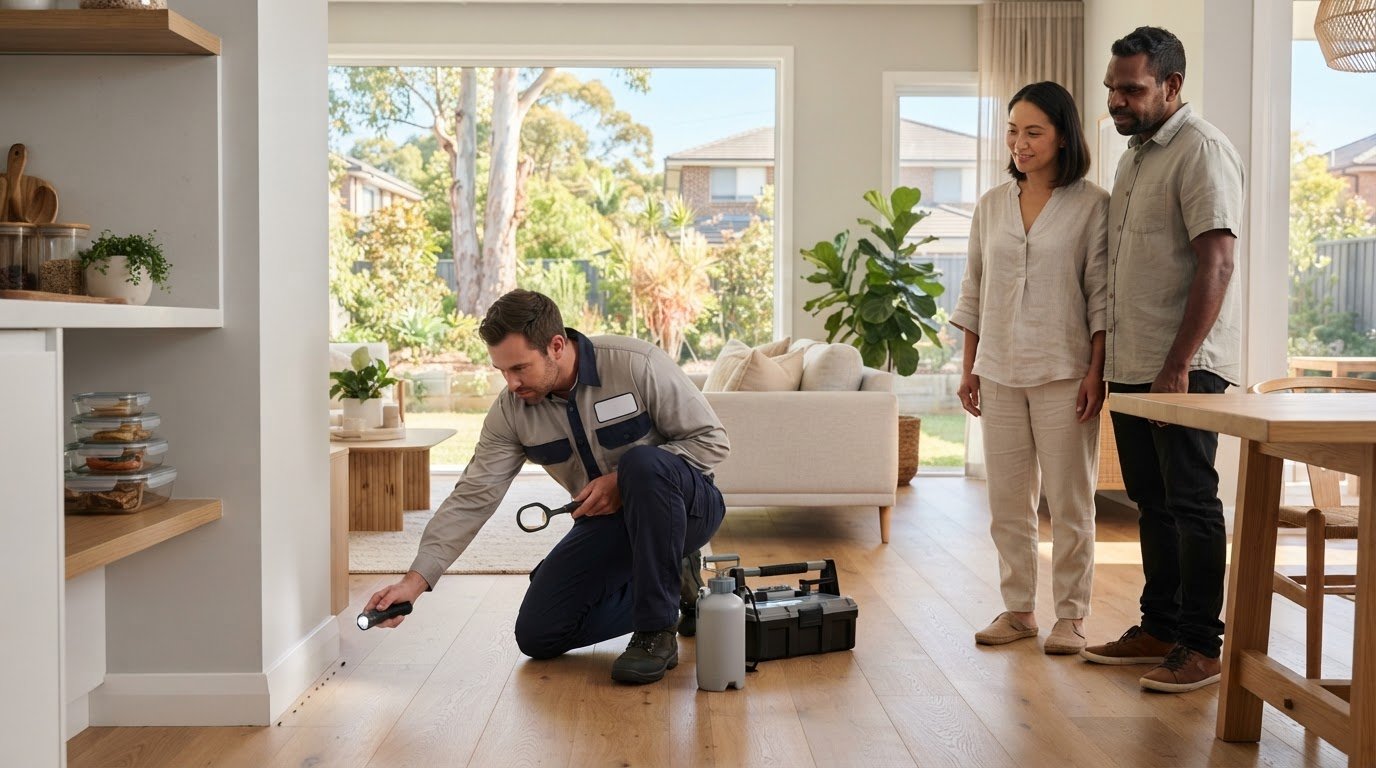
Our technicians utilize high-end diagnostic tools to solve high-difficulty challenges that DIY methods miss. We use thermal imaging cameras and moisture meters to detect hidden leaks behind walls or under floorboards. These damp areas are the primary breeding grounds for resilient fly populations and are often invisible to the naked eye. By identifying these hotspots, we apply targeted treatments that dissolve the problem at its source. You don’t have to guess where the flies are coming from. We provide the technical certainty you need for total peace of mind and long-term results.
Safety is our non-negotiable priority during every intervention. ABC Pest Control Sydney employs eco-friendly and family-safe extermination methods that adhere to strict national regulatory standards. Our treatments are designed to be effective against pests while remaining responsible toward the environment and your household’s health. We aim for tangible outcomes: a hygienic, fly-free home without the use of harsh, unnecessary chemicals. Trust in a seasoned authority that values your safety as much as your satisfaction. We mitigate your anxiety by using proven, reliable methods that work the first time.
Why Sydney Homeowners Trust ABC Pest Control Sydney
Sydney’s diverse architecture requires a localized expert who understands the difference between a Victorian terrace’s plumbing and a modern apartment’s stack system. We’ve spent decades navigating these regional nuances. Our reputation is built on reliability and efficiency. Whether you are dealing with moth flies in house or require specialized rodent control, we have the specialized training to intervene effectively. Our digital booking process is streamlined for modern convenience. You can secure a professional intervention in minutes, respecting your time and the urgency of your situation.
Long-Term Prevention and Maintenance Plans
A one-time treatment is just the beginning of a pest-free lifestyle. We believe in proactive maintenance to prevent the return of unwanted insects. Regular professional inspections identify early warning signs of moisture buildup or organic accumulation before they escalate into a crisis. We provide every client with a customized prevention roadmap tailored to their specific property type. This authoritative guidance helps you maintain a hygienic environment year-round. Don’t let your home feel unhygienic for another day. Take decisive action now to protect your family and your property. Book your Sydney pest control service online today and experience the reliability of expert intervention.
Reclaim Your Hygienic Home Today
Living with a persistent infestation makes any home feel unclean. You now understand that these pests are not just a surface nuisance; they are a biological signal of hidden biofilm. Success requires moving beyond temporary fixes to systematically destroy the organic sludge nestled deep within your plumbing. If you continue to see moth flies in house drains or laundry areas despite your best efforts, it’s time to address the root cause before the population escalates further or attracts secondary pests.
Stop the cycle of recurrence with a professional approach that prioritizes your family’s safety. ABC Pest Control Sydney offers over 20 years of local experience in handling the most resilient drainage-based infestations. We utilize advanced moisture detection to locate hidden nurseries and apply eco-friendly, pet-safe treatments that restore your home’s hygiene. You don’t have to tolerate an “unclean” feeling in your own bathroom. Solve your fly problem now with a professional Sydney pest treatment and enjoy the peace of mind that comes with expert intervention. Take the final step toward a truly fly-free home today.
Frequently Asked Questions
How do I get rid of moth flies in the bathroom fast?
Scrubbing your drains with a stiff pipe brush and applying a microbial gel is the fastest way to reduce their numbers. This physical action breaks up the breeding habitat immediately. You can vacuum or swat the adult flies you see on the walls, but the population will only disappear once the larvae in the drains are eliminated.
What kills moth fly larvae in drains permanently?
Removing the gelatinous biofilm is the only way to kill larvae permanently. Without this organic slime, the larvae have no food or protection from water. Mechanical scrubbing followed by a bacterial digester ensures the pipe walls remain clean. This prevents new eggs from surviving and stops the infestation from returning.
Are moth flies and drain flies the same thing?
Yes, moth flies and drain flies are common names for the same family of insects known as Psychodidae. They are also occasionally referred to as filter flies or sewage flies. Regardless of the name used, the treatment remains identical. You must target the organic buildup in the plumbing to see results.
Can moth flies live in the kitchen even if it’s clean?
Yes, moth flies can thrive in a spotless kitchen because their primary habitat is inside the plumbing. Even if your counters are bleached daily, food particles and grease accumulate in the U-bend of your sink. This creates a perfect nursery for moth flies in house drains that is completely hidden from your daily cleaning routine.
Why do moth flies keep coming back after I use bleach?
Bleach fails because it is a corrosive liquid that doesn’t penetrate the thick, water-resistant biofilm. It simply slides over the surface, leaving the majority of the larvae safe and unharmed underneath. You must use an enzymatic product that actually digests the organic sludge to stop the cycle of recurrence for good.
What is the best drain cleaner for moth flies in Australia?
Microbial or enzymatic drain gels are the most effective products available at Australian retailers like Bunnings or specialized plumbing stores. These products contain living bacteria that consume the organic sludge. Avoid using standard caustic cleaners. They often damage your pipes without actually solving the underlying fly problem.
Do moth flies bite humans or pets?
No, moth flies do not bite humans or pets. They don’t have the mouthparts required to pierce skin. However, they still pose a health risk. They can mechanically transmit harmful bacteria from sewers onto your kitchen surfaces, food, or toothbrushes, which is why immediate eradication is essential for home hygiene.
How long does it take to get rid of a moth fly infestation?
You can usually resolve a moth flies in house infestation within 7 to 14 days if you correctly identify and destroy every breeding site. If you still see flies after two weeks of consistent drain cleaning, you likely have a hidden leak or a structural breach that requires professional diagnostic tools.