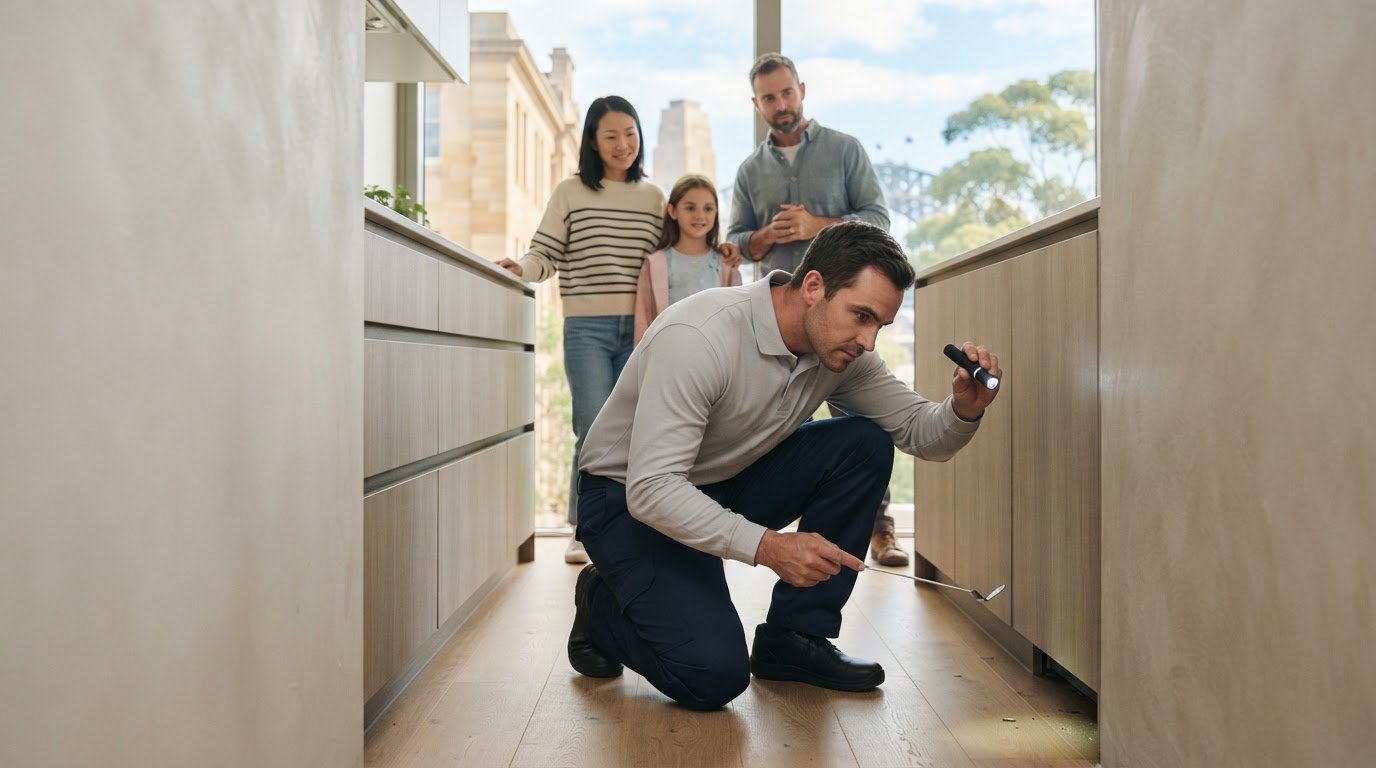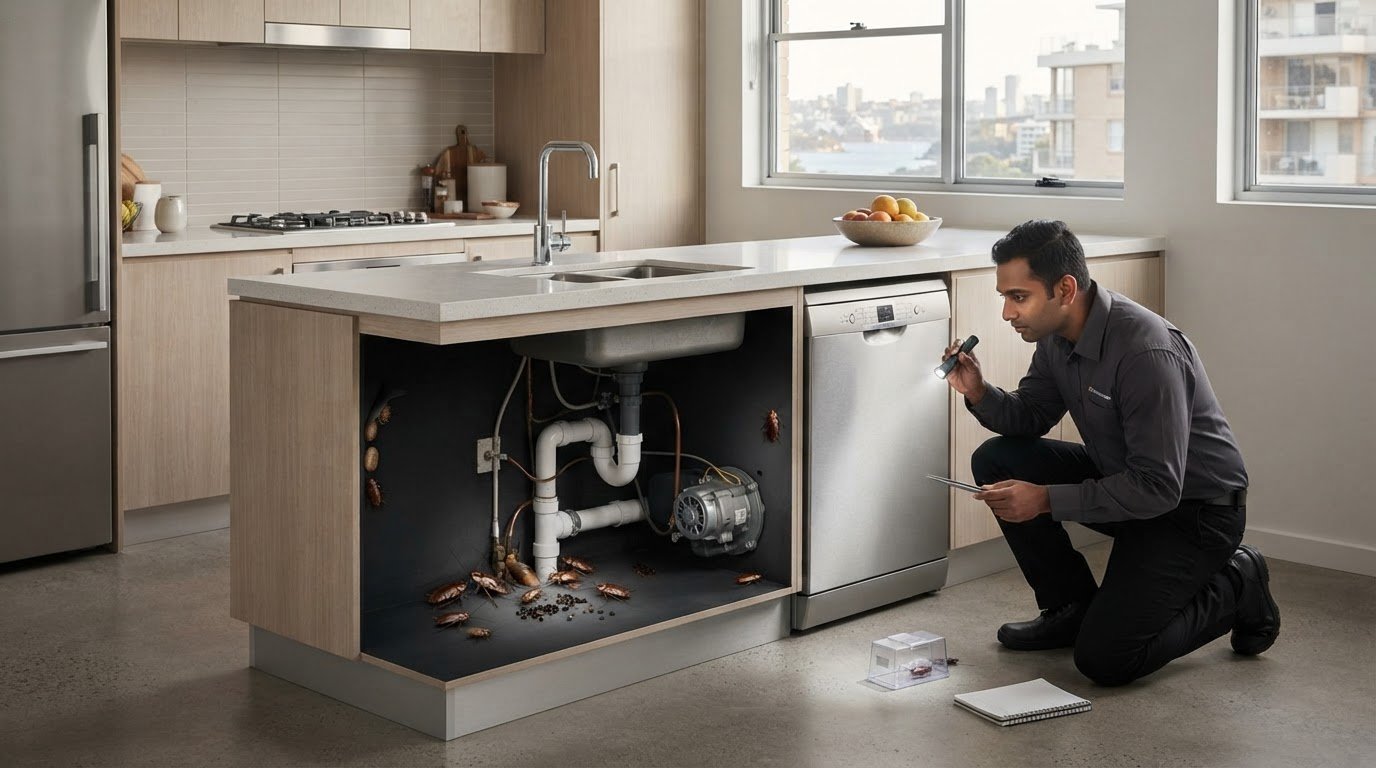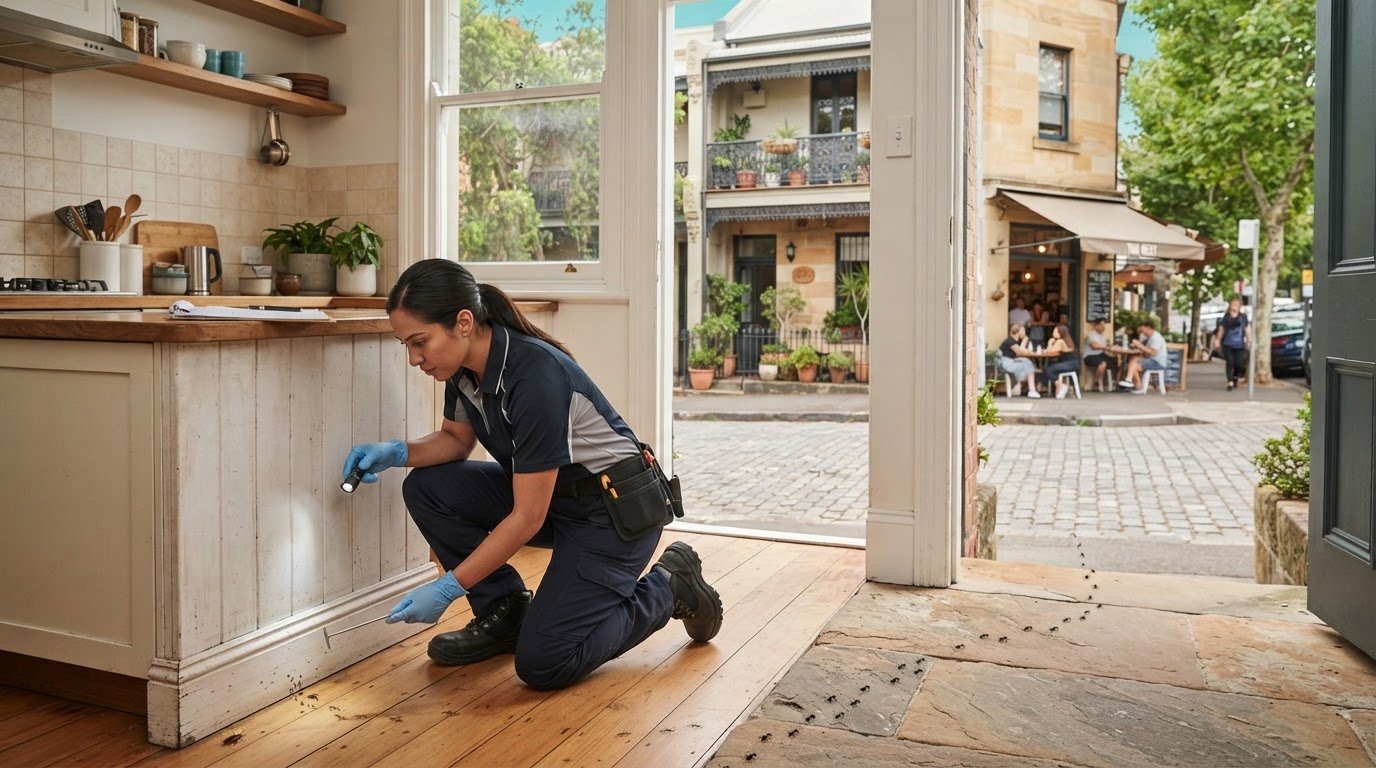


Does living in an apartment make bed bugs more likely in your home? Bed bugs are a common problem across high-density Sydney suburbs, but a shared building isn’t proof of an infestation. They can hitch a ride on luggage, clothing or second-hand furniture. Bites or marks alone don’t confirm what’s causing them.
It’s understandable to worry about bed bugs spreading between apartments or about a DIY treatment disturbing the problem. Start by looking for clearer signs, such as live insects, shed skins or small dark stains on bedding. Photograph and note what you find without moving potentially affected items.
This article explains how bed bugs travel in apartment settings, which signs to look for and how to respond without spreading them. ABC Pest Control Sydney provides specialist treatment for difficult infestations, including bed bugs, with tailored support for residential properties.
Key Takeaways
- Apartment living alone doesn’t confirm an infestation, even in high-density Sydney suburbs.
- Physical signs near sleeping areas are more useful to document than bites alone.
- If you find possible evidence, limit movement, record what you see and notify the appropriate building contact.
- Travel and second-hand furniture can give bed bugs an opportunity to hitchhike. Practical precautions can reduce that risk.
- For credible or recurring signs, a specialist assessment can help identify the issue and guide treatment for your property.
Why Bed Bugs Concern Residents in High-Density Sydney Suburbs
Finding an unfamiliar mark on bedding or waking with itchy skin can be unsettling, especially when you live close to other households. But apartment density alone doesn’t mean bed bugs are present, or that an issue in one unit has spread throughout the building. Bed bugs feed on people and can travel discreetly in belongings. Learn more about their biology and behaviour in this Bed bug overview.
A building’s density describes how closely homes are grouped; it doesn’t confirm bed bugs in any apartment. Confirmation depends on credible evidence, not an address, shared wall or neighbour’s report. Bed bugs are a common problem across high-density Sydney suburbs, but that doesn’t mean every unit in the CBD, Surry Hills, Parramatta or Chatswood is affected.
How bed bugs can enter apartments and homes
Bed bugs are hitchhikers. They may arrive in luggage after a trip, on clothing or with furniture and other belongings. Their presence isn’t a sign that a home is dirty; they can be introduced into clean, well-kept properties. Shared walls, corridors and common areas are reasons to report credible evidence through the right building channels, but they don’t prove how an insect arrived or that it has travelled between apartments.
What density changes, and what it does not
In a building with multiple homes, clear communication can help residents and building contacts respond appropriately when evidence is found. It can also prevent speculation and unnecessary disruption. One report doesn’t establish that every unit is affected. Assess each concern on its own evidence, and follow the building’s communication process if signs are credible.
Close living changes the value of coordination, not the standard of proof. If a resident in a Chatswood unit finds evidence, for example, nearby residents don’t need to assume their own homes are infested. Stay attentive, avoid spreading unverified claims and pass relevant information to the appropriate building contact.
Panic can lead to rushed actions, while ignoring credible signs can delay a useful assessment. Keep the response calm and proportionate. Focus on what you can observe and share, rather than drawing conclusions from the suburb or building type. The next step is to learn which signs provide more useful evidence than bites alone.
How to Recognise Bed Bug Evidence Before Taking Action
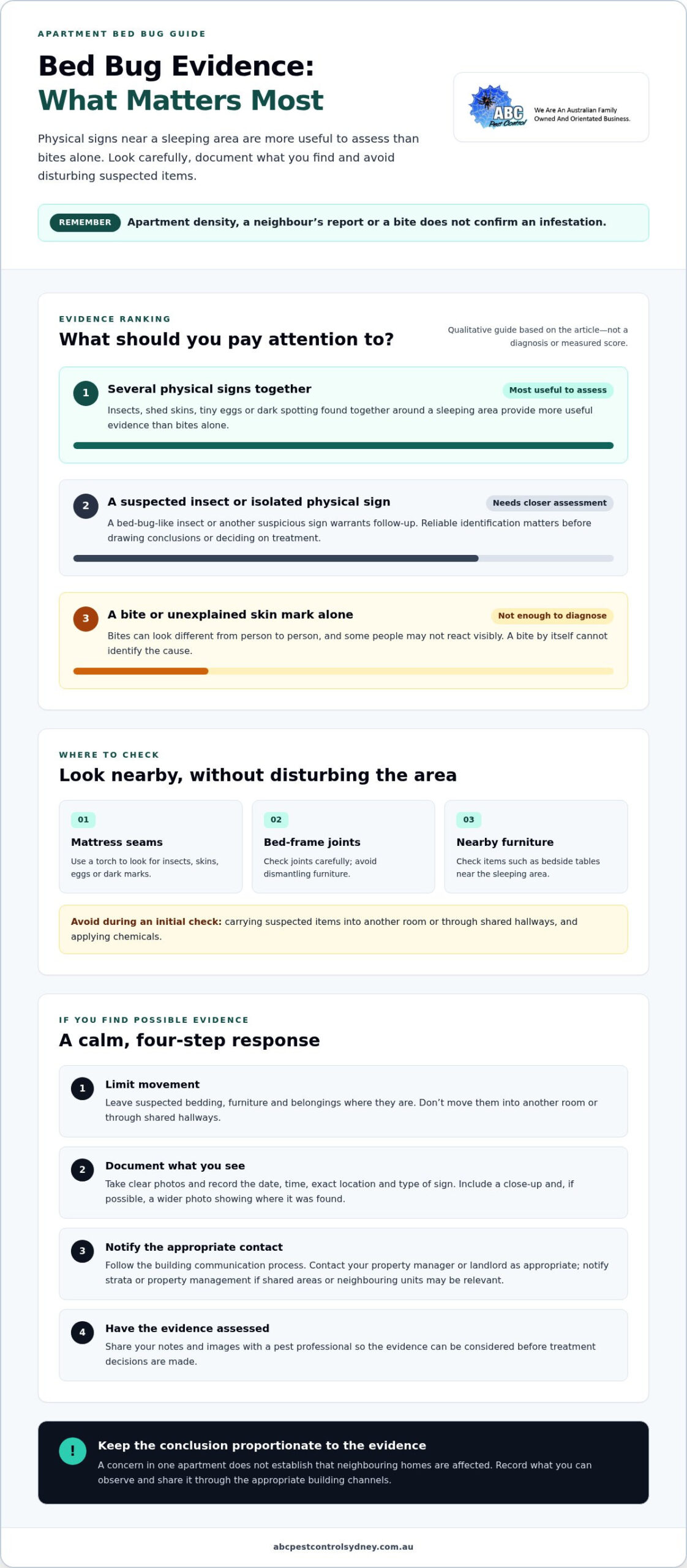
A bite or unexplained mark can raise concern, but it can’t identify the cause by itself. Bed bug bites may look different from person to person, and some people may not react visibly. Look for physical evidence too: live insects, pale shed skins, tiny eggs or dark spotting on or near bedding. These signs are more useful when found together around a sleeping area.
Suggestive signs are a reason to look closer, not proof of bed bugs until an insect or other evidence is reliably identified. The CDC information on identifying bed bug infestations describes common signs and hiding places. If you spot something suspicious, photograph it clearly and note where and when you found it. Include a close-up and, if possible, a wider image showing its location.
Where to check without disturbing the area
Use a torch to check mattress seams, bed-frame joints and nearby furniture, such as bedside tables. Look for insects, shed skins, eggs or dark marks. Avoid dismantling furniture, carrying suspected items through hallways or moving them into another room. Don’t apply chemicals during this initial check. Unnecessary disturbance can make evidence harder to assess.
When a bite or insect sighting needs follow-up
A single bite is not enough to diagnose bed bugs. Repeated signs near sleeping areas, or an insect that resembles a bed bug, warrant closer assessment. Keep photographs and notes together. If you can do so without handling it directly, preserve any suspected insect in a secure container. Clear evidence can help a pest professional assess what you’ve found and decide on an appropriate next step.
Record the date, room and exact location of each sign. Note whether you found an insect, spotting, eggs or shed skins rather than relying on a description of skin marks alone. This record can help distinguish a recurring pattern from an isolated, uncertain observation. If signs continue or you’re unsure what you’ve photographed, a professional bed bug assessment can help clarify the issue before you take further action.
Bed Bugs in Sydney Apartments: How to Respond Without Spreading Them
A suspected sighting doesn’t mean the whole building is affected. A calm, organised response helps preserve useful evidence and gives the right people a chance to assess the situation. Bed bugs are a common problem across high-density Sydney suburbs, so clear communication matters. Treat a report as a concern to assess, not proof that neighbouring units are infested.
What residents can do immediately
Follow these steps after finding credible signs:
- Limit movement. Leave suspected bedding, furniture and belongings where they are. Don’t carry them through shared hallways or into another room.
- Document what you see. Take clear photos and note the date, time and exact location. Record whether you saw an insect, spotting, shed skins or another sign.
- Notify the appropriate contact. Follow your lease and building communication process. Contact your property manager or landlord as appropriate, and notify strata or property management if shared areas or neighbouring units may be relevant.
- Seek an assessment. Share your notes and images with a pest professional so the evidence can be considered before treatment decisions are made.
Avoid unverified sprays, foggers and improvised treatments. They can disturb insects or leave residues that complicate an assessment. Household actions may help keep evidence undisturbed, but shouldn’t be treated as a reliable way to eliminate an established infestation.
How strata and property managers can coordinate
Good coordination starts with facts and respect for privacy. Residents can report the location and nature of signs directly to the appropriate contact rather than circulating speculation in building-wide chats. Property managers or strata can record reports, keep personal details discreet and arrange a consistent assessment process for areas relevant to each report.
Keep the process proportionate. A report from one apartment doesn’t establish that every unit or shared area is affected. If more than one location is involved, clear records can help the relevant people understand where concerns have arisen and what needs assessment, without alarming residents or making assumptions about the source.
Keep communication practical: describe what was seen, where it appeared and when. Follow the building’s usual process while awaiting assessment. Coordinated action can reduce confusion and help residents avoid moving items or applying treatments that make the situation harder to evaluate.
Preventing Bed Bugs in High-Density Housing: Practical Habits That Help
Simple checks can reduce the chances of bringing bed bugs home, even in a busy apartment building. They can’t guarantee a pest-free property. Bed bugs are a common problem across high-density Sydney suburbs, but sensible habits are useful anywhere people travel, move belongings or buy used furniture.
Travel and second-hand furniture precautions
After a trip, inspect luggage and clothing before putting them near beds or bedroom storage. Check seams, pockets and folds, and look over luggage before storing it. If you notice suspicious signs, keep the item separate from sleeping areas while you decide on a sensible next step. Don’t assume that one mark or insect automatically confirms bed bugs.
Check second-hand furniture carefully before bringing it into your apartment. Examine seams, joints, crevices and the underside for insects, shed skins or dark spotting. Pay particular attention to places where fabric meets the frame. If you can’t inspect an item adequately or something looks suspicious, pause before moving it indoors. A careful check can reduce the chance of carrying an unwanted hitchhiker into your home.
These precautions reduce opportunities for bed bugs to travel with belongings, but they can’t eliminate the possibility of an infestation. Stay alert to credible signs without treating routine travel or furniture purchases as a cause for alarm.
Building-wide communication without panic
Strata managers and property managers can make reporting clearer with neutral, practical language. Tell residents how to report suspected signs and which building contact to use. Explain that reports will be assessed, without suggesting every apartment is affected or identifying residents who have raised a concern.
Keep communication factual and discreet. Record the locations residents report, protect their privacy and coordinate assessment of relevant areas where appropriate. Avoid blame. Bed bugs can arrive with belongings, and their presence isn’t evidence of poor housekeeping or carelessness.
- Ask residents to report what they saw, where they saw it and when.
- Share the established reporting process rather than encouraging speculation in shared chats.
- Provide updates that distinguish a reported concern from a confirmed identification.
Clear, calm communication helps residents respond consistently while limiting unnecessary worry. If you have credible or recurring signs, specialist bed bug assessment can help clarify what’s happening and guide a response suited to your property. Explore expert bed bug treatment for support with a suspected infestation.
When to Call a Sydney Bed Bug Specialist
Repeated signs near sleeping areas deserve a closer look. So does uncertainty after finding a suspected insect, especially if you continue to notice evidence while keeping the area undisturbed. A specialist assessment can help establish whether what you’ve seen is consistent with bed bugs and what response is appropriate. You don’t need to wait until the problem feels overwhelming to ask for guidance.
What a professional assessment helps clarify
A pest professional can assess the affected area and consider the evidence you’ve documented. Treatment planning depends on the property and assessment findings, so don’t assume one approach suits every home. If treatment is recommended, get preparation instructions from the professional treating your property. Avoid generic advice or applying products beforehand, as this may affect the assessment.
In an apartment building, an assessment can also help keep the response proportionate. A concern in one unit isn’t automatic proof that other homes are affected. Share relevant photos, notes and information about where signs appeared. If shared areas or another unit may be relevant, follow your building’s established communication process so concerns can be considered without unnecessary alarm.
Getting help for a bed bug concern in Sydney
There’s no need to feel embarrassed. Bed bugs can be introduced into a home on belongings, and an assessment is a practical way to replace uncertainty with informed next steps. Avoid moving suspected items around or trying repeated DIY treatments while you wait for professional guidance.
ABC Pest Control Sydney provides specialist bed bug extermination across metropolitan Sydney, backed by more than 20 years of pest-management experience. The team assesses the affected area and tailors pest management to the property and findings. Bed bugs are a common problem across high-density Sydney suburbs, but that doesn’t mean every apartment needs treatment. Decisions should follow credible signs and a considered assessment.
For additional removal guidance, read the “How to Get Rid of Bed Bugs” guide. If you’ve found credible or recurring signs, arrange a specialist bed bug assessment with ABC Pest Control Sydney.
Take Calm, Practical Steps Toward a Bed Bug-Free Home
Apartment density calls for clear communication, not assumptions. Bed bugs are a common problem across high-density Sydney suburbs, but a building’s layout alone doesn’t confirm an infestation. Look for physical evidence, document what you find and follow your building’s reporting process. Don’t move suspected items or try unverified treatments.
Checking luggage after travel and inspecting second-hand furniture before bringing it inside can reduce opportunities for bed bugs to hitchhike, though these habits can’t guarantee a pest-free home. If signs are credible, repeated or uncertain, a specialist assessment can help clarify the issue and guide a response suited to your property.
ABC Pest Control Sydney treats difficult infestations, including bed bugs, across metropolitan Sydney. With more than 20 years of pest-management experience, the team can help you move from concern to informed next steps. Get expert help with a bed bug concern in Sydney and take the next step with confidence.
Frequently Asked Questions
Are bed bugs more common in high-density Sydney suburbs?
Not necessarily. Apartment density alone can’t show whether a home is infested. Bed bugs are a common problem across high-density Sydney suburbs, but their presence depends on credible signs in a property, not its postcode or building type. They can hitchhike on luggage, clothing and furniture into homes of any size. Check for physical evidence and report a concern through the appropriate building process rather than assuming nearby apartments are affected.
Can bed bugs travel between apartments in a Sydney building?
Yes, bed bugs may move between homes, but they’re often transported on belongings such as luggage, clothing or furniture. Living in the same building as someone who has reported bed bugs doesn’t mean your apartment is infested. If you notice signs, leave relevant items in place, document what you found and follow the building’s communication process. Avoid carrying potentially affected belongings through shared hallways or into another unit.
What are the first signs of bed bugs in an apartment?
Look for physical evidence near sleeping areas, including live insects, shed skins, eggs or small dark spots on bedding and nearby surfaces. Bites alone can’t confirm bed bugs because skin reactions vary between people and may have other causes. Check mattress seams, bed frames and nearby furniture calmly. Photograph suspected evidence and note where and when you found it. Repeated physical signs warrant closer assessment.
Can bed bugs spread through shared walls or common areas?
Bed bugs can move around a building, but a shared wall, corridor or common area doesn’t prove they’ve travelled between apartments. They can also be carried in on personal belongings. If there are credible signs in a shared area, report the location to strata or property management so it can be assessed. Don’t treat a neighbour’s report as confirmation that your own apartment is affected.
Should I tell my strata manager if I find bed bugs?
Yes. Follow your building’s communication process and notify strata or property management if you find credible signs, particularly if shared areas or neighbouring units may be relevant. Share factual details: what you saw, where it appeared and when. Photos can help explain the concern. Keep the report discreet and avoid naming or blaming other residents. A single report should prompt appropriate assessment, not assumptions that the entire building is affected.
Can I get rid of bed bugs in an apartment with DIY spray?
DIY spray shouldn’t be relied on to eliminate an established bed bug infestation. Bed bugs hide in small spaces, and an incorrect or unverified treatment may disturb them or complicate assessment. Avoid foggers and improvised chemical applications, especially before an inspection. Instead, keep suspected items in place, document signs and seek professional guidance if evidence is repeated or credible. Follow preparation and safety instructions from the professional treating your property.
When should I call a bed bug specialist in Sydney?
Arrange a professional assessment if you repeatedly find credible signs, see a suspected insect near a sleeping area or remain unsure after a sighting. An assessment can help determine whether the evidence is consistent with bed bugs and guide treatment planning based on your property and what’s found. ABC Pest Control Sydney provides specialist bed bug extermination across metropolitan Sydney, backed by more than 20 years of pest-management experience. Don’t be embarrassed to ask for help.