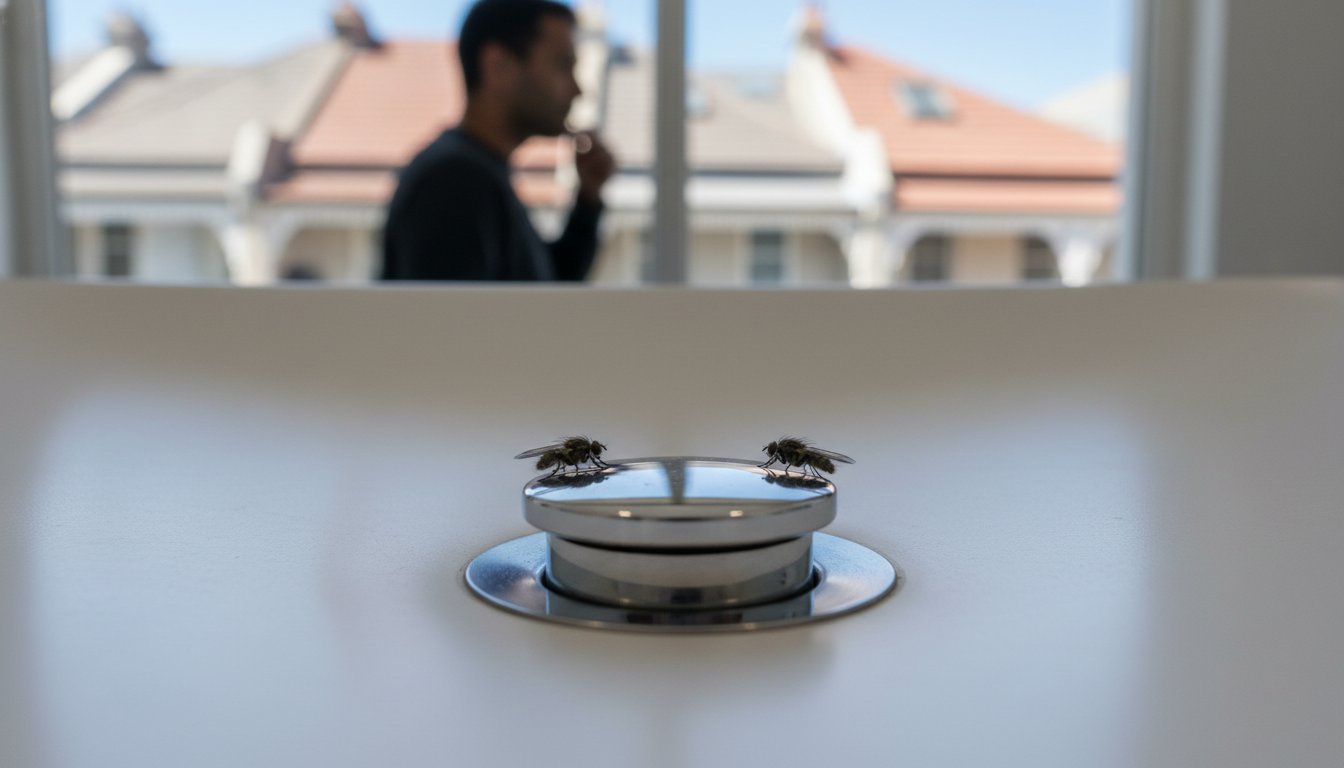
Scrubbing your tiles and pouring boiling water down the drain won’t stop the swarm. It’s incredibly frustrating to deal with tiny fuzzy flies in bathroom Sydney properties, especially when they persist despite your best cleaning efforts. You want a hygienic home, but these resilient pests keep reappearing on your mirrors and walls, causing unnecessary anxiety about your family’s health. You aren’t alone in this struggle. Recent reports confirm that Sydney remains a major hotspot for pest activity, with demand for professional intervention often doubling during our humid summer months.
You don’t have to tolerate this infestation any longer. We will help you positively identify these drain flies and reveal the professional secrets to clearing them out for good. This guide covers the critical steps to destroy the organic “biofilm fortress” hidden inside your pipes. We provide expert removal techniques and offer practical prevention tips to ensure these pests never return. Stop guessing and start reclaiming your peace of mind with a permanent solution for your home.
Key Takeaways
- Identify the unique biology of drain flies and why Sydney’s humid coastal climate creates the perfect breeding environment.
- Discover why tiny fuzzy flies in bathroom Sydney residences persist despite regular cleaning and how they survive inside pipe biofilm.
- Avoid ineffective DIY myths like bleach or boiling water that can damage your plumbing without reaching the source.
- Execute the “Duct Tape Test” to pinpoint exactly which drains are harboring larvae for targeted removal.
- Learn when to transition from DIY efforts to professional intervention for a comprehensive, long-term solution.
What Are the Tiny Fuzzy Flies in Your Sydney Bathroom?
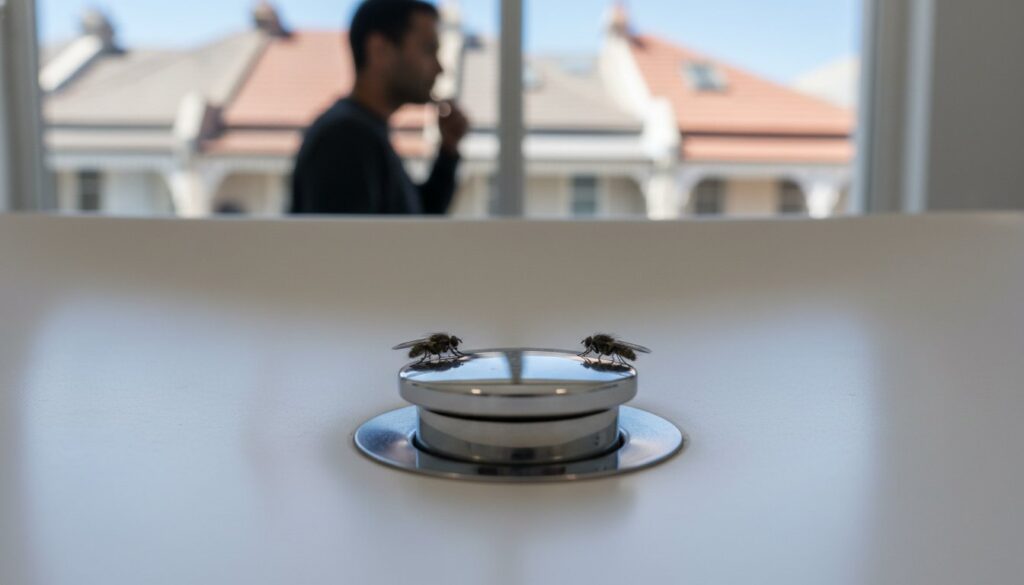
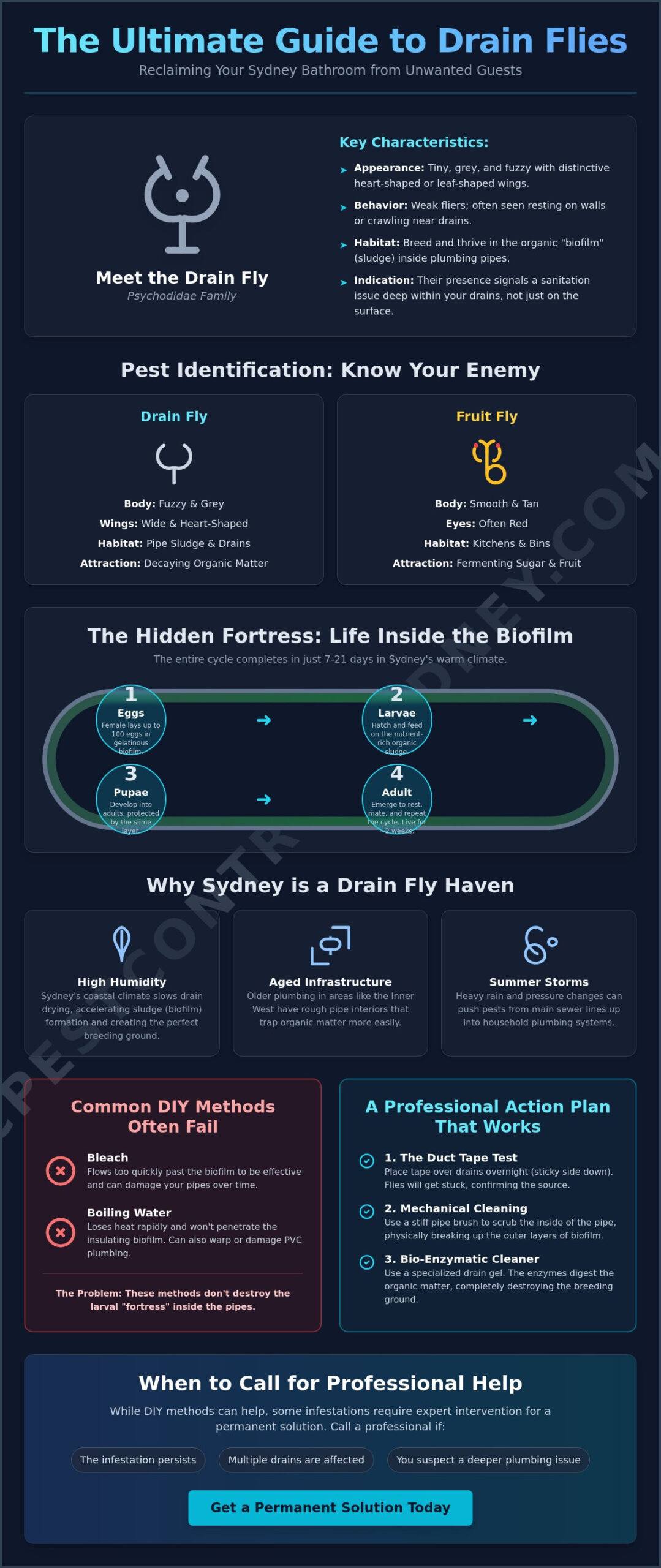
You see them resting on the tiles or hovering near the sink. These creatures are often mistaken for tiny moths due to their heart-shaped wings and grey, velvety appearance. Scientifically known as part of the Psychodidae family of flies, they are commonly called drain flies or moth flies. If you’ve noticed tiny fuzzy flies in bathroom Sydney settings, you’re likely dealing with a pest that thrives on the organic sludge inside your plumbing. While some online forums dismiss them as harmless gnats, their presence indicates a sanitation issue within your pipes that requires immediate attention.
Their “fuzzy” texture comes from thousands of microscopic hairs covering their bodies and wings. These hairs are more than just decoration; they act as a water-repellent shield. This allows them to survive in damp environments and even withstand splashes of water. Unlike common houseflies, they are weak fliers. They prefer to crawl along surfaces or take short, jerky flights. If you see them resting on the wall for hours, it’s a sign they are waiting to return to the drain. This behavior is a key indicator that their breeding ground is nearby, usually within the very drain they are sitting on.
Drain Flies vs. Fruit Flies: Don’t Confuse Them
Correct identification is the first step toward total resolution. While both are small, their habits and appearance differ significantly:
- Visuals: Drain flies are fuzzy and grey with wide wings. Fruit flies are smooth-bodied, tan, and usually have prominent red eyes.
- Habitat: Fruit flies seek out fermenting sugar, like overripe bananas or open wine bottles. Drain flies live exclusively in the gelatinous “gunk” found in pipes and floor wastes.
You can’t solve a drain fly problem with a vinegar trap meant for fruit flies. You must target the plumbing to see results.
The Life Cycle: From Slime to Winged Nuisance
Killing the flies you see on the wall won’t stop the infestation. This is because the adults represent only a small fraction of the population. The real problem lies deep within the drain’s biofilm.
- The Breeding Ground: Females lay eggs in the thick, gelatinous film that coats the inside of your pipes. This slime provides both protection and food.
- The Larval Stage: Once they hatch, the larvae live inside this low-oxygen environment. They are incredibly resilient and feed on the decaying organic matter, hair, and soap scum trapped in your drains.
- Rapid Growth: In Sydney’s warm climate, the transition from egg to adult takes as little as 7 to 21 days. A single female can lay up to 100 eggs at a time.
By the time you spot tiny fuzzy flies in bathroom Sydney homes, hundreds of larvae are likely maturing just inches away. Adult flies only live for about two weeks, but because they breed so quickly, the cycle feels endless. To win this battle, you have to destroy the “fortress” of slime where they grow.
Why Sydney Bathrooms Are a Haven for Drain Flies
Sydney’s unique coastal environment is a major factor in why these pests thrive. The city’s high humidity levels, which often peak during the sweltering summer months, act as a catalyst for organic decay. When you see tiny fuzzy flies in bathroom Sydney properties, you’re witnessing the result of this rapid decomposition. Moisture in the air slows down the drying process in your drains, allowing hair, skin cells, and soap residue to ferment into a thick, nutrient-rich sludge.
This sludge isn’t just dirt; it’s a “biofilm.” Think of it as a sticky, gelatinous fortress. This layer protects larvae from being washed away by daily water use or killed by surface-level cleaners. It clings stubbornly to the walls of shower drains, sink overflows, and floor wastes. Because the biofilm is water-resistant, it creates a safe harbor where the tiny fuzzy flies in bathroom Sydney homes can complete their life cycle undisturbed.
Residents in the Inner West and Eastern Suburbs often face higher risks due to the age of local infrastructure. These areas feature older plumbing systems with cast iron or aged PVC pipes. Over many decades, these pipes develop rough interior surfaces and small pits. This creates the perfect “gunk” factor where organic matter accumulates much faster than in modern, smooth-walled pipes.
Sydney’s Climate and Pest Activity
Sydney’s intense summer storms often trigger sudden fly sightings. Rapid changes in atmospheric pressure and increased moisture levels can push flies out of the main sewer lines and into your living spaces. Bathrooms with poor ventilation or high condensation levels provide the perfect damp air these pests need to survive once they emerge from the drain. Without proper airflow, your bathroom becomes a humid incubator that supports multiple generations of flies simultaneously.
Plumbing Red Flags in Local Homes
Watch for slow-draining water or a faint, musty smell. These are immediate red flags. Cracked pipes or small leaks behind tiles create damp pockets that attract pests. In renovated Sydney terraces, “dead legs” are a frequent culprit. These are sections of pipe that were capped off during plumbing changes but still contain stagnant water. These hidden areas are impossible to reach with standard cleaning. Sometimes, a professional pest inspection can reveal these hidden moisture issues that are attracting more than just flies. If you’re noticing a persistent swarm, our team offers specialized drain fly Sydney treatments to clear the gunk for good.
The Bleach Myth: Why DIY Methods Often Fail
Pouring bleach down the drain is the most common reaction to seeing tiny fuzzy flies in bathroom Sydney homes. It feels like a logical solution. You expect the harsh chemicals to dissolve the problem instantly. In reality, bleach is almost entirely ineffective against this specific pest. The liquid moves too quickly through the pipe to have a lasting impact. It fails to penetrate the thick, rubbery slime where the larvae actually live and feed. You are essentially washing away money without touching the source of the infestation.
Boiling water is another frequent suggestion that often backfires. While it might kill a few larvae on contact, it presents a significant risk to your home’s infrastructure. Most modern Sydney bathrooms use PVC piping and rubber seals. Repeatedly pouring boiling water can warp these pipes or cause seals to fail, leading to expensive leaks behind your walls. You risk a major plumbing bill for a temporary solution that won’t stop the next generation of flies from emerging. This creates a cycle of frustration that never actually solves the root cause.
Killing the adult flies you see on your mirror only addresses about 5% of the problem. This is a psychological trap. You see fewer flies for a day or two and assume the treatment worked. However, because you haven’t addressed the source in the pipes, a new swarm will appear within 48 hours. This cycle of “treat and repeat” allows the infestation to grow larger and more resilient over time. You need to shift your focus from the flies on the wall to the fortress in the floor.
The Science of the Biofilm Fortress
Biofilm is a complex, multi-layered colony of bacteria and organic waste. It acts like a waterproof suit for the larvae. Liquid chemicals simply slide over this surface without reaching the pests underneath. Mechanical scrubbing beats chemical pouring because it physically breaks the structural bond between the biofilm and the pipe wall.
Common DIY Mistakes to Avoid
Avoid using “bug bombs” or aerosol sprays in the bathroom. These chemicals stay in the air and never reach the breeding ground inside the plumbing. Another frequent oversight is ignoring the sink overflow drain. This small, dark hole is the perfect secret hideout for eggs and larvae. Finally, don’t rely on vinegar and baking soda mixtures alone. Without physical agitation from a pipe brush, the “fizzing” action isn’t strong enough to dislodge the established biofilm. If you’ve noticed tiny fuzzy flies in bathroom Sydney apartments, remember that surface-level cleaning is never enough.
How to Get Rid of Drain Flies: A Professional Action Plan
Eliminating an infestation requires more than just a surface spray. You need a systematic approach that targets the larvae where they hide. If you’ve been struggling with tiny fuzzy flies in bathroom Sydney properties, follow this professional-grade protocol to reclaim your space. This plan moves beyond the ineffective “quick fixes” discussed earlier and focuses on total eradication of the breeding source.
Locating the Source: The Tape Test
Stop guessing which drain is the culprit. You must identify the exact breeding ground before starting your treatment. Perform the “Duct Tape Test” to get a clear answer. Place a piece of clear packing tape or duct tape over every drain in your bathroom, sticky side down. Do not seal the drain completely; leave some room for airflow so the flies are encouraged to emerge. Leave this overnight. In the morning, check the tape. If you find flies stuck to the underside, you’ve located a primary breeding site. Remember to check non-obvious spots like sink overflows, floor waste grates, and even the condensate lines of your air conditioning units.
Cleaning and Prevention Techniques
Once you’ve identified the source, you must physically destroy the biofilm fortress. Follow these specific steps for the best results:
- Mechanical Scrubbing: Use a long-handled pipe brush to vigorously scrub the inside of the drain. This physical agitation is the only way to break the structural bond of the biofilm. Scrub as far down as the brush can reach.
- Enzyme Digesters: After scrubbing, apply a professional enzyme-based cleaner. Unlike harsh acids or bleach, these bio-remediation products contain specialized bacteria that “eat” the remaining organic sludge. This removes the food source for future larvae.
- Fixing Ventilation: Sydney’s humidity will quickly rebuild the biofilm if your bathroom stays damp. Ensure your exhaust fan is clear of dust and running for at least 20 minutes after every shower.
- Repairing Leaks: Even a tiny drip from a p-trap creates the moist environment these pests crave. Tighten connections and replace worn washers immediately.
Long-term success depends on consistent monitoring. Use hair traps in your shower to prevent organic matter from building up in the first place. A weekly flush of the pipes with very hot water (not boiling) can help dislodge early-stage slime before it becomes a problem. If these steps don’t stop the swarm, your infestation might be deep within the main sewer lines. For persistent cases, our General Pest Control Packages provide a comprehensive solution that targets all bathroom pests at once. Don’t let a small fly problem turn into a permanent headache. Take action today to ensure your bathroom remains a clean, hygienic sanctuary.
When to Call ABC Pest Control Sydney
DIY methods have their limits. If you have followed the mechanical cleaning steps and still see tiny fuzzy flies in bathroom Sydney, you need an expert. Persistent swarms often indicate that the breeding site is located deep within the sub-floor plumbing or main sewer lines where a standard pipe brush cannot reach. A report from October 2025 confirmed that eight of the top ten most pest-infested areas in Australia are right here in Sydney. This high density means that once an infestation takes hold, it can quickly spread to neighboring units or rooms. Sometimes, what seems like a minor nuisance is actually a symptom of a larger pest issue linked to hidden moisture or structural decay.
Professional intervention is a safer choice for your family. We use specialized equipment and targeted treatments that are far more effective than supermarket chemicals. Our team has a 20-year history of solving the toughest infestations in the region. We understand the specific challenges of Sydney’s climate and building structures. Don’t let the cycle of reappearing flies cause you more anxiety. Reclaim your home’s hygiene with a solution that actually works.
Our Professional Fly Treatment Process
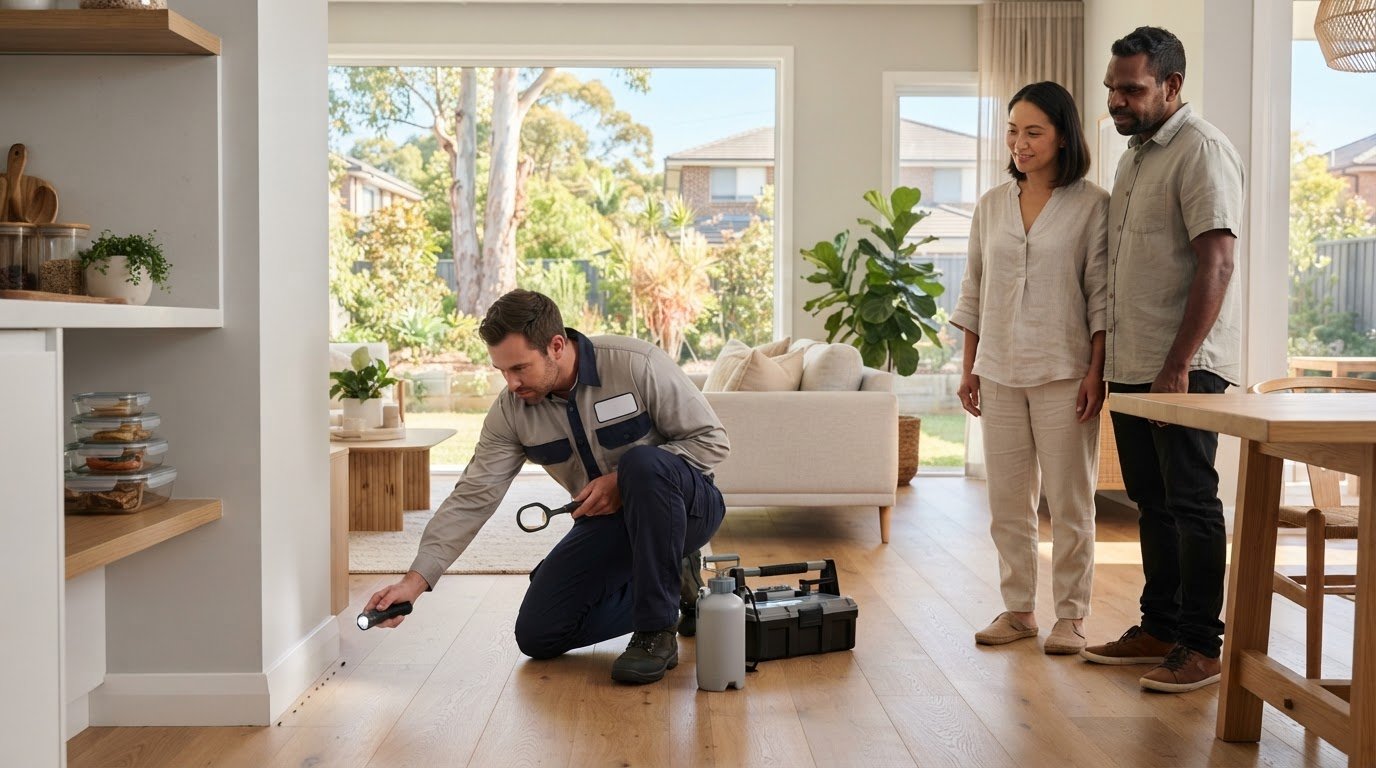
We don’t just spray and leave. Our technicians use advanced diagnostic tools to find hidden breeding sites. This often includes borescope cameras to inspect wall cavities and floor wastes without causing damage. Our eco-friendly treatments are designed to penetrate the toughest biofilm and eliminate larvae without harming your plumbing. We utilize Integrated Pest Management (IPM) strategies. This means we look at the root cause, such as drainage issues or ventilation gaps, to provide long-term peace of mind rather than a temporary fix.
The ABC Advantage for Sydney Homeowners
Our technicians are highly trained and understand the unique plumbing layouts of Sydney’s diverse suburbs. Whether you live in a modern high-rise or a heritage terrace, we have the experience to handle your specific case. We value your time. Our booking process is streamlined for modern convenience, allowing you to secure a slot quickly. Our General Pest Control Packages offer a comprehensive shield for your property, protecting you from flies, cockroaches, and other common household invaders. Book your pest control Sydney service online now to stop the swarm and restore your bathroom to its proper, clean state.
Stop the Swarm and Reclaim Your Home
Dealing with tiny fuzzy flies in bathroom Sydney homes is more than a simple cleaning chore. It requires a strategic attack on the biofilm fortress hidden deep within your pipes. You now understand that surface sprays and bleach are merely temporary fixes that ignore the root cause. Real, lasting success comes from mechanical scrubbing and proactive moisture management to disrupt the breeding cycle.
When DIY methods fail, professional intervention is the only way to ensure total eradication. Sydney’s persistent humidity will continue to fuel the infestation if the source remains untouched. We bring over 20 years of local experience and utilize eco-friendly methods to keep your environment safe. Our comprehensive General Pest Control Packages provide the specialized tools needed to flush out resilient colonies for good. Don’t let a minor nuisance turn into a major hygiene concern for your family.
Take the first step toward a hygienic, fly-free home today. Get a Free Quote for Expert Pest Control in Sydney and restore your peace of mind. You deserve a bathroom that feels like a clean sanctuary, not a breeding ground for pests. We are ready to help you win the battle against drain flies.
Frequently Asked Questions
Are the tiny fuzzy flies in my bathroom harmful to my health?
Drain flies are not known to transmit diseases directly to humans, but they can carry bacteria from the sewage where they breed. Because they live in decaying organic matter, they can mechanically transfer pathogens to bathroom surfaces and towels. While they aren’t as dangerous as houseflies, their presence indicates a hygiene issue within your plumbing that requires attention to maintain a healthy home environment.
Can drain flies bite humans or pets?
No, drain flies do not have the mouthparts required to bite humans or pets. They do not feed on blood and are primarily attracted to the organic sludge found in your drains. If you are experiencing bites in your bathroom, you are likely dealing with a different pest, such as mosquitoes or midges. Identifying the correct insect is essential for choosing the right treatment method.
Why do I have drain flies even though I clean my bathroom regularly?
You have drain flies because standard cleaning only addresses the visible surfaces of your bathroom. Even a sparkling clean room can harbor tiny fuzzy flies in bathroom Sydney if the internal pipe walls are coated in organic “gunk.” This sludge builds up over time from hair, soap scum, and skin cells, providing a protected breeding ground that your mop and sponge cannot reach.
How long does it take to get rid of a drain fly infestation?
It typically takes between one to three weeks to fully eradicate an infestation. This timeframe accounts for the 7 to 21 day life cycle of the flies, ensuring you eliminate both the adults and the developing larvae. If the population persists after three weeks of intensive cleaning, the breeding source is likely deeper in the plumbing system and requires a professional inspection to locate.
Will pouring boiling water down the drain kill the flies?
Pouring boiling water is not an effective solution and can actually damage your home. While it might kill a few larvae on contact, it won’t remove the thick biofilm they live in. Additionally, the extreme heat can warp modern PVC pipes or melt the rubber seals in your plumbing, leading to costly leaks. Stick to mechanical scrubbing and enzyme cleaners for a safer, more permanent result.
What is the best drain fly killer for Sydney homes?
The most effective solution for tiny fuzzy flies in bathroom Sydney is a professional-grade enzyme digester. These products contain living bacteria that consume the organic waste inside your pipes, removing the flies’ food source and breeding ground. Unlike harsh acids, these treatments are safe for your plumbing and the environment. For the best results, always combine chemical treatments with physical pipe brushing.
Do drain flies indicate a sewage leak under my house?
A sudden, large-scale infestation can sometimes indicate a cracked pipe or a sewage leak under your floorboards. If flies are emerging from floor wastes or crawl spaces rather than just sink drains, it’s a sign of a structural issue. In these cases, the flies are breeding in soil contaminated by leaking waste. You should contact a specialist immediately to investigate potential plumbing failures and prevent further contamination.
How can I prevent these flies from coming back next summer?
Prevention starts with consistent drain maintenance and moisture control throughout the year. Use fine mesh hair traps in all showers and sinks to minimize the organic matter entering your pipes. Flush your drains with hot water weekly and keep your bathroom well-ventilated to prevent humidity from accelerating decay. These simple habits will keep your home fly-free even during Sydney’s most humid summer months.